This article contains advertising. Our booking links are routed through a partner that adds commission tracking automatically, so if you book through one we earn a commission from the provider, at no extra cost to you. It never affects what we recommend. Affiliate disclosure
Liverpool history and heritage runs deeper than almost any city in Britain. From its humble origins as a small medieval fishing village granted a royal charter in 1207, Liverpool rose to become one of the most important ports in the world — a gateway for global trade, mass emigration, and cultural exchange that shaped not just Britain but the entire modern world. The story of Liverpool history and heritage encompasses maritime supremacy, the dark chapter of the transatlantic slave trade, waves of immigration that created one of the most diverse cities in the country, a devastating wartime blitz, post-war decline, and a remarkable cultural renaissance. Understanding this history transforms a visit to Liverpool from sightseeing into a genuinely enriching experience.
This guide takes you through the key periods of Liverpool history and heritage, from the city’s medieval foundations to its present-day status as one of Britain’s most culturally significant cities, with practical information about where to explore this history for yourself.
Medieval Origins (1207–1600s)
Liverpool’s story officially begins on 28 August 1207, when King John issued letters patent establishing “Livpul” as a new borough and inviting settlers to take up holdings there. The location was strategic — John needed a port for dispatching troops and supplies to Ireland, and the sheltered inlet of the Pool (a tidal creek that gave the city its name) provided a natural harbour. Liverpool Castle was constructed around 1235 to defend this new settlement, though nothing of it remains today — the site is now occupied by the Victoria Monument in Derby Square.
For several centuries, Liverpool remained remarkably small. The medieval town consisted of just seven streets, with a market established on the site of what would eventually become the Town Hall. By the mid-14th century, the population was barely 1,000. The town was considered subordinate to the much more established port of Chester, and its economy revolved around fishing, farming, and modest coastal trade. It wasn’t until 1647, when Liverpool was declared a free port independent of Chester, that the foundations for its transformation were laid.
The Rise of a Global Port (1700s–1800s)
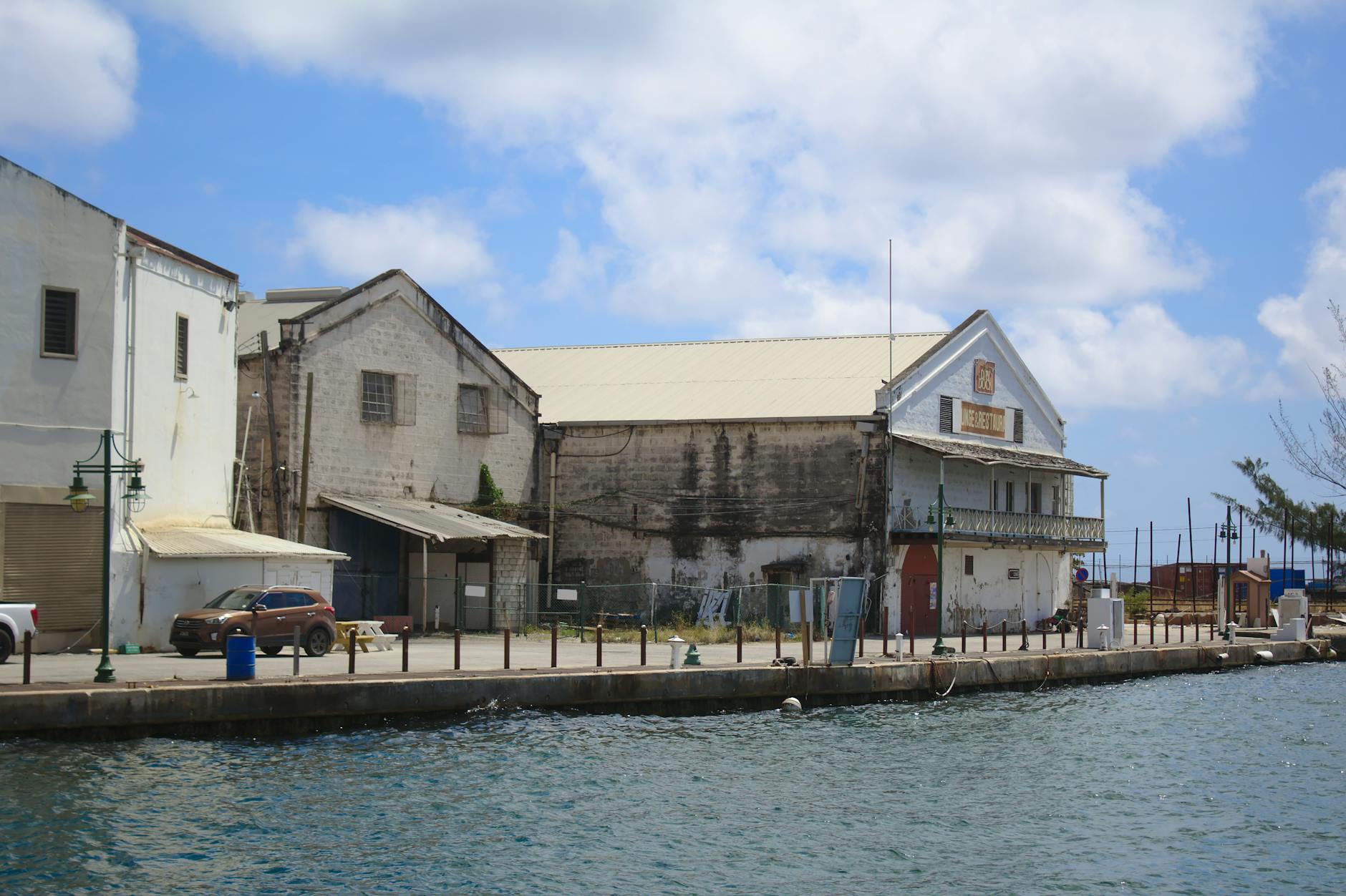
The 18th century transformed Liverpool from a minor port into a city of global significance. The construction of the world’s first commercial wet dock in 1715 was a pivotal moment in Liverpool history and heritage — it allowed ships to remain afloat at all states of the tide, dramatically increasing the port’s capacity and efficiency. This engineering innovation, combined with Liverpool’s geographic position facing the Atlantic, positioned the city perfectly to capitalise on the explosion of transatlantic trade.
By the mid-1700s, Liverpool had overtaken Bristol as Britain’s second most important port after London. The city’s merchants traded extensively with the Americas, the Caribbean, and West Africa, importing sugar, tobacco, cotton, and rum while exporting manufactured goods. The wealth generated from this trade is visible throughout the city today in the grand Georgian and Victorian architecture of the commercial district, the ornate town houses of Rodney Street, and the monumental public buildings that line the waterfront.
The Industrial Revolution accelerated Liverpool’s growth exponentially. The opening of the Liverpool and Manchester Railway in 1830 — the world’s first inter-city railway — connected Liverpool’s port to the manufacturing heartlands of Lancashire and beyond. The legendary Rainhill Trials of 1829, won by George Stephenson’s Rocket, took place just outside the city and marked the beginning of the railway age. Raw cotton flowed in through Liverpool’s docks to feed the textile mills of Manchester, while finished goods flowed back out to markets across the globe.
The construction of Albert Dock in 1846 represented another leap forward. Designed by Jesse Hartley, it was the world’s first non-combustible warehouse system, built entirely of iron, brick, and stone with no structural wood — a revolutionary approach to fire safety in an era when dock fires were catastrophic. Today, Albert Dock is one of Liverpool’s most visited attractions and the largest collection of Grade I listed buildings anywhere in England. For more on what to see at Albert Dock and the waterfront, see our things to do guide.
The Slave Trade: Liverpool’s Darkest Chapter
No honest account of Liverpool history and heritage can avoid the city’s central role in the transatlantic slave trade. By the late 18th century, Liverpool had become the largest slave-trading port in Europe, surpassing both Bristol and London. Liverpool-registered ships carried an estimated 1.5 million enslaved Africans across the Atlantic to the Americas between 1695 and 1807. At its peak in the 1790s, Liverpool controlled over 60% of the British slave trade and about 40% of the entire European trade in enslaved people.
The profits from slavery were enormous and fundamentally shaped the city. Much of Liverpool’s Georgian architecture, its grand public buildings, and its commercial infrastructure were built directly or indirectly with wealth derived from the slave trade. Street names across the city — including Bold Street, Tarleton Street, and several others — bear the names of slave traders and plantation owners. The legacy is woven into the very fabric of the city.
To its credit, Liverpool has confronted this history more openly than many cities with comparable legacies. The International Slavery Museum at Albert Dock, opened in 2007 on the bicentenary of the abolition of the British slave trade, is one of the most important institutions of its kind in the world. The museum traces the history of the transatlantic slave trade, its abolition, and the legacy of slavery in the modern world with unflinching honesty. It’s an essential visit for anyone seeking to understand Liverpool history and heritage in its full complexity. The museum is free to enter.
Liverpool was also home to prominent abolitionists who fought against the trade from within the city that profited most from it. William Roscoe, lawyer, banker, and MP for Liverpool, was a passionate advocate for abolition who campaigned against the slave trade despite significant opposition from the city’s powerful merchant class. He lost his parliamentary seat partly because of his anti-slavery stance, but his moral courage is now celebrated. His legacy is honoured at the Walker Art Gallery, where his art collection forms a significant part of the permanent display, and Roscoe Street in the city centre bears his name.
Today, Liverpool’s approach to its slavery heritage is widely regarded as a model for how cities can confront difficult histories. The International Slavery Museum doesn’t shy away from the horror of what happened, but it also tells stories of resistance, abolition, and the ongoing struggle for equality. The museum’s connection to its location — housed in the very dock buildings from which slave ships were fitted out — gives it a power that few museums can match.
Immigration and Liverpool’s Cultural Mosaic
Irish Liverpool
Liverpool’s proximity to Ireland — just a short sea crossing away — made it the natural landing point for Irish immigrants, and this connection has profoundly shaped Liverpool history and heritage. Irish migration to Liverpool predates the Famine, with an established Irish community of around 50,000 by 1845. But the Great Famine of 1845-1849 triggered a massive influx: during the first three months of 1847 alone, 120,000 Irish famine refugees landed in Liverpool. By 1851, over 25% of Liverpool’s population was Irish-born.
The Irish influence permeates every aspect of Liverpool’s culture — the accent (which shares characteristics with Irish English), the humour, the warmth, the Catholic tradition, the musical heritage, and even the intensity of football support. Liverpool’s Scottie Road (Scotland Road) was the heart of the Irish community for generations. Today, the Liverpool Irish Festival celebrates this heritage annually, and the city’s strong Irish connections are visible in its pubs, churches, and community organisations. The Great Hunger Memorial on the waterfront at Clarence Dock commemorates the famine immigrants.
Chinese Liverpool
Liverpool is home to the oldest Chinese community in Europe, dating back to the 1860s when Chinese sailors working on Blue Funnel Line ships settled around the docks. Liverpool’s Chinatown, centred on Nelson Street with its magnificent paifang (ceremonial arch) — the largest outside China when it was erected in 2000 — is a vibrant testament to this heritage. The Chinese community has contributed enormously to Liverpool’s cultural diversity, and the city’s Chinese New Year celebrations are among the most spectacular outside Asia. For more on these celebrations, see our events and festivals guide.
Wider Immigration
Liverpool’s status as a major international port attracted settlers from across the world, creating a multicultural city centuries before the term existed. The city has long-established Welsh, Scottish, West African, Caribbean, Somali, Yemeni, and South Asian communities, each contributing to Liverpool’s distinctive cultural character. The Welsh community was so significant that Liverpool was sometimes called “the capital of North Wales,” and Welsh-language chapel services continued well into the 20th century.
Toxteth, in particular, has been home to one of Britain’s oldest Black communities, with African and Caribbean residents dating back centuries to the era of the slave trade. The Somali and Yemeni communities, originally drawn by employment opportunities in the docks and merchant navy, have been established in Liverpool since the late 19th century. This extraordinary diversity — the product of centuries of maritime trade and immigration — is a defining feature of Liverpool history and heritage and gives the city a cosmopolitan character that distinguishes it from other English cities of comparable size. It also helps explain Liverpool’s distinctive accent, which linguists note has been shaped by Irish, Welsh, and various other influences, making it quite unlike any other English dialect.
The Emigration Port
While millions arrived in Liverpool, millions more departed. Between the mid-19th century and the early 20th century, approximately nine million people emigrated through Liverpool to new lives in North America, Australia, and other parts of the British Empire. For many — including vast numbers of Irish, Scandinavian, Eastern European, and British emigrants — Liverpool was the last piece of the Old World they saw. The White Star Line, whose ships included the ill-fated Titanic, was headquartered in Liverpool, and the city’s connection to the Titanic disaster is an important thread in Liverpool history and heritage. The Titanic Memorial on the waterfront at Pier Head commemorates the crew members who lost their lives, many of whom were from Liverpool.
The scale of emigration through Liverpool is staggering. At its peak in the 1880s and 1890s, thousands of people were passing through Liverpool’s emigration halls every week, processed through medical inspections, documentation checks, and boarding procedures before embarking on voyages that would take weeks. Many emigrants spent their last nights in England in the lodging houses around the docks — an entire industry grew up around serving the emigrant trade.
The emigration story is powerfully told at the Merseyside Maritime Museum at Albert Dock, which includes a dedicated emigration gallery exploring the experience of those who passed through Liverpool’s docks. Personal stories, original artefacts, and reconstructed emigrant quarters bring this chapter of Liverpool history and heritage vividly to life. A separate Titanic gallery examines Liverpool’s connection to the disaster in moving detail. The museum is free to enter.
Liverpool at War
The Battle of the Atlantic
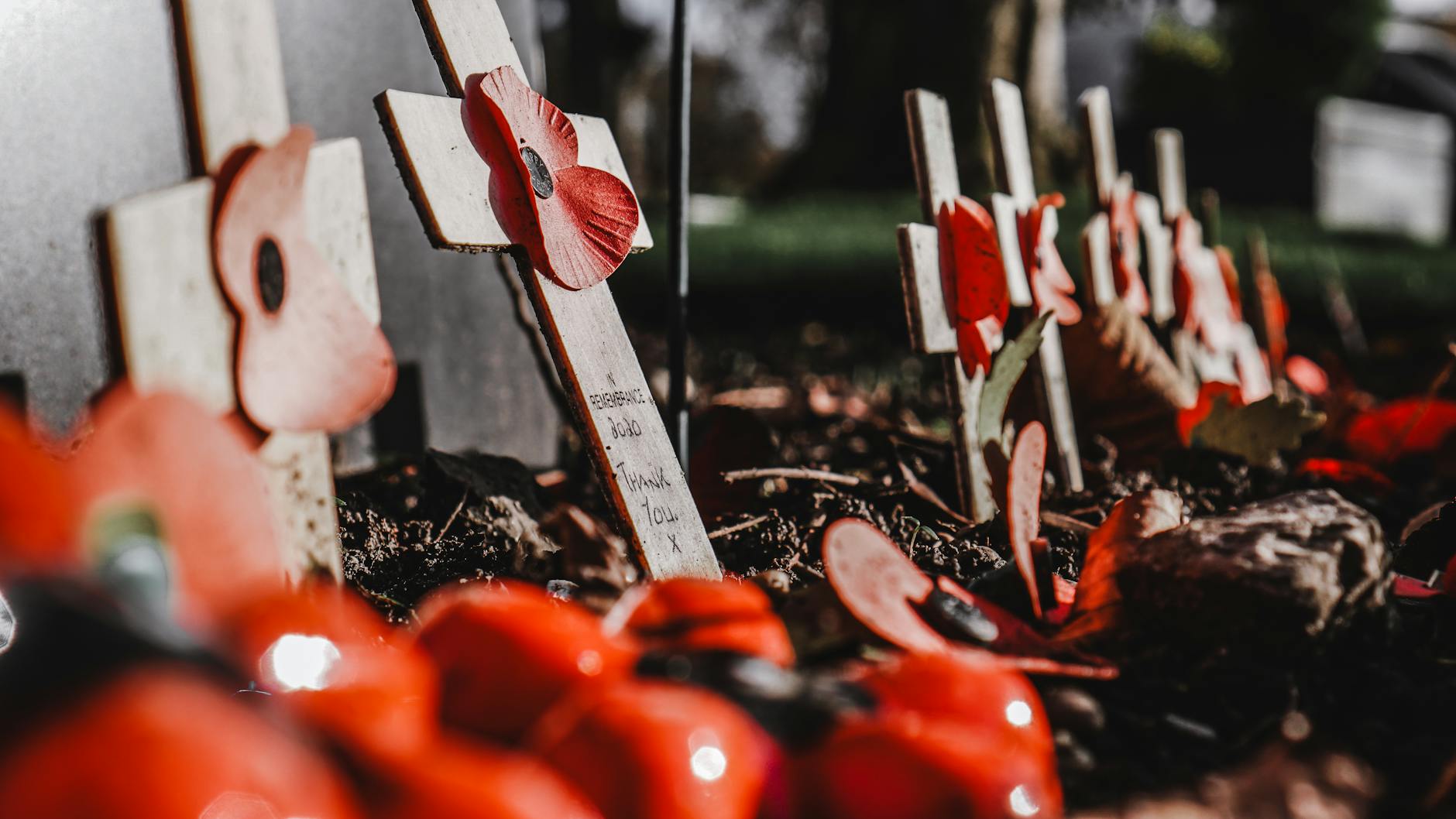
Liverpool played a critical role in both World Wars, but its contribution during the Second World War was particularly significant. As Britain’s most important Atlantic port, Liverpool was the headquarters for the Western Approaches Command, which coordinated the Battle of the Atlantic — the longest continuous military campaign of the entire war. The survival of the Atlantic convoy supply lines was essential to Britain’s ability to continue fighting, and Liverpool was the nerve centre of that effort.
The Western Approaches Command operated from a secret underground bunker beneath Derby House in the city centre, now preserved as the Western Approaches Museum. This fascinating museum allows visitors to walk through the preserved wartime operations rooms where the Battle of the Atlantic was coordinated, complete with original maps, plotting tables, and communications equipment. It’s one of the most immersive wartime heritage sites in Britain.
The May Blitz
Liverpool’s strategic importance made it a prime target for German bombing, and the city suffered the heaviest bombing of any British city outside London during the May Blitz of 1941. Over seven consecutive nights in May 1941, the Luftwaffe dropped thousands of bombs on Liverpool and the surrounding area, killing over 2,500 people, injuring thousands more, and leaving 70,000 homeless. Large parts of the city centre were destroyed, including much of the commercial district and residential areas.
The scars of the Blitz are still visible in Liverpool today. The most poignant is St Luke’s Church on Berry Street, known locally as “the Bombed Out Church,” which was gutted by an incendiary bomb in 1941 and has been left as a ruin and memorial ever since. Its roofless nave, open to the sky, is a powerful reminder of wartime devastation and has become one of the city’s most distinctive landmarks — now used as a cultural venue and community space. The Liverpool Blitz Memorial on the waterfront near Pier Head commemorates all those who lost their lives.
Post-War Decline and Renewal
The decades following the Second World War were difficult for Liverpool. The decline of Britain’s maritime trade, containerisation of shipping (which favoured deep-water ports like Felixstowe over Liverpool’s older dock infrastructure), the collapse of traditional manufacturing industries, and significant population loss created deep economic and social challenges. By the 1980s, Liverpool faced some of the highest unemployment rates in Britain, and the Toxteth riots of 1981 brought national attention to issues of poverty, racial inequality, and neglect.
Yet the seeds of Liverpool’s cultural renaissance were already germinating. The Beatles had already put Liverpool on the global cultural map in the 1960s, proving that creativity and cultural energy could thrive even in difficult economic circumstances. The city’s tradition of producing world-class comedians (from Ken Dodd to John Bishop), playwrights (Willy Russell, Alan Bleasdale), and musicians continued unbroken through the difficult decades.
The turnaround began with the Merseyside Development Corporation’s redevelopment of Albert Dock in the 1980s, transforming derelict dock buildings into shops, restaurants, museums, and galleries. The arrival of Tate Liverpool in 1988 signalled that Liverpool was once again a serious cultural destination. Liverpool’s designation as European Capital of Culture in 2008 was a watershed moment — the year-long programme of events attracted millions of visitors, generated significant economic activity, and fundamentally changed perceptions of the city both nationally and internationally.
Today, Liverpool is one of the UK’s most popular visitor destinations, its waterfront regeneration continues with Everton FC’s stunning new stadium at Bramley-Moore Dock, and the city’s cultural scene is thriving. The trajectory from decline to renewal is itself a remarkable chapter in Liverpool history and heritage — a story of resilience, creativity, and a fierce civic pride that refused to accept permanent decline. For more on Liverpool’s musical heritage, see our Beatles Liverpool guide.
Architectural Heritage
The Three Graces
Liverpool’s waterfront is dominated by the Three Graces — the Royal Liver Building (1911), the Cunard Building (1916), and the Port of Liverpool Building (1907). Together, they form one of the most recognisable waterfronts in the world and represent the pinnacle of Liverpool’s Edwardian confidence. The Royal Liver Building, crowned by the two Liver Birds (the city’s symbol), was one of the first major buildings in the world to be constructed using reinforced concrete. Guided tours of the Royal Liver Building take visitors to the clock tower and the Liver Birds themselves for panoramic views across the city and river.
The Georgian Quarter
The Georgian Quarter, centred around Rodney Street, Falkner Square, and Canning Street, contains one of the finest collections of Georgian townhouse architecture in England. Rodney Street — known as the “Harley Street of the North” for its concentration of medical practices — features elegant 18th and early 19th-century terraces with distinctive fanlights, wrought-iron railings, and generous proportions. William Gladstone, four-time Prime Minister, was born at 62 Rodney Street in 1809. The Georgian Quarter is free to walk through and admire, and its tree-lined streets and garden squares offer a peaceful contrast to the bustling city centre.
The Two Cathedrals
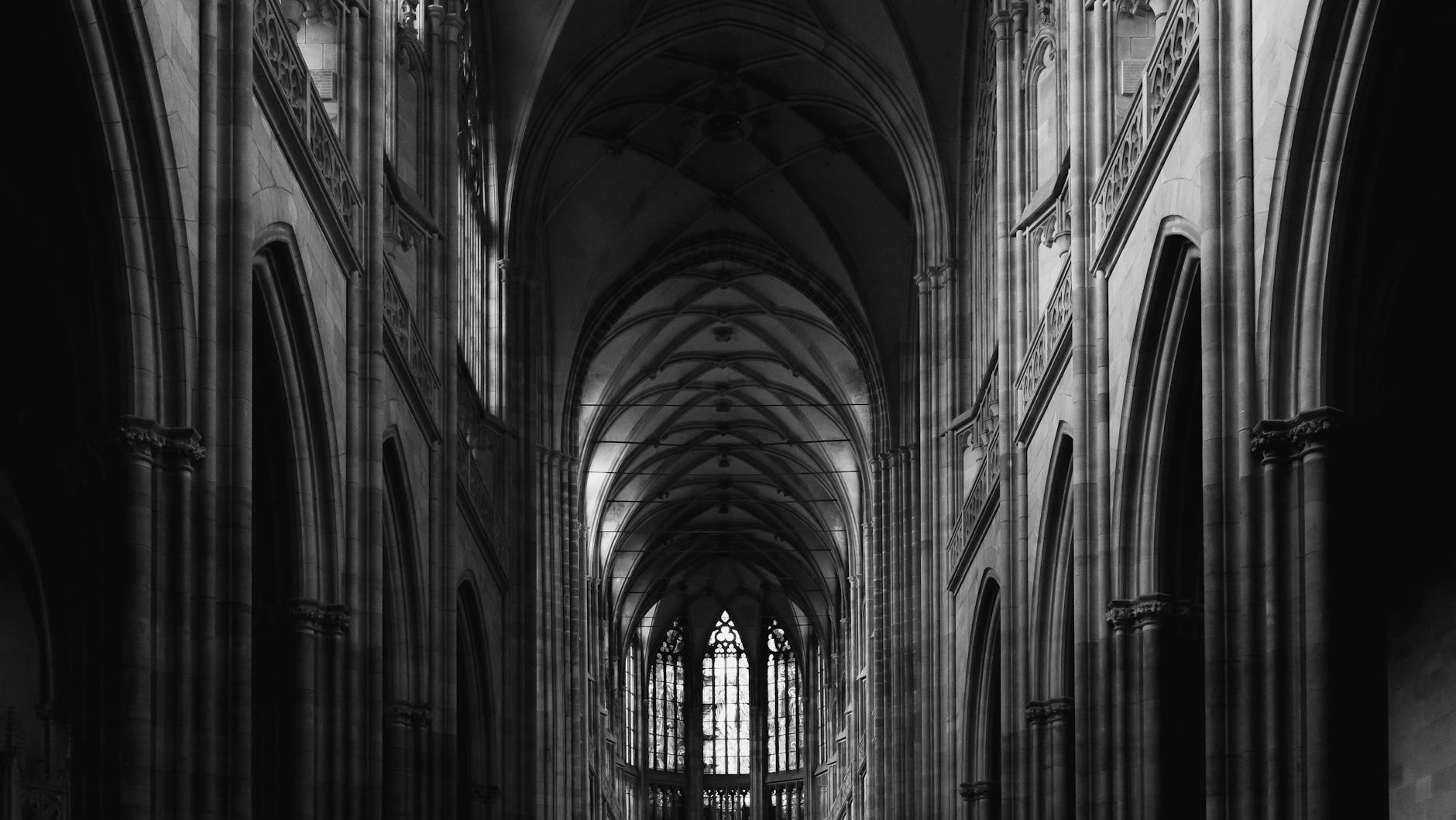
Liverpool’s two cathedrals, connected by Hope Street, represent two dramatically different approaches to religious architecture. The Anglican Cathedral, designed by Giles Gilbert Scott (who was just 22 when he won the competition), is the largest cathedral in Britain and the fifth largest in the world. Construction began in 1904 and wasn’t completed until 1978, creating a monumental Gothic Revival masterpiece in red sandstone. The Metropolitan Cathedral, designed by Frederick Gibberd and completed in 1967, takes a radically modern approach with its conical form, dramatic lantern tower, and spectacular stained glass by John Piper and Patrick Reyntiens. Both are free to enter and represent essential stops on any exploration of Liverpool history and heritage.
The UNESCO Story
Liverpool’s waterfront and historic commercial district were inscribed as a UNESCO World Heritage Site in 2004, recognised as “Liverpool — Maritime Mercantile City” for bearing witness to the development of one of the world’s major trading centres. The inscription covered six areas within the city centre, including the Pier Head, Albert Dock, and the commercial district.
However, in 2021, UNESCO deleted Liverpool from the World Heritage List — only the third site ever to lose this status. The decision followed years of concern about waterfront development, particularly the Liverpool Waters project at the northern docks, which UNESCO argued was detrimental to the site’s integrity. The decision was controversial: Liverpool’s city leaders argued that a living city must be allowed to evolve and develop, while heritage advocates felt that insufficient protection was given to the historic character of the waterfront. Regardless of UNESCO’s decision, the historic buildings themselves remain magnificent, and Liverpool’s maritime heritage continues to be one of its most compelling attractions for visitors.
Where to Explore Liverpool History and Heritage
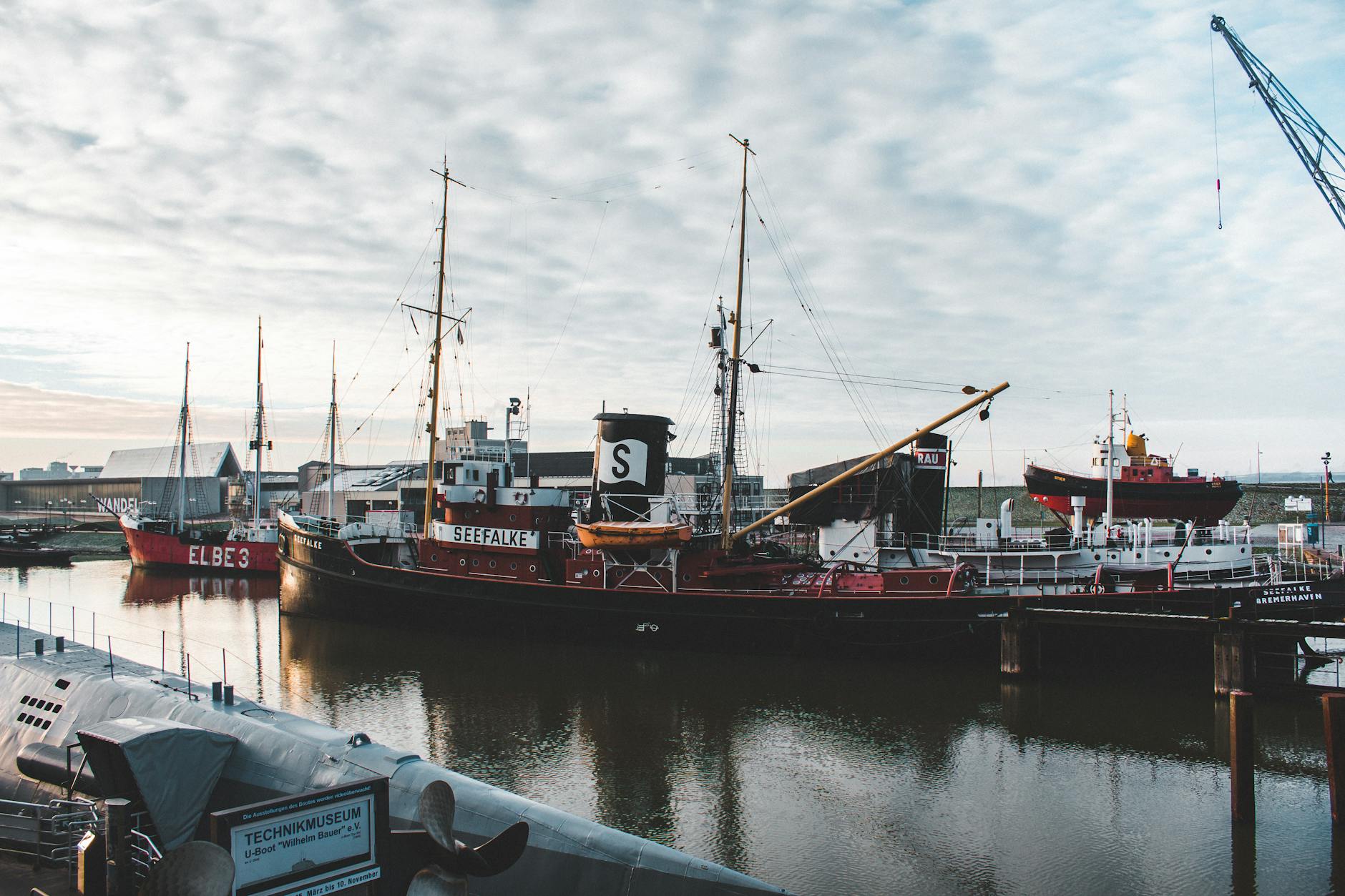
Liverpool’s history is accessible through an outstanding collection of museums, heritage sites, and historic buildings — most of which are free to visit.
Museum of Liverpool (Pier Head, free) — The most comprehensive single museum covering Liverpool history and heritage, with galleries exploring the city’s social history, popular culture, and the lives of ordinary Liverpudlians. Interactive and engaging, it’s the best starting point for understanding the city.
Merseyside Maritime Museum (Albert Dock, free) — Covers Liverpool’s maritime history, emigration story, and the Battle of the Atlantic. The Seized! gallery on customs and smuggling is unexpectedly fascinating.
International Slavery Museum (Albert Dock, free) — An essential and moving exploration of Liverpool’s role in the transatlantic slave trade and its lasting legacy.
Western Approaches Museum (Rumford Street, admission charge) — The preserved underground wartime command centre. A unique and atmospheric museum.
Albert Dock (free to walk around) — The dock complex itself is a heritage attraction, with its Grade I listed warehouses and cobbled quaysides.
St George’s Hall (Lime Street, free exterior, occasional interior access) — One of the finest neoclassical buildings in Europe, with a stunning Great Hall and concert room.
The Bombed Out Church (Berry Street, free) — The ruined St Luke’s Church, a memorial to the Blitz and now a cultural venue.
Royal Liver Building (Pier Head, tours available) — Guided tours take you inside this iconic building and up to the clock tower for panoramic views.
Heritage Walking Routes: Several self-guided walking routes allow you to explore Liverpool history and heritage at your own pace. The Heritage Trail covers the main historic sites in the city centre. The Slavery Remembrance Trail connects sites associated with the slave trade. The Beatles Heritage Trail takes in the music-related sites. Maps and guides are available from the Tourist Information Centre and as downloadable apps.
For a complete guide to all museums and galleries, see our museums and galleries guide. For tips on visiting these attractions for free, see our budget guide. For the full range of things to see and do beyond history, see our things to do guide.
Frequently Asked Questions
What Is Liverpool Famous For Historically?
Liverpool history and heritage centres on its role as one of the world’s greatest ports. The city was crucial to the British Empire’s transatlantic trade, played a major role in the slave trade, served as the departure point for millions of emigrants, was headquarters for the Battle of the Atlantic in World War II, and gave the world the Beatles. Its architectural heritage, maritime innovation, and cultural diversity make it one of the most historically significant cities in Britain.
Was Liverpool a UNESCO World Heritage Site?
Yes. Liverpool’s waterfront and historic commercial district were inscribed as a UNESCO World Heritage Site in 2004 as “Liverpool — Maritime Mercantile City.” The status was removed in 2021 following concerns about waterfront development. Liverpool was only the third site in the world to be delisted. The historic buildings and heritage remain unchanged, and the waterfront continues to be one of Liverpool’s most impressive attractions.
Are Liverpool’s History Museums Free?
Yes, most of Liverpool’s major history museums are completely free. The Museum of Liverpool, Merseyside Maritime Museum, International Slavery Museum, Walker Art Gallery, and World Museum are all operated by National Museums Liverpool and charge no admission. The Western Approaches Museum (wartime bunker) and Royal Liver Building tours do charge admission fees.
What Is the Connection Between Liverpool and the Slave Trade?
Liverpool was the largest slave-trading port in Europe by the late 18th century. Liverpool-registered ships carried an estimated 1.5 million enslaved Africans across the Atlantic. The profits from the slave trade built much of Liverpool’s Georgian architecture and commercial infrastructure. The International Slavery Museum at Albert Dock confronts this history directly and is one of the most important museums of its kind in the world.
How Old Is Liverpool?
Liverpool was established as a borough by royal charter from King John on 28 August 1207, making it over 800 years old. However, the settlement was small and relatively insignificant for its first several centuries — by the mid-1500s, it had just 600 inhabitants. Liverpool’s transformation into a major city began in the late 17th and 18th centuries with the growth of transatlantic trade, and it reached its peak of global importance during the Victorian era when it was one of the wealthiest cities in the world. Liverpool was granted city status in 1880. Today, with a population of around 500,000 in the city proper and nearly 1.5 million in the wider metropolitan area, Liverpool is the fifth largest city in England.
Liverpool history and heritage offers visitors something genuinely rare — a city where over 800 years of history are not just preserved in museums but visible in the streets, buildings, docks, and neighbourhoods you walk through every day. From the medieval origins marked by a plaque in Derby Square, through the Georgian elegance of Rodney Street, the Victorian grandeur of St George’s Hall, the Edwardian confidence of the Three Graces, the wartime scars of the Bombed Out Church, to the contemporary energy of the regenerated waterfront, Liverpool wears its history openly. Few cities anywhere in the world offer such a readable, walkable narrative of human ambition, suffering, creativity, and resilience.
Complete Liverpool History & Heritage Guides
For deeper coverage of every facet of Liverpool’s historical and heritage offering, the following nine in-depth guides cover the city’s major historical themes in detail:
- Liverpool’s Maritime History: From Empire Port to Modern Waterfront — the port story.
- Liverpool & the Slave Trade: History, Memorials & Museums — the city’s most substantial historical reckoning.
- Liverpool’s UNESCO World Heritage Story: Rise, Loss & Legacy — the 2004 inscription and 2021 delisting.
- The Three Graces Liverpool: Iconic Waterfront Buildings Guide — the Edwardian commercial set-piece.
- Liverpool in World War II: Blitz History & Sites to Visit — the May 1941 raids and the Battle of the Atlantic.
- Liverpool Architecture Guide: Georgian, Victorian & Modern Landmarks — the city’s built environment.
- The Irish Connection: Liverpool’s Irish Heritage & History — the most Irish English city.
- Titanic Liverpool: The City’s Connection to the Famous Ship — the White Star Line story.
- St George’s Hall Liverpool: Architecture & History Guide — the city’s finest neoclassical building.
One of the city’s least-known firsts is on West Derby Road. In 1887, the Liverpool solicitor Abdullah Quilliam opened what is usually described as Britain’s first mosque at Brougham Terrace, and it reopened in 2014 after restoration. Our guide to Muslim Liverpool tells the story, along with that of the seafarers who founded Al-Rahma Mosque in Toxteth.