This article contains advertising. Our booking links are routed through a partner that adds commission tracking automatically, so if you book through one we earn a commission from the provider, at no extra cost to you. It never affects what we recommend. Affiliate disclosure
Liverpool is one of the great museum and gallery cities of Britain, with a cultural offering that rivals cities many times its size. The city is home to more museums and galleries than any English city outside London, and many of the biggest names, including the Museum of Liverpool, the Walker Art Gallery and World Museum, are free to enter. From world-class art collections and groundbreaking maritime history to the largest cathedral in Britain and a secret WWII command bunker, Liverpool’s cultural institutions tell stories that are both locally rooted and globally significant.
National Museums Liverpool — the umbrella organisation that manages the city’s major publicly funded museums — runs museums and galleries across Merseyside. Two of its waterfront venues, the Merseyside Maritime Museum and the International Slavery Museum, are closed for essential maintenance ahead of a major redevelopment, subject to funding, with no reopening date given. Combined with the city’s independent galleries, heritage sites, and cultural spaces, visitors can enjoy a cultural programme that would take a week to experience fully. This guide covers every major museum and gallery in Liverpool, with practical information to help you plan your visits efficiently.
Free Museums at Albert Dock and the Waterfront
The Albert Dock and Pier Head waterfront area is the most concentrated museum district in Liverpool, with several major institutions clustered within walking distance of each other. You could spend two full days here and still not see everything.
Tate Liverpool
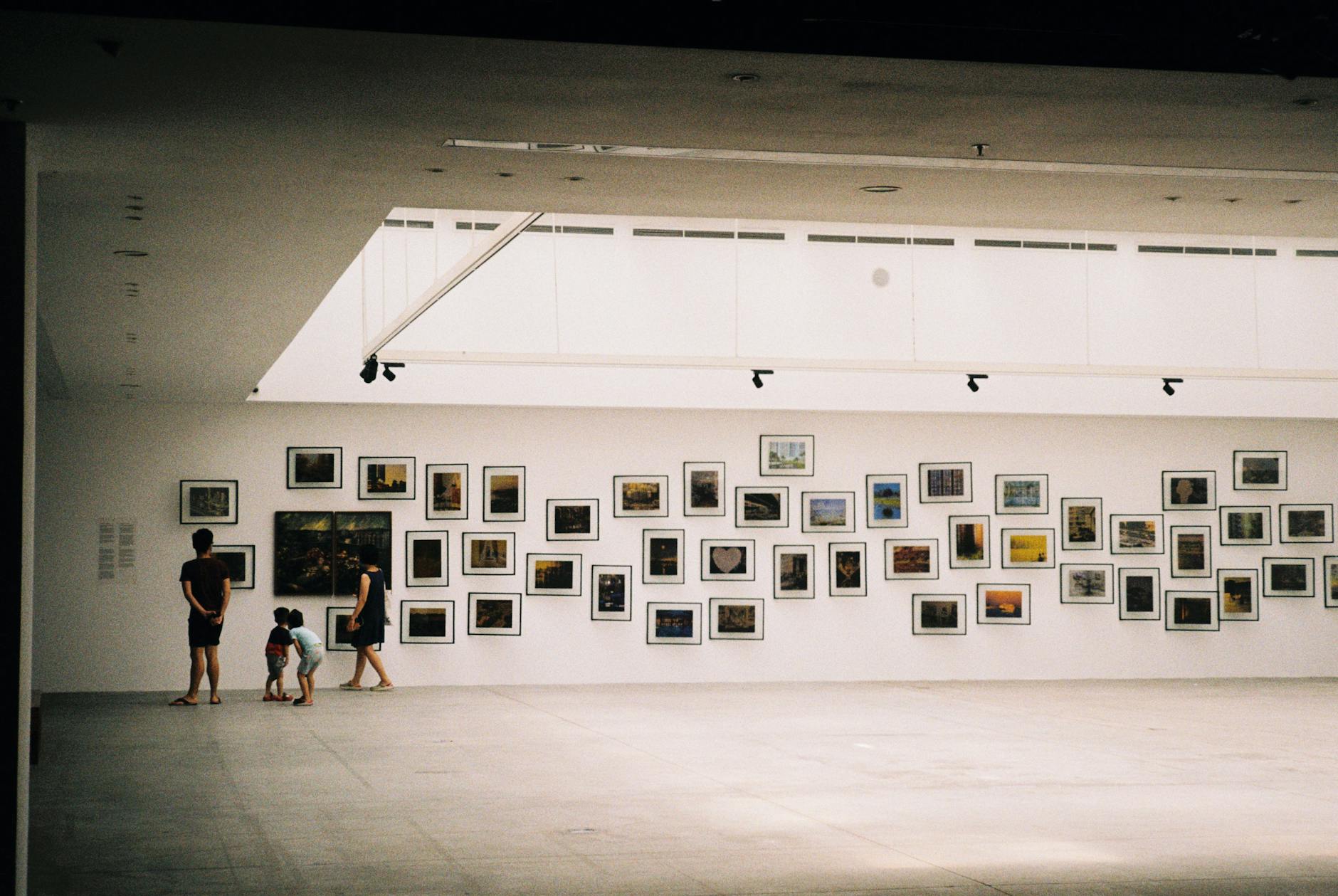
Tate Liverpool is the city’s flagship modern and contemporary art gallery, opened in 1988 in a Royal Albert Dock warehouse converted to designs by James Stirling. Part of the national Tate family (alongside Tate Modern, Tate Britain, and Tate St Ives), the Liverpool gallery is closed at the dock for now while its building is redeveloped.
In the meantime its temporary home is RIBA North on Mann Island, and Tate says the gallery will reopen at the Royal Albert Dock in 2027. No further Tate exhibitions are planned for the temporary space, which holds two small RIBA displays.
Both displays at RIBA North are free to visit. Check the Tate website for current opening hours there and for news of the dock gallery’s return; once it reopens, allow at least one to two hours for a visit.
Merseyside Maritime Museum
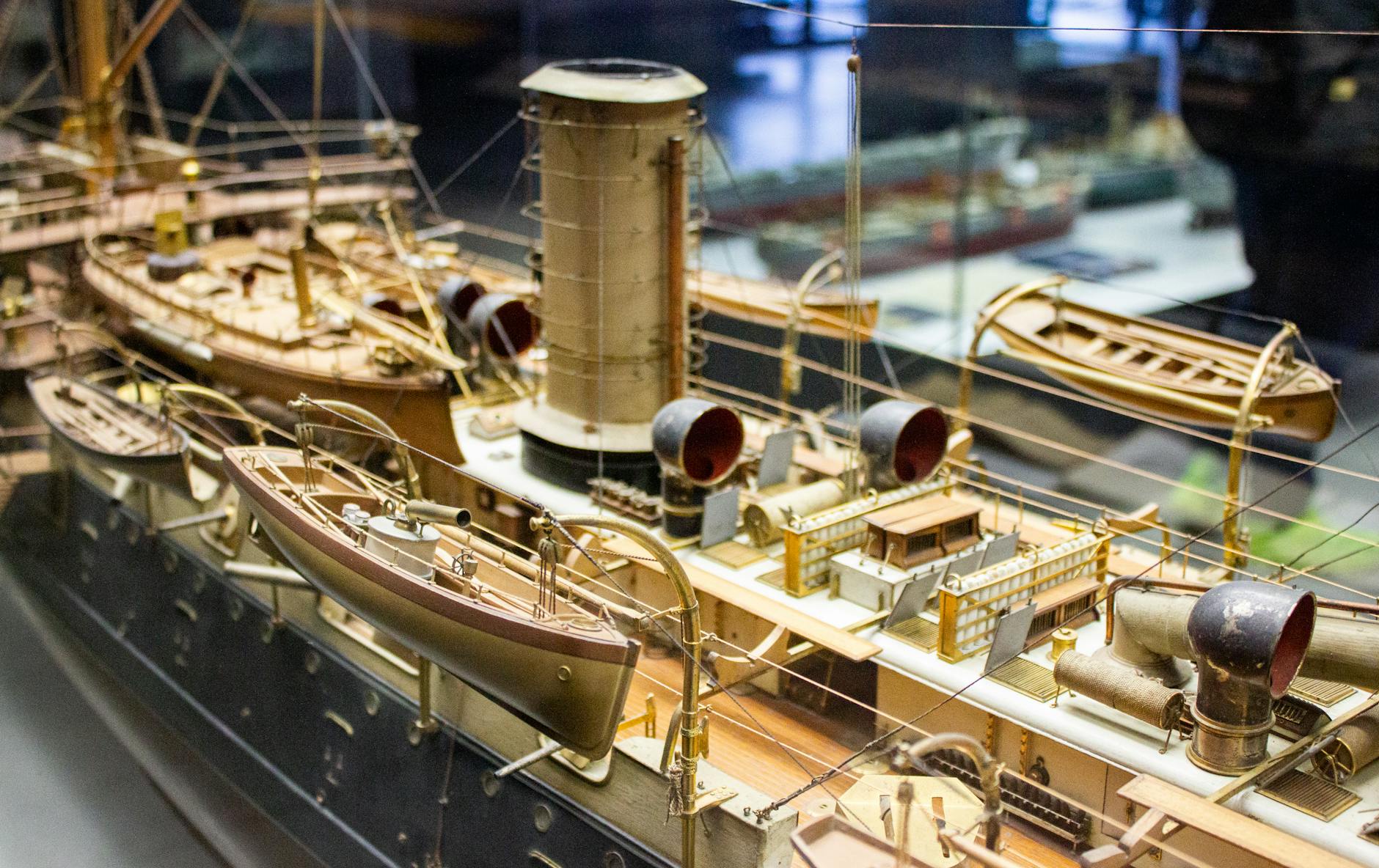
The Merseyside Maritime Museum at Albert Dock tells the story of one of the world’s great ports through its ships, trade, emigration, and naval history. Liverpool was the departure point for millions of emigrants heading to the Americas, and the museum’s Emigration Gallery brings these personal stories to life with original letters, diaries, and artefacts. The museum also houses a major exhibition on the Titanic — the ill-fated liner was registered in Liverpool, and the city’s connection to the disaster is explored through personal accounts and recovered objects.
The Battle of the Atlantic gallery examines Liverpool’s crucial role in the longest continuous military campaign of World War Two, when the Western Approaches Command coordinated Allied convoy operations from the city. The museum’s collection of ship models, navigational instruments, and maritime art is one of the finest in Britain, and the building itself — a converted Albert Dock warehouse — adds atmospheric context to the exhibits.
For now the Maritime Museum is closed for essential maintenance ahead of a major redevelopment project, subject to funding, and no reopening date has been given. The Old Dock Tour still runs, so check the museum’s website for tour times and any reopening news.
International Slavery Museum
Housed in the Maritime Museum building at Albert Dock, the International Slavery Museum is one of Liverpool’s most important and challenging cultural institutions. Opened on Slavery Remembrance Day, 23 August 2007, in the bicentenary year of the abolition of the British slave trade, the museum examines the transatlantic slave trade, the role Liverpool played as Britain’s leading slave-trading port, the movement for abolition, and the continuing legacies of slavery including racism, inequality, and modern human trafficking.
This is a museum that doesn’t shy away from difficult truths. Through art, personal testimonies, historical artefacts, and carefully curated exhibitions, it offers visitors a new and often confronting way to understand one of history’s greatest injustices. The setting matters, too: the museum is housed at the Albert Dock, in a port whose wealth was tied to the slave trade.
The International Slavery Museum shares the Maritime Museum’s closure, with no reopening date announced, so follow National Museums Liverpool’s website for news. It’s a profound and thought-provoking museum that rewards a slow, reflective visit: when it reopens, allow at least an hour, and be prepared to be moved.
Museum of Liverpool
The Museum of Liverpool on the Pier Head waterfront is the city’s dedicated social history museum, telling the story of Liverpool and its people from prehistoric times to the present day. Housed in a striking modern building designed by Danish architects 3XN, the museum explores Liverpool’s identity through themes including its port heritage, cultural diversity, sporting achievements, musical legacy, and the distinctive character of its people.
The museum’s highlights include a full-size Overhead Railway carriage, a recreation of a 1960s Liverpool living room, galleries dedicated to Liverpool FC and Everton FC, and exhibitions exploring the city’s role in popular music beyond The Beatles — from Merseybeat through to the post-punk scene and beyond. The People’s Republic gallery tells the story of political activism and social change in Liverpool, reflecting the city’s tradition of solidarity and community action.
The Museum of Liverpool is free, open every day from 10am to 5pm until 1 November 2026 (check its website for opening days after that), and particularly good for visitors who want to understand what makes Liverpool tick as a city and community. Allow one to two hours. The views across the Mersey from the museum’s upper-floor windows are excellent.
William Brown Street: Liverpool’s Cultural Mile
William Brown Street, just north of St George’s Hall and known as the city’s Cultural Quarter, is Liverpool’s grand civic boulevard and home to two of the city’s most impressive cultural institutions.
Walker Art Gallery
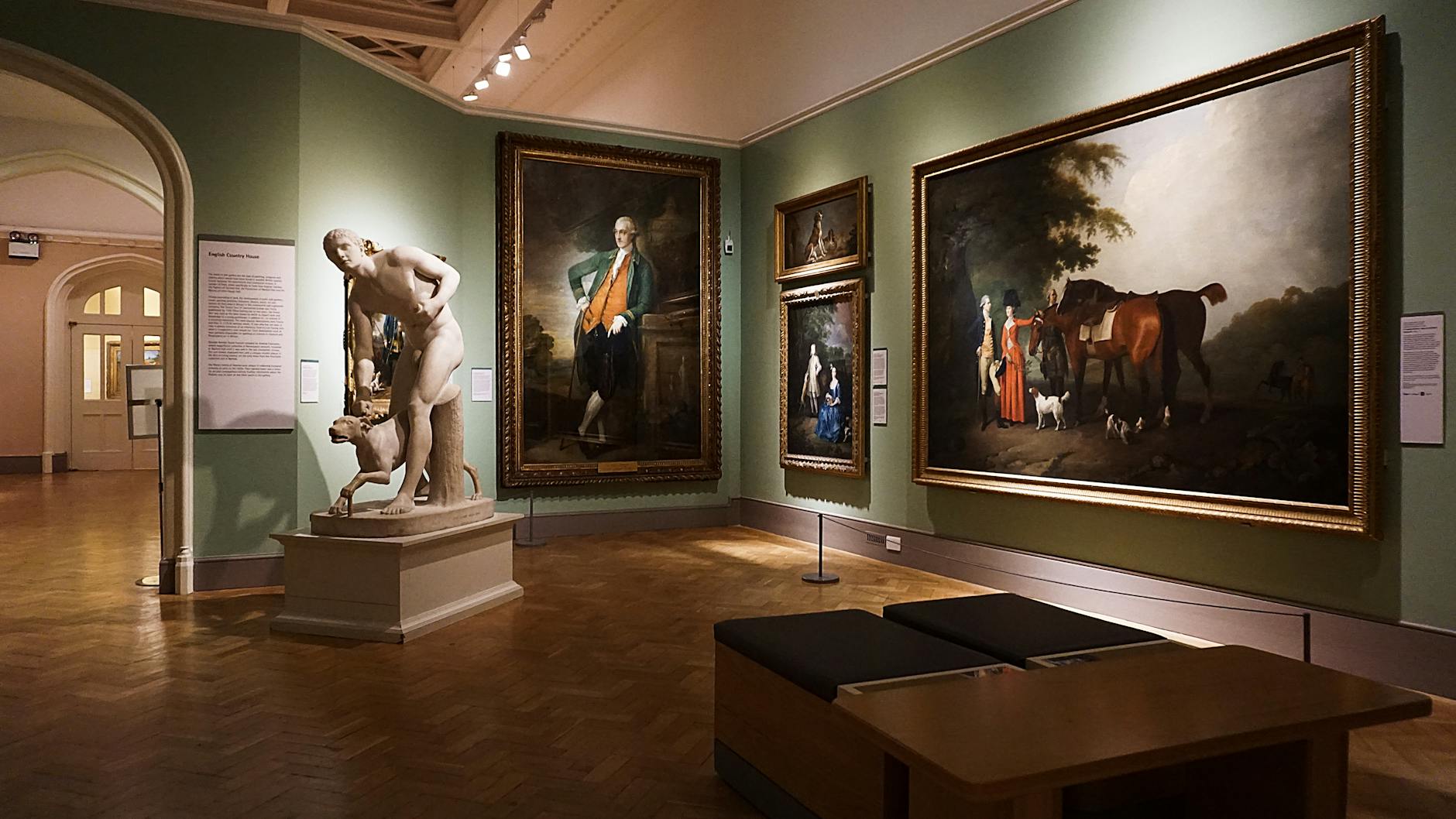
The Walker Art Gallery houses one of the finest collections of European art outside London, spanning seven centuries from medieval religious paintings to contemporary works. The gallery’s collection includes masterpieces by Rubens, Poussin, Rembrandt, Turner, and Stubbs, a superb Pre-Raphaelite collection featuring works by Rossetti, Millais, and Holman Hunt, and Impressionist paintings by Monet and Degas. The breadth and quality of the collection is genuinely remarkable for a regional gallery — you’ll encounter works here that would be headline exhibits in many national museums.
The gallery also houses an important collection of sculpture, a decorative arts gallery, and regularly changing special exhibitions that complement the permanent collection. The Big Art for Little Artists programme and dedicated children’s trails make the Walker one of the most family-friendly art galleries in the country.
Admission to the Walker Art Gallery is free, including all exhibitions and events. The gallery is open every day from 10am to 5pm until 1 November 2026; check the Walker’s website for opening days beyond that. Allow at least one to two hours — art lovers could easily spend a full morning here.
World Museum
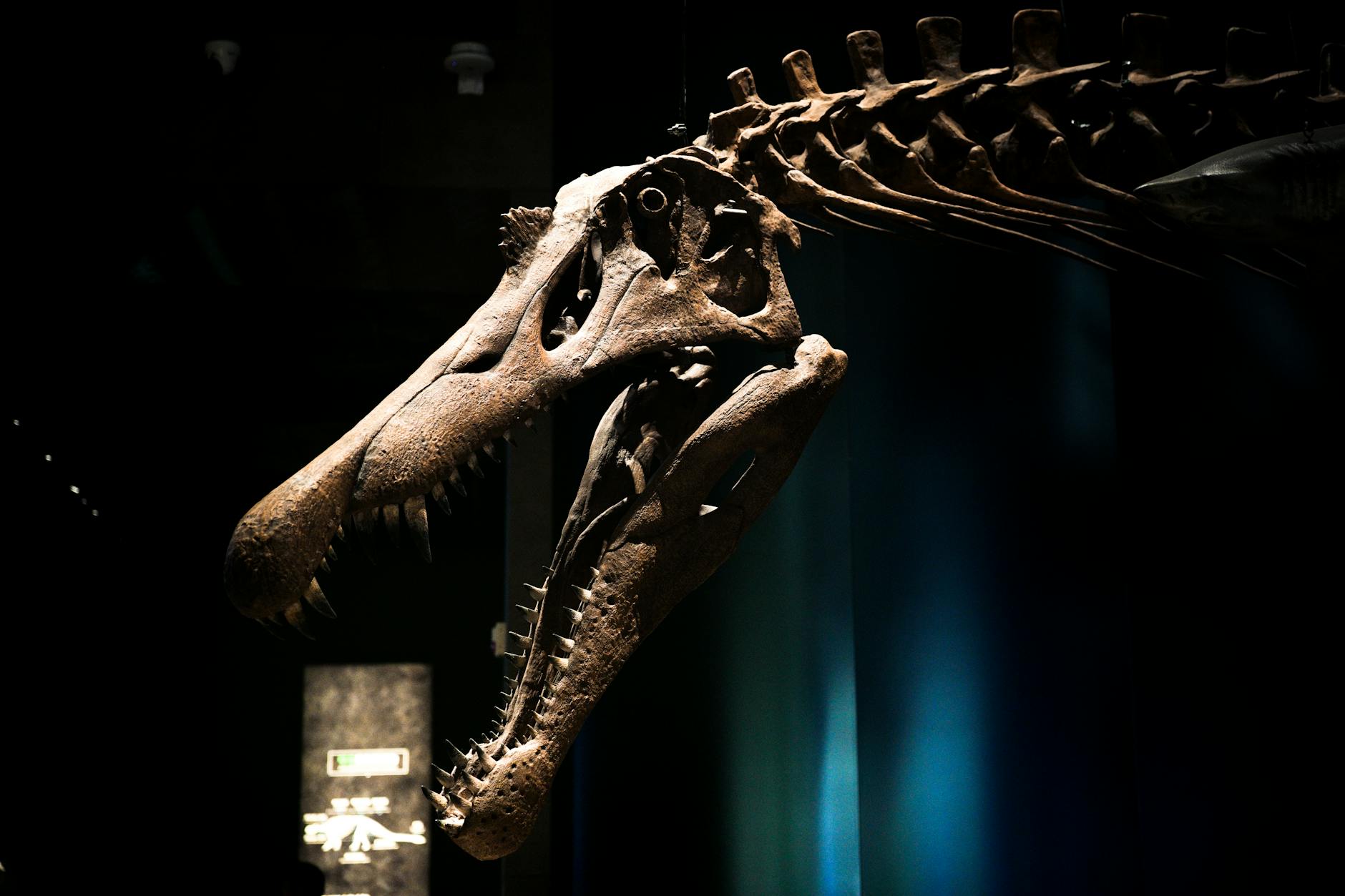
The World Museum on William Brown Street is Liverpool’s most diverse museum and the best option for families with children. Spread across five floors, it covers natural history, archaeology, ethnology, physical sciences, and world cultures in a series of galleries that range from dinosaur skeletons and Egyptian mummies to a planetarium and an aquarium.
The Natural History Centre allows visitors to handle real specimens and fossils under the guidance of museum staff — children love this hands-on approach. The Bug House is home to live insects and arachnids, and the planetarium (a small additional charge applies) presents shows exploring the solar system and the universe. The world cultures galleries display artefacts from across the globe, with particularly strong collections from ancient Egypt, classical Greece and Rome, and indigenous peoples of the Americas and Pacific.
The World Museum is free to enter, though planetarium shows and some temporary exhibitions cost extra, and it opens every day from 10am to 5pm until 1 November 2026. For later dates, the museum’s website has the current opening days. Families with children could easily spend a full day here. Arrive early during school holidays, as the museum is deservedly popular with young visitors.
Liverpool Cathedral
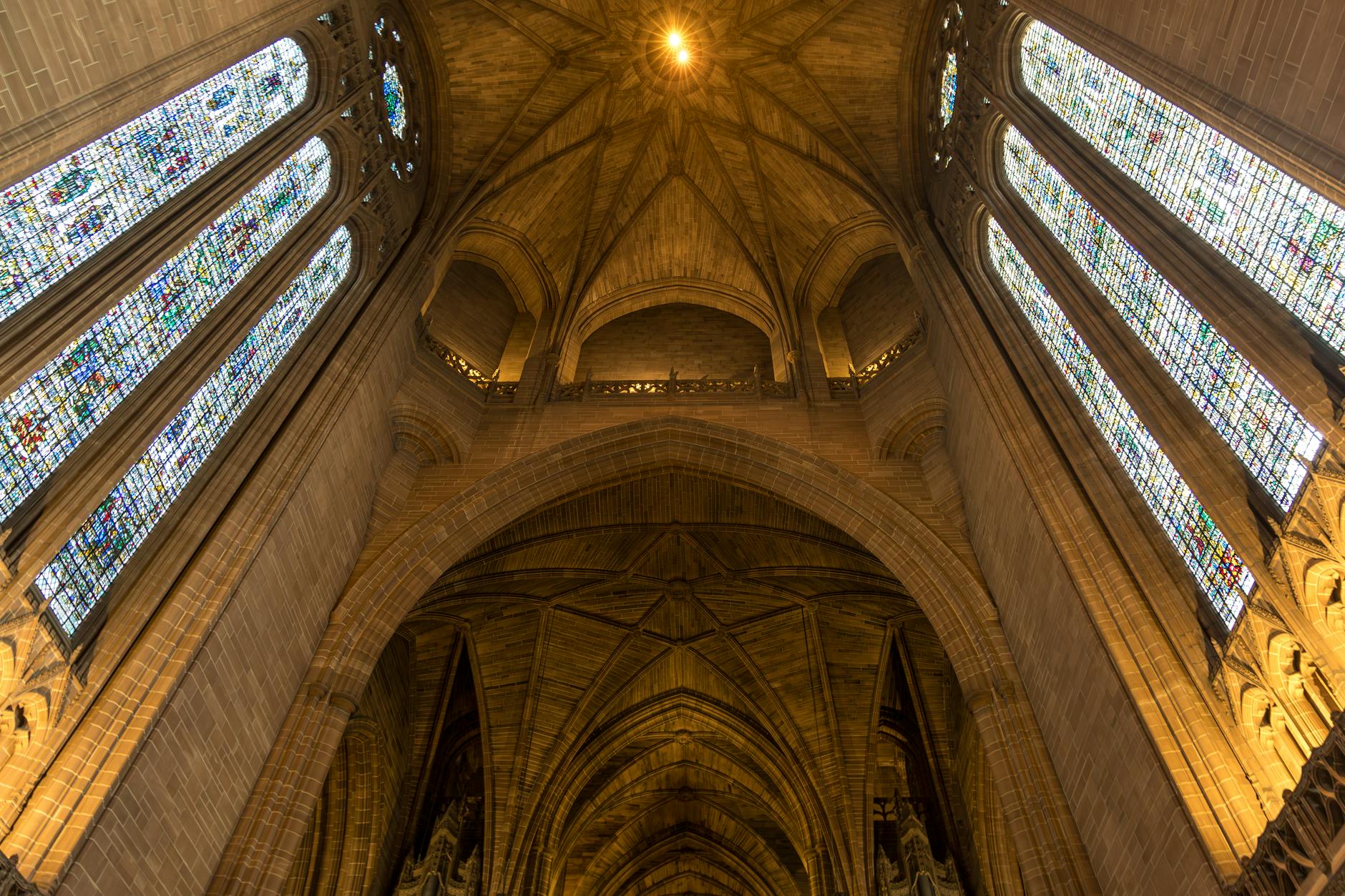
Liverpool Cathedral is the largest cathedral in Britain, a breathtaking neo-Gothic building that dominates the city’s skyline from its position on St James’ Mount. Designed by Giles Gilbert Scott — who was just 22 when he won the design competition in 1903 — the cathedral took 74 years to complete: building began in 1904, and its completion was celebrated in October 1978.
The scale of the interior is awe-inspiring. The cathedral’s total external length is 621 feet, and the vast nave, soaring arches, and stunning stained glass windows create a space of extraordinary spiritual and architectural power. The Vestey Tower experience is one of Liverpool’s most thrilling attractions — a journey by lift and stairs to the top of the tower, 500 feet above sea level, where you’re rewarded with breathtaking 360-degree panoramic views across Liverpool, the Mersey, and on clear days, as far as Blackpool Tower and the Welsh mountains. Along the way, you’ll visit the Bell Chamber, home to the world’s heaviest and highest peal of bells.
Entry to Liverpool Cathedral is completely free, though donations are welcome and the Tower Experience carries a separate charge (approximately £8 for adults). The cathedral is open daily and hosts a regular programme of concerts, services, and events. Allow at least an hour for the cathedral itself, and add another 30 to 45 minutes for the Tower Experience.
Western Approaches Museum: Liverpool’s Secret WWII Bunker
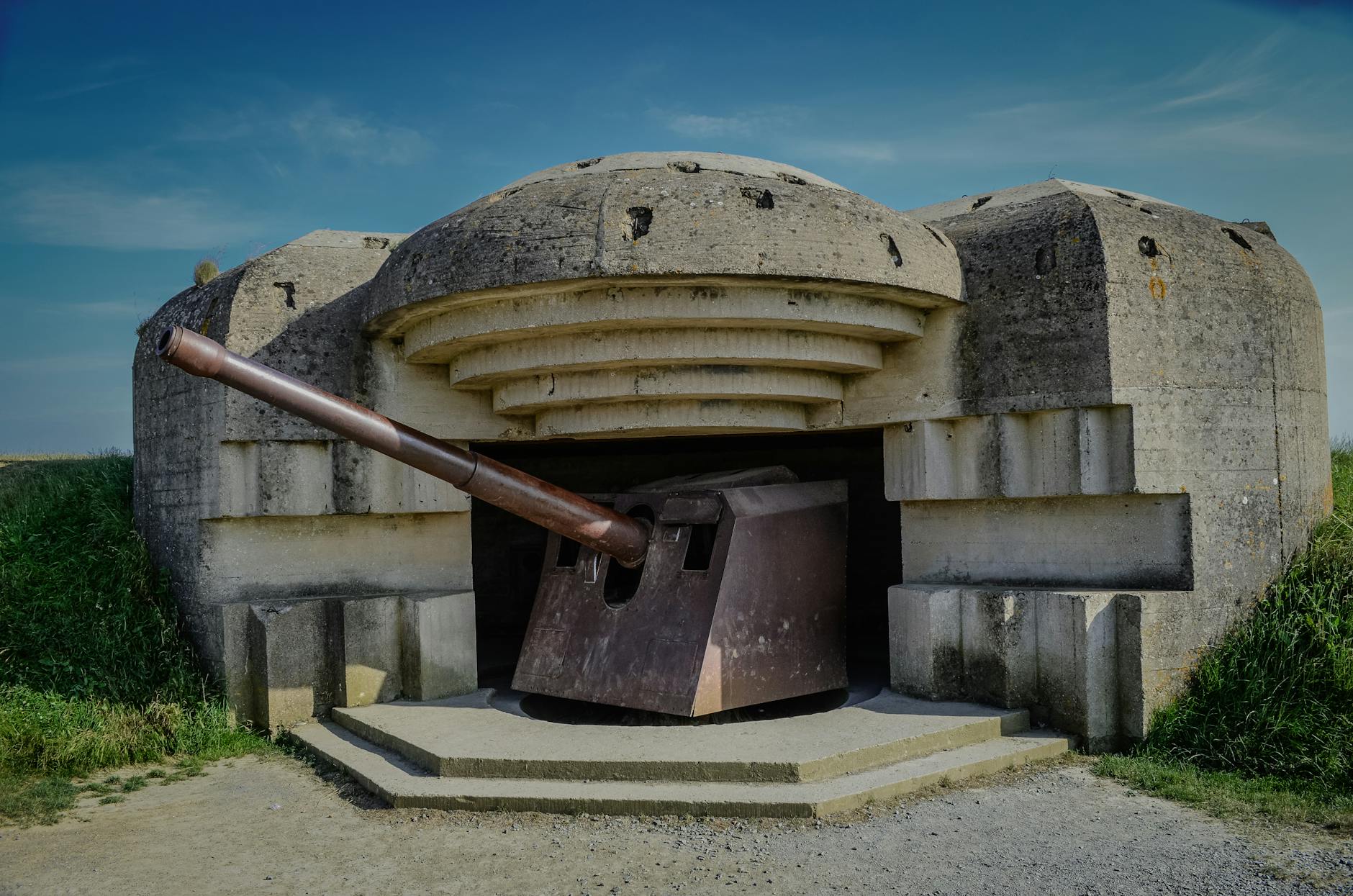
The Western Approaches Museum is one of Liverpool’s most unique and atmospheric attractions — a secret underground bunker beneath the city centre from which the Battle of the Atlantic was coordinated during World War Two. Hidden below Rumford Street, this underground warren of rooms was the nerve centre of Allied operations to protect the vital transatlantic convoys that kept Britain supplied with food, fuel, and munitions.
The self-guided tour takes you through the Central Operations Room, where officers plotted convoy movements and U-boat positions on enormous wall maps, the Cypher Room where Enigma-decoded intelligence was processed, a recreated 1940s street scene, and the NAAFI canteen where staff took breaks during their exhausting shifts. The bunker has been preserved largely as it was when the war ended — the atmosphere of these cramped, dimly lit rooms is genuinely evocative, and you can almost feel the tension of wartime operations in the air.
Unlike most Liverpool museums, the Western Approaches Museum charges admission — £16.50 for an adult day pass, and £1 for children under 16. The museum is open daily from 10am to 6pm (last entry 5pm) and the self-guided tour takes around 75 to 90 minutes. Note that the museum’s narrow passageways and uneven terrain mean it is not fully accessible for wheelchair users or visitors with significant mobility limitations. Book online for the best prices.
Contemporary Art and Independent Galleries
FACT Liverpool
FACT (Foundation for Art and Creative Technology) on Wood Street is Liverpool’s centre for film, art, and creative technology. Combining a Picturehouse cinema with gallery spaces dedicated to digital and media art, FACT occupies a unique niche in Liverpool’s cultural landscape. The gallery exhibitions explore the intersection of art, science, and technology, with interactive and immersive installations that push the boundaries of what a gallery experience can be. Admission to the galleries is free, and the cinema shows a mix of mainstream, independent, and art-house films.
Open Eye Gallery
Open Eye Gallery at Mann Island on the waterfront has been one of the UK’s leading dedicated photography galleries since 1977. The gallery produces photography exhibitions and collaborative projects with emerging and established artists. The gallery shop sells photographic prints and books, and the programme includes talks, workshops, and portfolio reviews. Admission is free.
The Bluecoat
The Bluecoat on School Lane, housed in Liverpool’s oldest surviving city centre building (dating from 1717), is the city’s centre for the contemporary arts. The gallery programme encompasses visual art, music, literature, dance, and live performance, with a particular emphasis on participatory and community-engaged projects. The building itself is a delight — a Queen Anne-style former school with a peaceful courtyard garden that provides a welcome escape from the city centre bustle. The gallery shop sells contemporary crafts and design by local and regional makers. Admission is free.
Other Notable Museums and Cultural Sites
British Music Experience
The British Music Experience at the Cunard Building on Pier Head traces the history of British popular music from 1945 to the present day through interactive exhibits, original costumes, instruments, and memorabilia. While The Beatles feature prominently, the museum places them within the wider context of British music culture — from skiffle and Merseybeat through glam rock, punk, new wave, Britpop, and the digital age. Interactive stations let you try DJing, guitar playing, and dance moves from different decades. Admission is charged (£20 for adults online, or £22 if you pay on the door).
The Beatles Story
The Beatles Story at Albert Dock is the world’s largest permanent Beatles exhibition and an essential visit for any music fan. As it’s covered in depth in our complete Beatles Liverpool guide, we won’t repeat the details here — but it’s worth emphasising that even visitors with a casual interest in The Beatles will find the museum fascinating and moving. The audio guide, narrated by John Lennon’s sister Julia Baird, adds an intimate family perspective that you won’t find anywhere else.
Metropolitan Cathedral and St George’s Hall
The Metropolitan Cathedral of Christ the King — Liverpool’s Catholic cathedral, known locally as “Paddy’s Wigwam” for its distinctive conical shape — is a striking modernist building on Mount Pleasant that provides a dramatic architectural contrast to the Anglican cathedral at the other end of Hope Street. Entry is free, and the interior is remarkable for its circular design and the kaleidoscopic tower of stained glass that floods the space with coloured light.
St George’s Hall on Lime Street is one of the finest neo-classical buildings in Europe and a symbol of Liverpool’s Victorian civic ambition. The Great Hall, with its intricate Minton tile floor (only uncovered for special occasions), hosts concerts, events, and exhibitions throughout the year. The Heritage Centre in the lower halls offers guided tours that reveal the building’s history and the stories of the courtrooms and cells beneath.
Planning Your Museum and Gallery Visits
Suggested Itineraries
For a full day of museums, start at the Walker Art Gallery and World Museum on William Brown Street in the morning, then walk down to the Museum of Liverpool at Pier Head for the afternoon. The Old Dock Tour still runs if you want to add the Albert Dock — the riverside walk there from Pier Head, past the Three Graces, takes about 10 minutes.
For a half-day focused on art, combine the Walker Art Gallery with Open Eye Gallery, and add Tate Liverpool once it is back at the Royal Albert Dock in 2027. For a family day, the World Museum and Museum of Liverpool are the strongest choices, with The Beatles Story as an optional addition. For a unique experience, pair Liverpool Cathedral’s Tower Experience with the Western Approaches Museum for a day that spans architectural grandeur and wartime intrigue.
Practical Tips
World Museum, the Walker Art Gallery and the Museum of Liverpool are all open daily from 10am to 5pm until 1 November 2026, while the two dock museums remain closed — check individual museum websites for opening days after that. Almost all Liverpool museums are free, making the city one of the most affordable cultural destinations in Britain. The main exceptions are The Beatles Story, the Western Approaches Museum, the British Music Experience, and Liverpool Cathedral’s Tower Experience, which all charge admission.
Museum fatigue is real — trying to cram too many institutions into a single day diminishes the experience. Pick two or three venues per day and allow time to absorb each one properly. Most museums have cafes, so build in coffee and lunch breaks. The Albert Dock restaurants are convenient for the waterfront museums, while the cafes on Bold Street and around Lime Street serve the William Brown Street venues well.
For the complete range of Liverpool attractions beyond museums and galleries, including outdoor activities, sports, and family entertainment, see our comprehensive guide to things to do in Liverpool. And for the best places to stay near the museum districts, our accommodation guide covers every neighbourhood.
Museums and Galleries for Families
Liverpool is one of the best museum cities in the UK for families, thanks to the combination of free admission, hands-on exhibits, and dedicated children’s programming at most venues. The World Museum is the standout family destination, with its Bug House, aquarium, planetarium, and Natural History Centre providing hours of engagement for curious young minds. The Museum of Liverpool’s interactive galleries and child-friendly approach to social history make it another excellent family choice.
National Museums Liverpool runs a comprehensive programme of family events, workshops, and holiday activities across all its venues. These range from art-making sessions at the Walker Art Gallery to science workshops at the World Museum. Most activities are free and drop-in, though some popular events may require advance booking during school holidays. Check the National Museums Liverpool website for the latest family programme.
The Beatles Story offers a dedicated Discovery Zone for younger visitors, with interactive music-making stations and dress-up areas that make the museum accessible for children as young as four or five. Liverpool Cathedral’s Tower Experience is suitable for older children (around eight and above) who can manage the stairs and will appreciate the panoramic views. The Western Approaches Museum appeals to children interested in history and military themes, though the narrow passageways mean it’s not suitable for pushchairs.
Accessibility at Liverpool’s Museums
Liverpool’s major museums and galleries have invested significantly in accessibility, and most venues now offer good provision for visitors with disabilities. National Museums Liverpool venues all have step-free access, accessible toilets, and hearing loops at information desks. The Walker Art Gallery and World Museum have lifts to all floors. Wheelchairs are available to borrow at most venues — contact the venue in advance to arrange this.
Sensory-friendly provisions are increasingly available. Several museums offer quiet hours or relaxed sessions, typically on weekday mornings, for visitors who benefit from a calmer environment. Visual stories and social guides can be downloaded from museum websites to help visitors prepare for their visit. BSL-interpreted tours and audio descriptions are available at various venues — again, check individual museum websites for current provision.
The main accessibility exception is the Western Approaches Museum, where the historic nature of the bunker means narrow passageways and uneven surfaces cannot be fully adapted. Liverpool Cathedral has full ground-floor access, but the Tower Experience requires climbing stairs and is not accessible for wheelchair users.
Liverpool’s Cultural Events and Temporary Exhibitions
Liverpool’s museum and gallery calendar is enriched throughout the year by major temporary exhibitions, festivals, and cultural events. Tate Liverpool’s exhibition programme, paused while its dock building is redeveloped, has brought internationally significant shows to the city — past exhibitions have featured works by Yoko Ono, Keith Haring, Cézanne, and Picasso, drawing visitors from across the country and beyond.
The Liverpool Biennial, a festival of contemporary art founded in 1998, transforms spaces across the city with site-specific installations, performances, and exhibitions. The next edition runs from 5 June to 12 September 2027, and while it’s on, the Biennial provides a compelling reason to explore beyond the established gallery spaces and discover art in unexpected locations — churches, disused buildings, public spaces, and waterfront areas.
Light Night Liverpool, held annually in May, is a free one-night event that illuminates the city’s cultural venues with light installations, projections, performances, and late-night openings. The event draws tens of thousands of visitors and transforms familiar buildings into spectacular visual experiences. Heritage Open Days in September offer free access to buildings and spaces that are normally closed to the public, including private collections and historic interiors.
For the latest cultural listings and event schedules, the Visit Liverpool and Culture Liverpool websites maintain comprehensive calendars. Many of the city’s best cultural events are free, continuing Liverpool’s proud tradition of making world-class culture accessible to everyone.
Frequently Asked Questions
Are Liverpool Museums Free?
Yes, most of Liverpool’s major museums and galleries are completely free. The Walker Art Gallery, World Museum and Museum of Liverpool, all run by National Museums Liverpool, offer free admission; the Maritime Museum and International Slavery Museum are closed, with no reopening date. Tate Liverpool, a separate institution, is closed at the Royal Albert Dock until it reopens in 2027; its temporary home, RIBA North on Mann Island, has two small free RIBA displays. Liverpool Cathedral is also free to enter. The main paid attractions are The Beatles Story (£20 for adults), the Western Approaches Museum (£16.50), the British Music Experience (£20 online), and Liverpool Cathedral’s Tower Experience (£8). Liverpool’s generous free admission policy makes it one of the most affordable cultural destinations in Britain.
How Many Days Do I Need for Liverpool’s Museums?
To see the highlights, plan for a minimum of two full days — one for the Albert Dock and waterfront museums, and one for the William Brown Street museums and other city centre cultural sites. If you want to explore more thoroughly, including The Beatles Story, Liverpool Cathedral, the Western Approaches Museum, and the independent galleries, three to four days is more realistic. Remember that museum fatigue sets in faster than you’d expect — two or three venues per day, with breaks between, is more enjoyable than trying to rush through everything.
What Is the Best Museum in Liverpool for Children?
The World Museum is the clear winner for children, with its Bug House, aquarium, planetarium, dinosaur gallery, and hands-on Natural History Centre providing a full day of engagement. The Museum of Liverpool is the second best choice, with interactive exhibits that bring Liverpool’s history to life in ways that appeal to younger visitors. Both museums are free and have cafes and family facilities.
Complete Museums & Galleries Guides
Explore the rest of the Liverpool museums and galleries cluster — covering every major free and ticketed museum in the city:
- Tate Liverpool: What to See & Visitor Tips
- Museum of Liverpool: Exhibits, Hours & Visitor Guide
- Merseyside Maritime Museum & International Slavery Museum Liverpool
- World Museum Liverpool: Family Guide
- Walker Art Gallery Liverpool: Masterpiece Collection Guide
- Liverpool Cathedral: Visitor Guide to Britain’s Largest Cathedral
- Western Approaches Museum Liverpool: WWII Secret Bunker
- FACT Liverpool & the City’s Contemporary Art Scene
- British Music Experience Liverpool: What to Expect