This article contains advertising. Our booking links are routed through a partner that adds commission tracking automatically, so if you book through one we earn a commission from the provider, at no extra cost to you. It never affects what we recommend. Affiliate disclosure
Liverpool football tourism is a phenomenon unlike anything else in English sport. This is a city with two of the world’s most famous football clubs, where the roar of “You’ll Never Walk Alone” echoes across Anfield, a stadium that has witnessed some of the greatest moments in football history, and where Everton’s brand new Hill Dickinson Stadium at Bramley-Moore Dock, home to the men’s team since 2025, has transformed the city’s skyline. Whether you’re a lifelong supporter making a pilgrimage to Anfield, an Evertonian celebrating the move to Bramley-Moore Dock, or a neutral fan simply wanting to experience the atmosphere of a proper English football city, Liverpool delivers a football tourism experience that few cities on earth can match.
This guide covers everything a visiting football fan needs to know — from stadium tours and match tickets to the best pre-match pubs, football museums, and the history that makes Liverpool one of the most important football cities in the world.
Anfield: Home of Liverpool FC
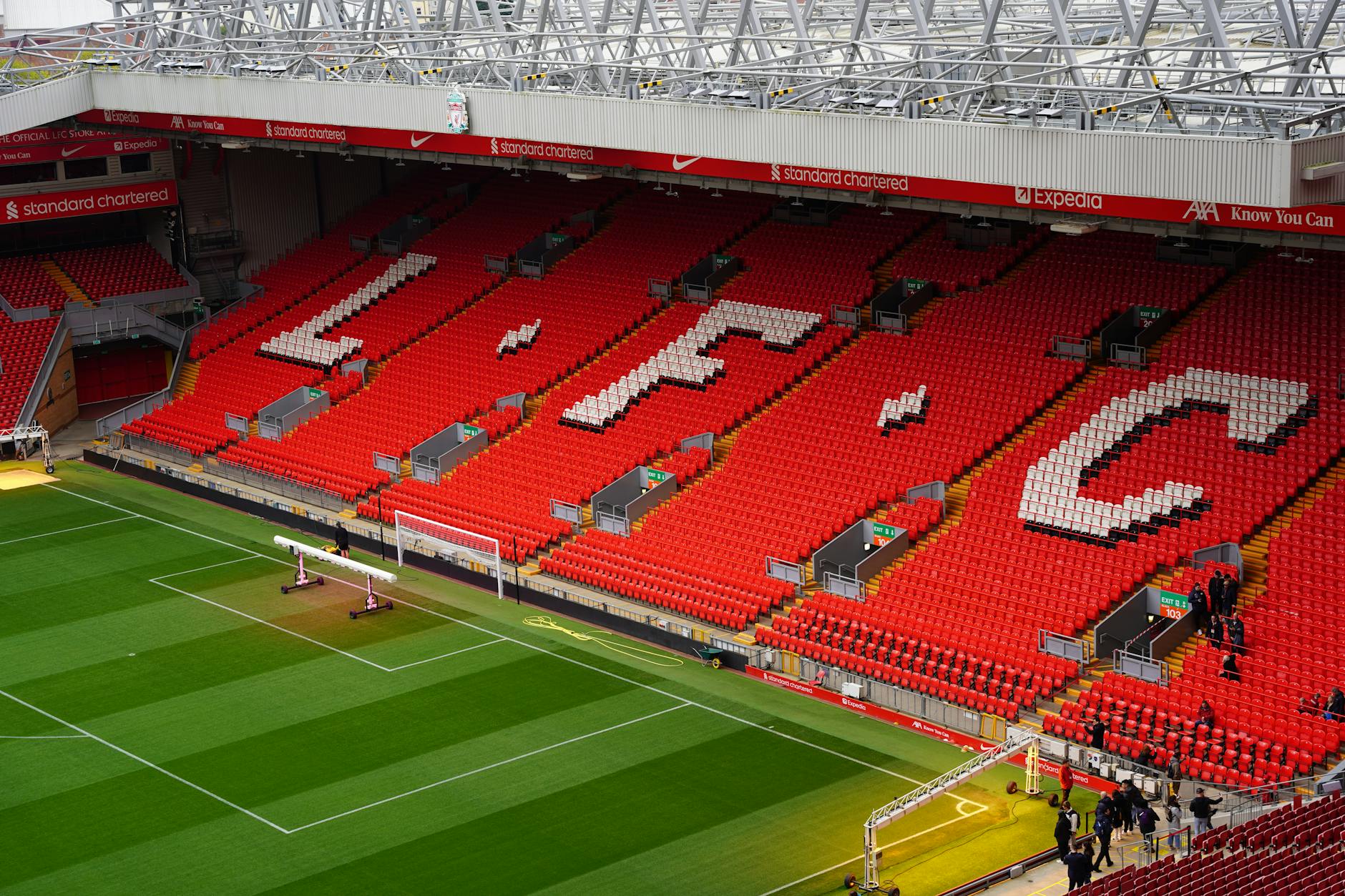
Anfield is more than a football ground — it’s a place of genuine pilgrimage for football fans from around the world. The stadium has been Liverpool FC’s home since 1892 and has undergone significant redevelopment in recent years, with the expanded Anfield Road Stand increasing capacity to over 61,000 while preserving the atmosphere that makes this one of the most intimidating venues in European football.
The Anfield Stadium Tour
The Liverpool FC Stadium Tour is one of the best football experiences in the country. The tour covers the areas of the ground that are normally reserved for players, managers, and media on matchdays, and the club’s tour pages give the running time when you book. Highlights include walking through the players’ tunnel, touching the famous “This Is Anfield” sign that has been a ritual for Liverpool players since the days of Bill Shankly, sitting in the manager’s dugout, visiting the home and away dressing rooms, and standing pitchside to take in the scale of the Kop.
The tour is enhanced by a multimedia handset that provides audio commentary, archive footage, and stories from former players, making it genuinely informative rather than just a walk around an empty stadium. Knowledgeable guides are on hand throughout to answer questions and share anecdotes that bring the history to life.
Tours run on matchdays as well as non-matchdays, and the booking calendar shows the times available on your date. Adult tickets are £26 when booked in advance, with concessions available and more to pay on the day. Booking in advance online is strongly recommended, particularly during school holidays and weekends when tours frequently sell out. The tour includes entry to the Liverpool FC Museum, which we cover in detail below.
Matchday Stadium Tours
For selected home matches, Liverpool FC offers a Matchday Stadium Tour that combines behind-the-scenes access with the electric atmosphere of a live game day. These premium experiences include pre-match access to the tunnel and pitchside areas while the ground is being prepared, followed by the opportunity to watch from exclusive vantage points as the teams warm up. Matchday tours cost a little more than standard tours (£28 for an adult booked in advance, against £26) but offer a unique perspective for fans who want to experience Anfield at its most intense.
The Liverpool FC Museum
The LFC Museum, located within Anfield, is an interactive exhibition covering the club’s history since its formation in 1892. The centrepiece is the trophy room, which houses all six European Cups (Champions League trophies), along with league titles, FA Cups, League Cups, and the FIFA Club World Cup. The collection is genuinely staggering — few clubs in world football can display a trophy cabinet of this scale.
Beyond the silverware, the museum features interactive exhibits that allow visitors to test their football knowledge, relive great matches through archive footage, and explore themed galleries covering different eras of the club’s history — from the Shankly revolution through the Paisley dynasty, the Dalglish years, the Istanbul miracle, and the modern Klopp era. The museum is included with stadium tour tickets or can be visited independently.

Everton FC and the New Waterfront Stadium
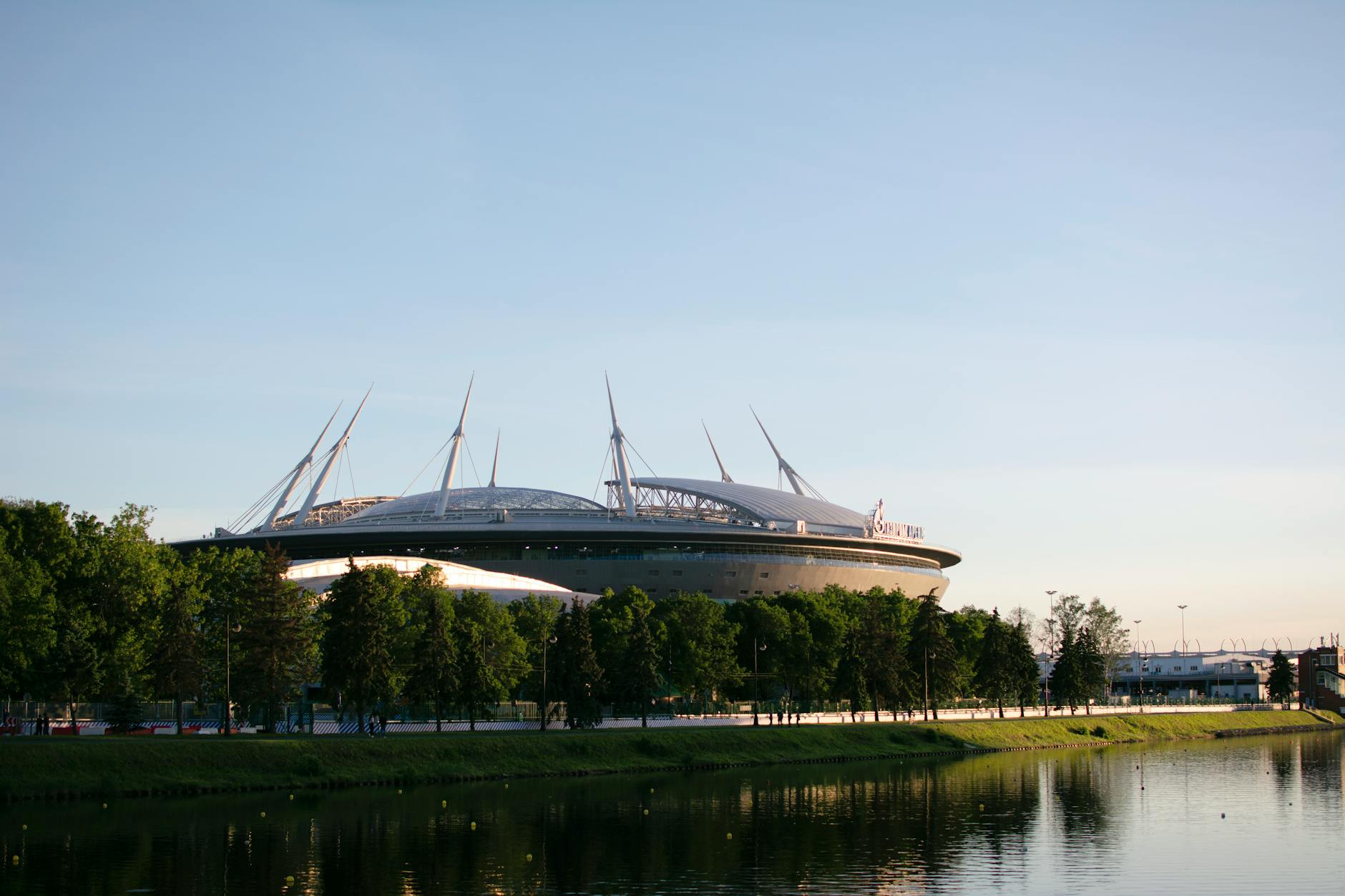
Everton’s move from Goodison Park to the Hill Dickinson Stadium at Bramley-Moore Dock represents one of the most significant developments in English football. The new stadium on Liverpool’s northern waterfront, which holds about 52,800, is a stunning piece of architecture that has instantly become one of the most impressive grounds in Europe.
The stadium sits on the banks of the River Mersey, with views across the water to the Wirral Peninsula. The design incorporates the heritage of the historic docklands while creating a modern, atmospheric stadium that has been designed to generate the kind of intense matchday atmosphere that Evertonians enjoyed at Goodison Park. The brick and steel exterior pays homage to the surrounding dock architecture, and the steep, close-to-the-pitch stands create an intimidating cauldron for visiting teams.
Everton Stadium Tours
The Hill Dickinson Stadium tour takes visitors behind the scenes of one of the newest and most impressive grounds in English football. The guided experience includes interactive storytelling that brings Everton’s history and the heritage of the Bramley-Moore Dock location to life, a tunnel walk with pitchside views and photo opportunities including a seat in the manager’s dugout, and panoramic views of Liverpool’s skyline from the South Stand City View.
Tours are fully accessible and open to all ages. Check the official Everton website for the latest tour schedules and booking information.
Goodison Park: A Farewell to History
Goodison Park, Everton’s men’s home from 1892 to 2025, holds a special place in English football history as one of the first major purpose-built football grounds in the world. While the men’s team has moved to the waterfront, Goodison Park lives on as the home of Everton Women, and its legacy runs through the memories of generations of Evertonians. The surrounding Walton area retains its strong Evertonian identity, and many of the traditional matchday pubs in the area continue to serve fans heading to and from the new stadium.
Getting Match Tickets
Securing tickets for Liverpool FC and Everton FC matches requires planning, particularly for high-profile fixtures. Here’s what visiting fans need to know.
Liverpool FC Tickets
Liverpool FC matches are among the most sought-after tickets in English football. General sale tickets are extremely difficult to obtain for Premier League matches — the club has a massive membership base and most tickets are allocated to members and season ticket holders. However, there are several options for visitors. To buy most men’s tickets you need a season ticket or a 2026/27 All Red membership: Full costs £42.99 a season, Junior £20.99 and Light normally £26.99, and each fixture has its own eligibility criteria. For the biggest matches, even membership doesn’t guarantee a ticket.
The most accessible route for visiting fans is the club’s official hospitality packages, which include premium seats, food and drink, and often access to lounges and former player appearances. These range from around £200 to over £500 per person depending on the package and the match. While expensive, they provide a guaranteed seat and a premium matchday experience.
Cup matches, particularly early rounds of the League Cup, are generally easier to obtain tickets for than Premier League fixtures. Third-party resale sites exist but carry risks — always use official channels where possible.
Everton FC Tickets
Everton FC tickets are generally more accessible than Liverpool FC tickets, though the move to the new stadium has increased demand significantly. The club operates a membership scheme that provides priority access to ticket sales. General sale tickets are sometimes available for less high-profile fixtures, particularly midweek matches and cup games. The official Everton website is the safest and most reliable place to purchase tickets. Hospitality packages are also available at the new stadium, offering premium experiences with food, drink, and enhanced matchday access.
The Matchday Experience

Before the Match
A Liverpool football tourism matchday should start well before kick-off. At Anfield, stadium gates typically open two hours before the match, and arriving at least 90 minutes early is recommended. This gives you time to visit the Hillsborough Memorial at the front of the Main Stand, browse the club shop, soak up the building atmosphere outside the ground, and find your seat with time to spare.
The pre-match atmosphere around Anfield is an experience in itself — the streets fill with fans, vendors sell scarves and programmes, and the noise builds steadily as kick-off approaches. Before kick-off, supporters sing “You’ll Never Walk Alone” — one of the most spine-tingling moments in world sport, and reason alone to arrive early.
Getting to the Stadiums
For Anfield, public transport is the recommended option. The main bus routes are the 26 from Liverpool ONE bus station, the 17 from Queen Square bus station, and the 917 express service that runs directly to the stadium on matchdays from Commutation Row, near Lime Street. The nearest Merseyrail stations are Sandhills and Kirkdale on the Northern Line, both approximately a 30-minute walk from the ground. Driving is possible but parking near the stadium is very limited and street parking restrictions apply on matchdays.
For Everton’s Hill Dickinson Stadium at Bramley-Moore Dock, the waterfront location is accessible via Sandhills station on Merseyrail’s Northern Line, which is a short walk from the ground. Bus services run from the city centre, and you can walk it too: allow around 35 minutes from the city centre, depending on where you start. Limited matchday parking is available but must be pre-booked.
Best Football Pubs in Liverpool
The pre-match pub is an essential part of Liverpool football tourism culture, and the city has some of the best football pubs in England.
Pubs Near Anfield
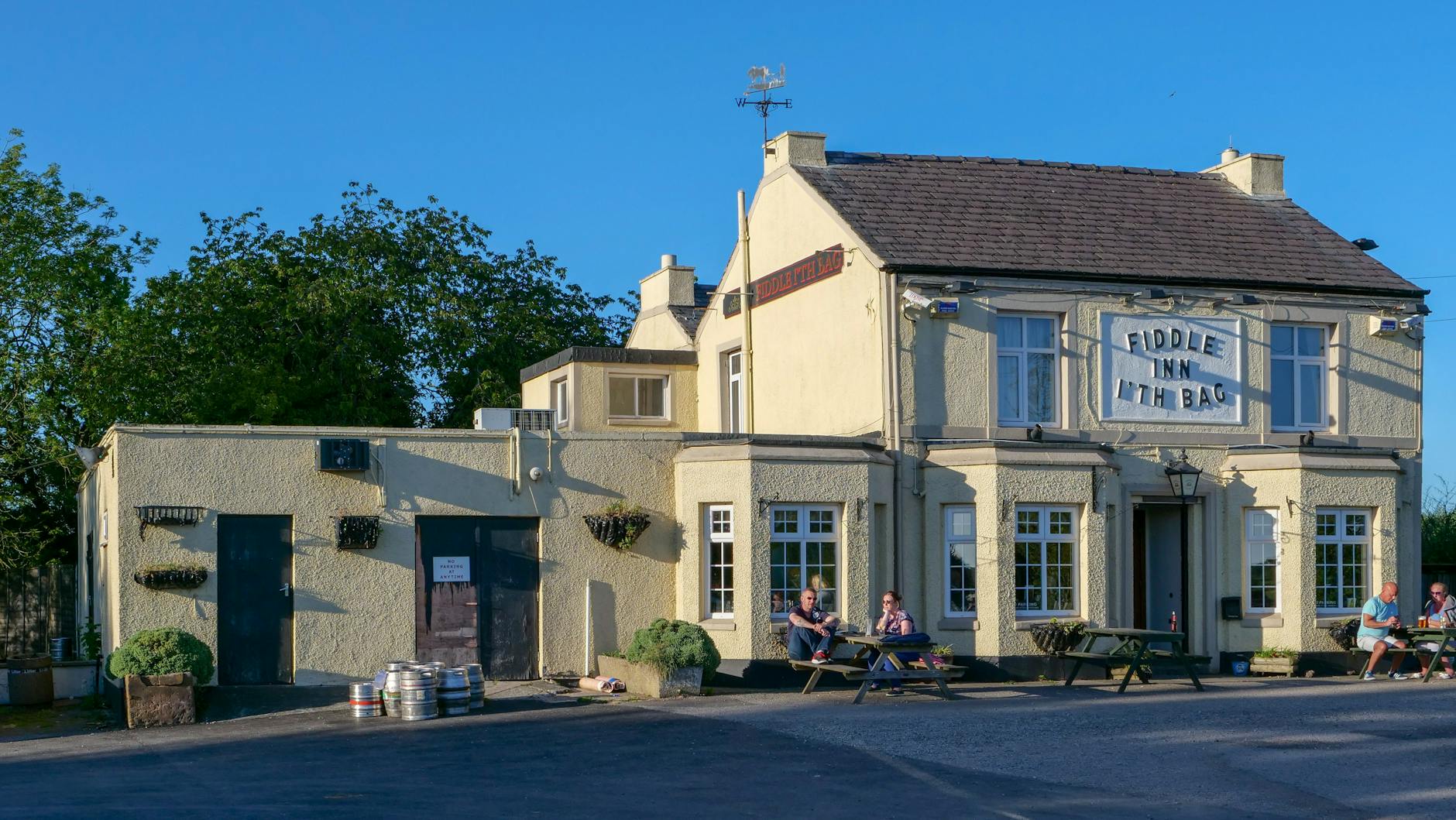
The Sandon — Known as the “birthplace of Liverpool FC,” The Sandon is where the club was founded in 1892 after a dispute between John Houlding and Everton. It sits just three minutes from the stadium and opens three hours before kick-off on matchdays. The atmosphere is electric, the history is unbeatable, and it’s the most iconic pre-match destination in Liverpool.
The Albert — Two minutes from Anfield, The Albert is famous for hosting club legends before matches, including Bruce Grobbelaar and John Aldridge. Live music, a great selection of beers, and a buzzing matchday atmosphere make it a favourite among regular match-goers.
Taggy’s Bar & Beer Garden — Situated on Anfield Road, Taggy’s has become increasingly popular with supporters. The beer garden is spacious, live music often includes Jamie Webster performing Kop classics, and a large outdoor screen shows the match for those without tickets.
The Flat Iron — A traditional pub at 377 Walton Breck Road. A favourite among locals with a traditional pub atmosphere and plenty of live sport coverage.
The Park — Opposite The Albert, The Park offers a great matchday atmosphere and views of the ground from the window — you can see Anfield while having your pre-match pint.
City Centre Football Bars
If you’re watching Liverpool football tourism from the city centre rather than attending a match, several excellent pubs show live football with great atmosphere. McCooley’s on Mathew Street is popular with Liverpool fans, while The Dispensary on Renshaw Street and Camp and Furnace in the Baltic Triangle both show matches on big screens. For a more upmarket viewing experience, several bars in Liverpool ONE and around Concert Square show matches with food and drink packages.
The Hillsborough Memorial
No guide to Liverpool football tourism would be complete without acknowledging the Hillsborough disaster and its profound impact on the city. On 15 April 1989, a crush at Sheffield Wednesday’s Hillsborough stadium during the FA Cup semi-final against Nottingham Forest led to the deaths of 97 Liverpool fans, some of whom died later from their injuries. The disaster, and the subsequent decades-long campaign for justice, is deeply woven into Liverpool’s identity — not just as a football city, but as a community.
The Hillsborough Memorial at the front of Anfield’s Main Stand features the names of all 97 victims surrounding an eternal flame. It is a place of genuine reflection and respect, and visiting fans are welcome to pay their respects. The memorial was relocated to its current prominent position during the Main Stand redevelopment in 2016.
A second memorial, the Hillsborough Monument, stands in St John’s Gardens on William Brown Street in the city centre. Created by sculptor Tom Murphy, it was installed after a campaign highlighted the need for a memorial visible to everyone in the city, not just those visiting Anfield. Both stand outdoors and are important sites for understanding the depth of feeling that football generates in Liverpool.
Stanley Park: Between the Two Grounds
Stanley Park sits between Anfield and Goodison Park, now home to Everton Women, making it a unique space in English football — a park shared by two rival football communities. The Victorian park is beautifully maintained, with ornamental gardens, a lake, a cafe, and walking paths. On matchdays, it provides a pleasant route between the stadium and surrounding areas, and on non-matchdays it’s a peaceful green space that happens to sit in the shadow of one of the world’s most famous stadiums.
The park is also home to the Isla Gladstone Conservatory, a restored Victorian glasshouse that hosts events and is a lovely spot for a pre-match coffee or post-match debrief. Stanley Park provides a welcome reminder that the Anfield area has more to offer than just football, though you’d be forgiven for thinking otherwise on a Saturday afternoon.
Football History Beyond the Stadiums
Liverpool’s football heritage extends well beyond the two stadiums. The Museum of Liverpool at Pier Head has permanent galleries dedicated to the city’s football culture, covering both clubs and exploring how football has shaped Liverpool’s identity. The exhibits include matchday memorabilia, fan culture, the rivalry between Liverpool and Everton, and the role of football in the wider social history of the city.
The streets around Anfield contain numerous murals and artworks celebrating Liverpool FC’s history, players, and moments. The area has seen significant regeneration in recent years, and walking tours that combine football history with the social history of the neighbourhood are available. For those interested in the wider story of how football shaped this city, these tours provide fascinating context that a stadium tour alone cannot offer.
For visitors combining football with broader sightseeing, Liverpool offers an extraordinary range of things to do beyond the beautiful game, from its Beatles heritage to its world-class museums and galleries.
Planning Your Liverpool Football Tourism Trip
Best Time to Visit
The Premier League season runs from August to May, with matches typically on Saturdays at 3pm, though television scheduling means games are spread across Saturday, Sunday, and occasionally midweek evenings. The football calendar is busiest during the Christmas and New Year period, with its packed festive schedule, and during the spring run-in when the title race and relegation battles intensify.
For Liverpool football tourism outside of matchdays, stadium tours run throughout the year around fixtures, events and a few closure days, so check the booking calendar before you travel. Summer is the quietest period for football-related tourism, though pre-season friendlies in late July and August can offer a more accessible entry point for fans who struggle to get competitive match tickets.
Where to Stay
For matchday convenience, staying in the city centre is the best option — good transport links to both Anfield and the waterfront stadium make it easy to reach either ground. The Albert Dock and waterfront area places you close to Everton’s new stadium, while hotels near Lime Street station offer quick bus connections to Anfield. For detailed accommodation recommendations, see our where to stay guide.
Combining Football with Liverpool Sightseeing
A perfect Liverpool football tourism weekend might include a stadium tour on Friday or Saturday morning, a matchday experience in the afternoon, and a Sunday spent exploring the city’s other attractions — the waterfront, the Beatles sites, the cathedrals, and the excellent restaurant scene. Liverpool is compact enough that you can fit a surprising amount into a short trip, and the city’s other attractions are genuinely world-class rather than afterthoughts for non-football companions.
For visitors looking for family-friendly options alongside football, our Liverpool with kids guide covers the best activities for younger fans. And for those watching the budget, our dining guides cover everything from matchday food options to fine dining.
Frequently Asked Questions
Can You Visit Anfield Without Watching a Match?
Yes. Anfield Stadium Tours run on most days of the year, including a Matchday Stadium Tour on home matchdays; availability depends on fixtures and events, and there are no tours on Christmas Day, New Year’s Day or 15 April, the Hillsborough anniversary. Check the booking calendar for times and for museum entry on your date. You don’t need a match ticket to visit — the tour and museum are standalone experiences that provide a full behind-the-scenes look at one of the world’s great football stadiums.
How Do I Get Liverpool FC Match Tickets?
The most reliable route is through official Liverpool FC channels. An All Red membership (Full £42.99 a season, Junior £20.99, Light normally £26.99) opens up member ticket sales, subject to each fixture’s eligibility criteria. Hospitality packages guarantee a seat but are significantly more expensive. Cup matches and less high-profile fixtures are generally easier to obtain tickets for than Premier League games. Avoid unofficial resale sites where possible — tickets purchased from touts or unauthorised sellers risk being cancelled at the gate.
Can You Visit Both Stadiums in One Day?
Yes, it’s possible to do both stadium tours in a single day, though it makes for a long day. A morning tour at one ground and an afternoon tour at the other, with lunch in between, is a realistic schedule for dedicated football tourists. Check both clubs’ websites for tour availability and book in advance.
Is Liverpool or Everton Easier to Get Tickets For?
Generally, Everton tickets are more accessible than Liverpool FC tickets, particularly for league matches. However, the move to the new stadium has increased demand for Everton, and high-profile fixtures against top-six opponents sell out quickly for both clubs. For the best chance of attending a match, target midweek fixtures, early cup rounds, or consider hospitality packages.
What Should I Wear to a Liverpool or Everton Match?
Wear your team’s colours with pride if you’re supporting the home side. If attending as a neutral, casual clothing is fine — there’s no dress code. Liverpool’s weather is famously unpredictable, so layers and a waterproof jacket are sensible regardless of the forecast. Comfortable shoes are essential, particularly if you’re walking to the stadium from public transport stops.
The Liverpool-Everton Derby
The Merseyside Derby between Liverpool and Everton is one of the oldest and most fiercely contested rivalries in English football, with the first competitive meeting between the two clubs taking place in 1894. Unlike many English derbies, the Merseyside Derby has a distinctive character — while the rivalry is intense on the pitch, the two sets of fans have historically shared a closer relationship off it. Families in Liverpool are frequently split between the two clubs, and it’s common to find red and blue scarves hanging in the same household.
That said, derby day is electric. The atmosphere inside whichever stadium hosts the match is ferocious, the tackles are committed, and the result matters enormously to both sets of supporters. For visiting football tourists, attending a Merseyside Derby is the ultimate Liverpool football tourism experience, though tickets are among the hardest to obtain for either club. If you can secure one, it’s a day you’ll never forget.
Liverpool’s Football Heritage Trail
Beyond the stadiums, Liverpool’s streets are filled with football history waiting to be discovered. A self-guided football heritage trail might include the following stops, all accessible on foot or by short bus rides from the city centre.
The Shankly Hotel — Located on Victoria Street in the city centre, this hotel is a tribute to Bill Shankly, the legendary manager who transformed Liverpool FC from a second-division side into one of Europe’s greatest clubs. The hotel houses an extensive collection of Shankly memorabilia, and fans are welcome to visit the exhibition areas even without staying. The Shankly also has a rooftop bar with views across the city.
Bill Shankly Statue — Standing outside the Kop at Anfield, the statue of Shankly with arms outstretched bears his famous inscription: “He made the people happy.” It’s one of the most photographed spots in Liverpool football tourism and captures the spirit of the man who defined the club’s identity.
The Dixie Dean Statue — Located outside Goodison Park, this statue commemorates arguably the greatest goalscorer in English football history. Dean scored 60 league goals in the 1927-28 season, a record that has stood for almost a century and may never be broken.
Bob Paisley Statue — Also at Anfield, this statue honours the quiet, unassuming manager who won three European Cups. Paisley’s achievements are often overshadowed by those of Shankly and more recent managers, but his trophy haul is extraordinary.
Anfield Murals — The streets surrounding Anfield are decorated with murals celebrating the club’s history, players, and moments. These artworks have transformed the neighbourhood and provide excellent photo opportunities for visiting fans. Look out for the Jürgen Klopp mural near the ground.
Women’s Football in Liverpool
Liverpool football tourism isn’t limited to the men’s game. Liverpool FC Women compete in the Women’s Super League and play selected home matches at Anfield and regularly at their training facility. Everton Women compete at the same level and have played at Goodison Park since 2025. Women’s football matches offer a more accessible and affordable matchday experience, with tickets typically priced significantly lower than men’s fixtures. The atmosphere is family-friendly and the quality of football has risen dramatically in recent years, making women’s matches an excellent option for football tourists who want a live match experience without the difficulty and expense of securing men’s Premier League tickets.
Matchday Food Around the Stadiums
The matchday food scene around Anfield has improved significantly in recent years. Inside the stadium, food options include pies, burgers, hot dogs, and the usual football ground fare. Outside, street food vendors set up around the ground on matchdays, offering everything from loaded fries to gourmet burgers. The Arkles pub on Anfield Road serves a full food menu on matchdays, and Taggy’s Bar has its own food offering.
For something more substantial, the Anfield area has several takeaways and casual eateries that cater to the matchday crowd. If you’re arriving early from the city centre, eating before heading to the ground gives you more options — Bold Street’s diverse restaurants and the Albert Dock’s waterfront eateries are both excellent pre-match dining options that are easy to reach before catching the bus to Anfield.
At the Hill Dickinson Stadium, the waterfront location means food options are developing rapidly around the new ground, with several new restaurants and street food outlets opening in the Bramley-Moore Dock area since the stadium opened.
Complete Liverpool Football Tourism Guides
- Anfield Stadium Tour: Complete Visitor Guide & Tips
- How to Get Liverpool FC Match Tickets as a Tourist
- Anfield Match Day Experience: A First-Timer’s Guide
- Everton FC Stadium Tour: Hill Dickinson & Goodison Guide
- Best Football Pubs in Liverpool on Match Day
- Liverpool FC Museum & Anfield History Tour
- The Kop & Liverpool FC Fan Culture
- Merseyside Derby: Liverpool vs Everton Visitor Guide