This article contains advertising. Our booking links are routed through a partner that adds commission tracking automatically, so if you book through one we earn a commission from the provider, at no extra cost to you. It never affects what we recommend. Affiliate disclosure
Liverpool on a budget is not only possible — it’s one of the best ways to experience the city. Unlike many major UK destinations where free attractions feel like afterthoughts, Liverpool’s best experiences genuinely cost nothing. The city has more free museums and galleries than anywhere in England outside London, a spectacular waterfront you can explore for hours without spending a penny, and a food scene where excellent meals can be had for under £10. Planning a trip to Liverpool on a budget has never been easier. Whether you’re a student, a backpacker, or simply a traveller who’d rather spend money on experiences than overpriced tourist traps, Liverpool rewards budget-conscious visitors with an extraordinarily rich experience.
This guide covers everything you need to visit Liverpool on a budget — from free attractions and cheap eats to affordable accommodation, transport savings, and insider tips that will help you get the most from your trip without breaking the bank.
Free Attractions in Liverpool
Liverpool on a budget starts with the city’s remarkable collection of free attractions. The sheer quality and quantity of free things to do here is genuinely exceptional, making Liverpool on a budget a rewarding experience from the very first hour.
Free Museums and Galleries
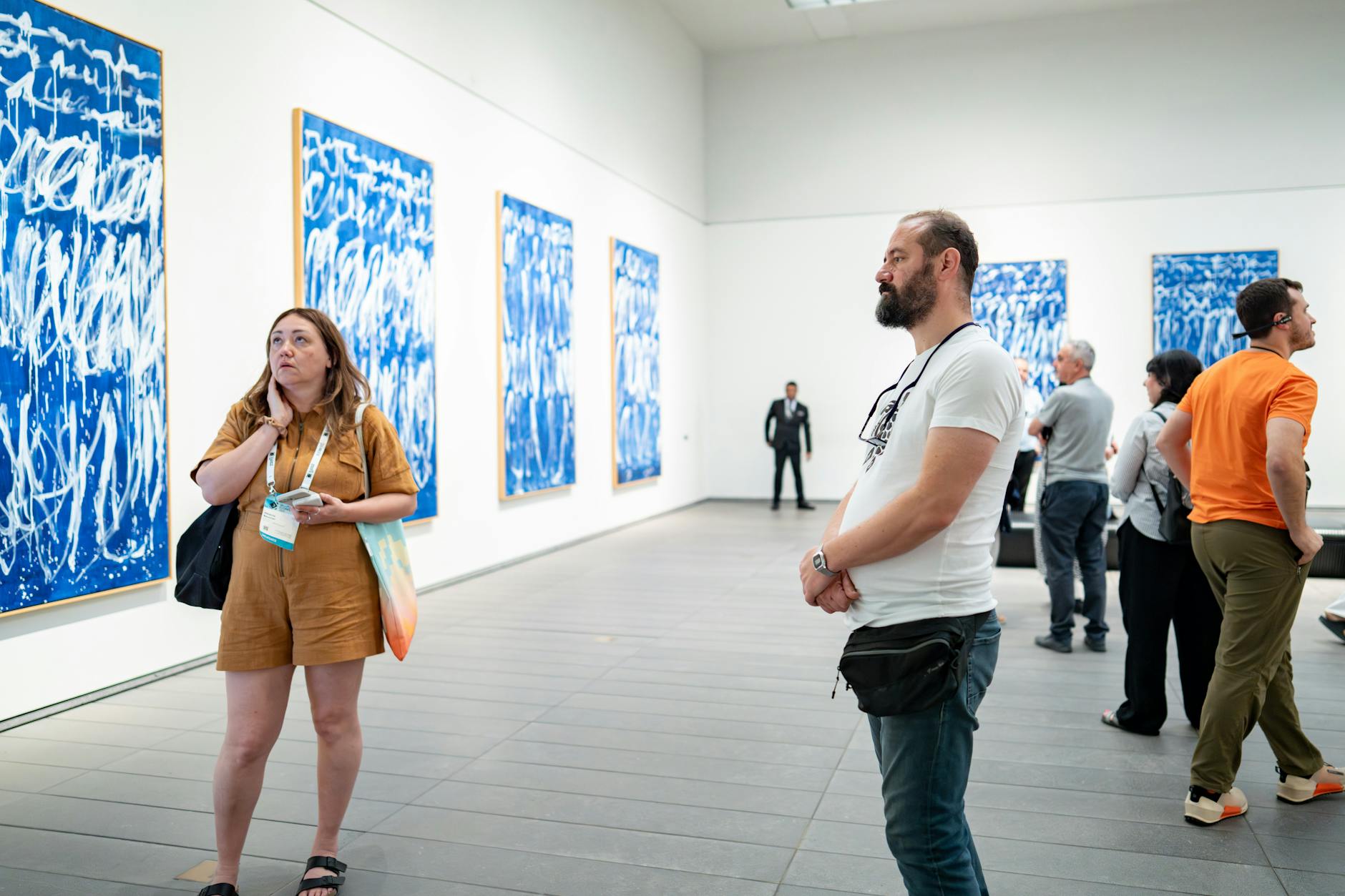
National Museums Liverpool operates eight venues across the city, all completely free to enter. These aren’t small, token museums — they’re world-class institutions that would charge £15-£20 admission in most other cities. The highlights include the World Museum, with its natural history galleries, planetarium, and Egyptian mummies; the Museum of Liverpool at Pier Head, which tells the city’s story through interactive exhibits; the Walker Art Gallery, home to one of the finest art collections in the country; and the Maritime Museum at Albert Dock, covering Liverpool’s maritime heritage. For more detail on all of these, see our museums and galleries guide.
Tate Liverpool at Albert Dock showcases modern and contemporary art and is also free, with charges only for major temporary exhibitions. The Open Eye Gallery on the waterfront, dedicated to photography, is another excellent free venue that often features thought-provoking exhibitions.
The Waterfront
Liverpool’s UNESCO-listed waterfront is one of the most impressive urban landscapes in Britain, and exploring it costs absolutely nothing. The walk from the Museum of Liverpool past the Three Graces (the Royal Liver Building, the Cunard Building, and the Port of Liverpool Building), along to Albert Dock and beyond is spectacular — especially at sunset when the buildings glow against the river.
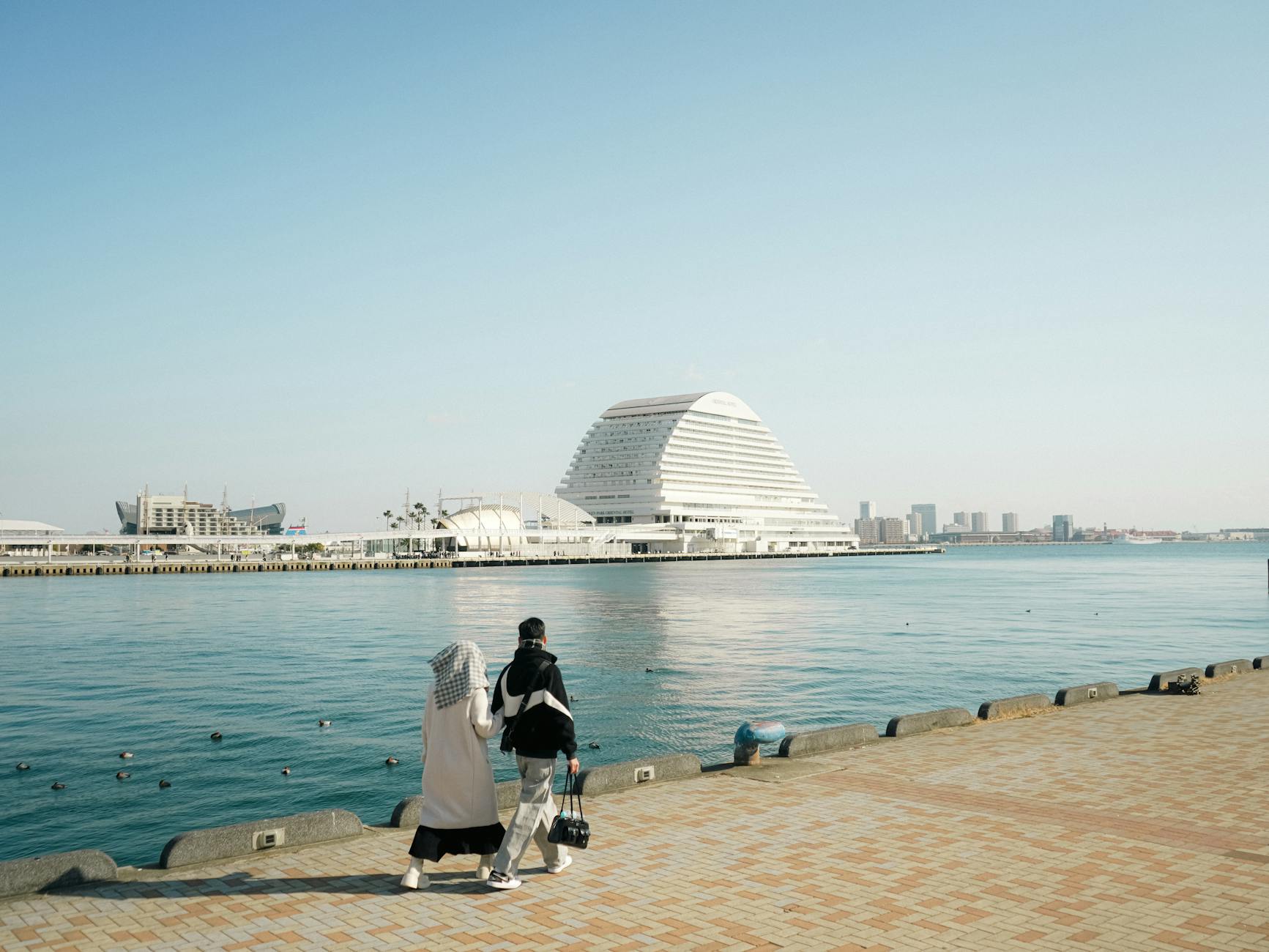
Albert Dock itself is free to wander — the converted Victorian dock warehouses are home to shops, restaurants, and several of the free museums mentioned above. The atmosphere, particularly on a sunny day, is wonderful, and you can easily spend half a day here without spending anything.
The Cathedrals
Liverpool has two cathedrals, both free to enter, and both worth visiting regardless of your religious beliefs. The Anglican Cathedral is the largest cathedral in Britain and the fifth largest in the world — the scale is genuinely breathtaking when you step inside. The Metropolitan Cathedral, known locally as “Paddy’s Wigwam” for its distinctive conical shape, features stunning stained glass and a dramatically different architectural style. Walking between the two along Hope Street takes about 15 minutes and passes some of the city’s best Georgian architecture.
Beatles Sites (Free)
While the Beatles Story museum at Albert Dock charges admission, many of the most iconic Beatles sites in Liverpool are completely free to visit. You can walk down Mathew Street and see the Cavern Club exterior, pose with the John Lennon statue on Mathew Street, visit Penny Lane and see the shelter and barber shop immortalised in the song, photograph the gates at Strawberry Field, and view the exteriors of John Lennon’s childhood home on Menlove Avenue and Paul McCartney’s on Forthlin Road. A self-guided Beatles walking tour using a free app or printed map costs nothing and covers the main city centre sites. For the full Beatles experience, see our Beatles Liverpool guide.
Parks and Green Spaces
Liverpool’s parks are among the best in any English city, and all are completely free. Sefton Park in the south covers 235 acres and features adventure playgrounds, a boating lake, and the stunning Palm House conservatory (free entry). Calderstones Park offers a beautiful walled garden and ancient stone circle. Princes Park and Stanley Park (between Anfield and the former Goodison Park) are both excellent Victorian parks with lakes, gardens, and walking paths.

Street Art and Architecture
Liverpool’s street art scene has exploded in recent years, turning the city into a free open-air gallery. The Baltic Triangle is the epicentre, with enormous murals covering the sides of former warehouses and industrial buildings — look for works by internationally recognised artists alongside emerging local talent. Jamaican Street, Jamaica Street, and the surrounding lanes are particularly rich in constantly evolving artwork. The Banksy “Love Plane” piece on Rumford Street attracted international attention, and while street art is transient by nature, there’s always something new to discover.
Liverpool’s architectural heritage is equally impressive and entirely free to admire. The city has more listed buildings than any English city outside London, spanning Georgian terraces in Rodney Street (the “Harley Street of the North”), grand Victorian commercial buildings in the Commercial District, and Art Deco gems like the Philharmonic Dining Rooms pub on Hope Street — whose extraordinary interior of ornate tiles, stained glass, and carved mahogany is worth seeing even if you don’t buy a drink. St George’s Hall on Lime Street is one of the finest neoclassical buildings in Europe, and its exterior can be appreciated at any time. Walk through the Victoria Gallery and Museum at the University of Liverpool for another free cultural stop with impressive Victorian Gothic architecture.
The Central Library
Liverpool Central Library on William Brown Street reopened after a stunning £50 million renovation and is one of the most beautiful public buildings in the city. The Picton Reading Room is a magnificent circular Victorian reading room that feels like something from a film set. The Hornby Library houses rare books and manuscripts in gorgeous oak-panelled surroundings. There’s a rooftop terrace with panoramic views across Liverpool’s skyline — all completely free to access. It’s also an excellent place to rest, charge your phone, use free Wi-Fi, and plan the rest of your day.
Cheap Eats in Liverpool
Liverpool on a budget doesn’t mean going hungry — the city has an outstanding range of affordable restaurants, street food vendors, and market stalls where excellent food costs a fraction of what you’d pay in London or other major cities.

Best Budget Restaurants
Bold Street is the epicentre of budget dining in Liverpool. This diverse street is packed with independent restaurants offering cuisines from around the world at genuinely affordable prices. Bakchich serves outstanding Lebanese street food with mains from around £8. Mowgli Street Food, founded by Nisha Katona MBE, offers Indian street food dishes from £5-£8 — the tiffin boxes are particularly good value. Down The Hatch serves vegan junk food with a two-course deal for £15 on weekday afternoons.
Berry Street and Chinatown offer some of the cheapest meals in the city. Big Bowl on Berry Street is famous for enormous portions of Chinese food at very reasonable prices. Chop Chop on Fenwick Street serves generous chicken and rice bowls for under £10, with soup ramen from £5.50.
American Pizza Slice on Bold Street does exactly what the name suggests — large, New York-style pizza slices from around £3. It’s the perfect quick, cheap lunch when you’re exploring the city centre.
Food Markets and Halls
The GPO Food Hall on Victoria Street is excellent for budget dining, with a lunch deal offering one food item and one drink for just £6 from various vendors. The Baltic Market in the Baltic Triangle hosts rotating street food traders with dishes from various cuisines, many under £8. Liverpool’s various weekend markets also offer affordable street food alongside fresh produce and artisan goods.
Supermarket and Meal Deal Tips
For the most budget-conscious visitors, Liverpool city centre has multiple supermarkets including Tesco, Sainsbury’s, and Lidl where meal deals cost £3-£5. Picnicking in one of the city’s parks or on the waterfront is a genuinely pleasant way to eat cheaply — buy supplies and enjoy your lunch with a view of the Mersey. For comprehensive dining recommendations across all budgets, see our food and dining guide.
Budget Breakfast and Coffee
Starting your day cheaply in Liverpool is easy. The Filter + Fox cafe chain does excellent coffee and simple breakfast items at reasonable prices. Moose Coffee on Dale Street and Ranelagh Street is a Liverpool institution serving enormous North American-style breakfasts — portions are huge, so one meal can easily last you until a late lunch. Expect to pay around £8-£12 for a substantial breakfast that will genuinely fill you up for hours.
For the cheapest possible breakfast, Greggs and Pound Bakery have multiple city centre locations with hot breakfast deals from under £3. The cafes inside National Museums Liverpool venues offer decent coffee and snacks at reasonable prices, and you can combine breakfast with an early museum visit. If you’re staying in a hostel with kitchen facilities, buying bread, eggs, and milk from a nearby supermarket is the most economical option — a week’s worth of breakfasts for the price of one cafe meal.
Budget Dinner Tips
Many of Liverpool’s restaurants offer significant savings on pre-theatre and early evening menus. Restaurants along Hope Street, Castle Street, and the waterfront frequently offer two or three courses for a fixed price between 5pm and 7pm — check individual restaurant websites or look for boards outside. The Bombed Out Church on Berry Street regularly hosts evening food markets with street food vendors offering generous portions at street food prices. IKEA on the waterfront in Docklands isn’t a restaurant recommendation you’ll find in many travel guides, but their cafe serves hot meals from around £3 — and the free parking makes it convenient if you’re driving.
Budget Accommodation

Hostels
For anyone visiting Liverpool on a budget, hostels are the smartest accommodation choice. Liverpool has a good selection with dorm beds available from as little as £10-£15 per night. YHA Liverpool Albert Dock has a prime waterfront location and is one of the most popular budget options, with a cafe-bar, 24-hour reception, and excellent common areas. Hatters Hostel on Mount Pleasant is centrally located with both dorm and private rooms at competitive prices. Kabannas on Mathew Street, the former Euro Hostel, offers dormitories and private rooms with en-suite bathrooms.
Budget Hotels
Liverpool’s budget hotel scene is competitive, which is good news for visitors. Premier Inn and Travelodge both have multiple locations across the city, with rooms frequently available from £35-£50 per night if booked in advance. The Premier Inn at Albert Dock is particularly well-located for sightseeing. easyHotel Liverpool offers no-frills rooms from as little as £25 per night — basic but clean and central.
Money-Saving Accommodation Tips
Book well in advance, particularly for weekends and during major events like football matches, the Grand National, and festivals. Midweek stays are significantly cheaper than weekends. Avoid April and May (peak conference season) if possible. Consider staying slightly outside the city centre — areas like Toxteth and the Georgian Quarter offer lower prices while still being walkable to main attractions. For detailed accommodation advice, see our where to stay guide.
Alternative Budget Stays
Liverpool’s two main universities — the University of Liverpool and Liverpool John Moores University — offer their halls of residence as budget accommodation during summer vacation periods (typically late June to mid-September). Rooms are basic but clean, centrally located, and often significantly cheaper than hotels. Breakfast is sometimes included. Check university accommodation websites directly for availability and booking.
Airbnb and similar platforms offer private rooms and entire flats across Liverpool, often at prices that compete with or beat budget hotels, particularly for groups or longer stays. The Georgian Quarter, Toxteth, and areas around Smithdown Road offer particularly good value. For the cheapest Airbnb options, look at listings in L7 and L8 postcodes — these neighbourhoods are perfectly safe, increasingly trendy, and within walking or short bus distance of the city centre.
If you’re visiting during quieter periods (midweek, January-March), it’s worth checking luxury hotels for flash sales. Liverpool has an oversupply of hotel rooms relative to demand on quieter nights, and four-star hotels occasionally drop to budget prices to fill rooms. Apps like HotelTonight and LastMinute can surface these deals. You might end up staying in a boutique hotel for hostel prices.
Transport Savings
Walking
Liverpool’s city centre is remarkably compact and walkable. The walk from Lime Street station to Albert Dock takes about 15 minutes, and most of the city centre attractions — the waterfront, the cathedrals, Bold Street, the Cavern Quarter — are within a 20-minute walk of each other. Walking is not just the cheapest option for Liverpool on a budget travellers; it’s often the most enjoyable way to explore, as you’ll discover street art, hidden cafes, and architectural details that you’d miss on a bus.
Day Tickets
For attractions beyond walking distance — such as Sefton Park, Anfield, or suburban attractions — the Merseytravel Saveaway day ticket is exceptional value. For a single fixed price, you get unlimited bus, train, and ferry travel across Merseyside for the entire day. This is significantly cheaper than buying individual tickets, particularly if you’re planning to visit attractions in different parts of the city.
Getting to Liverpool Cheaply
Liverpool is well-connected by train, with direct services from London (approximately 2 hours 15 minutes), Manchester (45 minutes), Birmingham (1 hour 30 minutes), and many other cities. Advance train tickets booked early can be remarkably cheap — London to Liverpool for under £20 is achievable with advance booking. National Express and Megabus coaches are even cheaper, with fares sometimes available for under £10 from London, though journey times are longer.
Liverpool John Lennon Airport serves budget airlines including Ryanair and easyJet, with cheap flights from European cities. The airport is connected to the city centre by the 500 bus service (about 30 minutes) or the 80A bus — much cheaper than a taxi.
Free Events and Entertainment
Liverpool on a budget is enhanced by the city’s generous programme of free events throughout the year. The annual Africa Oyé festival in Sefton Park is the UK’s largest free celebration of African music and culture. The Liverpool International Music Festival (LIMF) features free stages alongside ticketed events. The Mersey River Festival offers free waterfront entertainment.
Throughout the year, free live music is available in venues across the city — many pubs and bars host live bands without a cover charge, particularly around Mathew Street, the Baltic Triangle, and the Georgian Quarter. Free walking tours of the city operate on a tips-based model, providing an excellent way to learn about Liverpool’s history without a fixed cost. For the full calendar of what’s on, see our events and festivals guide.
Budget Nightlife
Liverpool on a budget extends into the evening. Enjoying Liverpool on a budget doesn’t stop when the sun goes down. The city’s nightlife is significantly cheaper than London, Manchester, or Edinburgh, and there are plenty of ways to enjoy a night out without overspending.
Free live music: Liverpool’s live music heritage means free gigs are available almost every night of the week. The Cavern Club on Mathew Street hosts free lunchtime sessions (though there’s sometimes an evening cover charge). Bars across the Baltic Triangle, particularly around Jamaica Street, regularly host free live bands. The Philharmonic pub, Ye Cracke on Rice Street, and Peter Kavanagh’s on Egerton Street are characterful traditional pubs where a pint costs significantly less than in the tourist-focused Mathew Street bars.
Happy hours and deals: Many bars along Concert Square, Seel Street, and Bold Street offer happy hour deals between 4pm and 8pm, with cocktails frequently available at two-for-one or significantly reduced prices. Wetherspoons pubs (The Fall Well on Great Charlotte Street, The Richard John Blackler on Charlotte Row) offer the cheapest pint prices in the city centre. Student nights (usually Tuesdays and Wednesdays) offer discounted entry and drink prices at many clubs, even for non-students.
Pre-drinking: Like many British cities, having a drink or two at your accommodation before heading out is standard practice and saves significantly on bar prices. Off-licence shops and supermarkets in the city centre sell drinks at much lower prices than venues. For more nightlife options, see our nightlife guide.
Budget Day Trips from Liverpool
If you’re spending more than a couple of days visiting Liverpool on a budget, there are several worthwhile day trips that extend your Liverpool on a budget experience beyond the city centre.
New Brighton and the Wirral Coast: A Merseyrail train to New Brighton takes about 25 minutes and costs a few pounds. The seaside promenade, Fort Perch Rock, and views back across the Mersey to Liverpool’s skyline are excellent. The Black Pearl pirate ship — a full-sized ship sculpture on the beach made from driftwood — is a unique free attraction. Continue along the coast to the Port Sunlight Heritage Centre (free entry) to explore the model village built by the Lever Brothers for their soap factory workers.
Crosby Beach — Another Place: Antony Gormley’s “Another Place” installation features 100 cast-iron figures spread across Crosby Beach, staring out to sea. It’s completely free and utterly mesmerising, particularly at low tide or sunset when the figures emerge from the sand. Take the Merseyrail Northern Line to Blundellsands & Crosby station (about 20 minutes from the city centre).
Chester: A 45-minute train from Liverpool Lime Street, Chester offers free attractions including the remarkable Chester Rows (medieval two-tier shopping galleries), the city walls walk (the most complete Roman and medieval walls in Britain), and Chester Cathedral. Advance train tickets can be very cheap.
Sample Budget Itineraries
The Free Day
It’s entirely possible to spend a full day in Liverpool and not spend a single penny on attractions. Start at the Museum of Liverpool (free), walk along the waterfront past the Three Graces to Albert Dock (free), visit Tate Liverpool (free), explore the Cavern Quarter and Mathew Street (free), walk up to both cathedrals via Hope Street (free), and finish with a stroll through the Georgian Quarter. Bring a packed lunch or buy supermarket supplies for a waterfront picnic, and your only expense is transport to and from the city.
The £20 Day
With a budget of £20, you can add food and transport to a full day of free sightseeing. Spend £5 on a Saveaway day ticket for unlimited public transport, £8 on a street food lunch from Bold Street or the GPO Food Hall, £4 on a coffee and cake break at one of the city’s independent cafes, and still have £3 left for a pint at a traditional Liverpool pub at the end of the day.
The £50 Weekend
A two-day Liverpool on a budget break for £50 per person is achievable. Budget approximately £20-£25 for one night in a hostel dorm, £15-£20 for food across two days (using supermarkets, cheap restaurants, and market stalls), and £5-£10 for transport. All major museum and gallery visits are free, walking the waterfront and Beatles sites is free, and the cathedrals are free. It’s a genuinely outstanding city break for very little money.
Insider Money-Saving Tips
Free Wi-Fi: Liverpool city centre has extensive free Wi-Fi coverage, and all the major museums, libraries, and many cafes offer free internet access. The Central Library on William Brown Street is a stunning building worth visiting in its own right and provides free Wi-Fi and comfortable seating.
Student discounts: Liverpool is a major university city, and many attractions, restaurants, and bars offer student discounts. Carry your student ID and ask — you’ll be surprised how often a discount is available.
Happy hours: Many Liverpool bars and restaurants run happy hour deals, particularly on weekday evenings. Cocktail bars in the city centre frequently offer two-for-one deals between 5pm and 8pm.
Free guided tours: Several companies offer free walking tours of Liverpool on a pay-what-you-want basis. These are an excellent way to learn about the city’s history and architecture without committing to a fixed-price tour. Check the Visit Liverpool website for the latest options.
Off-peak timing: Visit on weekdays rather than weekends for cheaper accommodation and fewer crowds at attractions. January to March (excluding half term) is the cheapest period for hotels, though the weather is less reliable.
Liverpool Card: If you’re planning to visit several paid attractions, check whether the Liverpool City Card offers savings for your itinerary. It provides discounts on selected attractions, restaurants, and transport, and can represent good value for visitors planning a packed schedule.
Frequently Asked Questions
Is Liverpool Cheap to Visit?
Liverpool on a budget is very achievable. Compared to London, Edinburgh, or Bath, Liverpool is significantly cheaper for accommodation, food, and attractions. The extraordinary number of free museums and galleries means you can fill your days with world-class cultural experiences without spending anything. Food and drink are generally 30-40% cheaper than London prices.
What Are the Best Free Things to Do in Liverpool?
The World Museum, Museum of Liverpool, Walker Art Gallery, Maritime Museum, and Tate Liverpool are all free. The waterfront walk, both cathedrals, Sefton Park, the Beatles walking trail, and numerous street art murals are also completely free. For a complete list, see our things to do guide.
How Much Does a Weekend in Liverpool Cost?
A budget weekend in Liverpool can cost as little as £50-£80 per person (excluding transport to the city). A mid-range weekend with a decent hotel and restaurant meals typically costs £150-£250 per person. The range depends primarily on your accommodation choice and dining preferences — the attractions themselves are largely free.
Is Liverpool Walkable?
Yes, Liverpool’s city centre is very walkable. The main attractions — waterfront, museums, cathedrals, shopping, and nightlife — are all within a 20-minute walk of each other. The city centre is largely flat and increasingly pedestrianised. For suburban attractions like Sefton Park or Anfield, public transport or a short taxi ride is needed.
When Is the Cheapest Time to Visit Liverpool?
January to March (excluding school half-term weeks) offers the lowest hotel prices and fewest crowds. Midweek visits are consistently cheaper than weekends throughout the year. Avoid major event weekends — Grand National week (usually early April), major football matches, and festival weekends — when accommodation prices spike. November offers a sweet spot of reasonable weather, low prices, and the start of Christmas markets adding festive atmosphere.
Can You Visit Liverpool for Free?
Almost. Liverpool on a budget can stretch to nearly free if you bring your own food and walk everywhere. The museums, galleries, cathedrals, waterfront, parks, street art, architecture, and Beatles walking trail are all genuinely free. Your only unavoidable cost is transport to and from the city. No other British city offers such a depth of free cultural experiences.
Is Liverpool Safe for Budget Travellers?
Liverpool is generally safe for visitors, including solo travellers and those staying in budget accommodation. The city centre, waterfront, and main tourist areas are well-lit, well-policed, and busy throughout the day and into the evening. As with any city, exercise normal caution at night, keep valuables secure, and stick to well-lit streets. The areas around hostels and budget hotels in the city centre are perfectly safe for walking.
Do I Need Cash in Liverpool?
Most places in Liverpool accept contactless and card payments, including market stalls and small cafes. However, carrying a small amount of cash is useful for tips-based walking tours, some independent food vendors, and the occasional small shop that has a minimum card spend. ATMs are widely available throughout the city centre — use those inside banks or supermarkets to avoid withdrawal fees from independent ATM operators.
What’s the Best Area to Stay on a Budget?
For the cheapest accommodation with the best access to free attractions, the city centre around Dale Street, Victoria Street, and the waterfront area offers the widest choice of hostels and budget hotels within walking distance of everything. If you’re willing to stay slightly further out, the Georgian Quarter (around Falkner Street and Canning Street) has character-filled B&Bs and Airbnbs at lower prices, and it’s still only a 15-minute walk to Albert Dock. Smithdown Road in Wavertree is Liverpool’s student hub with very affordable rooms and great independent restaurants, connected to the city centre by frequent buses.
Final Thoughts
Liverpool on a budget is one of the best-value city breaks in Britain. The combination of world-class free museums, a stunning waterfront, iconic music and football heritage, affordable food, and genuinely cheap accommodation makes it possible to have an extraordinary trip for remarkably little money. Cities with this much cultural depth rarely come this cheap — London, Edinburgh, and Bath all cost significantly more for a comparable experience. Whether you’re planning a day trip, a weekend break, or a longer stay, Liverpool consistently delivers far more than you’d expect for the money. The city’s warmth and character are completely free, and those are often the things visitors remember most.
For the complete picture of everything Liverpool has to offer, start with our comprehensive things to do guide and explore our dedicated guides to Beatles Liverpool, football tourism, and food and dining for more detailed planning.
Complete Liverpool Budget Guides
The full set of articles in our Liverpool budget cluster: