This article contains advertising. Our booking links are routed through a partner that adds commission tracking automatically, so if you book through one we earn a commission from the provider, at no extra cost to you. It never affects what we recommend. Affiliate disclosure
A realistic backpacker’s budget for Liverpool in 2026 looks like this: £18-30 per night for a hostel dorm bed, £12-20 a day for food if you mix supermarket lunches with one cheap meal out, £3-8 a day for public transport, and £0-15 a day for activities given that most of the major museums are free. That’s a daily total between roughly £35 and £75 — Liverpool is one of the cheapest UK cities for backpackers, materially cheaper than Manchester, Edinburgh, or anywhere in the south. This complete backpacker’s guide to Liverpool covers the hostels worth booking, the cheap-eats routine that works, the transport hacks, the genuinely free activities that fill days, and the practical things solo travellers and budget travellers actually need to know.
Liverpool works particularly well for backpackers because the centre is compact and walkable, the free national museums are world-class, the local people are genuinely friendly to outsiders, and the hostel scene punches above its weight for a city this size. Most of what makes Liverpool worth visiting — the Beatles sites in the centre, the waterfront, the cathedrals, the museums, the live music, the pub culture — is either free or low-cost. The expensive bits (Anfield stadium tour, paid Beatles coach tours, premium restaurants) are easy to skip without missing the city itself. Visiting Liverpool on a budget is the default mode for most independent travellers, and backpacking is just the most concentrated version of that approach.
The Liverpool backpacker daily budget
The realistic 2026 daily budget for a backpacker in Liverpool, mid-range estimate, breaks down as follows. Accommodation in a hostel dorm: £18-30 per night (mid-week winter cheapest, weekend summer dearest). Food: £12-25 per day if you cook breakfast in the hostel, buy a £4-6 supermarket lunch, and eat one cheap meal out for £8-12. Transport: £3-8 per day depending on how much you walk versus take buses. Activities: £0-15 per day depending on whether you do anything paid that day. Drinks: £0-25 per day depending on whether you go out (a pint of beer in a Liverpool pub averages £4.50-5.50; a pint in a hostel bar £4-4.50).
That gives a low-end daily budget of around £35, a comfortable mid-range of £55, and a generous backpacker budget of £80 including a pub evening. For a five-day trip the realistic total comes out at £200-400 plus transport to and from Liverpool. Travellers from outside the UK should add costs for the train from London (£25-80 depending on advance booking) or the local train from Manchester Airport (£15-20). Our detailed Liverpool trip cost breakdown covers the full range from backpacker to luxury.
Best hostels in Liverpool for backpackers
YHA Liverpool Albert Dock
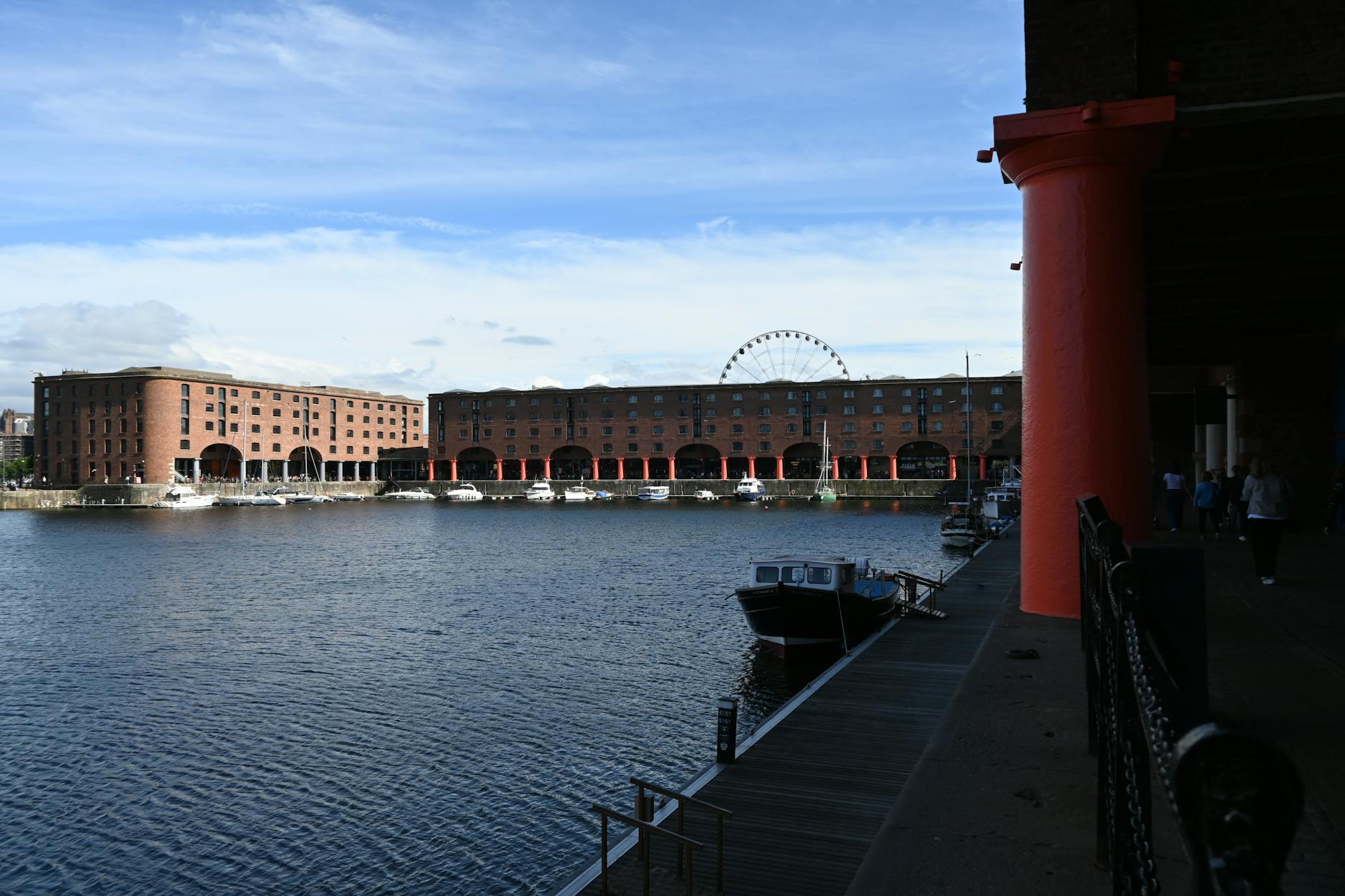
The four-star YHA on the Albert Dock is the obvious anchor of the Liverpool hostel scene. The location is unbeatable — directly on the waterfront, with the Beatles Story, the Museum of Liverpool, and the Mersey ferry terminal all within a five-minute walk. Dorm beds range from around £20 on quiet mid-week winter nights to £40+ on summer weekends and matchdays. YHA membership is not required but saves a few pounds on bookings.
Best for: travellers who want a polished, well-run hostel in a prime location and don’t mind paying slightly more than the budget end. Less party-heavy than some alternatives — the YHA is calm in the evenings, which some travellers value and others find dull.
Hatters Hostel Liverpool
Hatters on Mount Pleasant is the long-standing party hostel of Liverpool. It’s a five-minute walk from Lime Street station and ten minutes from both Liverpool ONE and the Cavern Quarter. Pub crawls, live music nights, and a generally social atmosphere are the draws. Dorm beds typically run £18-28. The building is older and the dorms more basic than the YHA, but the social side is much stronger — solo travellers tend to find Hatters easier for meeting people.
Best for: solo backpackers who want a social scene, group travellers who want to go out together every night, and anyone planning to use the hostel as a base for the Liverpool nightlife covered in our Liverpool nightlife guide.
Embassie Backpackers
Embassie is in the Georgian Quarter, on the edge of the city centre. It’s the original Liverpool backpacker hostel and has a fiercely loyal following among independent travellers who want something quirky and old-school rather than polished. The location — quiet Georgian streets near the Anglican Cathedral — is genuinely beautiful but a real walk from the action.
Best for: travellers who value character over slickness, Beatles fans, and anyone planning multiple days in Liverpool who doesn’t mind the daily walk into the centre.
Kabannas Liverpool (formerly Liverpool Stay)
Kabannas, a Polish-owned chain hostel, runs a Liverpool property in a renovated city-centre building. En-suite dorms, female-only dorm options, on-site café-bar. Dorm beds typically £20-35. The vibe is younger than Hatters and slightly more international than the YHA. Good location near the Cavern Quarter and Liverpool ONE.
Best for: travellers who want en-suite hostel bathrooms (which not all Liverpool hostels offer), women who specifically want female-only dorms, and anyone who values a cleaner, more contemporary aesthetic.
International Inn
An older, lower-budget option in the Ropewalks area. Dorm beds often available for £15-20 — the cheapest reliable beds in central Liverpool. The trade-off is a more basic facility and a less polished experience than the YHA or Kabannas. For travellers on a hard budget who just need a clean bed, this is the best value in the city.

Booking strategy for hostels
Book through Hostelworld or Booking.com — both have the same Liverpool hostels at virtually identical prices. Hostelworld is slightly better for reviews because they’re written by other backpackers; Booking.com is easier to cancel. For YHA Albert Dock specifically, book direct on the YHA website if you have membership; it’s marginally cheaper.
Mid-week nights in winter bring the cheapest dorm beds in Liverpool, while summer weekends and Liverpool FC matchdays push prices up sharply. Book at least a week ahead in summer and at least a month ahead for major event weekends — see our Liverpool events calendar for what to avoid if you want low prices.
Eating cheap in Liverpool
The cheapest sustainable food strategy in Liverpool combines hostel-cooked breakfasts, supermarket lunches, and one cheap meal out per day. Done properly this comes in at £12-18 a day. The detailed strategy:
Breakfast: cook it yourself
Every central hostel has a kitchen. Eggs, bread, butter, instant coffee, cereal, milk, and fruit for a five-day stay costs around £15-20 from any city-centre Tesco, Sainsbury’s, or Lidl. That’s £3-4 per day for a substantial breakfast. The alternative — café breakfast — runs £7-12 minimum. The Tesco Express on Hanover Street and the Sainsbury’s on Renshaw Street are both five minutes from most central hostels.
Lunch: meal deals and bakeries
The supermarket meal deal — a sandwich, a snack, and a drink for £3.50-4 — is the British backpacker’s lunch institution. Tesco, Sainsbury’s, and M&S Food all run versions. M&S meal deals cost a little more but are considerably nicer; Tesco’s, at £3.85 with a Clubcard or £4.25 without, is the budget standard. Greggs (multiple central branches) is the cheap-and-quick alternative — a sausage roll and a drink runs £2.50-3.50.
Dinner: where to actually eat cheaply
The realistic cheap-dinner options in Liverpool, most of them under £12 for a main meal:
- Maray (Bold Street): small-plates Middle Eastern restaurant with a £20.95 weekday lunch menu. More a treat than a budget meal, but solid quality.
- Bakchich (Bold Street): Lebanese wraps and platters, £6-9 for a filling lunch or dinner.
- Mowgli (Bold Street): Indian street food, with house curries from £6 to £11.20 (the chicken biryani is £15). Slightly more than budget end but worth the splurge once.
- Bento Boxes around the centre: ITSU and Wasabi both have central branches with chilled bento boxes for £5-7.
For a deeper dive into the budget restaurant scene see our cheap eats in Liverpool guide, which covers a longer list of under-£15-a-head options across the city.
Drinks: where backpackers actually drink
A pint of beer in a typical Liverpool city-centre pub costs £4.50-5.50 in 2026. Cheaper venues exist: Wetherspoon’s pubs (The Richard John Blackler on Charlotte Row, Lime Kiln on Fleet Street, others) sell pints around £3-4. The Caledonia near the Anglican Cathedral has reasonable prices. Cocktails at Concert Square bars typically run £8-10. Wine by the glass £5-7. For the full picture see the best bars in Liverpool guide.
Tip: some Liverpool pubs run “Happy Hour” deals, so ask at the bar before you order. Concert Square bars discount cocktails early in the evening.
Free things that fill backpacker days
The reason Liverpool works on a tight budget is the sheer volume of free things to do. The national museums that are open charge nothing for general entry, Liverpool Cathedral asks only for donations unless you climb the tower, and the waterfront and the parks are free. A realistic five-day Liverpool itinerary that costs under £10 in activity fees looks like this:
Day 1: Free walking tour of the city centre (tip £10-15), free entry to the Museum of Liverpool on the waterfront, Pier Head waterfront walk, evening pub crawl through Concert Square.
Day 2: Free Beatles walking tour (tip £10-15), self-guided Cavern Quarter, dinner on Bold Street.
Day 3: World Museum (free) and the Walker Art Gallery, Liverpool Cathedral (free entry, climb the tower for £8 if you want the view), Hope Street walk to the Metropolitan Cathedral.
Day 4: Mersey ferry across to Birkenhead (the cheapest version is the standard commuter ferry, £3-4 each way), Sefton Park and Lark Lane day out (free), live music venue in the evening (many free entry, some £5-10 cover).
Day 5: Free things from the free things to do in Liverpool guide — Albert Dock walk, Tate Liverpool’s free temporary space at RIBA North on Mann Island (two small RIBA displays while the dock gallery is redeveloped, with Tate due back at the Royal Albert Dock in 2027), Liverpool ONE shopping district (free to walk through). Anglican Cathedral exterior and grounds (free).
Total paid activity cost across five days: under £15. Total tips for free tours: £25-40. The rest of the trip cost is hostels, food, and drink.
Transport: how to get around on next to nothing
Liverpool’s centre is small enough to walk most places. The Albert Dock to Lime Street station is a 15-20 minute walk. Hope Street to the Cavern Quarter is walkable too, and almost everything a backpacker needs is within walking distance of central hostels.
For longer trips (Anfield, Sefton Park, the suburbs):
- Buses: Liverpool City Region caps an adult single bus fare at £2. Merseytravel’s Saveaway day ticket is worth comparing if you ride more than a couple of times; check Merseytravel’s site for current prices and what each ticket covers. Pay contactless on board.
- Trains (Merseyrail): short suburban trips around £3-4. The Wirral line under the river runs frequently and is the cheap way to do the “famous ferry across the Mersey” alternative — the underground train is a fraction of the price of the ferry.
- Mersey ferry (commuter): £3-4 each way for the standard service. The premium “River Explorer” cruise is much more expensive — backpackers want the standard ferry only.
- Taxis: black cabs and Uber both operate. A city-centre fare runs £6-10 typically. Splittable between three or four travellers, often cheaper than buses.
For Anfield specifically: the 26 from Liverpool ONE or the 17 from Queen Square runs straight to the ground (the 917 express from Commutation Row runs on match days only). Don’t pay for a taxi to Anfield for a stadium tour — the bus does the job. Match days are a different proposition (taxis can be useful) and our Anfield stadium tour guide covers the full transport options.
Saving on the Beatles experience
The Beatles tourist trail in Liverpool has free and paid layers. The free layer is genuinely substantial:
- Free Beatles walking tour of the city centre (tip-based, £10-15) — covers the Cavern Quarter, the bronze Beatles statue, the Eleanor Rigby statue, Mathew Street, the Jacaranda.
- Cavern Pub (across Mathew Street from the Cavern Club proper) — free entry, live music every day, starting in the evening on weekdays and earlier on Fridays and at weekends.
- Mathew Street area generally — free to walk.
- Pier Head bronze Beatles statue — free.
- The British Music Experience — paid (£20 online or £22 walk-up for an adult), but covers Beatles plus the rest of British pop music history.
The paid Beatles experiences worth budgeting for if Beatles tourism is your reason for visiting: the Beatles Story museum on the Albert Dock (£20 ish), the Magical Mystery Tour coach tour to Penny Lane and Strawberry Field (from £21.95), and National Trust visits to Mendips (John Lennon’s childhood home) and 20 Forthlin Road (Paul McCartney’s childhood home) (one tour covers both: £37 for a non-member adult or £13 for a National Trust member, advance booking essential). For a strict backpacker budget, the free walking tour plus an afternoon in the Cavern Pub covers a good part of the central Beatles story for very little money.

Practical backpacker logistics
Arrival and luggage
Lime Street station has a left-luggage service (around £6-10 for a standard bag for the day) if you arrive before hostel check-in. Most hostels also accept early bag drop without check-in — ask at reception, leave the bag, come back to do paperwork at the proper check-in time.
SIM cards and connectivity
Pay-as-you-go SIMs from Three, EE, Vodafone, or O2 are widely available at any phone shop or supermarket. £10-15 gets you a SIM with enough data for a week. For travellers from EU countries roaming may already be cost-effective without buying a local SIM; for travellers from outside the EU, a local SIM almost always wins.
Cash and cards
Liverpool is overwhelmingly card-friendly. Contactless works everywhere from buses to pubs to street food stalls. ATMs are plentiful — use the ones inside banks (Castle Street and Lord Street have multiple) to avoid the small fees charged by some convenience-store machines. Keep £20-30 in cash for tips, market food stalls, and the occasional cash-only pub.
Safety
Liverpool city centre is generally safe for backpackers. Standard urban precautions apply: keep an eye on phones in busy bars, don’t leave bags unattended, walk in well-lit streets late at night. The areas around the central hostels (Albert Dock, Bold Street, Mount Pleasant, Ropewalks) are all reliably safe. Late at night in the Concert Square / Mathew Street area things get rowdy but rarely dangerous — Liverpool nightlife runs hot but tends not to spill into actual violence.
Laundry
Most hostels have laundry facilities (£3-5 per wash, sometimes including dryer). There are a couple of self-service laundries in the centre — Liverpool Launderette on Smithdown Lane and a couple of others around the university area — if your hostel doesn’t have machines.
Working remotely as a backpacker in Liverpool
For digital nomads and backpackers working a few hours a day to fund the trip: most central hostels have wifi adequate for browsing but not always for video calls. The Liverpool Central Library on William Brown Street has free wifi, computers and quiet study space, and stays open until 8pm Monday to Friday. Lots of central cafés (Bean Coffee Shop on Bold Street, Coffee Studio in the Ropewalks, the Bagelry near Liverpool ONE) tolerate laptop users. WeWork-style coworking spaces exist but are typically £15-30 per day passes — usually not worth it for short stays.
Best months for backpacking Liverpool
For pure cheapness: January and February. Hostel beds at their cheapest, fewest tourists, free museums at their quietest. Trade-off is cold weather and short daylight hours.
For best weather/price balance: May and September. Hostel prices around the middle of the range, milder weather and longer daylight than winter.
To avoid: Grand National week (early April), Liverpool FC matchday weekends throughout the season, August’s biggest event weekends, and Christmas markets weekends in December — hostel prices tend to climb around all of these.
FAQs
How much does a backpacker trip to Liverpool cost in 2026?
A realistic backpacker daily budget is £35-75 depending on whether you drink and how much you walk. Five days costs £200-400 plus transport to Liverpool. The single biggest variable is whether you go out drinking — a sober night in costs £0; a night in Concert Square costs £30-50 easily.
What’s the cheapest hostel in Liverpool?
International Inn and Hatters Hostel both regularly offer beds under £18 mid-week. Mid-week nights in deep winter are when central Liverpool’s beds are cheapest. Embassie Backpackers is also consistently among the cheapest.
Is Liverpool safe for solo backpackers?
Yes — the city centre is reliably safe with standard urban precautions. Liverpool has a reputation as a friendly city to outsiders and most solo travellers report positive experiences. Late-night Concert Square gets rowdy but is rarely actually dangerous.
Do I need a UK SIM card?
Convenient but not essential. UK pay-as-you-go SIMs cost £10-15 with enough data for a week. EU roaming may make local SIMs unnecessary for EU travellers. Hostel wifi and public wifi at the Central Library and major cafés cover most needs without mobile data.
Can I drink tap water in Liverpool?
Yes — UK tap water is universally safe and most central hostels provide filtered tap water in the kitchen. Many pubs and restaurants give free tap water on request. Don’t buy bottled water unless you really want to.
How do I get from Manchester Airport to Liverpool cheaply?
Direct trains from Manchester Airport to Liverpool Lime Street run regularly and take about 1 hour 20 minutes; fares vary by time and how early you book, so compare advance tickets. The National Express coach runs less frequently but can be cheaper if booked in advance. Don’t take a taxi unless you have a very specific reason — the train is faster and a fraction of the price. Full details in our how to get to Liverpool guide.
Are Liverpool museums actually free?
Yes — the open national museums (Museum of Liverpool, Walker Art Gallery, World Museum, Lady Lever Art Gallery on the Wirral) are free for the main collections. The Maritime Museum and International Slavery Museum are closed, with no reopening date. Special exhibitions sometimes have admission fees (£8-15 typically). Tate Liverpool is also free while it is in its temporary home at RIBA North on Mann Island, though only two small RIBA displays are on there.
Is Liverpool good for solo female backpackers?
Generally yes. Kabannas offers female-only dorms; YHA Albert Dock has female-only dorms on request; Hatters and Embassie also offer them. The city centre is safe with standard urban precautions. Solo female travellers consistently report Liverpool as friendly and easy to meet people in.
Can I do Liverpool in a weekend on a backpacker budget?
Yes. A Friday night through Sunday afternoon trip costs around £150-250 for a backpacker. Two nights in a hostel (£40-60), three days of food (£40-60), one paid activity or three free walking tour tips (£30-50), transport allowance (£20-40). Tight but completely doable.
Should I get the Liverpool City Card?
For most backpackers, no. The card bundles paid attractions that backpackers mostly don’t visit. Most of what’s worth seeing in Liverpool is already free. The card makes sense for mid-range tourists doing the Beatles Story, the Anfield tour, and a few paid museums in two days — not for backpackers on the free-attractions trail.
Are there free things to do at night in Liverpool?
Yes. The Cavern Pub has free entry and live music every night, the public spaces around the Albert Dock and Pier Head are free to wander (the lit-up Three Graces are beautiful at night), and Hope Street between the two cathedrals makes a free evening walk. Many pubs have free pub quizzes, open mic nights, or other entertainment.
Related Liverpool Budget Guides
More money-saving guides from our Liverpool budget cluster:
- How Much Does a Trip to Liverpool Cost?
- Cheapest Time to Visit Liverpool
- Free Walking Tours in Liverpool
- Liverpool Pass: Is It Worth It?
- Free Museums in Liverpool
- Cheap Transport in Liverpool
Plus the Liverpool on a budget overview pillar.
If you’re travelling on your own, our solo travel guide to Liverpool picks up where this one leaves off: how to meet people, which food halls make a solo dinner painless, how safe the centre is late at night, and which easy day trips work on public transport alone.
Hostels are also an affordable way to keep a big group together. YHA Liverpool Albert Dock has a group booking service for sixteen or more, and says it will never ask a group to share a bedroom with anyone outside it. Our group accommodation guide covers that and the other ways groups of eight to twenty stay in the city.