This article contains advertising. Our booking links are routed through a partner that adds commission tracking automatically, so if you book through one we earn a commission from the provider, at no extra cost to you. It never affects what we recommend. Affiliate disclosure
Working out how to get to Liverpool is the first practical step for any visitor planning a trip to the city. The good news is that Liverpool is exceptionally well-connected by every major transport mode — direct trains from London in just over two hours, frequent flights to Liverpool John Lennon Airport from across Europe, simple motorway access via the M6 and M62, and coach services from many major UK cities. This complete guide explains how to get to Liverpool by train, plane, car, and coach, with practical timing, costs, and tips for each option. Whether you’re coming from London, Edinburgh, Belfast, Amsterdam, or further afield, this guide gives you the framework to build an efficient and affordable journey.
The decision about how to get to Liverpool depends mostly on your starting point and your priorities. From most of England and Scotland, the train is the best option — fast, frequent, and dropping you in Liverpool Lime Street right in the heart of the city. From Ireland, Northern Ireland, and continental Europe, flying to Liverpool John Lennon Airport is usually the most efficient. From major UK regional cities, coach travel can be substantially cheaper than the train at the cost of slower journeys. Driving makes sense for families, group trips, or visits where you want to combine Liverpool with the surrounding region — though city centre parking is expensive and can be more hassle than it’s worth.
How to Get to Liverpool by Train
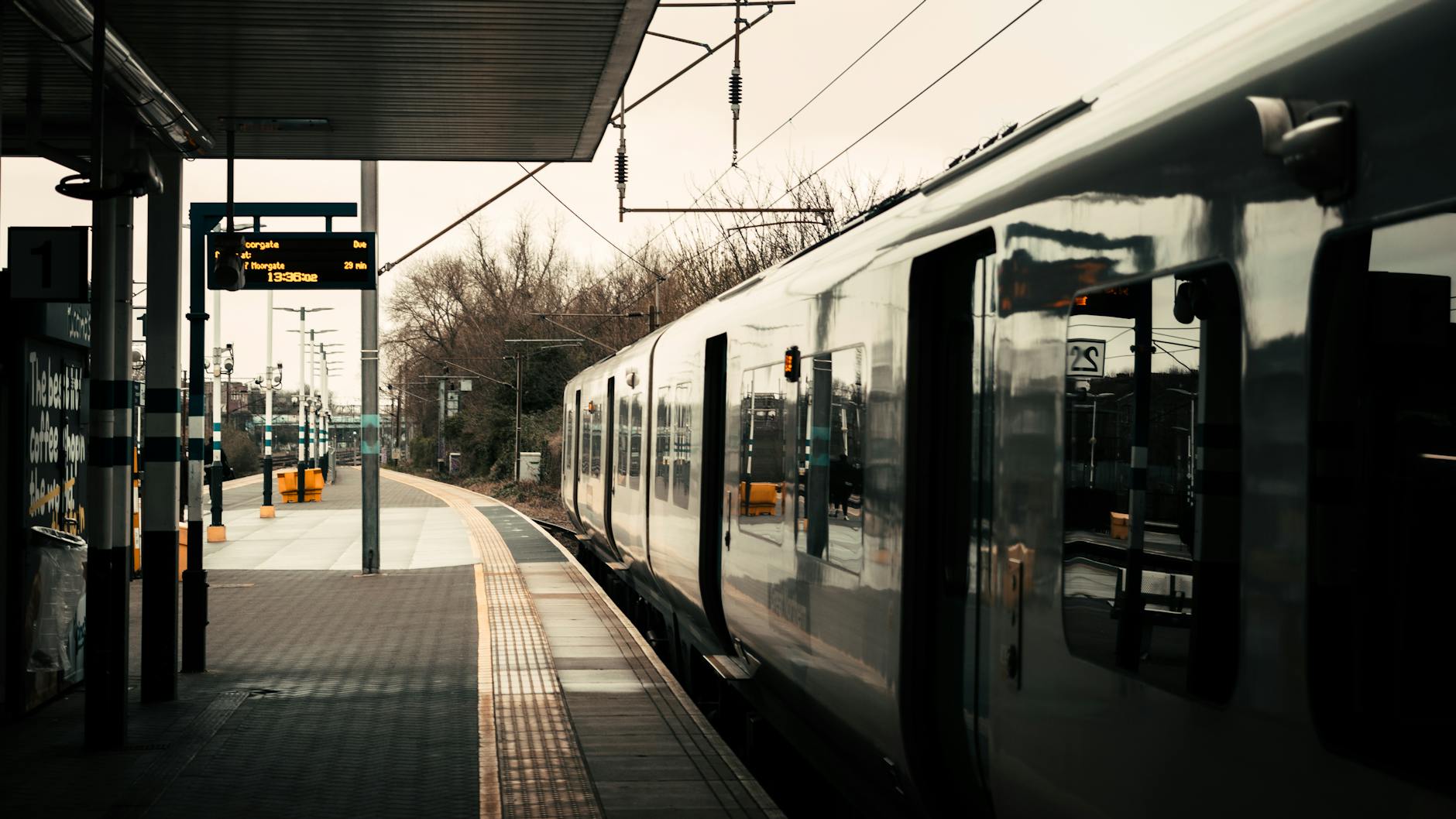
Train travel is the simplest answer to how to get to Liverpool from most UK cities. Liverpool Lime Street is one of the best-connected stations in northern England, with direct services from London, Manchester, Birmingham, Leeds, Edinburgh, Glasgow, and most major UK cities. Lime Street sits right in the heart of the city centre, around 15 minutes’ walk from Liverpool ONE and 15-20 minutes from the Albert Dock waterfront.
From London
Avanti West Coast runs two direct trains an hour from London Euston to Liverpool Lime Street, and the journey takes just over two hours; check the timetable for your date. Standard return tickets at peak times can cost £150-250, but Advance tickets booked 2-6 weeks ahead drop to £40-80 return for off-peak travel. The London-Liverpool corridor is one of the most price-volatile train routes in the UK; flexibility on dates and times saves serious money. Avanti’s Pendolino trains include free Wi-Fi, power sockets at every seat, and a reasonable on-board Cafe Bar.
From Manchester
The shortest mainline answer to how to get to Liverpool is from Manchester — TransPennine Express puts the trip from Manchester Piccadilly to Liverpool Lime Street at around an hour, and from Manchester Victoria at about 40 minutes; check the timetable for departures. £8-15 single, often cheaper booked online in advance. The Manchester-Liverpool corridor is one of the most heavily-served rail routes outside London.
From the Midlands and South West
Direct services from Birmingham New Street (London Northwestern Railway, fastest 1h 38m), Wolverhampton, Stoke-on-Trent, Stafford, and Crewe run regularly throughout the day. Connections to Bristol Temple Meads, Plymouth, and the South West mostly involve a change at Birmingham.
From the North and Scotland
Direct services from Leeds (1h 45m), Sheffield (2h 10m via Manchester), Newcastle (2h 50m), Edinburgh (3h 30m via Wigan), and Glasgow (3h 30m via Wigan) run throughout the day. Some require a single change at Manchester or Wigan. Edinburgh and Glasgow services typically use the West Coast Main Line via Carstairs and connect through Wigan.
Train Booking Tips
For the cheapest fares when working out how to get to Liverpool by train: book through Trainline, National Rail, or directly with the operator. Advance tickets can be much cheaper than walk-up fares, but they are valid only on the train you book and sell in limited numbers. Off-Peak tickets generally apply at quieter weekday times (often from about 09:30, though restrictions vary by journey, and evening restrictions can apply) and all day at weekends, which makes them good value for flexible travel; check your ticket’s restrictions. Railcards (Two Together, Senior, 16-25, Family & Friends) save 1/3 off most fares for £35 a year — a single long trip like London-Liverpool can go a long way towards covering the cost.
How to Get to Liverpool by Plane
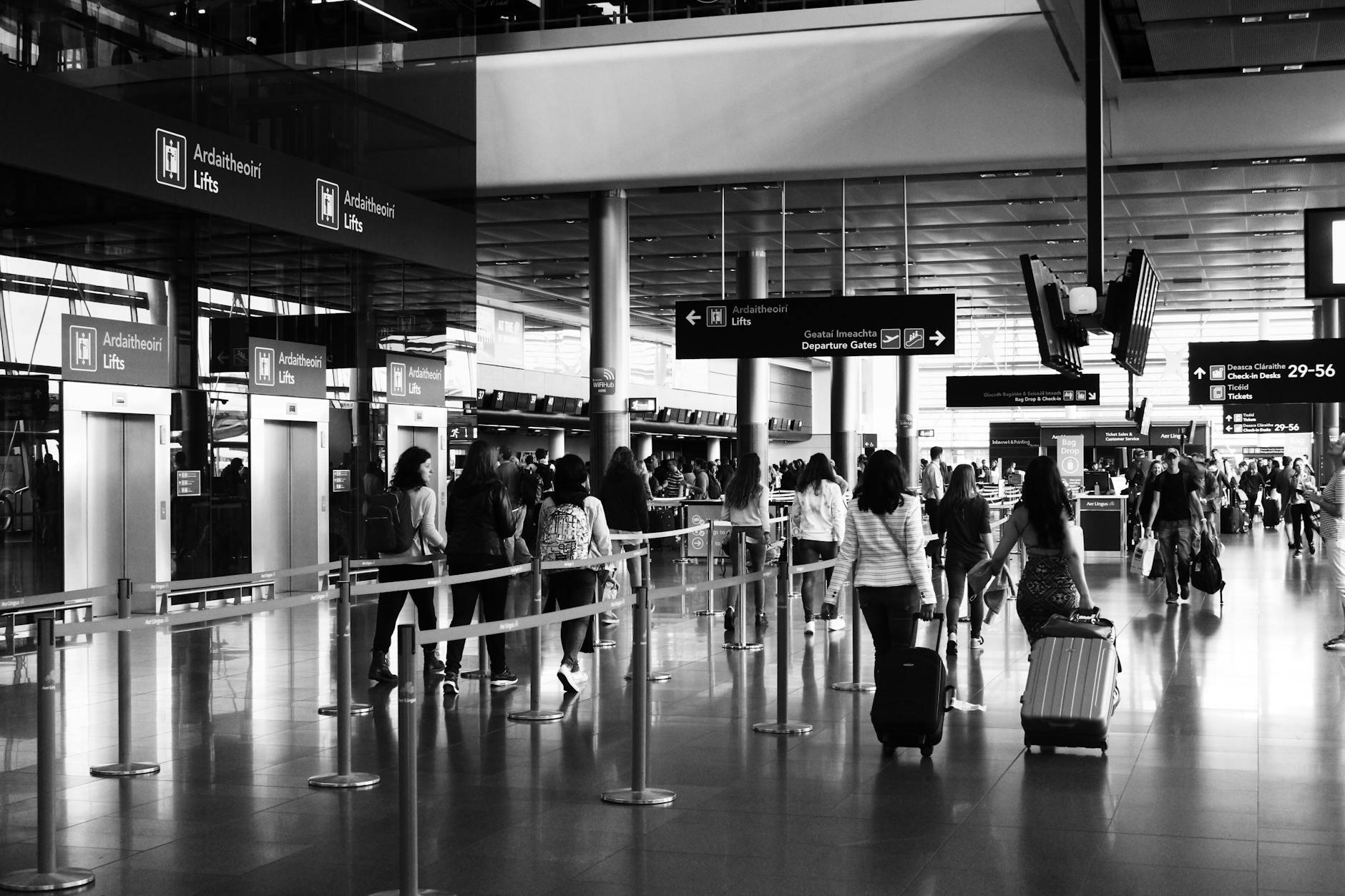
Liverpool John Lennon Airport (LPL)
The main airport serving Liverpool is Liverpool John Lennon Airport (LPL), 8 miles south of the city centre. Named after the city’s most famous son, the airport handles flights from across the UK, Ireland, and continental Europe. Major airlines operating from Liverpool include easyJet, Ryanair, Wizz Air, Lufthansa, KLM, Aer Lingus, and Loganair, with destinations including Dublin, Belfast, Amsterdam, Paris, Berlin, Madrid, Barcelona, Geneva, Faro, Malta, and dozens of other European cities.
Airport-to-city transfer: The 500 bus (Arriva Airlink) runs every 15-30 minutes between Liverpool John Lennon Airport and Liverpool ONE bus station, taking about 25 minutes; check Arriva’s timetable before you travel. £4-5 single. The 86A bus connects the airport to Liverpool South Parkway railway station (adult singles are capped at £2 across the Liverpool City Region), where Merseyrail’s Northern Line reaches the city centre in around 13 minutes. A hackney cab to the city centre costs £27-£32 depending on the day and time, and takes around 30 minutes, traffic permitting. Uber and other ride-share apps work normally from the airport.
Manchester Airport (MAN)
For long-haul international travel, Manchester Airport (MAN) is often a better choice than Liverpool John Lennon. Manchester is one of the UK’s largest airports, with flights across Europe and well beyond. Direct Northern trains from Manchester Airport reach Liverpool Lime Street in around 1 hour 20 minutes (£14-25); if you’re driving, check road journey times for your travel date. Several US airlines fly direct to Manchester from JFK, Newark, Orlando, Las Vegas, and other major US destinations. For visitors flying long-haul to the UK, Manchester to Liverpool by train is typically the easiest answer to how to get to Liverpool from international destinations.
Before you fly, visitors from Europe, the USA, Australia, Canada and certain other countries usually need a UK Electronic Travel Authorisation (ETA), and so does each child travelling: it costs £20 on GOV.UK or the UK ETA app, a decision usually comes within a day (allow up to 3 working days), and it lasts 2 years or until your passport expires.
London Airports
London Heathrow, Gatwick, Stansted, and Luton all connect to Liverpool via the train network. Heathrow to Liverpool typically takes 4-5 hours via Heathrow Express to Paddington, transfer to Euston, and direct train to Lime Street (£100-200 typical, faster if you go via Birmingham). For most international visitors, flying directly into Manchester or Liverpool is materially easier than connecting through London airports.
How to Get to Liverpool by Car
Driving is a strong option for how to get to Liverpool if you’re a family, group, or planning to combine Liverpool with the surrounding region. Liverpool is well-connected by motorway:
From London and the South: M1 north, M6 north to Junction 21A, M62 west to Liverpool. It’s a long drive, so check a live route planner for timings and roadworks before you set off.
From Manchester: M62 west, a short run when the motorway is clear.
From Birmingham: M6 north to Junction 21A, M62 west.
From Leeds: M62 west across the Pennines.
From Scotland: M74 / M6 south to Junction 21A, M62 west — several hours from Glasgow or Edinburgh, so plan a break on the way.
From North Wales and Chester: M53/M56.
From Ireland: Stena Line operate Belfast-Liverpool; P&O’s Dublin-Liverpool passenger route closed in December 2023. From Holyhead, the A55 runs across North Wales to Liverpool, a drive of around two hours.
City centre parking is the main pain point of driving to Liverpool. Most central hotels charge £15-25 per night for parking; daily public car park rates run £15-22. The cheapest options are park-and-ride at Garston, Hooton, or Town Meadow — bus and train into the city centre included. If you’re staying centrally for a city break, leaving the car at home and travelling by train is often a better answer to how to get to Liverpool.
How to Get to Liverpool by Coach
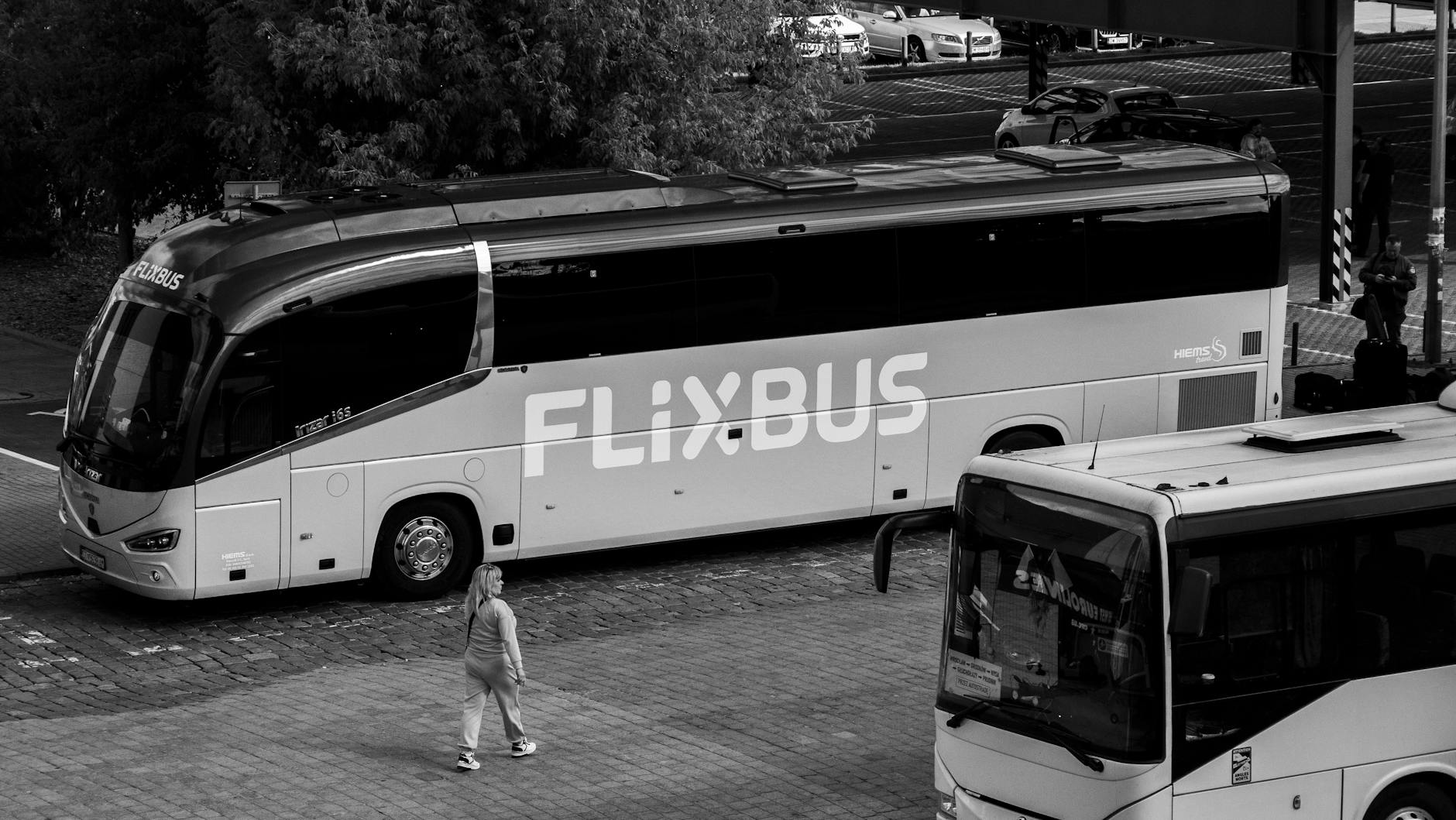
Coach is the cheapest answer to how to get to Liverpool from most UK cities, particularly for budget travellers and longer notice. The main long-distance coach operators serving Liverpool are:
National Express: Direct services from London Victoria (5h 30m, £15-30 typical), Birmingham (2h 30m, £8-15), Manchester (1h, £4-8), Leeds (2h 30m, £10-18), and most other major UK cities. National Express coaches arrive at Liverpool ONE bus station on Canning Place, central and right in the Liverpool ONE shopping district.
Megabus: Budget services from London (£5-15 if booked early), Birmingham, Manchester, and other regional centres. Often the cheapest option, but typically slower and less comfortable than National Express.
FlixBus: Growing UK network with services from London, Manchester, Birmingham, Leeds, and other cities. Competitive pricing.
Stagecoach: Local and regional services, including the X1 between Liverpool and Chester.
Coach travel usually takes longer than the train and often costs less, though prices and journey times depend on the service. For overnight coach services from London, you can save the cost of a hotel night by sleeping on the coach — though most travellers find this exhausting. For most visitors, the best balance is train travel during the day combined with central hotel accommodation; coach travel makes sense primarily for very budget-conscious trips.
How to Get to Liverpool from Ireland
Ireland has strong direct connections to Liverpool — historically the maritime gateway between the British Isles. Modern options:
By air: Ryanair, Aer Lingus, and easyJet between them fly direct from Dublin and Belfast to Liverpool John Lennon Airport; check each airline’s timetable for its routes and flight times. Cork and Knock also have direct connections via Ryanair seasonally.
By ferry: Stena Line operate Belfast-Liverpool sailings, roughly daily. There has been no direct P&O passenger sailing from Dublin since December 2023, so drivers from Dublin can cross to Holyhead and continue by road (see above). Practical for visitors bringing cars or wanting to extend their trip into the surrounding region.
By rail and ferry: Eurostar to London then onward train; or fly to Manchester for direct train connections. Total transit times from Dublin or Belfast are similar to flying.
How to Get to Liverpool from Continental Europe
Most continental European visitors fly directly into Liverpool John Lennon Airport (direct from Amsterdam, Paris, Berlin, Madrid, Barcelona, Geneva, Vienna, Brussels, Copenhagen, and other major cities) or connect via London or Manchester for further-afield destinations.
Eurostar: From Paris, Brussels, or Amsterdam to London St Pancras (direct trains from Amsterdam take 4 hours 19 minutes), then transfer to London Euston, then a direct train to Liverpool Lime Street (just over two hours). The total from Paris depends on your connections, so check the timetables for each leg before you book.
Combined fly-rail tickets: Some airlines (notably KLM and Lufthansa) offer combined air-rail tickets connecting via Manchester Airport for international visitors flying long-haul.
Once You Arrive: Getting Around Liverpool
Once you’ve worked out how to get to Liverpool, getting around the city is delightfully simple. Liverpool city centre is genuinely walkable — most visitors find they walk between everything in the central area without needing public transport. Lime Street to Liverpool ONE, Liverpool ONE to the Albert Dock and the Cavern Quarter to the cathedrals are all easy walks. Comfortable shoes and a light waterproof are usually all you need for central Liverpool.
For outlying attractions like Crosby Beach, Sefton Park, Strawberry Field, Speke Hall, and Anfield, public transport is excellent and affordable. The Merseyrail train network covers most of Merseyside; buses cover the gaps; and the Mersey Ferry connects to the Wirral. The Saveaway day ticket covers all of these and costs around £6 for an adult; check Merseytravel for the current price. For more on getting around, see our Liverpool travel guide.
Best Place to Arrive in Liverpool
Whichever way you choose for how to get to Liverpool, your arrival point matters. The most central arrival is Liverpool Lime Street railway station — directly in the city centre, with many central hotels within walking distance (check where yours sits). Liverpool ONE bus station (Canning Place) is also central, set within Liverpool ONE itself. From Liverpool John Lennon Airport, allow about 25 minutes on the 500 bus or around 30 minutes by taxi, depending on traffic. Manchester Airport is around 1 hour 20 minutes away by direct train. Liverpool Cruise Terminal at Princes Dock is right on the waterfront, about a 15-minute walk from Liverpool ONE bus station.
For first-time visitors who want to maximise their first day, arriving at Liverpool Lime Street (train) or Liverpool ONE bus station (coach) gives you the most central drop-off. Pick up your hotel keys and change into walking shoes: the Albert Dock is a 15-20 minute stroll from Lime Street.
How to Get to Liverpool: Summary by Starting Point
From London: Train (Avanti West Coast Euston-Lime Street, just over two hours, £40-150 typical).
From Manchester: Train (TPE Manchester Piccadilly-Lime Street, around 1h, £8-15).
From Birmingham: Train (London Northwestern Railway New Street-Lime Street, fastest 1h 38m, £25-60).
From Edinburgh/Glasgow: Train (Avanti via Wigan, 3h 30m, £50-150).
From Leeds: Train (TPE direct, 1h 45m, £20-40).
From Newcastle: Train (TPE direct, 2h 50m, £35-70).
From Dublin/Belfast: Direct flight to Liverpool John Lennon Airport (£40-150) or, from Belfast, the Stena Line ferry.
From continental Europe: Direct flight to Liverpool John Lennon (most major European cities).
From North America/Asia/Middle East: Long-haul flight to Manchester Airport, then direct train to Lime Street (around 1h 20m).
Whichever option you choose for how to get to Liverpool, the city’s compact, walkable character means you can be at the heart of the action within an hour of arriving in town. For more on planning your first day see our Liverpool travel guide; for accommodation see our where to stay guide; and for first-day itineraries see our top tourist attractions guide.
Related Liverpool Travel Guide Resources
Once you’ve planned how to get to Liverpool, these companion guides cover the rest of the trip planning essentials:
- Getting Around Liverpool — Merseyrail, buses, taxis, walking.
- Liverpool John Lennon Airport Guide — LPL transfers and facilities.
- Best Time to Visit Liverpool — month-by-month visiting guide.
- Liverpool Weather Guide — what to pack each season.
- 2-Day Liverpool Itinerary — perfect weekend break.
- 3-Day Liverpool Itinerary — extended city break.
- 5-Day Liverpool + Day Trips Itinerary — longer visit.
- Liverpool Safety Tips for Tourists — the honest safety guide.
- Liverpool Travel Tips — 15 things first-time visitors should know.
One route not covered above is arriving by sea, which is more common here than at most British cities. The cruise terminal at Princes Dock handles turnaround sailings as well as day calls, the Isle of Man ferry runs from a separate terminal further north, and the Irish Sea routes are not what most websites still claim. Our cruise port and ferry guide sets out what actually sails and from where.
Coming from the Isle of Man? The Steam Packet sails from Douglas to Liverpool’s Isle of Man Ferry Terminal at 1 Triskelion Way, a short walk or taxi ride from the city centre, daily from April to October and at weekends in winter. Our Isle of Man ferry guide has the crossing times, fares and check-in rules.
Arriving at Lime Street with luggage? Our guide to hotels near Lime Street station covers the ones a short walk from the trains, with check-in times, luggage storage and parking.
Coming by car? Our guide to Liverpool hotels with parking shows what overnight parking costs at each hotel and which ones have a car park of their own.