This article contains advertising. Our booking links are routed through a partner that adds commission tracking automatically, so if you book through one we earn a commission from the provider, at no extra cost to you. It never affects what we recommend. Affiliate disclosure
The honest answer to “Is Liverpool safe for tourists?” is yes, with reasonable caution. Liverpool is consistently rated among the safer large UK cities for tourism, with low rates of violent crime, friendly residents who are genuinely helpful to visitors, well-policed central and waterfront tourist areas, and a nightlife scene that’s well-managed despite being lively. Most tourist trips to Liverpool pass without any safety incident at all. The risks that do exist are largely the same urban risks present in any major British city — opportunistic pickpocketing in crowded tourist areas, occasional alcohol-related anti-social behaviour in late-night central nightlife districts, and the standard cautions around walking alone in unfamiliar suburbs after dark. This Liverpool safety guide covers the realistic risks, the areas worth knowing about, the practical night safety tips, what to do if something goes wrong, and the reasonable precautions that make a Liverpool trip safer without making it stressful.
For broader planning, see the parent Liverpool travel guide.
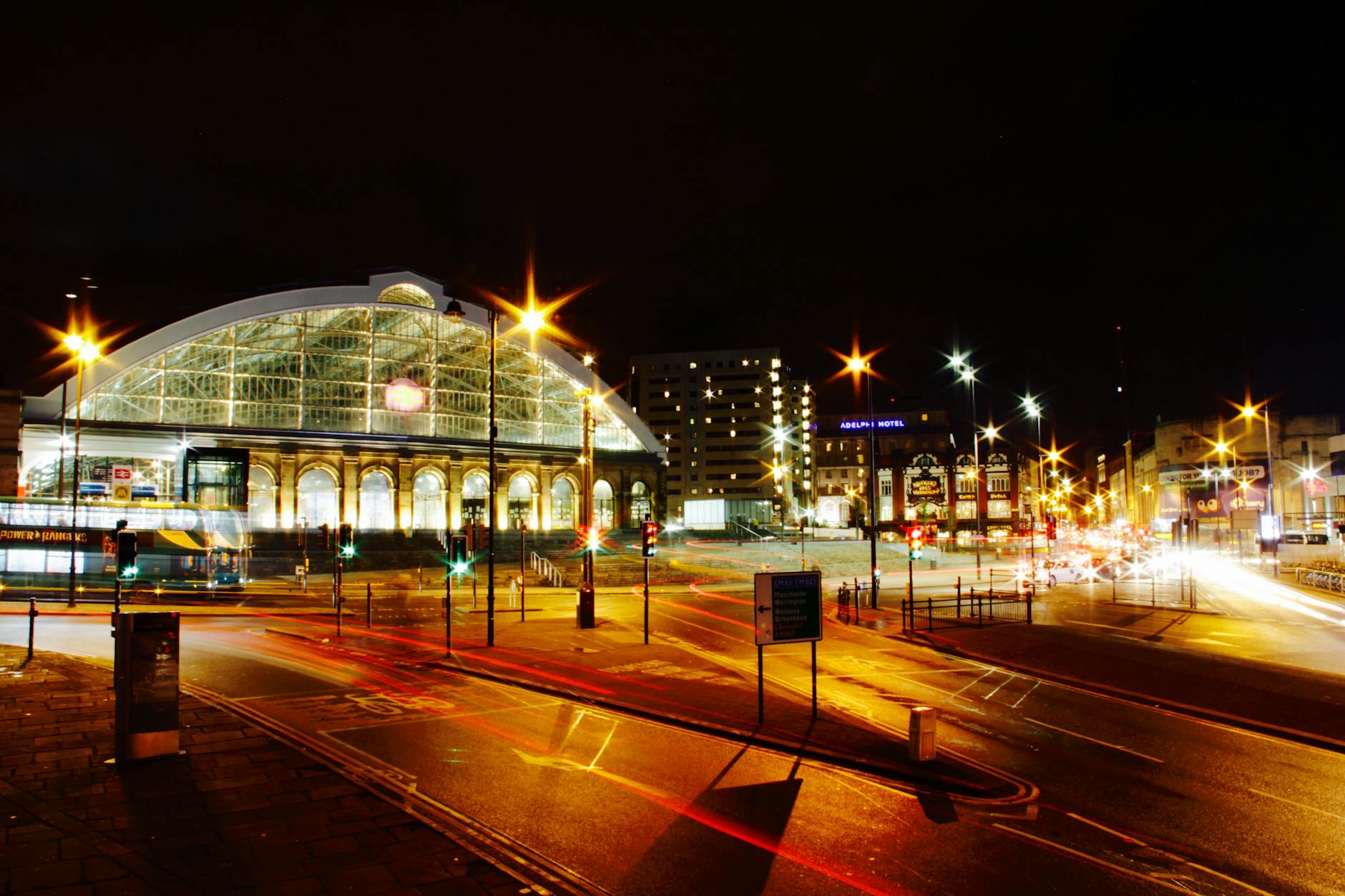
Liverpool’s Overall Safety Reputation
Liverpool has a long-standing reputation problem with safety that the data doesn’t entirely support. The city was hit hard by the post-industrial decline of the 1970s-80s, with notable civil unrest in 1981 (the Toxteth riots). The image stuck even as the city changed significantly through the 2000s-2020s — substantial central regeneration, increased policing and CCTV coverage, the European Capital of Culture year in 2008 lifting investment dramatically, and a tourism boom that’s required and produced a safe central core.
The current reality, by most measures: Liverpool is one of the safer major British cities for tourists. In a 2019 Liverpool Citysafe survey, 60% of respondents felt very or fairly safe in the city centre after 10pm. Major incidents at tourist venues are rare. The standard urban precautions are sufficient for almost all visitor situations.
The areas where the older reputation still has some basis are specific residential districts well away from tourist routes — and even there, the modern reality is mostly anti-social behaviour rather than serious risk to visitors.
Where Liverpool Is Safe (Most of It)
The major tourist areas of Liverpool are reliably safe day and evening:
Pier Head and the Royal Albert Dock — well-lit, busy with tourists and locals into the late evening, regular police patrols, CCTV throughout. Walking alone is fine; standard pickpocket precautions apply.
The Cavern Quarter (Mathew Street area) — extremely busy with tourist and stag/hen-party traffic until late. Bouncers on every bar; visible CCTV; police presence on weekend evenings. Can be raucous late at night but not seriously unsafe.
Liverpool ONE and the central shopping district — Britain’s largest open-air shopping centre, and an easy place to start a first day in the city.
Hope Street and the cathedral quarter — quieter than the dock and Mathew Street but well-lit, residential, and reliably safe.
The Georgian Quarter (Rodney Street, Falkner Square) — quiet, residential, well-maintained streets. Safe.
Bold Street and the Ropewalks district — central, busy, with active café and bar culture. Safe.
William Brown Street cultural quarter — by the major museums (Walker Art Gallery, World Museum, Central Library) and St George’s Hall. Safe.
The Baltic Triangle — creative quarter, increasingly busy with bars and food markets, well-trafficked. Safe in standard urban terms.
Sefton Park and the main south Liverpool parks — daytime use is fine and recommended. Avoid park visits after dark; the parks close around dusk in any case.
Areas Worth Knowing About (But Mostly Not on the Tourist Route Anyway)
A small number of Liverpool residential districts have higher crime rates than the city centre — these are mostly poverty-related and rarely affect tourists because tourists don’t generally have reason to visit them. The most-cited:
Toxteth — south of the city centre, the area of the 1981 riots and a higher-deprivation district. Has substantially regenerated since the 2000s (Granby Four Streets community redevelopment is excellent) but still has higher crime statistics than central districts. The Princes Road Synagogue and the Black Heritage Trail bring some tourists here daytime; the visits are entirely safe. Don’t wander aimlessly after dark in unfamiliar Toxteth streets.
Anfield — north Liverpool, around Liverpool FC’s home ground. The neighbourhood streets immediately around the stadium are mainly fine on match days (huge police presence) and most other times. Avoid after dark on streets you don’t know if you’re unfamiliar with the area; perfectly safe to visit Anfield Stadium itself for tours.
Kirkdale — north of the city centre, residential, higher crime statistics. Few reasons tourists would visit; not on standard routes.
Everton — the neighbourhood (not the football club, who now play at Hill Dickinson Stadium at Bramley-Moore Dock). Again, residential, higher crime than the central tourist areas, but rarely visited by tourists.
These areas are not “dangerous” in any meaningful sense for tourists. They’re working-class residential districts with higher property crime and occasional anti-social behaviour. A visitor walking through during the day is essentially never going to encounter a problem. The advice is simply not to wander unfamiliar streets in these districts after dark, particularly alone.
Practical Liverpool Safety Tips
Pickpocketing and Petty Theft
The most common Liverpool tourist crime. Hotspots: the Albert Dock crowds at Christmas markets and busy summer afternoons, the Liverpool ONE pedestrian areas at peak weekends, Mathew Street on stag/hen weekends. Sensible precautions:
- Phones in front pockets, not back. Better, in a zipped jacket pocket.
- Wallet in a front pocket or money belt, not a back pocket.
- Handbags worn across the body, with the bag in front of you in crowds.
- Don’t leave bags or phones on café tables when you go to the counter to order.
- Don’t store all your valuables in one place — keep some cash and a backup card in a different pocket from your main wallet.
- If you see a pickpocket distraction (someone bumping you, someone asking for directions while another approaches) — move away calmly, check your pockets, and walk on.
Night-Time Safety
The Liverpool city-centre nightlife stays busy late on weekend nights. Standard precautions:
- Stay on well-lit, busy streets after midnight.
- Use licensed black cabs or pre-booked Uber/Bolt for late-night transport home.
- Don’t accept drinks from strangers; keep your drink in view to prevent spiking, as you would in any UK city.
- If you feel unwell unexpectedly, tell the bar staff — “Ask for Angela” protocols are in effect at many Liverpool central venues, where staff are trained to discreetly help any customer in trouble.
- Stay with your group. Solo wandering late at night isn’t inherently dangerous but standard urban precautions apply.
- Avoid arguing with drunk groups or stag/hen parties. Walk past.
Solo Female Travel
Liverpool is consistently rated among the safer UK cities for solo female travellers. The city-centre and waterfront areas are well-lit, busy, and well-policed. The same precautions as any major British city apply — well-lit busy streets, taxis after dark for unfamiliar routes, drink awareness in bars. No specific Liverpool factor makes solo female travel particularly riskier than equivalent UK city visits.
LGBTQ+ Safety
Liverpool has a substantial LGBTQ+ community and one of the UK’s more progressive civic cultures. Liverpool Pride is a major event; the 2026 march gathered on Houghton Street. The Stanley Street “Gay Quarter” (Liverpool’s small but vibrant LGBTQ+ scene) is reliably safe. Standard urban precautions; no specific elevated risk.
Stag and Hen Parties
Liverpool is one of the UK’s most popular stag/hen-party destinations. On Friday and Saturday evenings, large groups in matching outfits are everywhere in the Cavern Quarter, Concert Square, and around Liverpool ONE. They’re overwhelmingly good-natured but can be loud, drunk, and occasionally chaotic. Practical strategy: most are easy to avoid by choosing slightly off-strip dining and drinking venues (Hope Street, Lark Lane, the Baltic Triangle, the Georgian Quarter). Don’t engage with anyone clearly looking for a confrontation.
Football Match Days
Anfield (Liverpool FC) home matches bring tens of thousands of fans into the area. Anfield itself has a substantial police presence and is well-managed. The risk if any is around train and bus services into Anfield — busy, occasionally raucous, but rarely dangerous. Avoid wearing rival team colours (Manchester United, particularly) on Liverpool FC home match days. Most fans are fine; a small number aren’t. Hill Dickinson Stadium (Everton, since 2025) operates similarly. See the Anfield stadium tour guide.

Emergency Contacts and What to Do If Something Goes Wrong
Police, fire, or ambulance emergency: 999 (or 112).
Non-emergency police: 101.
Liverpool central police stations:
- Liverpool Central Police Station, Wavertree Road (main).
- Smaller community policing teams across the city — locations can be found via the Merseyside Police website.
NHS non-emergency medical: 111 (free, 24-hour phone service). For minor injuries, a walk-in service such as the Linda McCartney Centre on the Royal Liverpool University Hospital site (Prescot Street) is the right destination; check its opening hours before you go. The hospital’s Emergency Department is for serious or life-threatening conditions.
Lost or stolen property: Report to the venue or hotel first; if the loss involves significant value, report it to the police on 101 (free, non-emergency). Get a police report number — needed for insurance claims.
Lost passport (overseas visitors): Report to local police, then contact your country’s embassy or consulate in London.
Travel insurance: Make sure you have travel insurance for any UK trip from overseas. Read the policy before you travel; understand the cover for theft, medical emergencies, and trip cancellation.
Specific Tourist Safety Scenarios
At the Albert Dock and Pier Head
The pedestrian areas near the water can be slippery in wet weather. The Mersey itself is dangerous to enter — strong currents, cold water, busy commercial shipping channel. Don’t swim in the Mersey under any circumstances. Don’t lean too far over dock railings. The dock area is otherwise very safe — well-lit, well-policed, busy with families and tourists into the evening.
On the Mersey Ferry
Fully safe — modern vessels, fully accessible, regular sailings, professional crew. No specific safety concerns beyond standard sea-travel precautions (hold the railings on the upper deck if the wind is strong).
At Crosby Beach and the Sefton Coast
The Mersey estuary tide comes in extremely fast at Crosby Beach. People have been cut off by the incoming tide. Monitor tide times if walking out to the seaward Antony Gormley figures. The same applies at Hilbre Island (Wirral) and the West Kirby foreshore. See the Crosby Beach guide and Wirral peninsula guide.
At the Cavern Club
The cellar is genuinely underground — narrow steep steps, low ceilings. The venue is accessible only with reasonable mobility. Crowds can be dense on weekend evenings; pick your way carefully. No specific safety concerns beyond the steep entrance steps.
In Sefton Park, Calderstones Park, and the South Liverpool Parks
Safe daytime, reasonable common sense after dark. The parks close around dusk anyway. The deep wooded areas of Calderstones (the woodland trails) feel more isolated than the main park lawns; preferable to walk these in pairs.
On Late-Night Public Transport
Last trains differ by line, direction and day, so check the last Merseyrail departure for your route on Merseyrail’s site before a night out. The last trains are generally safe but can be raucous after weekend nights out. If concerns, take a black cab or Uber. The Mersey Tunnels are not accessible to pedestrians.
Common Tourist Scams in Liverpool
Rare, but worth knowing:
Distraction theft. Group of three or four people approach you in a tourist area, one asks for directions or holds out a map while another lifts your wallet. Walk past, ignore overly insistent strangers, keep your hand on your wallet/bag in crowded areas.
Fake taxi scams. Late at night around busy nightlife areas, unlicensed cars sometimes pose as taxis. Use only marked black cabs from official ranks or pre-booked Uber/Bolt rides.
ATM skimmers. Rare but possible. Use ATMs at established bank branches inside the city centre; avoid less-busy standalone ATMs in unfamiliar areas late at night. Cover your PIN when entering.
Drink prices. Some Mathew Street and Concert Square bars charge tourist-zone premium prices. Not technically a scam but check menu prices before ordering. Most central Liverpool bars are reasonably priced; the touristy ones aren’t.
Solo Travel in Liverpool
Solo travel in Liverpool is comfortable and recommended. The city is friendly — Liverpudlians have a deserved reputation for being warm to outsiders. Solo dining is unremarkable in central restaurants; solo bar visits are fine; solo museum and tourism visits are perfect. Single-room accommodation is widely available at hotels (and increasingly at hostels with private rooms).
Standard solo-travel precautions: tell someone where you’re going if you’re heading anywhere unusual; keep your phone charged; don’t leave drinks unattended; trust your instincts about unfamiliar people or situations; carry the address of your hotel and emergency contact information.
For solo female travel specifically, Liverpool consistently rates among the safer UK cities by published safety indices. Solo female travel in central Liverpool is comparable to or safer than central London, Manchester, or Edinburgh.
Liverpool Safety FAQs
Is Liverpool safe for tourists? Yes. Liverpool is consistently rated among the safer major UK cities for tourism. Standard urban precautions are sufficient for almost all visitor situations.
Is Liverpool safe at night? Central Liverpool is reliably busy and well-policed into the early hours, particularly weekends. The major tourist zones (Albert Dock, Pier Head, Mathew Street, Liverpool ONE, Hope Street area) are safe at night with standard precautions.
Which areas of Liverpool should I avoid? Few areas are genuinely unsafe for tourists. Toxteth, Anfield (away from the stadium), Kirkdale, and Everton are residential districts with higher crime than central Liverpool — but they’re not on standard tourist routes anyway. Avoid wandering unfamiliar suburbs after dark; otherwise no major concerns.
Is Liverpool safe for solo female travelers? Yes — Liverpool is consistently rated among the safer UK cities for solo female travel. Standard urban precautions apply.
What is the crime rate in Liverpool compared to other UK cities? Liverpool’s overall crime rate is in the mid-range for major UK cities — higher than rural areas and small towns, comparable to other large urban areas, with lower violent crime rates than the older reputation might suggest. Tourist-specific crime risk is consistently rated as moderate to low.
Are pickpockets a problem in Liverpool? Pickpocketing is the most common form of street crime affecting tourists. Hotspots include the Albert Dock during Christmas markets and busy summer weekends, Liverpool ONE pedestrian areas, and Mathew Street on stag/hen weekends. Standard precautions (zipped pockets, bags in front, awareness in crowds) are sufficient.
Is it safe to go out drinking in Liverpool? Yes — Liverpool’s nightlife is well-managed, with active bouncers at central bars and visible police presence on weekend nights. Standard drinking precautions (drink awareness, group safety, taxis home) apply.
How do I get home safely at night in Liverpool? Licensed black cabs from the ranks at major stations and in the city centre, or pre-booked Uber/Bolt rides. Avoid unlicensed cars. Late Merseyrail services are generally safe but can be raucous after weekend nights.
What should I do if I’m a victim of crime in Liverpool? For emergencies, call 999. For non-emergency reports (including theft, lost property), call 101 (free). Hotels and venues will help — report to staff first if the incident happens at the venue.
Is Liverpool safe for families with children? Yes — Liverpool is family-friendly across the major tourist zones. The Albert Dock, Liverpool ONE, the museums, and the Sefton Coast are reliably safe for families. Standard urban precautions apply. See the Liverpool with kids guide.
The Bottom Line on Liverpool Safety
Liverpool is safer than its older reputation suggests, comparable to or safer than other major UK cities, and reliably safe for tourists in the central tourist zones. The standard precautions are sufficient — pickpocket awareness in crowds, taxis home at night, drink safety in bars, common sense about unfamiliar suburbs after dark.
The Liverpudlians themselves are one of the city’s greatest tourism assets. The reputation for friendliness is real — ask for directions, ask for restaurant recommendations, ask for a chat at a bar, and you’ll generally find a warm welcome. Most Liverpool tourist trips pass without any safety incident at all, and the city’s genuine welcome to visitors is part of what makes it one of the most rewarding UK city breaks.
For broader planning, the parent Liverpool travel guide, the Liverpool travel tips guide, and the getting around Liverpool guide cover the rest of the practical trip information. Liverpool is a friendly city. Bring common sense and a willingness to chat, and you’ll be fine.
Different travellers need different things from a city, and the practicalities that matter to a solo visitor, an older traveller or a wheelchair user are not the ones covered above. Our accessible and inclusive Liverpool guide deals with those directly — step-free routes, quiet spaces when the centre gets overwhelming, halal eating, assistance dogs and eating alone without it being a production.
Solo travellers, and especially women travelling alone, will find more specific advice in our solo travel in Liverpool guide. It covers Merseyside Police’s Operation Halo, the city’s Night-Time Safety Charter, how Ask for Angela works, and which areas make the calmest base.