This article contains advertising. Our booking links are routed through a partner that adds commission tracking automatically, so if you book through one we earn a commission from the provider, at no extra cost to you. It never affects what we recommend. Affiliate disclosure
Liverpool is one of the easier British cities to visit for a first-time UK tourist — compact, walkable, well-signed, with a famously friendly local population and a concentration of major attractions inside a small central footprint. But there are a handful of practical things worth knowing before you arrive that make the trip noticeably smoother. Some of these are obvious to anyone who’s travelled in the UK before; others are specific to Liverpool’s quirks (the Scouse accent, the football culture, the historic UNESCO status that was lost in 2021, the weather you should always be prepared for). This Liverpool travel tips guide covers the 15 things first-time visitors should know — practical, cultural, logistical — to make the most of a Liverpool city break in 2026.
For broader planning, see the parent Liverpool travel guide and the best time to visit Liverpool guide.
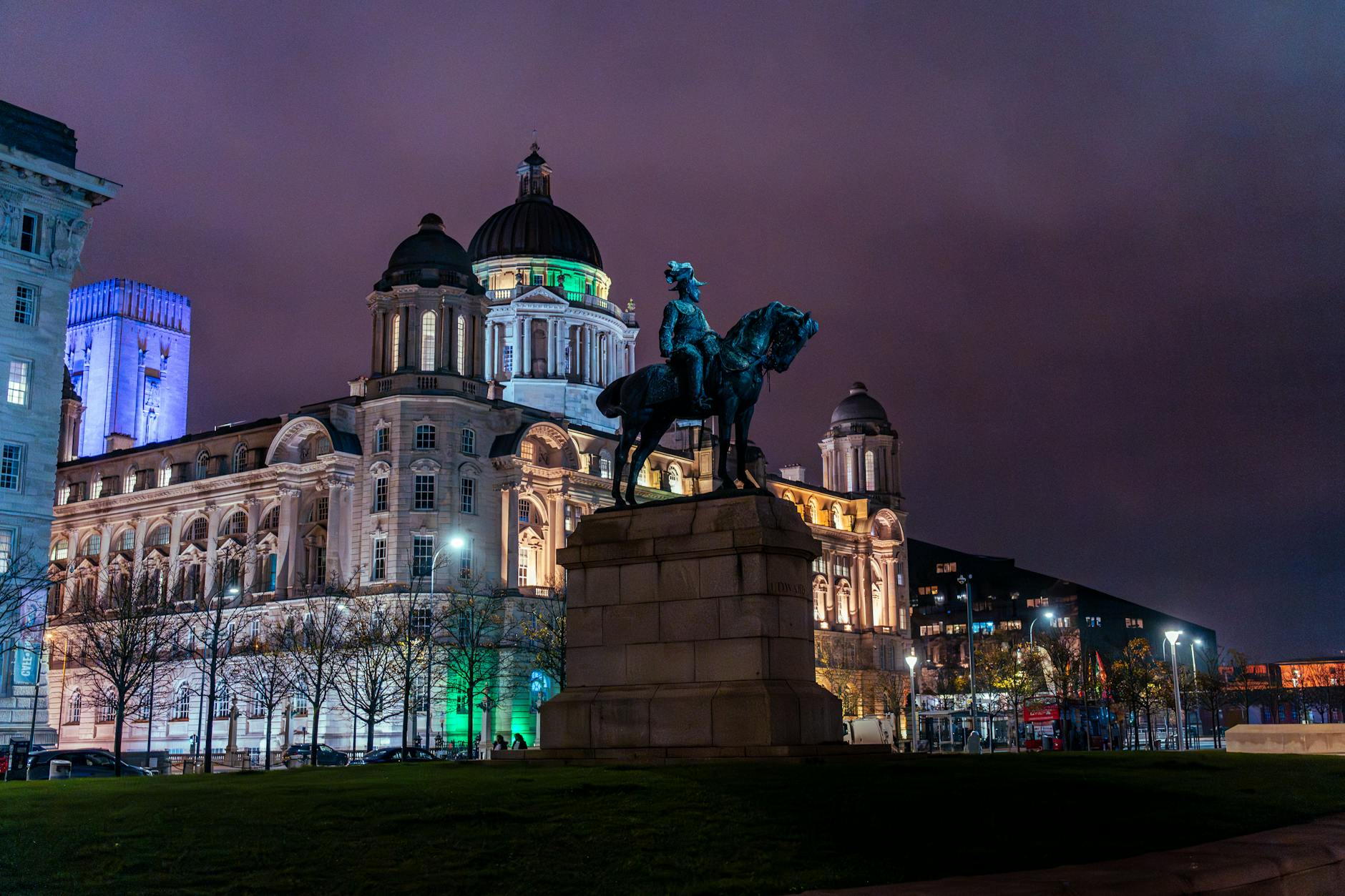
1. Liverpool Is Walkable: Plan Around That
The city centre is genuinely small. Lime Street station, the Cavern Quarter, the Three Graces, the Albert Dock and the Anglican Cathedral are all within walking distance of one another. Most tourist days involve very little public transport. Book central accommodation, pack comfortable walking shoes, and walk almost everywhere.
See the getting around Liverpool guide for the practical transport detail.
2. The Weather Demands a Waterproof — Year-Round
Liverpool sits on the Atlantic-facing west coast of England. At nearby Crosby, rain (1mm or more) falls on about 10-16 days a month on average, every month of the year. The wind is more reliable than the rain. A proper hooded waterproof jacket is the single most important item to pack regardless of season. Bring an umbrella as backup but expect the wind to make it useless half the time.
See the Liverpool weather and packing guide for the full seasonal packing list.
3. The Best Free Attractions Are World-Class
Five free national museums and galleries (Walker Art Gallery, World Museum, Museum of Liverpool, Lady Lever Art Gallery, Sudley House) plus two free cathedrals plus St George’s Hall heritage centre plus a substantial collection of free gardens and parks mean you can fill several days in Liverpool spending essentially nothing on attractions.
Current closures to note: the Maritime Museum and International Slavery Museum are closed for essential maintenance ahead of a major redevelopment, which is subject to funding, and no reopening date has been given; the Old Dock Tour still runs. Tate Liverpool’s Royal Albert Dock home is closed for redevelopment, and Tate gives 2027 for its return; meanwhile RIBA North on Mann Island has two small free RIBA displays.
See the free things to do in Liverpool guide.
4. The Scouse Accent Is Real and Strong
Liverpool’s distinctive local accent — “Scouse” — is famously different from standard English and noticeably different even from neighbouring north-west accents (Manchester, Lancashire). The accent is partly Irish English-influenced (a legacy of 19th-century Irish migration) and partly Welsh-influenced. For first-time UK visitors, the Scouse accent can be initially hard to understand — particularly when spoken quickly. Ask politely for repetition if needed; locals are accustomed to visitors and don’t take offence.
The accent is part of Liverpool’s identity. Lean into it; the friendliness is genuine.
5. The Beatles Tourism Is Central — But Optional
Liverpool’s Beatles tourism dominates the city’s visible tourism marketing — the Cavern Club, Mathew Street statues, the Beatles Story museum at the Albert Dock, the Magical Mystery Tour coach, the National Trust childhood homes, Penny Lane, Strawberry Field, the Hard Days Night Hotel, the Liverpool Beatles Museum on Mathew Street, the British Music Experience in the Cunard Building.
For Beatles fans: this concentration is unmatched anywhere in the world, and a Beatles-focused trip is genuinely rewarding.
For non-fans: you can comfortably visit Liverpool without doing any Beatles tourism at all. The cathedrals, museums, food scene, waterfront, and wider cultural offering are substantive in their own right. See the Beatles Liverpool guide for the Beatles-specific layer.
6. The Football Culture Is Huge — And Affects Match Days
Liverpool FC and Everton FC are the city’s two major professional football clubs. Anfield (Liverpool FC) draws crowds of around 60,000 to home league matches. Hill Dickinson Stadium (Everton, new in 2025) also pulls in big crowds.
On home match days, the city is busy: roads are closed near the stadiums, certain trains and buses are packed, hotels near the grounds book up months ahead, and central Liverpool restaurants and pubs fill from early afternoon. If you’re here for the football, embrace it. If you’re not, check the Premier League fixtures for your dates and avoid the immediate match-day chaos.
See the Liverpool football tourism guide.
7. Liverpool Was a UNESCO World Heritage Site — and Lost It in 2021
Worth knowing for context: Liverpool’s historic waterfront and central districts were inscribed as a UNESCO World Heritage Site in 2004 (“Liverpool – Maritime Mercantile City”). The site was delisted in July 2021 due to the impact of new development including Liverpool Waters.
The buildings themselves are unchanged — the Three Graces, the Albert Dock, the merchant streets are all still there, all still Grade I or II* listed under UK law. The visit experience is identical to the UNESCO era. The delisting is a piece of historical context rather than a current visiting concern.
See the Liverpool UNESCO World Heritage guide.
8. The Pub Culture Is Worth Engaging With
Liverpool has a rich pub culture — atmospheric Victorian and Edwardian pubs (the Philharmonic Dining Rooms on Hope Street is the most famous, the first purpose-built Victorian pub in England to be Grade I-listed), Cavern-era survivors (the Grapes on Mathew Street and the White Star on Rainford Gardens, off Mathew Street, both Beatles-era drinking spots), modern craft beer (Black Lodge in the Baltic Triangle, the Pen Factory on Hope Street), and traditional working-class pubs across the city.
British pub etiquette: order at the bar (table service is rare except for food orders), pay when you order (rounds are common but not obligatory for tourists), tipping isn’t expected for drinks (but is fine for food orders).
See the best pubs in Liverpool guide and the best bars guide.
9. Use Contactless Payment Everywhere
Liverpool, like most of the UK, is overwhelmingly card-based. Contactless payment works on buses, trains, taxis, the Mersey Ferry, almost all shops, almost all bars and restaurants. Apple Pay, Google Pay, and the major bank contactless cards are universally accepted. Cash is increasingly less common — you don’t need to carry much.
The Cavern Club is fully cashless. Many Liverpool venues prefer card over cash even for small purchases.
For overseas visitors: standard UK card practice. Use cards with no foreign transaction fees if possible. Notify your bank of UK travel to avoid blocks.
10. The Tap Water Is Excellent
Liverpool tap water comes from reservoirs including Lake Vyrnwy in Wales and Rivington in Lancashire — soft, low-mineral, and excellent quality. Refill water bottles anywhere; buying bottled water is unnecessary.
Restaurants offer free tap water on request (legally required); most bars will fill your bottle without charge.
11. Don’t Try to Do Day Trips on a 2-Day Visit
Liverpool sits well for day trips — Chester (about 45 minutes by Merseyrail), the Lake District, North Wales, York, Manchester and the Sefton Coast. These are excellent but they take a full day each.
On a 2-day weekend break, the day trips eat into the Liverpool time you don’t have to spare. Save them for a 4-5+ day trip. See the day trips from Liverpool guide.
12. Book Headline Restaurants and the Cavern Club Evening Sessions Ahead
For weekend dinners at the top Liverpool restaurants — the Art School, Lunya, Maray, Daffodil, Panoramic 34 — book well ahead, particularly for Saturday evening. Most accept reservations on OpenTable, ResDiary, or directly via the restaurant’s website.
For Cavern Club evening sessions (particularly during Beatleweek in late August), pre-book where available. General admission is paid on the door and rarely sells out for lunchtime sessions; specific ticketed evenings (Beatles convention shows, special guests) do sell out.
See the best restaurants in Liverpool guide.
13. Sundays Are Quieter — Plan Around That
Sunday opening in Liverpool follows the UK pattern of shorter hours, and some smaller bars stay closed all day, so check each venue’s hours before you set out. Mondays are also lighter than mid-week. Many smaller museums and visitor attractions have reduced Monday hours.
Tuesday-Saturday is the standard tourism window. Sunday is for long pub lunches and museum visits; Monday for cathedral visits and walking.

14. The Locals Are the Best Source of Recommendations
Liverpudlians have a deserved reputation for being friendly to outsiders. Ask in pubs for the best Sunday roast, ask hotel staff for the best independent restaurants, ask shop assistants where the locals shop. The responses are almost always genuine — Scousers are openly proud of their city and happy to share what they love about it.
The standard British reserve doesn’t apply in Liverpool the way it does in some other UK cities. Strike up conversations; you’ll be welcomed.
15. Liverpool Rewards a Second Visit
Almost no one fits all the Liverpool experience into a first trip. The first visit covers the headline waterfront, Cavern Club, one cathedral, one museum, the Beatles Story. The second visit picks up the suburban Beatles (Penny Lane, Strawberry Field, Mendips), the day trips (Chester, Lake District, North Wales, the Wirral, the Sefton Coast), the deeper cultural programming (the Liverpool Biennial, the Philharmonic Hall concerts, the Royal Court comedy theatre, the Liverpool Irish Festival in October), and the south-Liverpool parks-and-Lark-Lane day.
Build the first trip around the headlines and plan to come back. Most repeat visitors find a second Liverpool visit more rewarding than the first — by then you know what you like about the city and can dig deeper.
Practical Liverpool Tips: Quick Reference
Currency: Pound sterling. Cards everywhere.
Language: English, with a distinctive Scouse accent. Welsh is also spoken in North Wales for day trips. Liverpool has substantial multilingual signage in tourist areas.
Electricity: UK three-pin plugs. 230V 50Hz. Bring adapters if from overseas.
Tipping: 10-15% in restaurants if service isn’t included; round-up at pubs and cafés; £1-2 per bag for hotel porters; no tip required for taxis (though appreciated).
Time zone: GMT (winter) / BST (summer). Same as London.
Emergency: 999 (or 112). Non-emergency police 101. NHS 111.
Mobile phones: Excellent coverage in central Liverpool. Most overseas SIMs work via roaming agreements.
Internet: Free Wi-Fi widely available at hotels, cafés, museums, and the airport. UK 4G/5G coverage is excellent.
Things First-Time Liverpool Visitors Often Get Wrong
Mistake 1: Trying to do too many day trips. Each day trip takes a full day and reduces your Liverpool time. Pick one if you have 4+ days; skip them for shorter visits.
Mistake 2: Not booking the Cavern Club evening sessions ahead. Friday and Saturday evenings during Beatleweek (late August) and busy weekends can have queues. Pre-book where possible.
Mistake 3: Underestimating the walking. Liverpool is compact but a full first day of sightseeing on foot can easily add up to several kilometres. Comfortable shoes only.
Mistake 4: Assuming the Maritime Museum and Slavery Museum are open. Both are shut for essential maintenance ahead of a redevelopment that is subject to funding, with no reopening date announced. Plan around this; the Beatles Story, the Museum of Liverpool, and the Walker Art Gallery are alternatives.
Mistake 5: Overpacking. Liverpool is casual. A waterproof, walking shoes, and 50% layered clothing is enough. Save case space.
Mistake 6: Ignoring the football fixture calendar. Liverpool FC home matches mean accommodation surges and central restaurant chaos. Check the fixtures.
Mistake 7: Missing the rooftop bars at sunset. Panoramic 34, Sky Bar at INNSiDE, RLB 360 — all give you the Liverpool skyline experience that justifies the trip. Plan one for golden hour on at least one evening.
Mistake 8: Sticking only to the Albert Dock and the Cavern. The two most touristy zones are excellent but they’re a small part of Liverpool. Explore Bold Street, Hope Street, the Baltic Triangle, the Sefton Park area, and you’ll find the city locals actually use.
Liverpool Travel Tips FAQs
What should I know before visiting Liverpool? The city is walkable; pack a waterproof regardless of season; the free national museums are world-class; the Scouse accent is distinctive but locals are friendly; the Beatles tourism is central but optional; book restaurants and Cavern evening sessions ahead.
Is Liverpool worth visiting for non-Beatles fans? Yes — the cathedrals, the free national museums, the food scene, the football culture, the waterfront, the Wirral, and the day-trip access to the Lake District and North Wales are substantive in their own right. Beatles tourism is one layer of Liverpool, not the whole offering.
How long should I spend in Liverpool? 2-3 days for the city-centre highlights. 4-5 days to add suburban Beatles plus a day trip. A week to cover everything substantially. See the 2-day, 3-day, and 5-day Liverpool itineraries.
What is Liverpool famous for? The Beatles, Liverpool FC, Everton FC, the docks (Royal Albert Dock especially), the Three Graces, the Cavern Club, the slave-trade history, the European Capital of Culture year (2008), and the warm reputation of its residents.
Is Liverpool friendly to tourists? Yes — Liverpudlians are known for being warm to outsiders. The friendliness is genuine and one of the city’s defining tourism assets.
What language do they speak in Liverpool? English. The Liverpool accent (Scouse) is distinctive but English-speaking.
Is Liverpool expensive to visit? No — Liverpool is among the cheaper UK city break destinations, particularly compared to London, Edinburgh, or Manchester for hotels. Many of the headline attractions are free. See the Liverpool on a budget guide.
Do I need a visa to visit Liverpool? Same as any UK visit. EU/EEA/Swiss/US/Canadian/Australian/NZ visitors generally don’t need visas for stays up to 6 months. Before you fly, visitors from Europe, the USA, Australia, Canada and certain other countries usually need a UK Electronic Travel Authorisation (ETA), and so does each child travelling: it costs £20 on GOV.UK or the UK ETA app, a decision usually comes within a day (allow up to 3 working days), and it lasts 2 years or until your passport expires. Check with the UK government’s gov.uk site for your specific nationality.
What is the time zone in Liverpool? GMT (winter) / BST (summer). Same as London. UTC+0 / UTC+1.
What is the dress code for Liverpool restaurants? Smart-casual is the norm for the better restaurants. Even fine-dining venues accept smart-casual; very few require formal dress.
The Bottom Line on Liverpool Travel Tips
Liverpool is one of the easier major UK city breaks for first-time tourists. The compact walkable centre, the high concentration of major free attractions, the warm welcome, the well-organised public transport, and the manageable scale make the city less stressful than London, more rewarding than many provincial alternatives, and consistently good value compared to other big-city European weekends. The 15 tips above cover the practical knowledge that experienced Liverpool visitors learn through trial and error — pack a waterproof, walk everywhere, book the headline restaurants ahead, lean into the local recommendations, and accept that you’ll come back.
For the rest of the planning context, the parent Liverpool travel guide ties everything together, while the things to do in Liverpool, where to stay, food and dining, and Liverpool on a budget guides cover the deeper layer behind each tip above. Welcome to Liverpool — and enjoy the trip.