This article contains advertising. Our booking links are routed through a partner that adds commission tracking automatically, so if you book through one we earn a commission from the provider, at no extra cost to you. It never affects what we recommend. Affiliate disclosure
Choosing where to stay in Liverpool can make or break your trip. The right neighbourhood and accommodation type puts you within easy reach of the attractions you care about most, while the wrong choice can leave you relying on taxis and missing out on the city’s best areas after dark. Liverpool is a compact city with distinct neighbourhoods, each offering a different character, price range, and set of advantages for visitors.
This guide breaks down every major Liverpool neighbourhood worth staying in, covers every accommodation type from luxury waterfront hotels to wallet-friendly hostels, and gives you the practical information you need to book with confidence. Whether you’re visiting for a weekend city break, a Beatles pilgrimage, a football match at Anfield, or a longer cultural holiday, you’ll find the perfect base here.
Liverpool’s Best Neighbourhoods for Visitors
Liverpool’s city centre is compact enough to walk across in about 25 minutes, but each neighbourhood has its own distinct personality. Understanding these differences is the key to choosing accommodation that matches your travel style and priorities.
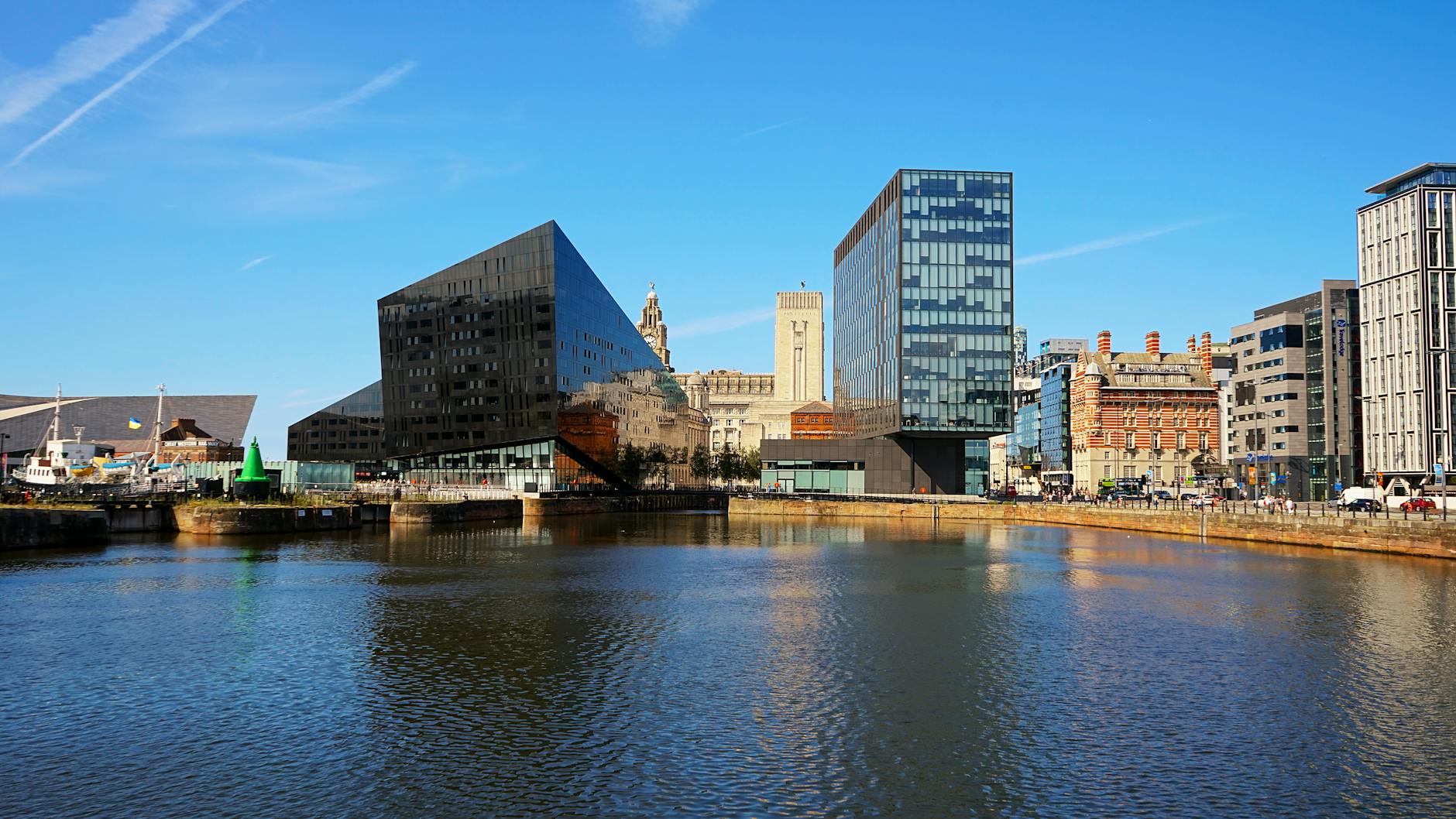
City Centre: Best for First-Time Visitors
Liverpool’s city centre is the most popular area for visitors and for good reason. Staying here puts you within walking distance of virtually everything — Liverpool ONE shopping centre, the Cavern Club and Beatles Quarter, the waterfront museums, both cathedrals, and the city’s best restaurants and bars. The main train station, Lime Street, is right in the heart of the centre, making arrival and departure effortless.
Accommodation in the city centre ranges from international chains like the Hilton Liverpool City Centre and Crowne Plaza to independent boutique hotels. Average nightly rates start around £80 for a comfortable mid-range double room, rising to £150 or more for premium options. The area is busiest on weekend evenings and football match days, when bars and streets come alive with a distinctly Scouse energy.
The city centre is ideal for first-time visitors, short weekend breaks, and anyone who wants maximum convenience. The only downside is that it can be noisy on Friday and Saturday nights, particularly around the Concert Square area — request a room on a higher floor or away from the street if you’re a light sleeper.
Albert Dock and Waterfront: Best for Culture and Families
The Royal Albert Dock and surrounding waterfront area offer Liverpool’s most scenic accommodation setting. The Grade I listed dock buildings, dating from 1846, house cultural attractions including The Beatles Story. The Merseyside Maritime Museum and the International Slavery Museum are closed for essential maintenance ahead of a major redevelopment, with no reopening date, and Tate Liverpool is temporarily at RIBA North on Mann Island while its Royal Albert Dock home is redeveloped, with a return to the dock due in 2027. Staying here means you can wander down to the dock for a morning coffee with views across the water before the crowds arrive.
The waterfront has a calmer, more relaxed atmosphere than the city centre, making it particularly well suited to families and couples. Hotels in this area include the Premier Inn Liverpool City Centre (Albert Dock), housed in a converted Grade I listed warehouse, the Holiday Inn Express Royal Albert Dock, and the stylish Pullman Liverpool overlooking Kings Dock. The YHA Liverpool Albert Dock offers excellent budget accommodation in a modern, purpose-built hostel right on the waterfront.
Nightly rates on the waterfront are comparable to the city centre, starting from around £75 for mid-range options. The area is about a 10-minute walk from Lime Street station and well connected by bus. The main drawback is that dining options close relatively early compared to the city centre, so you may find yourself walking back into town for late evening meals.
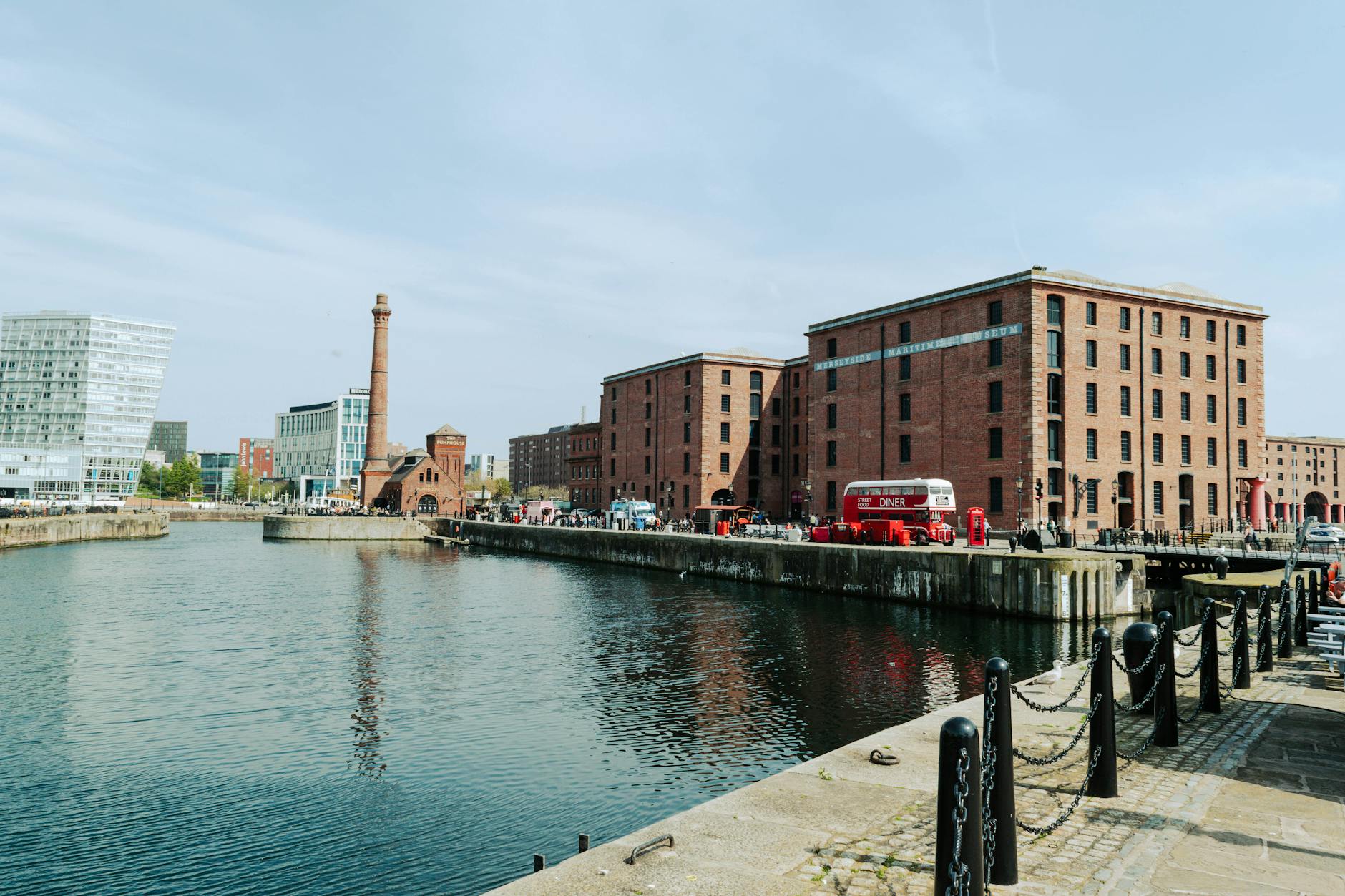
Ropewalks: Best for Nightlife and Dining
Ropewalks is the neighbourhood to choose if you want to be at the epicentre of Liverpool’s restaurant and bar scene. Centred around Bold Street — regularly voted one of Britain’s best independent high streets — and the surrounding grid of streets between the two cathedrals, Ropewalks is home to some of Liverpool’s most exciting dining, from pan-Asian street food to fine dining, craft beer bars to cocktail lounges.
The area has a youthful, creative energy and attracts a mix of students, young professionals, and culturally minded visitors. Accommodation here tends to be slightly more affordable than the waterfront or prime city centre, with several stylish boutique hotels catering to younger travellers. Average nightly rates start from around £70 for boutique options. The Lock & Key Boutique Hotel and The Resident Liverpool are standout choices in this area.
Ropewalks is ideal for couples, solo travellers, and anyone who prioritises food and nightlife. It’s within easy walking distance of both the waterfront and the city centre. Be aware that weekend nights can be lively — this is a feature rather than a bug for most Ropewalks guests, but worth noting if you prefer a quieter stay.
Georgian Quarter: Best for Architecture and Tranquillity
The Georgian Quarter is Liverpool’s most elegant neighbourhood, defined by handsome Georgian townhouses, tree-lined streets, cobbled lanes, and an atmosphere of quiet sophistication. Located between the two cathedrals on the ridge above the city centre, this area offers a peaceful retreat that still feels close to everything.
Hope Street, the main artery of the Georgian Quarter, is home to some of Liverpool’s finest restaurants, including the celebrated London Carriage Works and the Art School restaurant. The Philharmonic Dining Rooms — one of England’s finest and most ornate Victorian pubs — is here, as is the legendary Ye Cracke, one of John Lennon’s favourite drinking spots during his art college years.
The Hope Street Hotel is the neighbourhood’s standout accommodation option, a boutique hotel converted from a former Venetian palazzo-style building with beautifully designed rooms and an excellent restaurant. Several Georgian townhouses in the area have been converted into bed and breakfasts and small guesthouses, offering a more intimate and characterful stay than chain hotels can provide.
Nightly rates in the Georgian Quarter start from around £90, reflecting the area’s upmarket character. It’s a 10-minute walk downhill to the waterfront or city centre. This neighbourhood is perfect for couples, culture enthusiasts, and anyone who values atmosphere and architecture over proximity to shopping and nightlife.
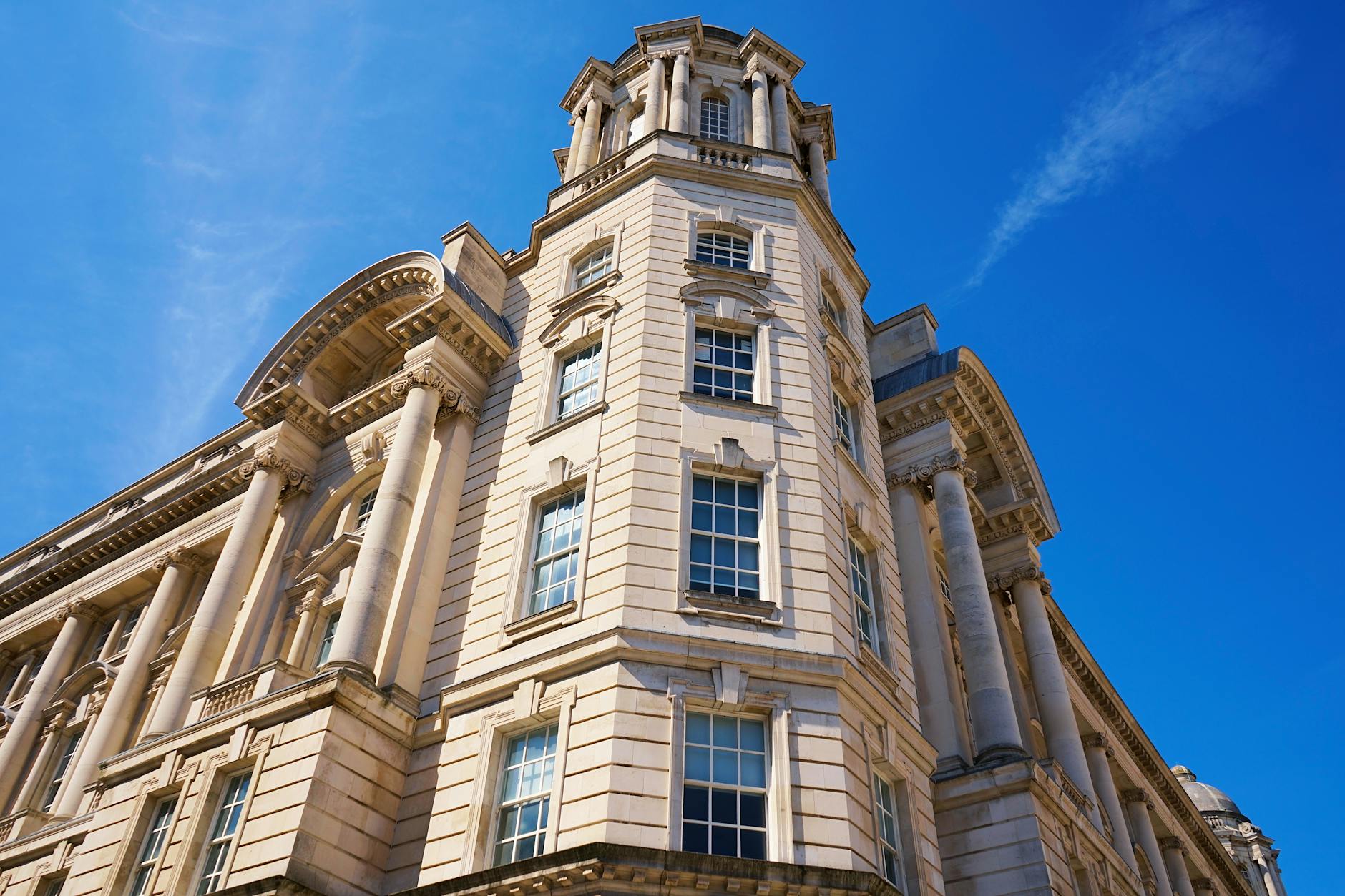
Baltic Triangle: Best for Creative Travellers
The Baltic Triangle has transformed from a post-industrial wasteland into one of the UK’s coolest neighbourhoods over the past decade. Located south of the city centre, this area is home to street art, independent breweries, food markets, live music venues, co-working spaces, and a buzzing weekend scene centred around the Baltic Market — a covered food hall in a converted warehouse.
Accommodation options in the Baltic Triangle are growing rapidly, with new apart-hotels and boutique properties opening regularly. The Baltic Hotel on Jamaica Street is a popular choice, offering colourful, design-led rooms at competitive prices from around £60 per night. Several apartment and Airbnb-style properties in converted warehouses offer a more authentic neighbourhood experience.
The Baltic Triangle is ideal for younger travellers, creatives, and anyone who wants to experience Liverpool’s contemporary culture rather than its heritage attractions. It’s well connected to the waterfront (a 10-minute walk) and city centre (15 minutes), but can feel quiet during weekday daytimes. Evening and weekend energy levels are high.
Knowledge Quarter: Best for Budget Travellers
The Knowledge Quarter, centred around the University of Liverpool and the Royal Liverpool Hospital, offers some of the city’s most affordable accommodation. Located just east of Lime Street station, this area has a student-friendly vibe with plenty of budget eateries, cafes, and pubs. The International Inn and Hatters Hostel on Mount Pleasant are both popular with backpackers and budget-conscious travellers.
While not the most scenic neighbourhood, the Knowledge Quarter’s central location means you can walk to virtually any city centre attraction within 10 to 15 minutes. Nightly rates at hostels start from as little as £15 for a dorm bed, making this the most budget-friendly option in the city.
Accommodation Types in Liverpool
Liverpool offers a full spectrum of accommodation types, from world-class luxury hotels to characterful hostels. Here’s what to expect from each category and who they’re best suited to.
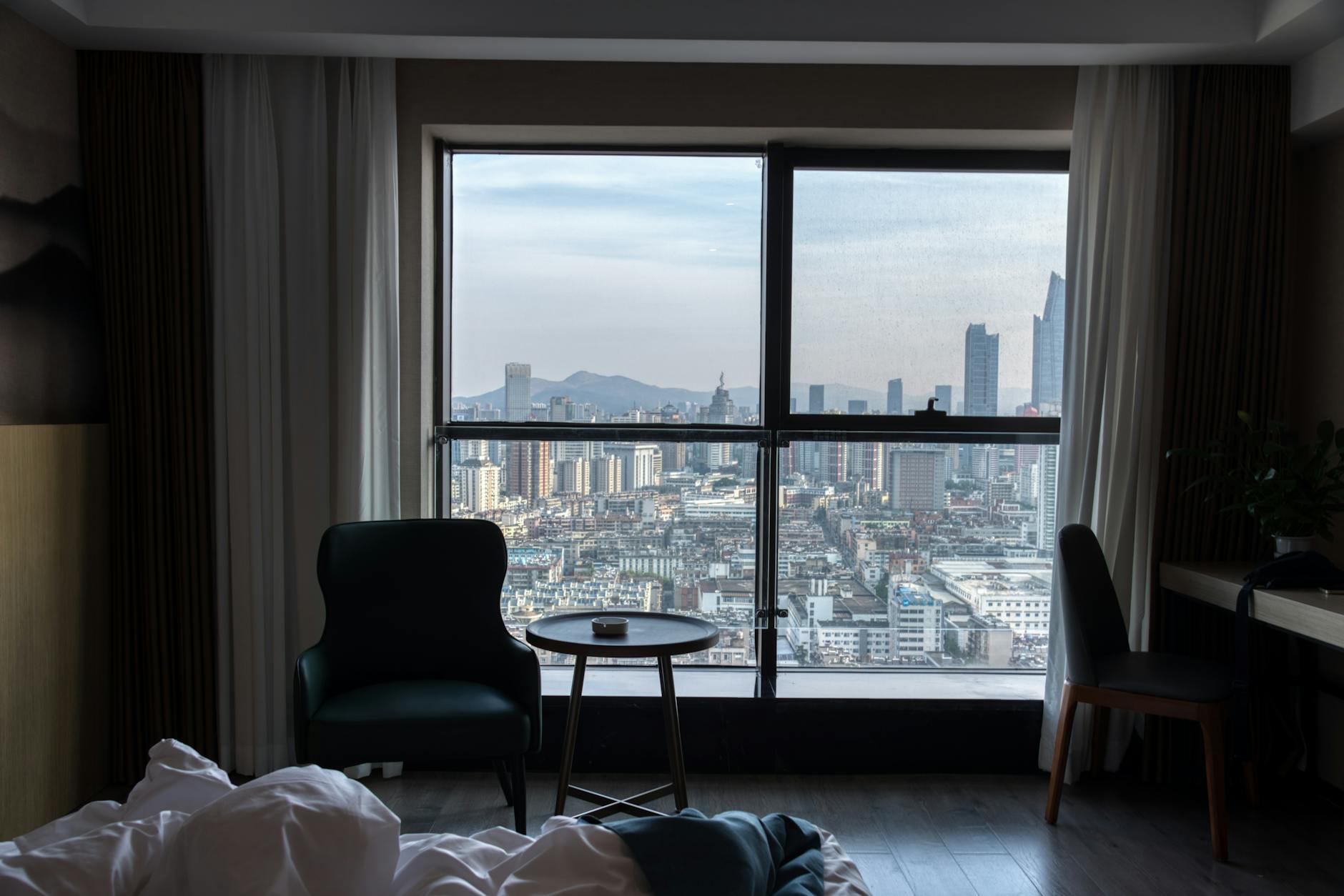
Luxury and Premium Hotels
Liverpool’s luxury hotel scene has grown significantly in recent years, with several properties now competing with the best in any UK city. The Titanic Hotel, set in the beautifully restored rum warehouse at Stanley Dock in the North Docks area, is arguably Liverpool’s most impressive hotel — its vast industrial spaces, original features, and waterfront setting create an atmosphere unlike anything else in the city. The Pullman Liverpool on the Kings Dock waterfront offers sleek, modern luxury with panoramic views, while the INNSiDE by Meliá on Old Hall Street brings a contemporary European design sensibility to the business district.
For Beatles fans, the Hard Days Night Hotel on North John Street is one of very few Beatles-themed hotels in the world, with original artwork in every room and a central location steps from the Cavern Club. The Hotel Indigo Liverpool, part of the IHG boutique brand, offers individually designed rooms that reflect the city’s musical and cultural heritage.
Expect to pay from £120 to £250 per night for luxury accommodation in Liverpool, with premium suites and special event dates commanding higher rates. Compared to London, Liverpool’s luxury hotels offer exceptional value for money.
Mid-Range Hotels
The mid-range category is Liverpool’s strongest, with an excellent selection of well-located, comfortable hotels at reasonable prices. Jurys Inn Liverpool, less than five minutes’ walk from Albert Dock, offers over 300 rooms with a restaurant and bar. The Malmaison Liverpool, part of the popular boutique chain, combines a central location near Liverpool ONE with individually styled rooms and an excellent brasserie.
International chains are well represented — Holiday Inn Express, Hampton by Hilton, and Novotel all have well-located Liverpool properties. For something with more local character, The Shankly Hotel on Victoria Street is dedicated to Liverpool FC’s legendary manager Bill Shankly and features a museum, rooftop bar, and rooms themed around the club’s history.
Mid-range rates in Liverpool typically fall between £70 and £120 per night, making a comfortable city centre stay accessible for most budgets. Book directly with hotels rather than through third-party sites for the best rates and flexibility.
Budget Hotels and Hostels
Liverpool is one of the most budget-friendly major cities in the UK for accommodation. The Premier Inn chain has several well-located properties, including the Albert Dock location in a converted heritage building and a city centre property on Hanover Street. Travelodge Liverpool Central, right across from Pier Head, offers basic but clean rooms with rates often starting below £40 per night.
For the most affordable stays, Liverpool’s hostels are excellent. The YHA Liverpool Albert Dock is a modern, purpose-built hostel right on the waterfront, offering both dorm beds and private rooms. Hatters Hostel on Mount Pleasant occupies a characterful building near Lime Street station and has a friendly, social atmosphere. The Embassie in a 200-year-old building on Falkner Square is one of Liverpool’s most characterful hostels, set in a beautiful Georgian mansion in the heart of the Georgian Quarter.
Hostel dorm beds start from around £15 per night, while budget hotel rooms can be found for £35 to £60. These prices make Liverpool an accessible destination even for backpackers and students on tight budgets.
Serviced Apartments and Self-Catering
Serviced apartments have become increasingly popular in Liverpool, offering more space and independence than traditional hotels. They’re particularly good value for families, groups, and visitors staying longer than a few nights. Having a kitchen means you can save significantly on food costs, and the extra living space makes a big difference on longer trips.
The city centre has a growing supply of professionally managed apart-hotels, including Staycity Aparthotels on Waterloo Street and Base Serviced Apartments on multiple sites across the centre. These offer the reliability and amenities of a hotel — reception desk, cleaning service, secure entry — combined with the space and flexibility of an apartment.
For a wider selection, platforms like Airbnb and Booking.com list hundreds of apartments across all Liverpool neighbourhoods. The best areas for apartment rentals mirror the best hotel areas — city centre, waterfront, Ropewalks, and the Georgian Quarter all have strong options. Expect to pay from £60 per night for a well-located one-bedroom apartment, with larger properties and premium locations commanding £100 to £150 or more.
When booking apartments, check the exact location carefully — some listings marketed as “city centre” may be in less convenient areas. Look for properties with multiple recent reviews and verified host status for the most reliable experience.
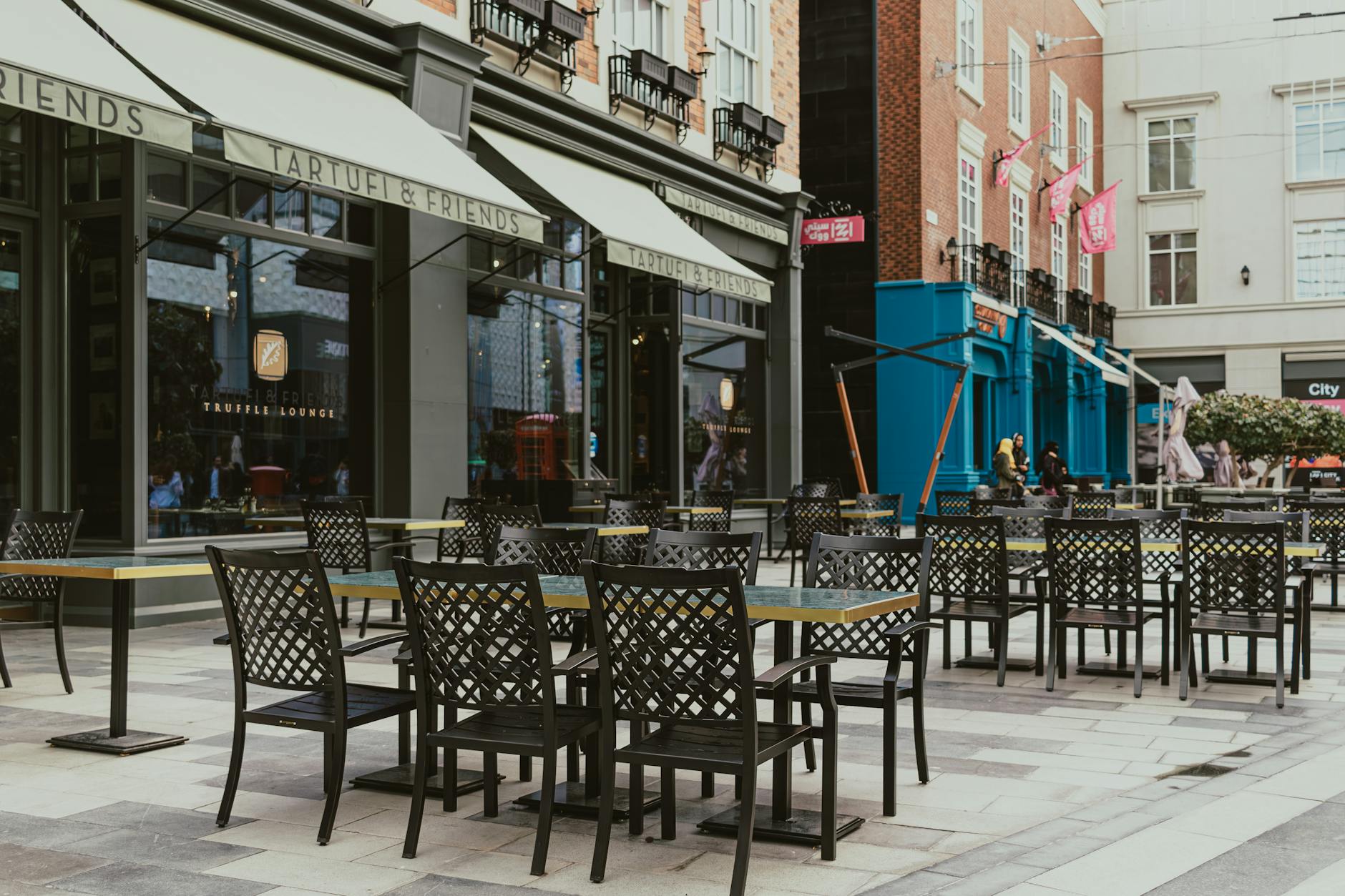
Where to Stay for Specific Interests
Where to Stay for Beatles Fans
If The Beatles are the primary reason for your Liverpool visit, stay in the city centre near Mathew Street. The Hard Days Night Hotel is the obvious first choice — it’s one of very few Beatles-themed hotels in the world and sits just steps from the Cavern Club. For a more affordable option, any hotel in the city centre or on the waterfront near Albert Dock will keep you close to The Beatles Story museum and the Magical Mystery Tour departure point. Our complete Beatles Liverpool guide covers every site and tour in detail.
Where to Stay for Football Fans
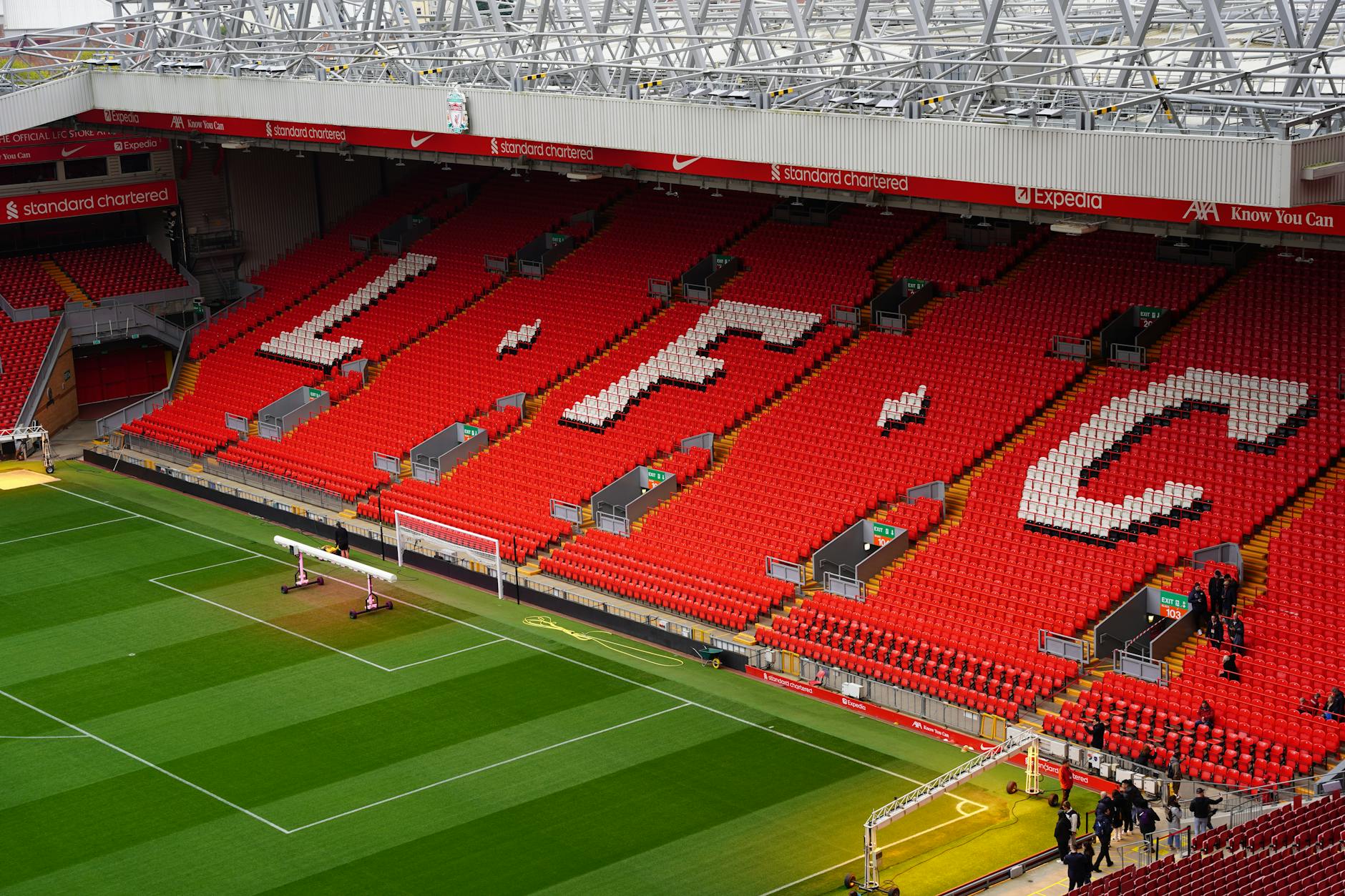
If you’re visiting Liverpool for a match at Anfield, you have two main options. Staying near the stadium gives you the matchday atmosphere and an easy walk to the ground — Hotel Anfield on Anfield Road is literally 200 steps from the Kop, and the Flat Iron Anfield and Hotel Tia are both within a few minutes’ walk. However, Anfield is a residential area about three miles north of the city centre, so you’ll need a bus or taxi to reach other attractions.
The alternative — and our recommendation for most visitors — is to stay in the city centre and travel to Anfield on matchday. The journey takes about 20 minutes by bus or taxi, and staying centrally means you can enjoy Liverpool’s restaurants, bars, and attractions without being dependent on transport. Pre-match and post-match atmosphere is excellent in the city centre pubs too, especially along Dale Street and around Concert Square.
Whichever option you choose, book accommodation well in advance for matchday weekends. Liverpool FC home games push hotel prices up significantly, and availability can be scarce — particularly for high-profile fixtures. Everton FC’s move to their new stadium at Bramley-Moore Dock on the waterfront means that waterfront hotels will also see increased matchday demand.
Where to Stay for Families
Families with children should prioritise the Albert Dock waterfront area or the city centre. The waterfront offers a calmer daytime environment with easy access to child-friendly museums, open spaces along the dock, and the Mersey Ferry departure point. Premier Inn Albert Dock and Holiday Inn Express Royal Albert Dock both offer family rooms and are well set up for guests with children.
Serviced apartments are often the best family option, providing the extra space that hotel rooms lack and the ability to prepare simple meals. The Staycity Aparthotels in the city centre offer family-friendly units with separate sleeping areas and kitchenettes. For a special treat, the Titanic Hotel at Stanley Dock has spacious rooms and a waterside setting that children love exploring.
Where to Stay for Couples
Couples looking for a romantic Liverpool break should consider the Georgian Quarter or the waterfront. The Hope Street Hotel offers one of Liverpool’s most romantic settings, with beautifully designed rooms and an award-winning restaurant. The Titanic Hotel’s vast, atmospheric spaces and waterfront location make it another excellent choice for couples. For a Beatles-themed romantic stay, the Lennon and McCartney suites at the Hard Days Night Hotel are unforgettable splurges.
In the Ropewalks area, boutique properties like The Resident Liverpool offer stylish design at more accessible prices, with Bold Street’s restaurants and bars right outside the door. The Georgian Quarter B&Bs offer the most intimate, characterful stay if you prefer something smaller and more personal than a hotel.
Practical Accommodation Tips for Liverpool
When to Book and What to Expect on Prices
Liverpool accommodation prices fluctuate significantly based on events and seasons. The most expensive periods are football matchday weekends (especially for big Premier League fixtures and European nights), International Beatleweek in late August, major concerts and events at the M&S Bank Arena, and the Grand National race meeting at nearby Aintree in April. During these peak periods, prices can double or even triple compared to quiet midweek rates.
For the best prices, book at least four to six weeks in advance for weekend stays and check event calendars before committing to dates. Midweek stays (Sunday to Thursday) are almost always cheaper and less crowded. January and February offer the lowest rates across all accommodation types, while summer weekends command the highest prices.
As a general guide, expect to pay £35 to £60 for budget hotels, £70 to £120 for mid-range, £120 to £250 for luxury, and £15 to £30 for hostel dorm beds. Serviced apartments start from around £60 per night for a one-bedroom unit. These rates are significantly lower than comparable accommodation in London, Manchester, or Edinburgh, making Liverpool outstanding value for a UK city break.
Getting from Your Hotel to Liverpool’s Attractions
If you stay in the city centre, waterfront, Ropewalks, Georgian Quarter, or Baltic Triangle, you can reach most major attractions on foot. Liverpool’s compact centre means that even the furthest points — say, from the Baltic Triangle to Lime Street station — are only about a 20-minute walk.
For attractions outside the centre, such as Anfield, Penny Lane, Strawberry Field, and Sefton Park, Merseyrail trains and Arriva buses provide frequent, affordable connections. A Saveaway ticket, available from Merseyrail stations, gives you unlimited bus and train travel across Merseyside for a single day at a very reasonable price. Taxis from the city centre to Anfield or Penny Lane typically cost £8 to £12.
If you’re driving to Liverpool, be aware that city centre parking is expensive — typically £15 to £25 per day. Many hotels charge extra for parking, so check before booking. Some hotels on the outskirts offer free parking, but you’ll need to factor in transport costs to the centre. Park and ride services operate on matchdays for Anfield. For a comprehensive overview of all city attractions, see our guide to things to do in Liverpool.
Accessibility and Special Requirements
Liverpool’s modern and refurbished hotels generally offer good accessibility, with step-free access, adapted rooms, and accessible bathrooms. The chain hotels — Premier Inn, Holiday Inn Express, Hilton, and Crowne Plaza — all meet current UK accessibility standards and can accommodate most requirements with advance notice.
Older buildings, including some boutique hotels and Georgian Quarter guesthouses, may have limited accessibility due to heritage building constraints — always check directly with the property before booking if you have specific access needs. Liverpool’s waterfront area is fully accessible and flat, making it the easiest neighbourhood to navigate for wheelchair users and those with mobility challenges.
Safety Considerations
Liverpool is a safe city for visitors, and all the neighbourhoods recommended in this guide are suitable for tourists, including solo travellers and families. As with any city, standard urban precautions apply — keep valuables secure, be aware of your surroundings late at night, and use licensed taxis or ride-sharing apps for late-night journeys.
The city centre can be boisterous on Friday and Saturday nights, particularly around Concert Square and Mathew Street. This is generally good-natured revelry rather than anything threatening, but if you prefer a quieter evening environment, the Georgian Quarter, waterfront, or a hotel away from the main nightlife streets will provide a more peaceful experience.
Our Neighbourhood Recommendations at a Glance
To summarise: first-time visitors and those wanting maximum convenience should choose the city centre. Families and culture lovers will thrive on the Albert Dock waterfront. Foodies and nightlife seekers should head to Ropewalks. Architecture enthusiasts and couples seeking romance will love the Georgian Quarter. Creative travellers and those on a tighter budget should explore the Baltic Triangle and Knowledge Quarter respectively. And football fans have the choice between Anfield atmosphere and city centre convenience, depending on their priorities.
Liverpool’s accommodation scene offers remarkable value compared to other major UK cities, and the city’s compact size means that wherever you stay, you’re never far from the action. Book ahead for busy periods, consider serviced apartments for longer stays or family trips, and don’t be afraid to explore the neighbourhoods beyond the city centre — that’s where you’ll find Liverpool’s most characterful and memorable places to stay.
Frequently Asked Questions About Liverpool Accommodation
What Is the Best Area to Stay in Liverpool for a First Visit?
The city centre is the best area for first-time visitors. You’ll be within walking distance of Liverpool ONE, Mathew Street and the Cavern Club, the waterfront museums, both cathedrals, and all the city’s main dining and nightlife areas. Lime Street station is centrally located, making arrival and departure simple. The concentration of hotels here also means competitive pricing and plenty of choice at every budget level.
How Far in Advance Should I Book Liverpool Hotels?
For standard weekends, booking four to six weeks ahead usually secures good rates and availability. For major event weekends — Liverpool FC home matches, International Beatleweek in August, the Grand National at Aintree in April, and large concerts at the M&S Bank Arena — booking two to three months ahead is advisable. Midweek stays can often be booked at short notice without difficulty, and last-minute deals are common on Sunday to Wednesday nights during quieter months.
Is Liverpool Safe for Solo Travellers?
Liverpool is generally very safe for solo travellers, including solo female travellers. The city centre, waterfront, and all recommended neighbourhoods in this guide are well-lit, well-patrolled, and accustomed to visitors. Hostels like the YHA Albert Dock and Hatters Hostel have sociable common areas that make it easy to meet other travellers. The Scouse reputation for friendliness is well earned — locals are famously welcoming and happy to offer directions, restaurant recommendations, and conversation.
Are There Hotels with Parking in Liverpool City Centre?
Several city centre hotels offer on-site or nearby parking, though it usually comes at an additional daily charge of £10 to £20. The Crowne Plaza, Hilton, and Pullman all have parking options. Premier Inn locations vary — check your specific hotel before booking. For free parking, you’ll generally need to look at hotels outside the immediate city centre, in areas like the Knowledge Quarter or near Anfield. Public car parks in the city centre charge £10 to £25 per day, with the Liverpool ONE car park being one of the most convenient.
What Is the Cheapest Time to Visit Liverpool?
January and February consistently offer the lowest hotel rates across Liverpool, with midweek stays during these months providing the best possible value. November (excluding bonfire weekend) and early December before the Christmas markets open are also affordable periods. Avoid the Grand National week in early April, August Beatleweek, and any weekend with a high-profile Liverpool FC or Everton FC home fixture if you want to keep costs down.
Complete Where to Stay in Liverpool Guides
Our full set of Liverpool accommodation guides, covering every kind of trip:
- Best Hotels in Liverpool City Centre
- Best Budget Hotels and Hostels in Liverpool
- Liverpool Neighbourhood Guide: Best Areas to Stay
- Best Hotels Near Albert Dock Liverpool
- Best Family Hotels Liverpool
- Best Boutique Hotels Liverpool
- Best Serviced Apartments Liverpool
- Best Hotels Near Anfield Liverpool
- Best Romantic Hotels Liverpool
If you are coming by train, our guide to hotels near Lime Street station covers the hotels a short walk from the trains, with parking, pets, luggage storage and tips on noise.