This article contains advertising. Our booking links are routed through a partner that adds commission tracking automatically, so if you book through one we earn a commission from the provider, at no extra cost to you. It never affects what we recommend. Affiliate disclosure
Liverpool’s food scene has undergone a quiet revolution over the past decade. What was once a city known primarily for its scouse stew and pub grub has become one of the most exciting dining destinations in the UK, with a restaurant culture that punches well above its weight for a city of its size. From fine dining and gastropubs to street food markets and independent cafes, Liverpool now serves up good eating at every price point.
This guide takes you through Liverpool’s complete food and dining landscape — the neighbourhoods to explore, the cuisines you’ll find, the restaurants that deserve your time, and the practical tips that will help you eat brilliantly without overspending. Whether you’re a foodie planning an entire trip around eating, or a visitor who simply wants to know where to get a great meal between sightseeing stops, this is your comprehensive resource for eating in Liverpool.
Liverpool’s Food Neighbourhoods
Liverpool’s restaurants are clustered in distinct neighbourhoods, each with its own culinary identity. Understanding where to head — and what to expect when you get there — is the first step to eating well in the city.
Bold Street: Liverpool’s Independent Food Capital
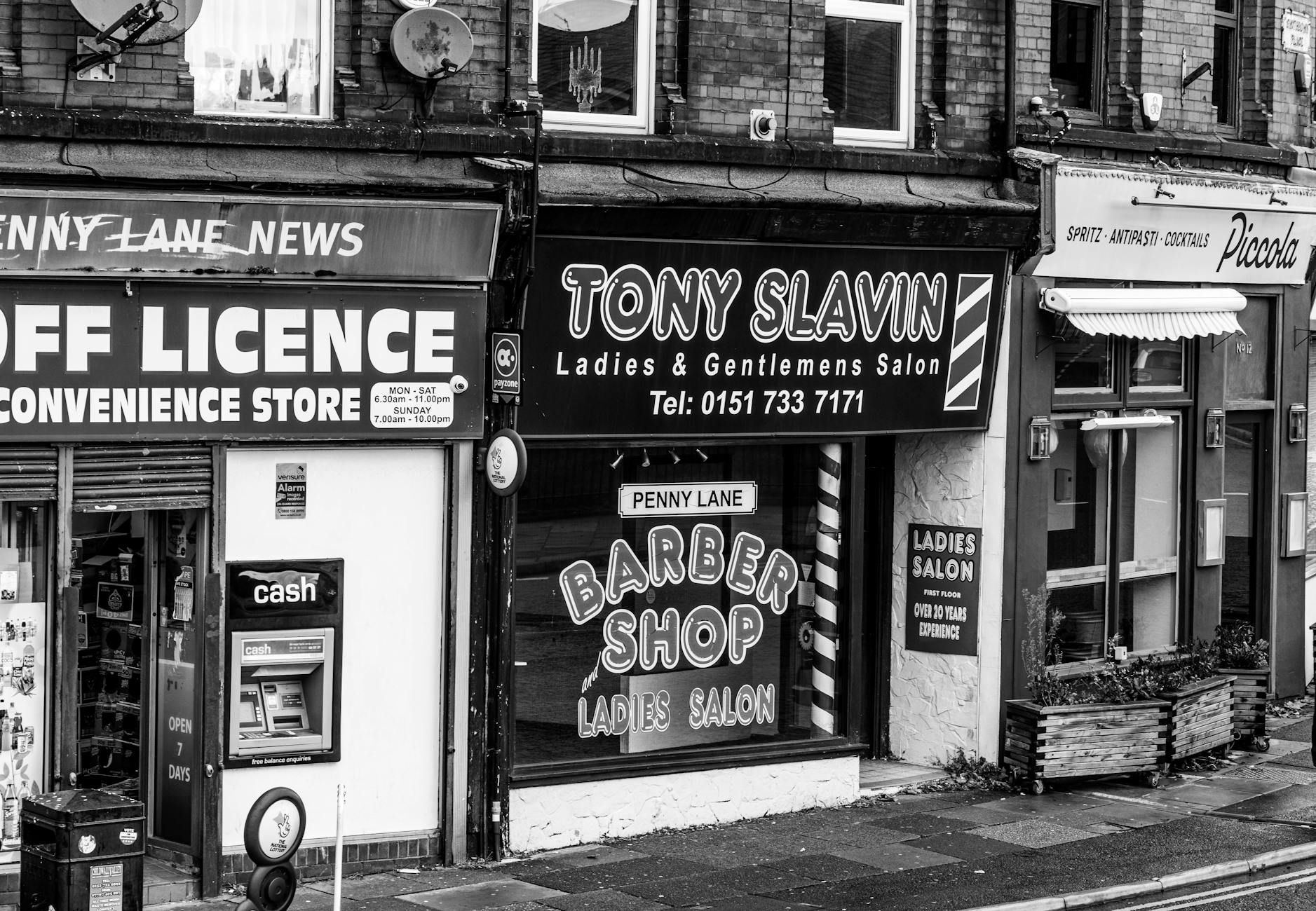
Bold Street is the beating heart of Liverpool’s independent dining scene and regularly features in lists of Britain’s best high streets. This steep, characterful street running from the Bombed Out Church at the top down towards the main shopping district is home to a concentration of independent restaurants, cafes, and food shops representing cuisines from every corner of the world.
You’ll find Middle Eastern small plates at Maray — one of Liverpool’s most acclaimed restaurants, serving Lebanese and Moroccan-inspired dishes in a relaxed, buzzy setting. Indian street food at Mowgli, created by Nisha Katona MBE, offers a completely different approach to Indian cuisine, with tiffin boxes, chaat, and dishes inspired by the meals Nisha ate growing up. Bundobust combines Indian vegetarian street food with craft beer in a lively, communal setting that’s become a favourite among locals and visitors alike.
Bold Street is also home to some of Liverpool’s best cafes. The Egg Cafe, tucked away up a narrow staircase in a bohemian loft space, has been serving vegetarian and vegan food since the 1990s and remains a beloved local institution. Root Coffee on the corner serves specialty coffee that ranks among the best in the city. The sheer diversity packed into a single street is remarkable — you could eat on Bold Street every day for a fortnight and never repeat a cuisine.
Ropewalks and Duke Street
The Ropewalks area, stretching south from Bold Street through Duke Street and the surrounding grid of streets, is Liverpool’s most concentrated dining district. This is where you’ll find many of the city’s destination restaurants alongside casual eateries, cocktail bars, and late-night dining spots.
Duke Street and its side streets host several of Liverpool’s most talked-about restaurants. The Art School Restaurant, housed in a beautiful Victorian building on Sugnall Street, is one of Liverpool’s finest dining experiences — chef Paul Askew champions seasonal British ingredients with precision and creativity. Hawksmoor Liverpool, set in the spectacular Grade II*-listed India Buildings, serves some of the best steak in the north of England, with dry-aged cuts cooked over charcoal.
The Ropewalks area comes alive in the evenings, and many restaurants here offer pre-theatre and early evening menus at attractive prices. If you’re staying in this part of the city — and our accommodation guide explains why it’s one of the best areas — you’ll have dozens of excellent dining options within a five-minute walk.
The Baltic Triangle
The Baltic Triangle has become Liverpool’s most dynamic food neighbourhood, driven by the phenomenal success of Baltic Market. Set in a converted warehouse on the old Cains Brewery site, Baltic Market is Liverpool’s original street food market, operating Thursday through Sunday with a rotating lineup of independent food vendors serving everything from loaded fries and tacos to wood-fired pizza and Korean fried chicken.
Beyond Baltic Market, the Baltic Triangle hosts a growing collection of independent restaurants, craft breweries, and coffee roasters. The neighbourhood has a creative, slightly raw energy that attracts younger diners and foodies looking for something different from the more polished city centre. Weekend evenings here combine excellent food with live music, DJs, and a social atmosphere that feels distinctly Liverpool.
The Georgian Quarter and Hope Street
Hope Street, connecting Liverpool’s two cathedrals, is the city’s most refined dining corridor. The London Carriage Works, housed in the Hope Street Hotel, serves modern British cuisine with an emphasis on locally sourced ingredients. The restaurants along Hope Street and the surrounding Georgian Quarter tend to attract a slightly older, more affluent crowd and offer a more relaxed pace than the bustling city centre.
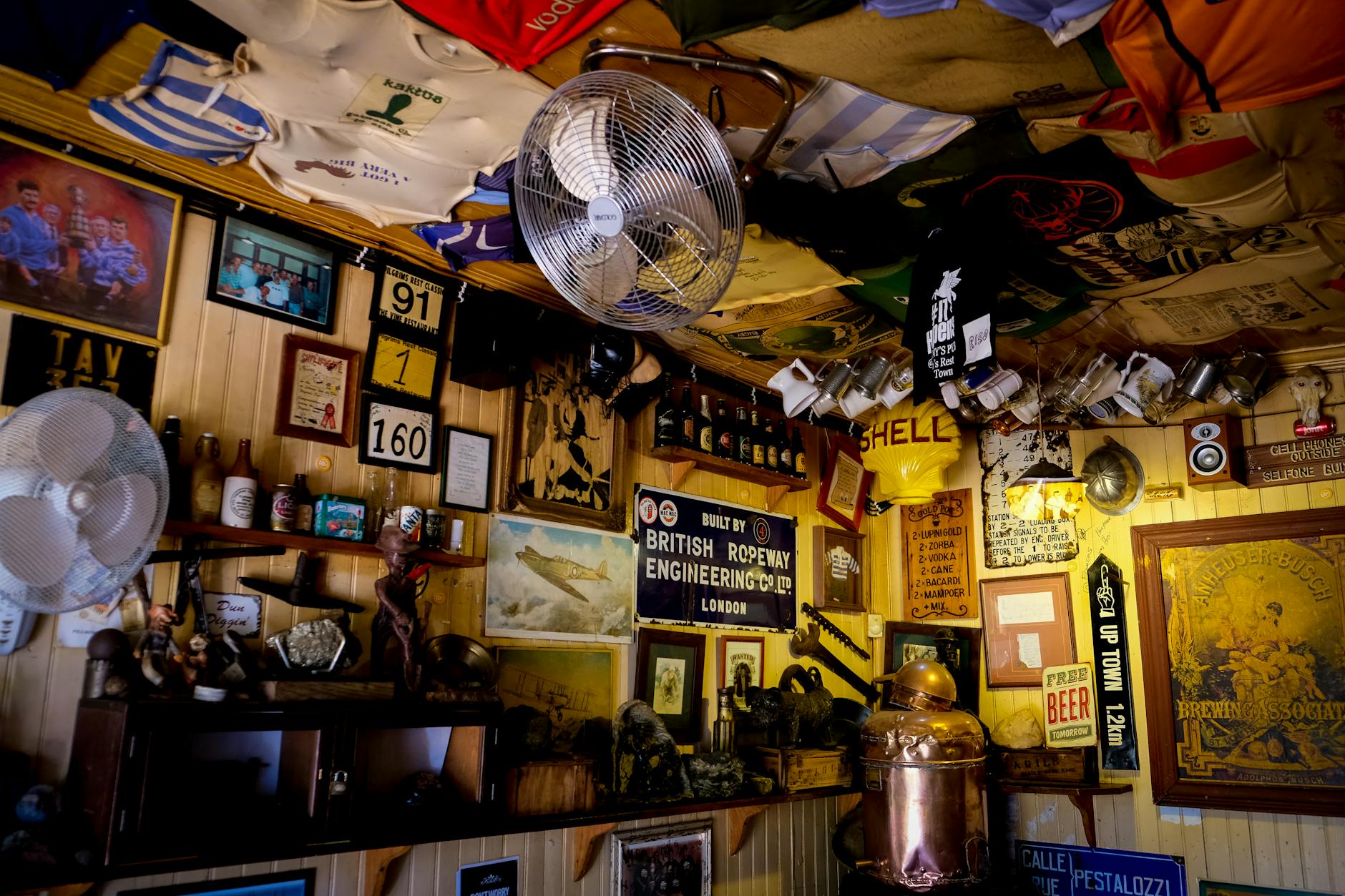
The Philharmonic Dining Rooms on Hope Street is not just a pub — it’s a Grade I listed architectural masterpiece, widely regarded as the most ornate pub in England. Built between 1898 and 1900, the interior features elaborate plasterwork, stained glass, mosaic floors, and a series of intimate side rooms named after composers. The food here is excellent traditional pub fare, and the real ale selection is outstanding. Even if you don’t eat here, step inside for a drink — the building alone is worth the visit.
Lark Lane and South Liverpool
Lark Lane, a short bus ride south of the city centre near Sefton Park, is a charming village-like street that locals consider one of Liverpool’s best-kept dining secrets. Lined with independent restaurants, delis, and cafes, Lark Lane has a more neighbourhood feel than the city centre. The Old School House gastropub, set in a striking 19th-century school building, serves excellent pan-European dishes alongside wood-fired pizza. Keith’s, a beloved local wine bar and bistro, offers unpretentious French-influenced cooking in a cosy setting.
Lark Lane is particularly good for a relaxed lunch combined with a stroll through Sefton Park — Liverpool’s finest green space. The Sunday afternoon atmosphere here, with families and couples drifting between park, restaurants, and delis, is quintessentially Liverpudlian.
Fine Dining in Liverpool
Liverpool’s fine dining scene has matured significantly. While the city doesn’t yet have a Michelin-starred restaurant in the traditional sense, Manifest in the Baltic Triangle has earned a Michelin star, and several other restaurants hold Michelin recommendations. More importantly, Liverpool’s top restaurants offer cooking that competes with any regional city in Britain, at prices that represent exceptional value compared to London or Manchester.
The Art School Restaurant remains Liverpool’s most celebrated fine dining destination. Chef Paul Askew, a familiar face from BBC’s Saturday Kitchen and Celebrity MasterChef, creates beautifully composed dishes that showcase the best of British seasonal produce. The tasting menu is the way to experience the restaurant at its best — expect dishes that are both technically accomplished and deeply satisfying.
NORD, led by executive chef Daniel Heffy, brings a Scandinavian-influenced approach to Liverpool dining. After working in Michelin-starred kitchens in Stockholm, Heffy returned to his hometown to create a restaurant that highlights locally sourced ingredients prepared with Nordic precision and restraint. The result is some of the most interesting and forward-thinking cooking in the city.
Restaurant 8 offers one of Liverpool’s more unusual fine dining concepts — counter dining, with individual seats reserved in advance and a choice of menus. It’s dining as theatre, and the intimate format creates a memorable evening that goes far beyond a typical restaurant meal.
Street Food and Food Markets
Liverpool’s street food scene is one of the liveliest in the UK, anchored by several permanent and semi-permanent food markets that have become destinations in their own right.
Baltic Market
Baltic Market is the undisputed star of Liverpool’s street food scene. Operating from the Cains Brewery complex in the Baltic Triangle, this covered market brings together a rotating cast of independent food vendors under one roof. The atmosphere is convivial and informal — order via QR codes at your table, food is delivered directly to you, and the communal seating encourages the kind of easy socialising that Liverpool does better than almost any other city.
The vendor lineup changes regularly, so check who is trading before you visit, but the options include Neapolitan pizza, Thai dishes, burritos, rice bowls and burgers. The bar serves local craft beers, cocktails, and wine. Weekend evenings feature live music and DJ sets, transforming the space into something between a food hall and a party. Baltic Market operates Thursday to Sunday, with extended hours on Fridays and Saturdays.
Other Food Markets and Halls
Beyond Baltic Market, Liverpool hosts several regular food events. The Liverpool Food and Drink Festival, held annually in Sefton Park, brings together the city’s best restaurants, producers, and street food vendors for a weekend celebration. Various pop-up markets operate throughout the year in locations across the city, often announced through social media. Check local listings and the Visit Liverpool website for what’s on during your stay.
Best Pubs and Gastropubs
Liverpool has one of the finest pub cultures in Britain, with historic drinking establishments that double as architectural treasures and a new generation of gastropubs serving food that rivals dedicated restaurants.
The Philharmonic Dining Rooms on Hope Street, as mentioned above, is the city’s crown jewel — a Grade I listed building of national significance that also happens to serve very good pub food and keep an excellent cellar of real ales. The ornate Victorian interior, with its carved woodwork, copper panels, and mosaic floors, makes every visit feel like stepping back in time.
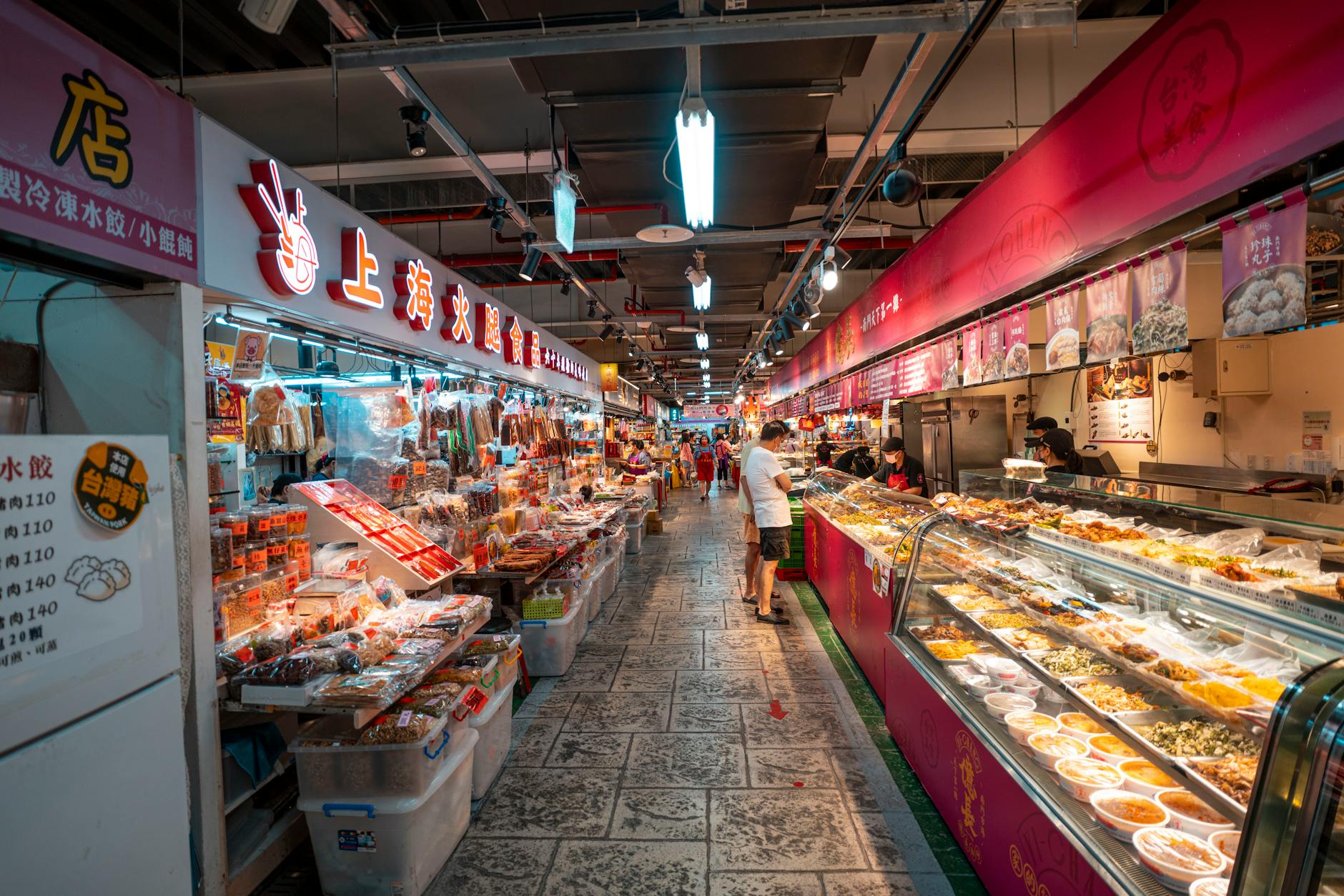
The Grapes on Mathew Street was The Beatles’ regular pub between Cavern Club sessions and retains a wonderfully authentic atmosphere. Peter Kavanagh’s on Egerton Street is another Liverpool gem — an eccentric, independently run pub with mismatched furniture, a roaring fire, and walls covered in paintings and curiosities. Ye Cracke on Rice Street, John Lennon’s favourite art school pub, serves a good pint in a setting that hasn’t changed much since the 1960s.
For gastropub dining, the Old School House on Lark Lane and the Pen Factory on Hope Street offer excellent food in characterful settings.
Brunch Culture in Liverpool
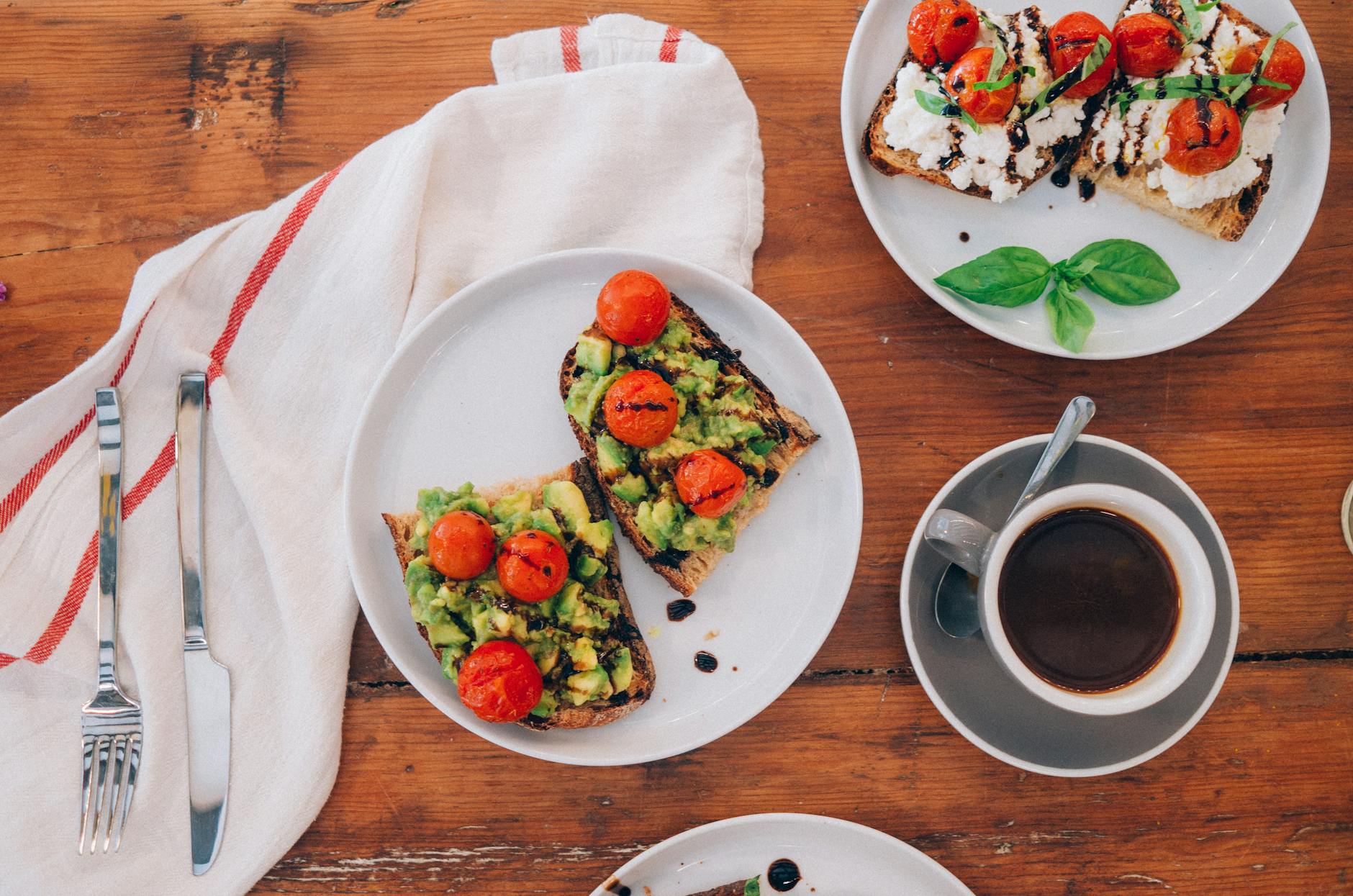
Liverpool’s brunch scene has exploded in recent years, with dedicated brunch spots, bottomless brunch deals, and weekend morning queues outside the most popular venues. The city takes its weekend brunch seriously, and you’ll find options ranging from classic full English breakfasts to Instagram-worthy avocado toast creations and everything in between.
The Brunch & Cocktail Club on Duke Street is one of the most popular dedicated brunch venues, offering an extensive menu in a plant-filled, rustic-chic setting. Ma Boyle’s Alehouse and Eatery near the Town Hall serves legendary breakfast burritos and traditional fry-ups in a venue that seamlessly transitions from morning brunch spot to evening dining destination.
For a more indulgent brunch, several venues offer bottomless options where unlimited Prosecco, Bloody Marys, or craft beer accompany your food for a fixed price — typically around £30 to £40 per person. These tend to run on Saturdays and Sundays and should be booked in advance as they’re consistently popular. Check individual venue websites for current availability and pricing.
Vegetarian and Vegan Dining
Liverpool has one of the strongest vegetarian and vegan dining scenes of any UK city outside London. The city’s independent food culture has embraced plant-based eating enthusiastically, and you’ll find excellent vegan options everywhere from street food markets to fine dining restaurants.
The Egg Cafe on Newington, just off Bold Street, was a pioneer of vegetarian dining in Liverpool and remains a beloved institution. Tucked up a narrow staircase in a bohemian loft space, it serves homemade soups, salads, burgers, and cakes, with a full vegan roast dinner on Sundays that draws a loyal crowd. Glass Onion on Allerton Road is another dedicated vegetarian restaurant, offering everything from vegan fry-ups to pancakes and a meat-free version of Liverpool’s signature scouse stew.
Bundobust on Bold Street combines Indian vegetarian street food with an impressive craft beer selection, creating one of the most enjoyable casual dining experiences in the city. Food From Nowhere, a volunteer-run cafe beneath the News From Nowhere bookshop on Bold Street, serves entirely vegan food at prices that are almost absurdly affordable.
Most mainstream restaurants in Liverpool now offer substantial vegetarian and vegan options on their menus, and many — including Maray, Mowgli, and the Art School — have dedicated plant-based menus. The city’s inclusivity around dietary choices is one of its most welcoming features for visitors.
Afternoon Tea in Liverpool
Afternoon tea is a popular indulgence in Liverpool, with options ranging from lavish hotel experiences to more informal cafe-style offerings. The Philharmonic Dining Rooms offers a particularly distinctive version — traditional finger sandwiches, scones with clotted cream and jam, and a selection of sweet bites, served in one of England’s most beautiful pub interiors.
For a more traditional luxury afternoon tea, the city’s major hotels — including the Titanic Hotel, Hard Days Night Hotel, and the Hilton — all offer premium packages with champagne upgrades available. These tend to run between £25 and £45 per person, depending on the venue and whether you add fizz. Booking ahead is recommended, particularly for weekend slots.
Liverpool’s Signature Dishes and Local Food Culture
No food guide to Liverpool would be complete without mentioning scouse — the hearty lamb or beef stew that gave Liverpudlians their famous nickname. Scouse has its origins in the Norwegian lobscouse, a meat and vegetable stew brought to Liverpool by Scandinavian sailors. Today, it’s a point of local pride, and you’ll find it on pub menus across the city. The best scouse is simple, warming, and served with crusty bread and beetroot — comfort food at its finest.
Liverpool’s food culture is also deeply shaped by its port city heritage and the immigrant communities that settled here over centuries. Chinese Liverpool, centred around the oldest Chinatown in Europe (marked by the ornate arch on Nelson Street), has been part of the city’s fabric since the 19th century. The restaurants and supermarkets around Berry Street and Duke Street serve authentic Cantonese and Sichuan cuisine that rivals any Chinatown in the UK.
The city’s strong Irish and Welsh connections are reflected in its pub culture and traditional cooking, while more recent waves of immigration have brought outstanding Middle Eastern, South Asian, African, and Eastern European restaurants to the city. This layering of culinary traditions, combined with Liverpool’s fiercely independent spirit, creates a food scene that feels distinctive rather than derivative.
Practical Dining Tips for Visitors
Booking and Reservations
Liverpool’s most popular restaurants fill up quickly, especially on Friday and Saturday evenings. For fine dining establishments like the Art School, NORD, and Hawksmoor, booking at least a week ahead is advisable — two weeks or more for weekend tables. Many restaurants use online booking platforms like OpenTable or ResDiary, making it easy to reserve from overseas. For casual restaurants, Baltic Market, and most pubs, walk-ins are generally fine outside peak weekend hours.
Tipping and Service
Tipping in Liverpool follows standard UK practice — 10 to 15 percent is customary for table service in restaurants, though it’s not obligatory if service falls short. Many restaurants add a discretionary service charge of 10 to 12.5 percent to the bill, which you can ask to have removed if you prefer to tip directly. Tipping is not expected in pubs, cafes, or at street food vendors, though a small tip for exceptional service is always appreciated.
Budget Dining Strategies
Liverpool is one of the most affordable cities in the UK for eating out, but there are ways to stretch your budget further. Lunchtime and early evening set menus offer significant savings at many restaurants — you can often eat at a fine dining restaurant for £20 to £30 per head at lunch when the same meal would cost twice that in the evening. Street food markets like Baltic Market offer filling, excellent meals for £8 to £12. The city’s many independent cafes serve generous brunches and lunches at prices that would seem remarkable in London or the South East.
For the best value overall, explore beyond the main tourist areas. Bold Street, Lark Lane, and the Baltic Triangle all offer outstanding food at accessible prices. Don’t overlook the city’s takeaway and fast-casual options either — Liverpool’s diverse communities support a wealth of authentic, affordable eateries that rarely appear in mainstream guides but deliver some of the best food in the city.
Dietary Requirements and Allergies
Liverpool restaurants are generally very accommodating of dietary requirements. As noted above, the vegan and vegetarian scene is exceptional. Gluten-free options are widely available, and most restaurants can cater for common allergies with advance notice. UK law requires restaurants to provide allergen information, and most display this on their menus or make it available on request. If you have specific dietary needs, mention them when booking — Liverpool’s hospitality culture is famously welcoming, and staff will go out of their way to accommodate you.
Combining Food with Liverpool’s Other Attractions
One of the great pleasures of eating in Liverpool is how naturally the city’s food scene connects with its other attractions. After a morning at The Beatles Story on Albert Dock, lunch at a nearby waterfront restaurant or the Tate Liverpool cafe is a natural next step. A visit to the Philharmonic Dining Rooms pairs perfectly with a concert at the Philharmonic Hall just across the road. An afternoon exploring Mathew Street and the Cavern Club flows seamlessly into dinner at one of the Ropewalks restaurants.
For a full day built around food, start with brunch on Bold Street, walk down to Albert Dock for culture and a coffee stop, head to Baltic Market for a late lunch, then dress up for dinner in the Georgian Quarter. You’ll have experienced four distinct Liverpool neighbourhoods and eaten four very different meals, all without needing a taxi. That walkability, combined with the quality and diversity of the food, is what makes Liverpool such an exceptional dining destination. For help planning your wider itinerary, see our complete guide to things to do in Liverpool.
Liverpool’s Coffee Culture
Liverpool’s independent coffee scene has flourished alongside its restaurant culture, and the city now boasts dozens of specialty coffee shops that rival anything in Manchester or London. Root Coffee, with locations on Bold Street and in the Royal Albert Dock, is widely considered the city’s best — their single-origin filter coffees and expertly pulled espressos are worth a special trip. 92 Degrees on Hardman Street serves outstanding coffee in a bright, airy space that doubles as a community hub.
Bold Street Coffee, one of the pioneers of Liverpool’s specialty coffee movement, remains a favourite for its consistently excellent coffee and relaxed atmosphere. Mother Espresso on Wood Street is another standout that has built a loyal following. For coffee-loving visitors, a self-guided tour of Liverpool’s independent cafes makes a rewarding alternative to the more obvious tourist trail.
Most of Liverpool’s specialty coffee shops also serve excellent food — light breakfasts, pastries, and lunchtime sandwiches and salads. They make ideal pit stops between sightseeing, and their wifi and welcoming atmosphere make them good working spots if you’re combining tourism with remote work.
Liverpool Chinatown and International Cuisines
Liverpool is home to the oldest Chinatown in Europe, and the area around Nelson Street, Berry Street, and Duke Street remains a vibrant hub for Chinese and broader East Asian cuisine. The ornate Chinatown arch, imported from Shanghai, marks the entrance to a neighbourhood rich in authentic dining options.
Beyond Chinese cuisine, Liverpool’s international dining scene reflects its history as a global port city. You’ll find excellent Turkish and Kurdish restaurants in the Toxteth and Smithdown Road areas, authentic Italian trattorias in the city centre, and a growing number of Japanese, Korean, and Vietnamese restaurants across the city. The diversity is one of Liverpool’s greatest culinary assets — in a single evening stroll through the city centre, you could pass restaurants serving food from a dozen different countries.
Dining by the Waterfront
The Albert Dock and wider waterfront area offer several dining options that combine good food with spectacular views. The Pump House on Albert Dock serves pub classics and seafood in a converted Victorian hydraulic pump house, with outdoor seating overlooking the dock basin. Gusto on Edward Pavilion offers Italian cooking with waterfront views, while the Pan Am restaurant and bar near the Museum of Liverpool pairs American-influenced cuisine with panoramic views across the Mersey.
The Pier Head area, including the restaurants in and around the Royal Liver Building, is particularly atmospheric in the evening when the waterfront buildings are illuminated. For a special occasion dinner with views, the rooftop bars and restaurants that have opened in recent years along the waterfront offer some of the most memorable dining settings in the north of England. If you’re staying in this area — and our accommodation guide covers the best waterfront hotels — you’ll have plenty of excellent dining within easy walking distance.
Eating Out with Children in Liverpool
Liverpool is a welcoming city for families, and most restaurants are happy to accommodate children with dedicated kids’ menus, high chairs, and a relaxed attitude. The waterfront restaurants around Albert Dock are particularly family-friendly, with open spaces for children to explore between courses. Baltic Market’s casual atmosphere and diverse food options make it ideal for families where adults and children have different tastes — everyone can order from a different vendor and eat together at the same table.
Chain restaurants along the waterfront and in Liverpool ONE provide reliable family dining with predictable menus and pricing. For something more adventurous, many of the independent restaurants on Bold Street and in the Ropewalks area welcome children during daytime and early evening service — just check with the venue before visiting in the evening, as some transition to a more adult-oriented atmosphere later in the night.
Complete Liverpool Food & Dining Guides
Continue exploring Liverpool’s food scene with our full set of dining guides covering restaurants, drinks, dietary needs and culinary neighbourhoods:
- Best Restaurants in Liverpool
- Cheap Eats Liverpool
- Liverpool Street Food Markets & Food Halls
- Fine Dining Liverpool
- Best Brunch Liverpool
- Bold Street Liverpool Food Guide
- Best Pubs in Liverpool
- Vegan Restaurants Liverpool
- Afternoon Tea Liverpool
- Best Cafes Liverpool
No food guide to Liverpool is complete without the city’s own dish. Our guide to what scouse is and where to try it explains the stew behind the nickname, blind scouse, and the pubs still serving a bowl with pickled red cabbage.