This article contains advertising. Our booking links are routed through a partner that adds commission tracking automatically, so if you book through one we earn a commission from the provider, at no extra cost to you. It never affects what we recommend. Affiliate disclosure
The best time to visit Liverpool depends on what you want from the trip: warm weather and full festival programming say May to September; lower prices, fewer crowds, and atmospheric autumn light say September to October; Christmas markets, cathedral candlelight services, and cosy pubs say late November and December; football tourism on a budget says any midweek match. Liverpool isn’t a beach holiday destination, and the city’s pleasures are largely indoor (museums, galleries, restaurants, music venues, cathedrals) or weather-resilient (the waterfront walks, the dock museums, the Cavern Club). That means Liverpool genuinely works year-round, with each season offering a slightly different version of the city. This month-by-month guide covers the weather, the crowds, the major events, the pricing realities, and the practical recommendations for choosing your visit dates in 2026.
For broader trip planning, see the parent Liverpool travel guide and the Liverpool weather and packing guide. For specific events that might anchor a visit, see the Liverpool events and festivals guide.
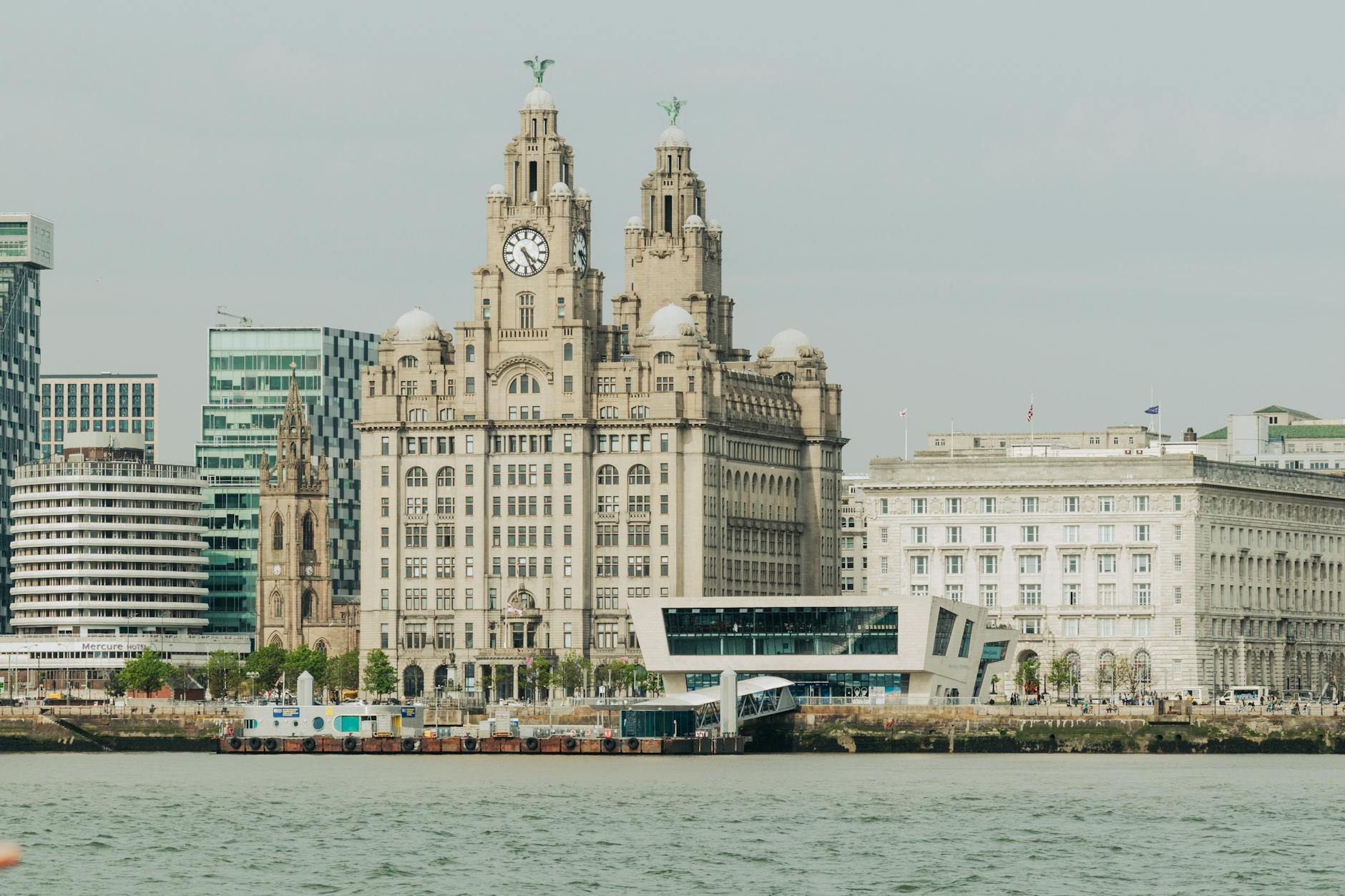
The Quick Answer: When to Visit Liverpool
If you want the single best window, May, June, or September are the optimum months — warm enough for outdoor walking, long daylight hours, full festival programming, but not yet the peak summer crowds and prices of July-August. Specifically:
- May — warm, festival season starting, May Blitz commemorations, generally excellent value.
- June — peak warmth-before-school-holidays, long days.
- September — early autumn light, fewer tourists, Liverpool International Street Festival.
If you have flexibility, those three months are the sweet spot. Otherwise, every other month has its own merits — covered below.
Liverpool Month-by-Month Visiting Guide
January (Quiet, Cold, Cheap)
Temperatures: 3-7°C. The coldest month, with shorter days (sunset around 16:30 in the second half of the month) and frequent rain or windy spells. Tourism is at its lowest — hotels, restaurants, and museums are at their quietest. Bargain hunters will find hotel rates well below summer prices.
Best for: Museum visits (Walker, World Museum, Beatles Story all warm, free, mostly uncrowded), Cavern Club lunchtime sessions, long pub lunches, cathedrals. The wider city is bleak in late January.
Watch out for: Some smaller museums and attractions have reduced winter opening hours. Outdoor walking is genuinely cold. Severe weather days can disrupt train travel.
February (Still Winter, Pre-Spring Slowly Arriving)
Temperatures: 3-8°C. Still winter, but with daylight slowly lengthening (sunset around 17:45 by end of month). Liverpool’s school half-term week can be busier.
Best for: Six Nations rugby (in pubs), Valentine’s Day couples breaks. Hotel prices still low except half-term week.
March (Spring Emerges)
Temperatures: 4-10°C. The transition month — first signs of spring, but still capable of cold snaps. Daylight returning to acceptable lengths (clocks go forward in late March, and sunset is around 19:45 by the end of the month).
Best for: The Cavern Club’s daily live music; pre-Easter shoulder-season pricing.
April (Spring Proper)
Temperatures: 6-13°C. Spring has arrived. Daylight lengths excellent. Easter school holidays mean families travelling.
Best for: The Grand National at Aintree (next held 8-10 April 2027) — one of the biggest sporting and tourism events on the Liverpool calendar. Daffodils and blossom across the parks. Pre-summer prices still moderate.
Watch out for: Hotels around Grand National weekend (typically the second weekend of April) book up months ahead and prices spike dramatically. If you’re not specifically here for the racing, avoid those dates.
May (One of the Best Months)
Temperatures: 8-16°C. Genuinely warm with cool evenings. The days stretch fast: sunrise moves from about 05:35 to 04:50 over the month, and sunset from about 20:40 to nearly 21:30. Pre-summer-crowds pricing.
Best for: The May Blitz commemorations (early May, particularly 80th and round anniversaries), the Liverpool Sound City festival (independent music, late May), the start of summer outdoor programming at the Bombed Out Church, Sefton Park concerts.
Practical recommendation: One of the very best months to visit. Warm enough for the waterfront, cheap enough not to feel touristy, full enough to enjoy event programming.
June (Peak Pre-Holiday)
Temperatures: 11-18°C. Long daylight (sunset around 21:45 on the longest day). Often the warmest month before the school summer holidays start in late July.
Best for: Africa Oyé (Liverpool’s major African music festival in Sefton Park, now ticketed; the 2027 edition is 19-20 June), outdoor cinema, waterfront long-evening drinks.
July (Summer Peak)
Temperatures: 13-20°C. School summer holidays begin in late July (the council’s 2027 summer term ends on 21 July; individual schools vary). Tourism heavy. Hotel prices at peak.
Best for: Pride Liverpool, beach days at Crosby and Formby, outdoor festivals.
Watch out for: The Open Championship hugely inflates Liverpool hotel prices that week. School holidays mean family-attractions are at capacity.
August (Peak Summer)
Temperatures: 14-20°C. A close second to July, which edges it as the warmest month on average. School summer holidays in full swing. Tourism heaviest of the year.
Best for: International Beatleweek (25-31 August 2027), with bands and fans from around the world; Slavery Remembrance Day (23 August; check National Museums Liverpool for the programme); the Southport Flower Show (19-22 August 2027). Long warm days, beaches at their best.
Practical recommendation: Book accommodation early, especially for Beatleweek and Bank Holiday weekend. Prices at their peak.
September (One of the Best Months)
Temperatures: 11-18°C. Schools back, crowds drop sharply after the first week, weather still warm, light excellent for photography.
Best for: The Liverpool Biennial (contemporary art; the next edition runs 5 June-12 September 2027), the start of football season at Anfield, autumn shoulder-season pricing.
Practical recommendation: Often the single best month to visit. Combine warm-enough weather with non-peak prices and full cultural programming.
October (Autumn Atmosphere)
Temperatures: 8-14°C. Fully autumn, with sometimes spectacular colour in the parks. Liverpool Irish Festival period.
Best for: The Liverpool Irish Festival (mid-late October), Halloween events at the Bombed Out Church, the River of Light festival (23 October – 1 November 2026 — the major Liverpool autumn festival), Books Alive! in Southport.
November (Atmospheric, Wet)
Temperatures: 6-11°C. Wet and blustery, though December is wetter on average and January windier. Daylight shortening rapidly (sunset around 16:00 by end of November).
Best for: Bonfire Night on 5 November (check council listings nearer the date for firework displays), Remembrance Sunday (see the Anglican Cathedral’s service calendar), the start of Christmas markets in late November.
Watch out for: Weather can be properly bleak. Plan indoor-heavy days. Bring proper waterproofs.
December (Christmas Markets, Cosy)
Temperatures: 3-8°C. Cold, often wet, short days (sunset around 16:00). But Liverpool comes alive for Christmas — Liverpool Christmas Wonderland at the Pier Head and the Liverpool Christmas Market on St George’s Plateau; ice skating; Cathedral carol services; festive lights across the city.
Best for: Christmas markets, carol concerts at the Anglican Cathedral, Cavern Club Christmas programming, hotel deals before the New Year peak.
Watch out for: New Year brings its own rush of visitors, so check hotel availability early if you’re travelling between Christmas and the first days of January.
Christmas and New Year Special
Liverpool’s New Year’s Eve celebrations on the waterfront draw substantial crowds. Hotels near the Pier Head and Albert Dock book up months ahead. Restaurants need booking well in advance for NYE itself.
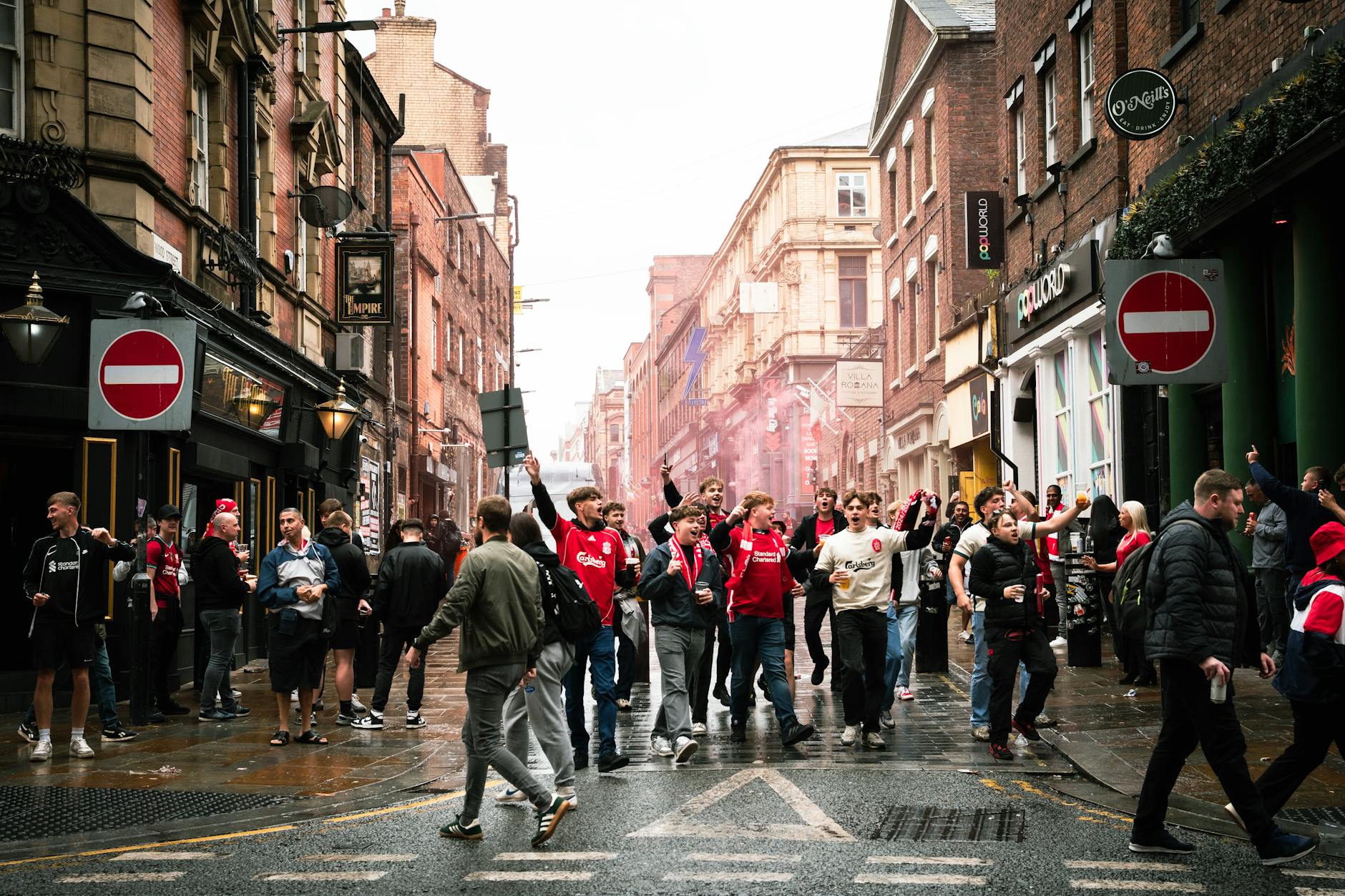
Visiting Liverpool by Trip Type
For First-Time Tourist Trips
May, June, or September. Warm enough for the waterfront, full festival programming, manageable crowds, accommodation prices below peak.
For Beatles Fans
August during Beatleweek (25-31 August 2027) is the obvious choice — live gigs and exhibitions, with bands from more than 20 countries; the Cavern Club’s Beatleweek programme lists the venues. Book months ahead. Alternative: October for the Irish Festival, which heavily features Beatles-era music.
For Football Fans
August through May (the Premier League season). For a guaranteed-good experience, weekday evening matches (Champions League fixtures, midweek league games) are easier ticket-wise than weekend league matches. Both Anfield (Liverpool FC) and Hill Dickinson Stadium (Everton, since 2025) run stadium tours through the year, but match days and other events can restrict them, so check each club’s booking calendar.
For Couples
September or October — autumn light is romantic, restaurants and rooftop bars are less crowded, hotel deals available. See the romantic things to do in Liverpool guide for couples-focused planning.
For Families
School holidays (April Easter, July-August summer, October half-term, December Christmas) for the family-friendly attractions in full operation. Late May half-term week is excellent — warm weather, family-friendly programming, slightly lower prices than peak summer.
For Budget Travellers
November (excluding the Christmas market period) through to early March is the cheapest window. Hotel rates well below summer; restaurants quieter; museums uncrowded; the Liverpool on a budget guide covers the wider budget strategy.
For Music and Culture
June for Africa Oyé; August for Beatleweek; October for Liverpool Irish Festival. Pretty much any month has substantive cultural programming.
For Sport (Beyond Football)
April for the Grand National at Aintree (8-10 April 2027); July in the years The Open comes to Royal Birkdale (it was last held there 12-19 July 2026); summer for the wider Sefton Coast outdoor activities.
Annual Liverpool Events Calendar 2026
Quick reference for major Liverpool events, with the next edition’s dates where the organisers have set them:
- Apr 8-10, 2027: Grand National at Aintree.
- May 2-3 (2026): Big Top Festival (Southport); Sefton Council’s events pages carry the next dates.
- Late May: Liverpool Sound City Festival.
- Mid June: Africa Oyé in Sefton Park.
- Jul 12-19 (2026): The Open Championship at Royal Birkdale; The Open’s own site lists future venues and dates.
- Jul 25 (2026): Pride Liverpool march, from Houghton Street to Lord Street; watch Liverpool Pride’s channels for the next date.
- Aug 19-22, 2027: Southport Flower Show.
- Aug 25-31, 2027: International Beatleweek.
- Aug 23: Slavery Remembrance Day, with a week of events around it (17-23 August in 2026); check National Museums Liverpool for the next programme.
- Mid-late October: Liverpool Irish Festival.
- Oct 23 – Nov 1: River of Light festival.
- Late October: Books Alive! (Southport).
- Nov 5: Bonfire Night.
- Nov 20 – Jan 3: Liverpool Christmas Wonderland at the Pier Head; the Liverpool Christmas Market and Skate St George’s on St George’s Plateau from 21 November.
- Dec 31: New Year’s Eve; a midnight display over the Mersey is usually reported from the Pier Head, so check Visit Liverpool in December for this year’s plans.
Details on most of these are in the dedicated Liverpool events and festivals guide.
Weather Realities: What to Actually Expect
Liverpool is on the west coast of England, facing the Atlantic across the Mersey estuary and the Irish Sea. The weather is:
Mild year-round. Average temperatures stay mild in winter and only warm in summer. The Atlantic moderates extremes.
Wet, but probably less than the reputation. Nearby Crosby averages about 824mm of rain a year — below the UK average of about 1,163mm. Showers are more common than torrential rain; long-day downpours less common than light intermittent drizzle.
Windy. The Atlantic exposure means wind is the more consistent weather factor than rain. Pier Head can be properly breezy even on warm days.
Changeable. The classic British “four seasons in one day” applies. Bring layers and a light waterproof regardless of season.
For detailed packing guidance by season, see the Liverpool weather and packing guide.
Liverpool Hotel Pricing by Season
Indicative central Liverpool four-star hotel pricing through 2026:
- January-February (excluding half-term): £80-110 per night.
- March-April (excluding Easter and Grand National week): £90-130.
- May-June: £110-160.
- July (excluding The Open week): £140-200.
- The Open week (12-19 July 2026): £250-400+ for available rooms (book months ahead).
- August (excluding Beatleweek): £140-200.
- Beatleweek (late August): £200-300.
- September: £120-170.
- October (excluding half-term): £100-140.
- November: £80-110.
- December (Christmas market period): £130-180.
- New Year period (27 Dec – 2 Jan): £200-300+.
Cheaper hotels and budget chains run well below these prices. See the best hotels in Liverpool city centre guide for specific recommendations.
When NOT to Visit Liverpool
A few situations to avoid:
The Open Championship week (every few years, when The Open returns to Royal Birkdale; it was last there 12-19 July 2026). Hotels triple in price; restaurants book up; the city is genuinely full. Unless you’re here for the golf, schedule around it.
Grand National weekend (8-10 April 2027). Saturday National day specifically — hotels and trains heavily booked, central restaurants busy from early afternoon. Unless you’re going to the races, the weekday around the weekend is easier.
Liverpool-Manchester United home fixture days. Premier League match days at Anfield draw crowds of tens of thousands. Cab availability tight, certain restaurants packed, hotels around Anfield full. Check the Premier League fixtures for your dates.
The first week of January. Many smaller attractions closed for stocktake or seasonal closure. Restaurants reduced opening. The city has a flat post-Christmas hangover atmosphere.
Best Time to Visit Liverpool FAQs
What is the best month to visit Liverpool? May, June, or September — combining warm-enough weather, fewer crowds than peak summer, and full festival programming. September is often cited as the single best month.
What is the cheapest time to visit Liverpool? November (excluding the Christmas market period) through to early March. Hotels are usually much cheaper than in peak summer.
What is the warmest month in Liverpool? July or August, with average highs of 18-20°C. Not Mediterranean but pleasantly summer.
Is Liverpool worth visiting in winter? Yes — particularly for the Christmas markets in December, the indoor attractions (free national museums, the Beatles Story, the Cavern Club, cathedrals), and the lower hotel prices. The weather is cold and wet but Liverpool’s tourism is mostly indoor and weather-resilient.
When is peak tourist season in Liverpool? July and August, with secondary peaks around Easter, the Grand National (April), the Open Championship (July, in years it’s at Royal Birkdale), Beatleweek (late August), and Christmas markets (December).
What is the best time to visit Liverpool with kids? School holidays for the family-friendly programming. Late May half-term week is particularly good — warmer than April, less crowded than July-August, and full attraction opening.
When is Liverpool International Beatleweek? 25-31 August 2027. An annual Beatles festival that brings bands from over 20 countries and fans from over 40 to Liverpool for live gigs, exhibitions and other events. Book months ahead.
When does the Grand National take place? The next festival runs 8-10 April 2027 at Aintree, north Liverpool (the 2026 meeting was 9-11 April). The Saturday National race, on 10 April 2027, is the headline event.
When is the Liverpool Christmas market? For 2026, the Liverpool Christmas Market is on St George’s Plateau, alongside Skate St George’s, which opens on 21 November. Down at the Pier Head, Liverpool Christmas Wonderland runs from 20 November to 3 January 2027 with ice skating, rides and festive food.
How busy is Liverpool on weekdays vs weekends? Weekends across the year see substantially more tourism — particularly Saturdays. Weekday visits offer lower prices, smaller crowds, and easier restaurant booking.
Final Recommendation: When to Visit Liverpool
If you have full flexibility, aim for September. The single best combination of weather, prices, and cultural programming. May and June are excellent alternatives.
If you’re anchored to a specific event (Grand National, Beatleweek, The Open, Christmas markets, a football match), build the trip around it and accept the associated price spikes. Book hotels months ahead for the major events.
If you want quiet, atmospheric, and cheap: October, November, or January-February. Liverpool’s indoor attractions and pub culture are at their best in these months, and the prices reflect the reduced tourist numbers.
If you’re here for one specific thing (Beatles tourism, football, family days out), then the best month is whichever month that thing happens — see the relevant cluster guides (Beatles, Football, Family) for season-specific advice. For the wider trip planning context, the parent Liverpool travel guide, the weather and packing guide, and the events and festivals guide all pair naturally with this article.