This article contains advertising. Our booking links are routed through a partner that adds commission tracking automatically, so if you book through one we earn a commission from the provider, at no extra cost to you. It never affects what we recommend. Affiliate disclosure
On West Derby Road, a mile or so east of Lime Street, there’s a white-painted Georgian terrace that most drivers pass without a glance. In 1887, a Liverpool solicitor called William Henry Quilliam, who had become Muslim after a trip to Morocco and taken the name Abdullah, opened a mosque here. It’s usually described as the first mosque in Britain. Liverpool has had a Muslim community ever since, and today it’s large, varied and easy to find. If you’ve typed halal restaurants Liverpool into your phone on the train in, the good news is that you’ll eat well, pray easily and find a city that’s used to welcoming you.
This guide is for Muslim visitors and for anyone travelling with them. It covers where to eat halal in the city centre and beyond, how to check that a restaurant really is halal, the main mosques, praying on the go, Ramadan and Eid in 2027, where to stay, alcohol-free things to do, and the Muslim heritage that most visitors never hear about. Details were checked in September 2026. Restaurants change hands and certification can change, so always confirm with the restaurant before you order.
Muslim Liverpool at a Glance
| What | The short answer (checked September 2026) |
|---|---|
| Muslim population | More than 25,000 in the 2021 census |
| Main halal food areas | The top end of Bold Street, Hatton Garden near the business district, and the Lodge Lane area of Toxteth |
| Number of listed halal restaurants | Zabihah lists around 49 halal restaurants in Liverpool, plus mosques and prayer spaces |
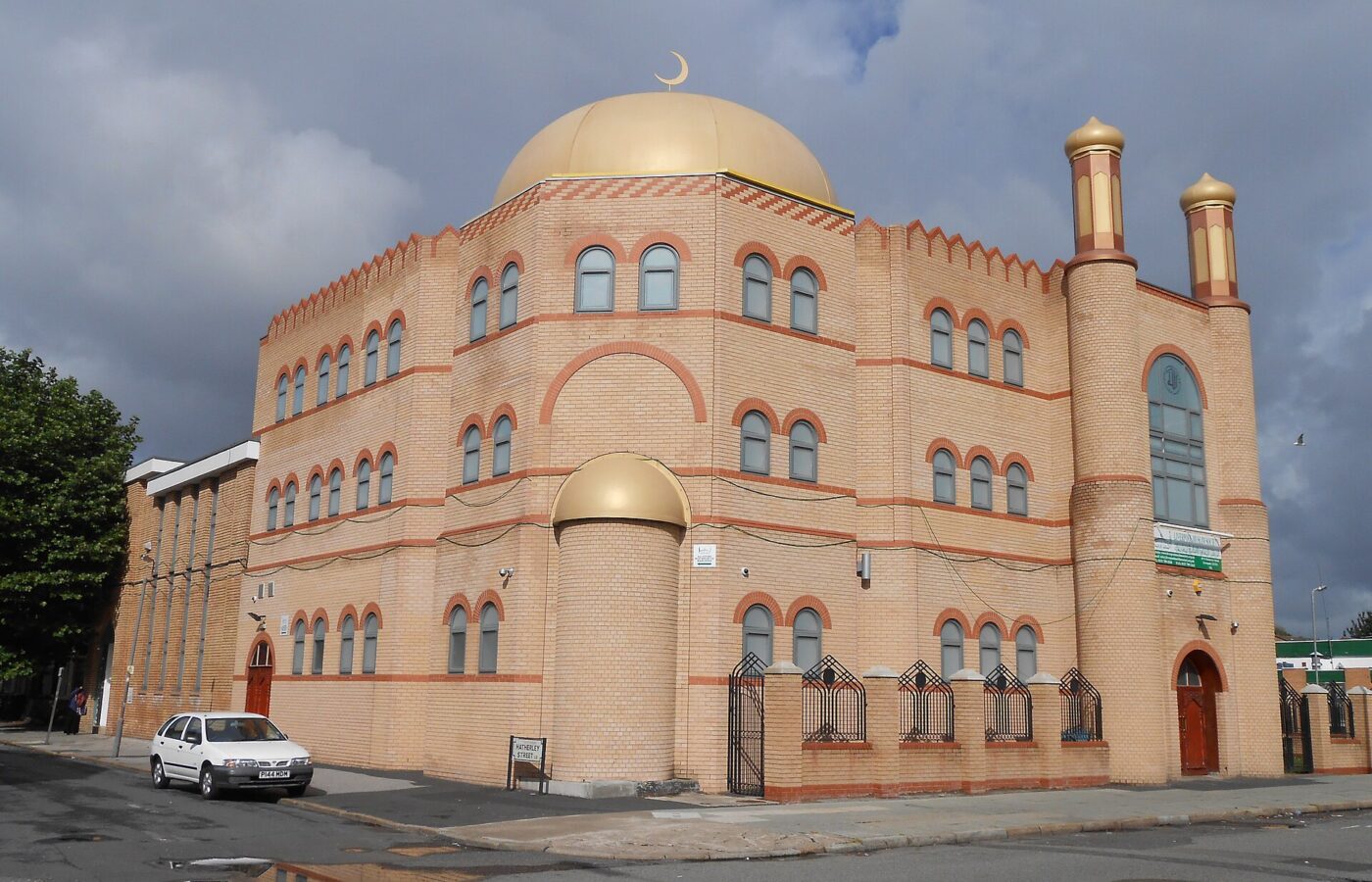
| Main mosque | Al-Rahma Mosque (Liverpool Central Mosque), 29–31 Hatherley Street, Toxteth. Holds 2,000–2,500 worshippers |
| Historic mosque | Abdullah Quilliam Mosque, 8–12 Brougham Terrace, West Derby Road, L6 1AE. Founded 1887, reopened 2014 |
| Certification bodies to look for | HMC (Halal Monitoring Committee) and HFA (Halal Food Authority) |
| Qibla from Liverpool | About 118° from north, roughly east-south-east |
| Ramadan 2027 | Expected to begin around 8 February 2027, subject to moon sighting. Short fasting days in a Liverpool winter |
A Short History of Muslim Liverpool
Liverpool’s Muslim story is older and stranger than most people realise, and it starts with that terrace on West Derby Road.
Abdullah Quilliam and Britain’s first mosque
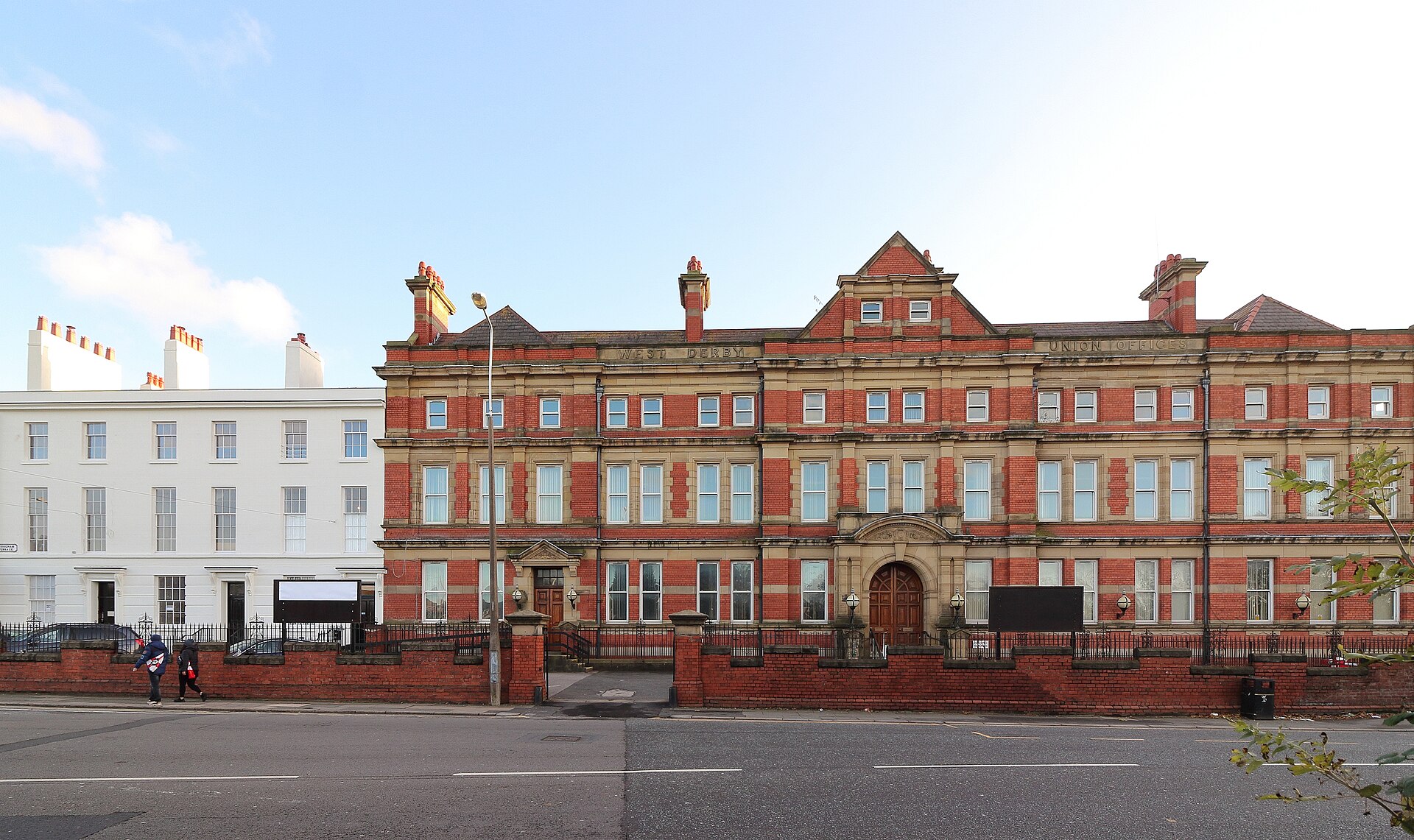
William Henry Quilliam was a well-known Liverpool solicitor. He embraced Islam after visiting Morocco, took the name Abdullah, and in 1887 founded the Liverpool Muslim Institute at 8 Brougham Terrace. As well as a mosque, it became a centre for education and publishing, and it attracted a small but lively community of British converts alongside Muslim sailors and merchants passing through the port. Quilliam’s standing was such that the Ottoman Sultan named him Sheikh al-Islam of the British Isles.
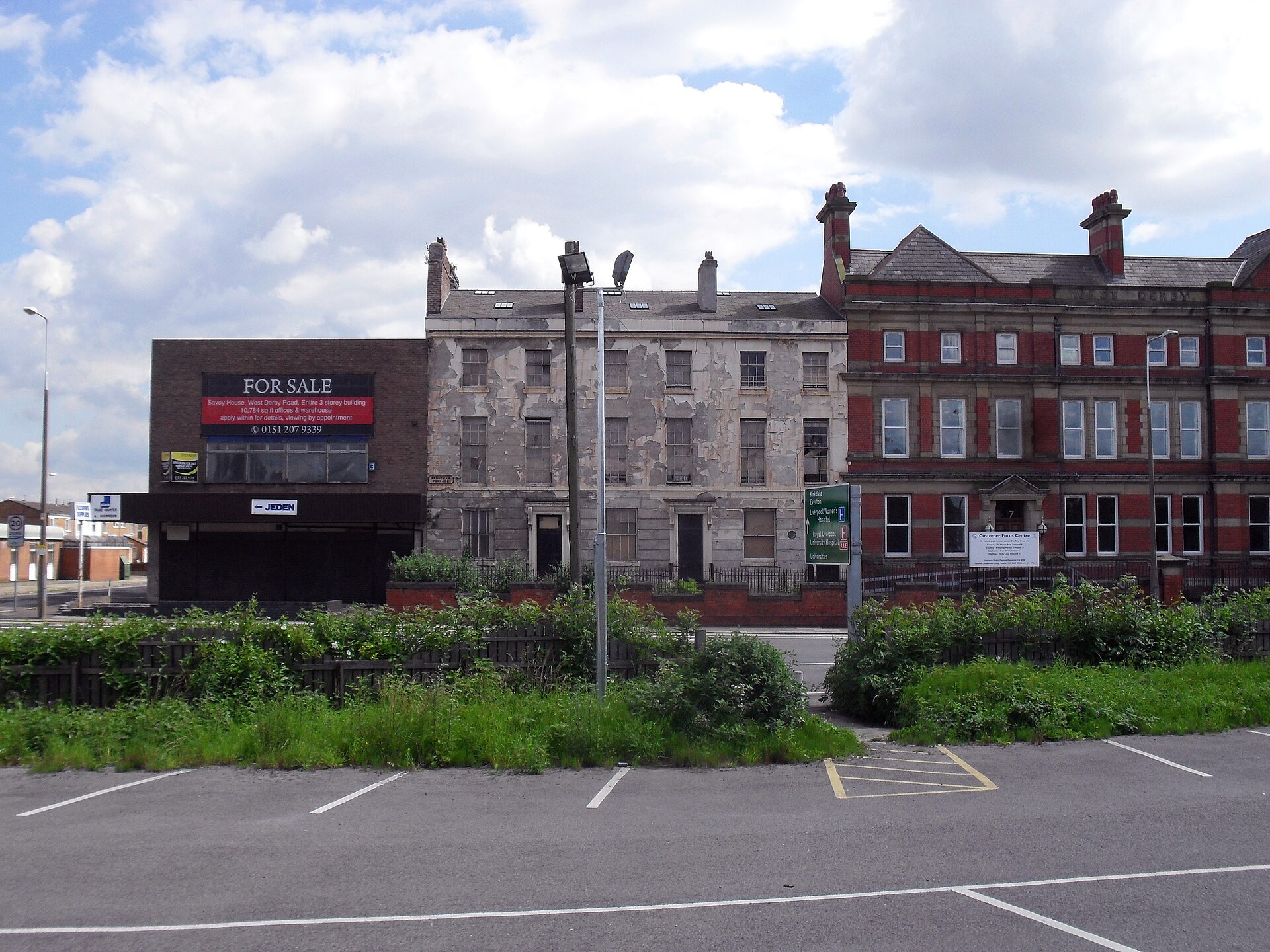
The institute closed in 1908, when Quilliam left Liverpool, and for almost a century the buildings were used for other purposes. The Abdullah Quilliam Society leased the site in 2005–06, restored it, and reopened the mosque in 2014, buying the freehold in 2018. It now calls itself the Abdullah Quilliam Mosque & National Heritage Centre, and it plans a visitor centre where Muslims and non-Muslims alike can learn about Islam in Britain and Europe.
The seafarers who built Al-Rahma
The other great strand of Muslim Liverpool came, like so much of the city, by sea. Yemeni, Somali and other Muslim seamen worked on Liverpool ships and settled near the docks and in Toxteth. In 1953, Al-Haj Ali Hizzam and fellow seamen of several nationalities founded a small prayer space, which grew into the purpose-built Al-Rahma Mosque, completed in 1974. Today it holds 2,000–2,500 worshippers and is the main focus for the city’s Muslims, who numbered more than 25,000 in the 2021 census.
It’s the same seafaring story that brought Europe’s oldest Chinese community to Liverpool. Our Liverpool Chinatown guide covers that, and the Liverpool history and heritage guide puts it all in context.
Mosques and Where to Pray
- Al-Rahma Mosque (Liverpool Central Mosque), 29–31 Hatherley Street, Toxteth. A Sunni mosque with a gold dome and minarets, about a ten-minute taxi ride from the city centre. It’s the largest mosque in the city and the natural choice for Jumu’ah.
- Abdullah Quilliam Mosque & National Heritage Centre, 8–12 Brougham Terrace, West Derby Road, L6 1AE. Britain’s first mosque, now restored. Worth visiting for its history as much as for prayer. Contact the society ahead of a visit.
- Liverpool Mosque and Islamic Institute, Cramond Avenue, Wavertree, a smaller community mosque in south Liverpool.
- Finding others: Zabihah and the UK mosque directories list the city’s mosques and prayer spaces, with prayer times and facilities.
Getting to the mosques
- Al-Rahma: about 2 km from Liverpool ONE. That’s a 25–30-minute walk through the Georgian Quarter and along Upper Parliament Street, or about ten minutes by taxi. For Jumu’ah, allow extra time, because the surrounding streets get busy.
- Abdullah Quilliam Mosque: about 20–25 minutes’ walk east from Lime Street, along London Road and onto West Derby Road, or a short taxi ride. It’s close to the Royal Liverpool University Hospital.
- From further out: Merseyrail and the city’s bus network cover all the main districts. Use the Merseytravel journey planner for the stop nearest your mosque.
Visiting as a non-Muslim
If you’re travelling with Muslim friends or want to learn more, most mosques are happy to welcome respectful visitors outside prayer times, especially if you ask ahead. Dress modestly, with arms and legs covered, and women should bring a headscarf. Remove your shoes before entering the prayer hall, and avoid walking in front of anyone praying. Friday lunchtime, the Jumu’ah prayer, is the busiest time of the week, so it’s not ideal for a first visit.
Where to Eat Halal in Liverpool
The city’s halal food is spread across several areas rather than concentrated in one street, and the best of it is cheap and informal. Here are the places we can confirm, and where to look for more.
Bold Street
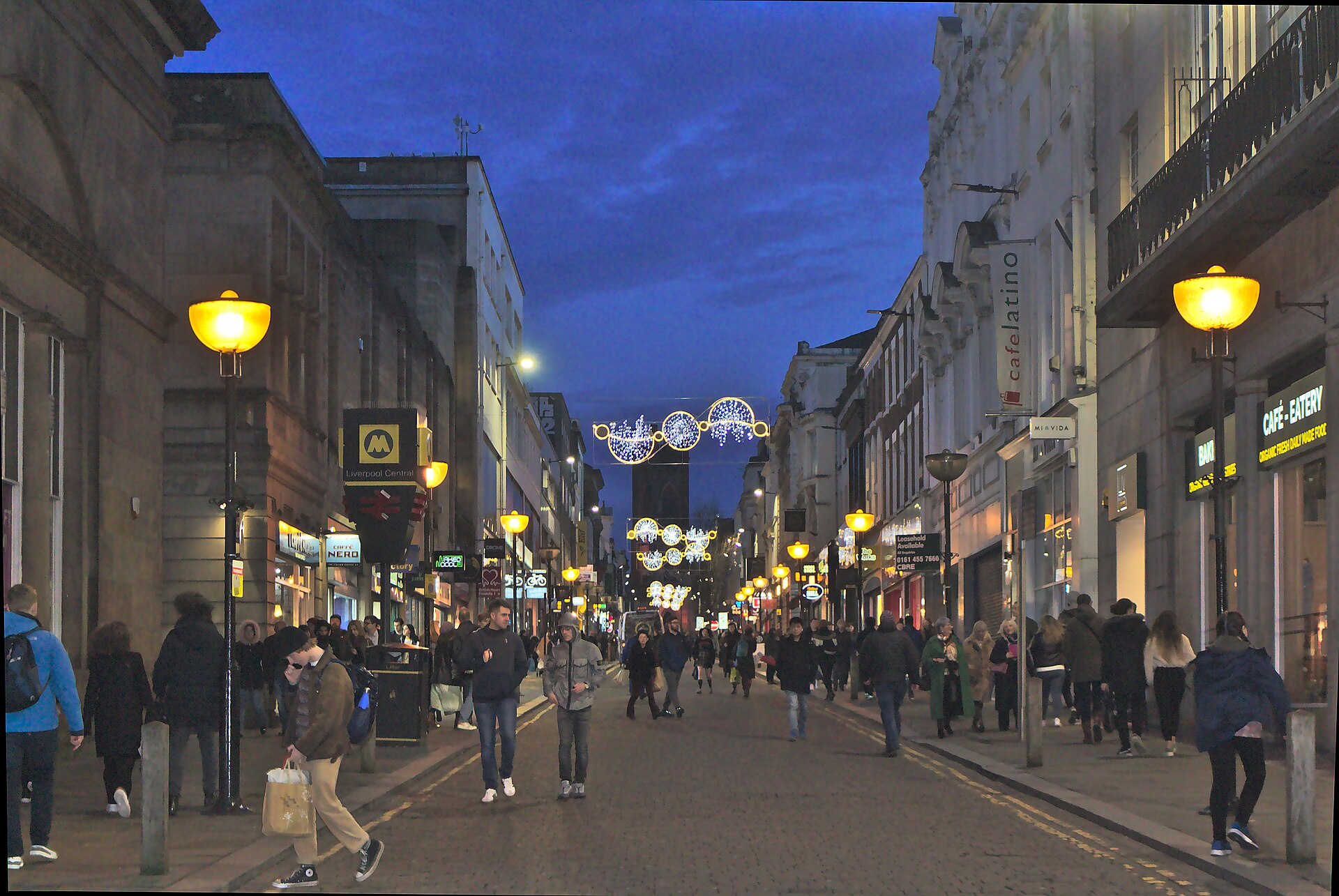
The top end of Bold Street, towards St Luke’s, is the most visitor-friendly cluster. There are grocers and bakeries selling Middle Eastern and South Asian ingredients, and several halal restaurants.
- Toros Halal Steakhouse is one of the best-known halal restaurants in the city centre, and a good choice for a proper sit-down dinner.
- Mamos does halal fast food with a wide menu: burgers, pizzas, wraps and peri-peri chicken. It’s quick, cheap and popular with students.
The rest of Bold Street is one of Liverpool’s best food streets, with plenty of vegetarian and vegan places too. Our Bold Street food guide covers it street-number by street-number.
Hatton Garden
Fattoush, at 23 Hatton Garden (L3 2FE), is a fully halal Lebanese and Syrian restaurant with around 50 covers, with vegetarian, vegan, gluten-free and dairy-free options. It’s in the business district behind Dale Street, about ten minutes’ walk from the Three Graces, so it’s a good lunch stop during a day on the waterfront.
Lodge Lane and Toxteth
Around Lodge Lane in Toxteth, close to Al-Rahma, halal butchers, grocers and cafés serve the local community. It isn’t a tourist dining strip, and that’s the point. It’s where to buy halal meat if you’re self-catering, and it’s worth a wander if you’re visiting the mosque. Toxteth’s Granby Four Streets, a few minutes away, has one of the city’s best community markets. Our Liverpool neighbourhoods guide covers the area.
Elsewhere in the city
- Listings sites such as Zabihah, DineHalal and the halal filters on the delivery apps list dozens more restaurants, including steakhouses, grills, Indian and Pakistani restaurants, Middle Eastern cafés and dessert parlours. Many display their HMC or HFA certificates.
- Chains are the tricky part. Some chains serve halal chicken in some branches and not others, so check with the specific branch rather than the chain’s general website.
- Vegetarian and seafood are a safe fallback anywhere, as long as the kitchen doesn’t use alcohol in the cooking or share fryers with pork. Our vegan and vegetarian guide lists the best meat-free places.
For budget eating across the city, see our cheap eats guide, and for the city’s food halls, the street food markets guide.
What to order: a Lebanese and Syrian menu primer
If Fattoush, or any of the Middle Eastern cafés near the top of Bold Street, is new to you, here’s how to put together a meal.
- Mezze to share: hummus, moutabal (smoky aubergine), tabbouleh (a herb salad with bulgur), and fattoush itself, a crunchy salad with toasted flatbread and a sharp sumac dressing. Order three or four dishes for two people.
- Kibbeh: torpedo-shaped croquettes of bulgur and spiced minced lamb, fried until crisp.
- From the grill: shish taouk (marinated chicken), kofta (spiced minced lamb) and mixed grills. The mixed grill is the best choice if you can’t decide.
- Shawarma: wrapped in bread as a quick lunch or served as a plate with rice and salad.
- To finish: baklava, and mint tea or cardamom coffee.
Food halls, markets and events
Liverpool’s street-food halls and markets are great fun, but halal status varies trader by trader. Each stall is its own business with its own suppliers. A food hall can have a fully halal grill next to a pork-belly bao stall, so ask each trader rather than assuming the whole hall is one thing. The same goes for football grounds and big outdoor events: some outlets may offer halal options, but don’t count on it, so plan to eat before or after. Our street food markets guide covers the main halls.
Buying halal food to cook
- Halal butchers and grocers are concentrated around Lodge Lane and the surrounding streets of Toxteth, near Al-Rahma. Also look at the Middle Eastern and South Asian grocers at the top of Bold Street.
- Supermarkets: larger supermarkets, especially in areas with big Muslim communities, often carry halal-certified meat ranges. Check the certification label on the pack.
- Delivery apps have halal filters, which is handy for a late iftar in an apartment.
How to Check That a Restaurant Is Halal
“Halal” means different things to different diners and different certifiers, so it’s worth knowing what to ask.
- Look for a certificate. The two main UK certification bodies are the Halal Monitoring Committee (HMC) and the Halal Food Authority (HFA). A certified restaurant usually displays its certificate by the door or the counter. Check that it’s current and covers the premises you’re in.
- Understand the difference. HMC certifies only meat from animals slaughtered by hand without prior stunning. HFA permits some forms of pre-slaughter stunning. If this matters to you, ask which body certifies the meat.
- “Fully halal” vs “halal options”. A fully halal restaurant uses only halal meat and serves no pork. A restaurant with “halal options” may cook halal and non-halal meat in the same kitchen, so ask about separate grills, fryers and utensils.
- Ask about alcohol. Some halal restaurants serve alcohol, or allow customers to bring their own. Others are completely alcohol-free. Many diners also want to know whether alcohol is used in sauces or desserts.
- Ask directly. Staff are used to the question. A clear, confident answer is a good sign. A vague “it should be” isn’t.
Praying on the Go
- Qibla: from Liverpool, the qibla is roughly east-south-east, about 118° from north. A compass app will do the rest.
- Multi-faith rooms: universities, hospitals and many large venues have multi-faith or quiet rooms. If you’re flying from Liverpool John Lennon Airport, ask at the information desk whether there’s a multi-faith room airside.
- Parks and quiet corners: praying discreetly in a park or other quiet public space is quite normal in Britain and unlikely to draw attention. Sefton Park, the waterfront gardens and the cathedral grounds all have quiet spots.
- Summer prayer times: at Liverpool’s latitude, midsummer brings very late Isha and very early Fajr times. Local mosques publish timetables that deal with this, so follow your nearest mosque’s timetable rather than a generic app setting.
- Wudu: most public toilets have basins but not dedicated facilities, so a small water bottle is handy on a day out. Mosques have proper wudu areas.
Ramadan and Eid in 2027
Ramadan 2027 is expected to begin around 8 February 2027, subject to the moon sighting, with Eid al-Fitr around 9–10 March 2027. For visitors, that means a winter Ramadan with short fasting days. In Liverpool, sunset moves from just after 17:00 at the start of the month to just after 18:00 by the end, so iftar comes early enough for an evening out.
- Iftar out: many halal restaurants run iftar menus or stay open late during Ramadan. Book at weekends, because the popular places fill up at sunset.
- Taraweeh: Al-Rahma and other mosques hold taraweeh prayers. Check the mosque’s Ramadan timetable.
- Eid: Eid prayers are held at the main mosques, and sometimes at larger venues or outdoor sites, depending on the year. Watch the mosques’ announcements.
- Eid al-Adha 2027 is expected around mid-May 2027, again depending on the moon.
A Ramadan day in Liverpool
A February Ramadan fits a city break surprisingly well. Suhoor is before a late winter dawn, so there’s no painfully early start. Spend the morning at the waterfront, when it’s quiet and you have energy to walk. Keep the afternoon for the free museums on William Brown Street or the Museum of Liverpool, which are warm, seated and mostly close around 17:00, just as iftar approaches. Then walk up to Bold Street or take a short taxi to Hatton Garden for iftar, book ahead at weekends, and finish with taraweeh at Al-Rahma if you want to pray with the community. On a wet day, which February has plenty of, the museums and the covered streets of Liverpool ONE keep you dry until sunset. Our rainy day guide has more ideas.
Where to Stay
- Serviced apartments with a kitchen let you cook with halal meat from the butchers around Lodge Lane and keep your own food routine, which is especially useful in Ramadan. See our serviced apartments guide.
- Hotels: many will empty the minibar of alcohol on request, and some can provide a prayer mat or tell you the qibla direction. Ask when you book. Hotels near Bold Street and the Ropewalks put you closest to the halal restaurants.
- Families: for larger family rooms and suites, see our family hotels guide.
Alcohol-Free Things to Do
Liverpool’s nightlife runs on alcohol, but its daytime runs on free museums, a spectacular waterfront and football, none of which need a drink.
- Free museums: the Museum of Liverpool, the World Museum and the Walker Art Gallery are all free. See our free museums guide.
- The waterfront and the Mersey Ferry: the Three Graces, the Royal Albert Dock and a river cruise make a full day. See the Mersey Ferry guide.
- Football: stadium tours at Anfield and Everton’s new ground are hugely popular with Muslim visitors, not least because of Mohamed Salah, the “Egyptian King” of Anfield. See the Anfield stadium tour guide.
- Evenings: dessert cafés, cinemas, theatre and late-opening restaurants make good alcohol-free evenings. The city’s theatres don’t require a drink to enjoy.
- Families: see our family days out guide.
Practical Tips
- Dress: there’s no issue with modest dress, hijab, niqab or traditional clothing anywhere in the city. Liverpool is a diverse city and people won’t give it a second look.
- Weather: pack a waterproof, whatever the season. A light, windproof layer over modest clothing is practical all year.
- Safety: Liverpool is a welcoming city. If you ever experience abuse or a hate incident, report it to Merseyside Police on 101, or 999 in an emergency.
- Travelling solo: see our solo travel guide for more on getting around safely at night.
- Getting around: Al-Rahma and the Quilliam Mosque are both a short taxi ride from the city centre. See the getting around Liverpool guide for buses and Merseyrail.
A Muslim Heritage Day in Liverpool
- Morning: start at the Abdullah Quilliam Mosque on West Derby Road, and if you’ve arranged it in advance, learn about Britain’s first mosque from the people who restored it.
- Midday: take a taxi to Toxteth for Jumu’ah or a visit to Al-Rahma Mosque, then lunch in the Lodge Lane area.
- Afternoon: head to the waterfront and the Museum of Liverpool, where the city’s migration stories, including its seafaring communities, are told. Look for the memorial to the Chinese merchant seamen on the Pier Head river wall, a reminder of how the port shaped the people who arrived through it.
- Evening: dinner at a halal restaurant on Bold Street, then dessert.
Frequently Asked Questions
Where are the best halal restaurants in Liverpool?
The top end of Bold Street has the most visitor-friendly cluster, including Toros Halal Steakhouse and Mamos. Fattoush on Hatton Garden is a fully halal Lebanese and Syrian restaurant, and the Lodge Lane area of Toxteth has halal butchers, grocers and cafés.
Is there a mosque in Liverpool city centre?
The largest, Al-Rahma Mosque on Hatherley Street in Toxteth, is a short taxi ride from the centre. The historic Abdullah Quilliam Mosque on West Derby Road is also close to the centre.
What was Britain’s first mosque?
The mosque at the Liverpool Muslim Institute, founded by Abdullah Quilliam in 1887 at Brougham Terrace on West Derby Road, is usually described as Britain’s first mosque. It closed in 1908 and reopened in 2014 after restoration.
How do I know if a restaurant is halal?
Look for a current HMC or HFA certificate, ask whether the restaurant is fully halal or only has halal options, and ask about shared cooking equipment and alcohol. If it matters to you, ask which body certifies the meat, because their standards on stunning differ.
When is Ramadan 2027?
It’s expected to begin around 8 February 2027, subject to the moon sighting, with Eid al-Fitr around 9–10 March 2027. Fasting days in Liverpool will be short, with sunset around 17:00–18:00.
Are Liverpool’s food halls halal?
Some traders are, but most food halls mix halal and non-halal stalls. Ask each trader individually rather than assuming the whole hall is halal.
Where can I buy halal meat in Liverpool?
Halal butchers and grocers are concentrated around Lodge Lane in Toxteth, near Al-Rahma Mosque. Larger supermarkets often carry certified halal ranges. Check the label.
Which direction is the qibla in Liverpool?
Roughly east-south-east, about 118° from north.
Is Liverpool a good city for Muslim travellers?
Yes. It has a long-established Muslim community, Britain’s first mosque, plenty of halal food, free museums and a friendly, multicultural atmosphere.
Related Liverpool Guides
- Accessible & Inclusive Liverpool
- Bold Street Food Guide
- Cheap Eats in Liverpool
- Vegan & Vegetarian Liverpool
- Free Museums in Liverpool
- Liverpool Chinatown
- Family Days Out
- Solo Travel in Liverpool
Photo Credits
Al-Rahma Mosque on Hatherley Street: Al-Rahma Mosque, Liverpool (1) by Rept0n1x, CC BY-SA 3.0, via Wikimedia Commons.
Brougham Terrace, restored, in 2019: Brougham Terrace, Liverpool 2019 by Rodhullandemu, CC BY-SA 4.0, via Wikimedia Commons.
Brougham Terrace before restoration, 2012: Brougham Terrace, July 07, 2012 by John Bradley, CC BY-SA 3.0, via Wikimedia Commons.
Bold Street at dusk: Bold Street, Liverpool at Christmas 2019 by Rodhullandemu, CC BY-SA 4.0, via Wikimedia Commons.