This article contains advertising. Our booking links are routed through a partner that adds commission tracking automatically, so if you book through one we earn a commission from the provider, at no extra cost to you. It never affects what we recommend. Affiliate disclosure
Liverpool’s wealth — its docks, its merchant streets, its Edwardian commercial palazzos, its Georgian terraces — was built in significant part on the transatlantic slave trade. Between 1700 and 1807, more than 5,000 slaving voyages set sail from the Mersey, and Liverpool ships forcibly transported an estimated 1.35 million enslaved Africans to the Americas. By the second half of the 18th century, Liverpool dominated the British slave trade, accounting for around 40% of the European trade and shipping more enslaved people than Bristol and London combined. The streets of central Liverpool — the names, the buildings, the dock architecture itself — carry that history into the present, and Liverpool has spent the last two decades trying to face it honestly. This guide covers the history of Liverpool and the slave trade, the city sites and memorials where you can engage with that history, the current status of the International Slavery Museum (closed for redevelopment until 2028-2029), and the wider Black heritage trails worth following if you’re visiting and want to understand the city beyond the standard Beatles-and-Albert-Dock itinerary.
This is one of the more substantive parts of Liverpool’s heritage offering, and it’s the necessary counterpart to the city’s prouder stories. The Liverpool history and heritage parent guide places this in the wider historical context, and the existing Liverpool maritime history guide covers the port history of which the slave trade was a defining strand.
Liverpool’s Role in the Transatlantic Slave Trade
The transatlantic slave trade ran from the 16th century to the 19th — a triangle of voyages from European ports to the West African coast (carrying manufactured goods), from West Africa to the Americas (carrying enslaved people in the brutal “Middle Passage”), and from the Americas back to Europe (carrying sugar, tobacco, rum, and cotton produced by enslaved labour). It is one of the largest forced migrations in human history. An estimated 12.5 million Africans were embarked on transatlantic slave ships; roughly 10.7 million survived the Middle Passage.
Liverpool’s role grew through the 17th century, accelerated dramatically after 1700, and dominated by the mid-18th century. The reasons were structural: the city’s position on the Atlantic-facing west coast of England, its deep tidal estuary, its proximity to the manufacturing centres of Lancashire and the West Midlands (whose textiles, ironwork, and guns made the bulk of the trade goods sent to West Africa), and the entrepreneurial ruthlessness of a class of Liverpool merchants who built their commercial reputations on the trade.
From the 1750s onwards, Liverpool consistently outpaced both Bristol (the earlier British leader) and London. The peak decade was the 1790s — by which time Liverpool ships were making over a hundred slaving voyages per year. The British slave trade was abolished by the Slave Trade Act of 1807, two decades before slavery itself was abolished across the British Empire by the Slavery Abolition Act of 1833.
The fortunes built were enormous. Many of the streets, buildings, and institutions of central Liverpool — the merchant townhouses of Rodney Street and Hope Street, the warehouses of the dock area, the commercial buildings of Castle Street and Water Street, the country estates built outside the city on slave wealth — exist because of profits returned to Liverpool from sugar, tobacco, and cotton plantations worked by enslaved Africans.
The International Slavery Museum: Current Status and What’s Next
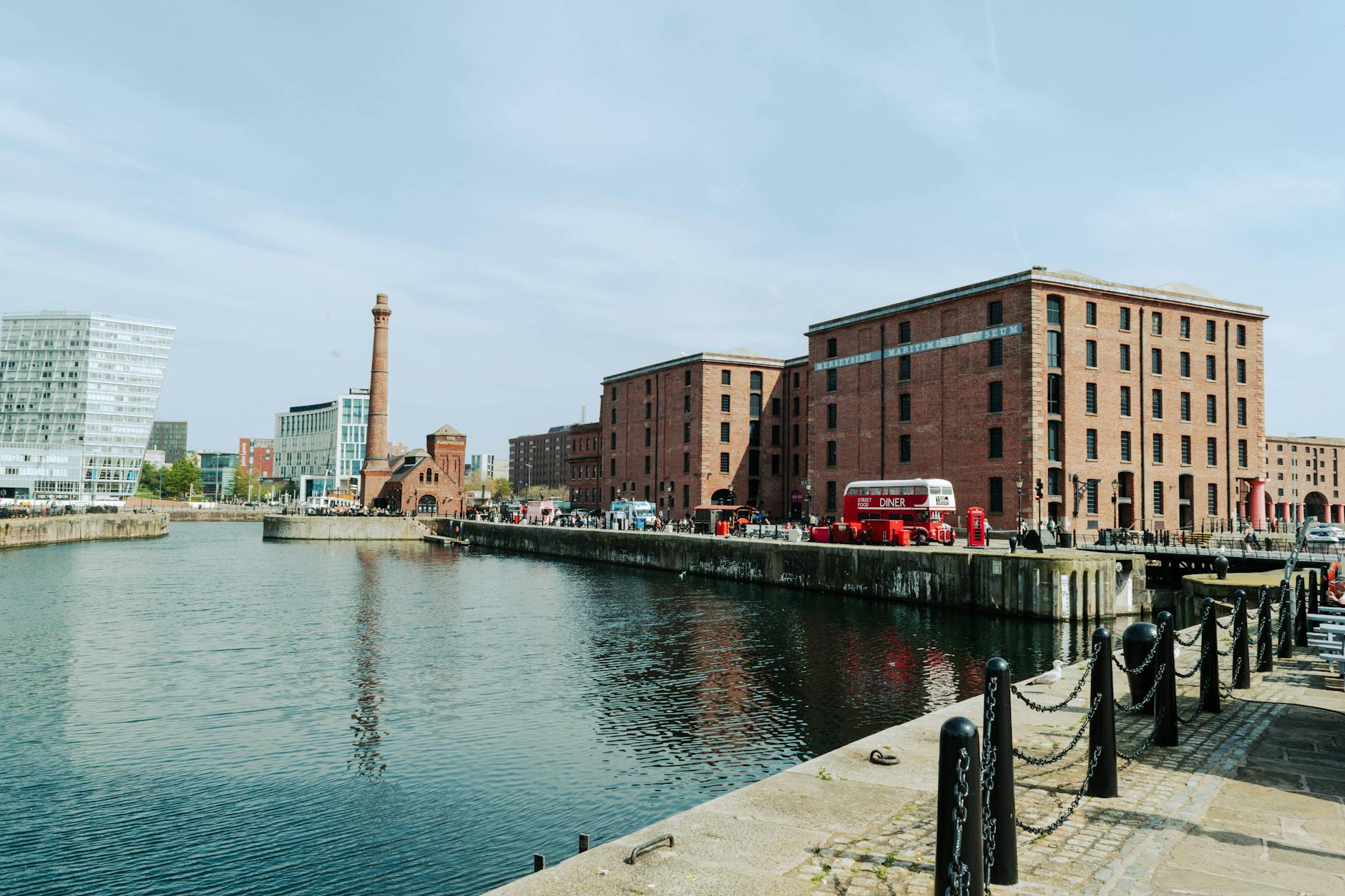
The International Slavery Museum was Britain’s first dedicated museum on transatlantic slavery, opened on 23 August 2007 — the United Nations International Day for the Remembrance of the Slave Trade and its Abolition, deliberately chosen. It occupied the third floor of the Merseyside Maritime Museum at the Royal Albert Dock and was operated by National Museums Liverpool. The collection covered Life in West Africa, Enslavement and the Middle Passage, and the Legacies of Slavery — including modern legacies and contemporary anti-racism.
The museum was free, free-standing as Britain’s flagship public reckoning with the slave trade, and consistently among Liverpool’s most important cultural institutions for nearly two decades.
From 5 January 2025, the International Slavery Museum is closed to the public for a £58 million redevelopment as part of the wider Waterfront Transformation Project. The closure is genuine and significant — both the International Slavery Museum and the Merseyside Maritime Museum (which housed it) are shut for the full duration of the works. Reopening is planned for 2028 or 2029, depending on which official communication you read.
The redevelopment, led by Feilden Clegg Bradley Studios, involves transforming the Dr Martin Luther King Jr Building into a prominent new entrance, building a striking iron-and-glass bridge between the existing Hartley Pavilion galleries and the King Building, and dramatically expanding the museum’s curatorial scope and physical footprint. The intent is to create a world-class flagship — Britain’s definitive slavery museum, on a scale appropriate to the subject.
The opening libation ceremony on 5 January 2025, led by Black community elders and spiritual leaders welcoming the next phase of the museum, marked the transition. Until the reopening, the International Slavery Museum’s online resources, archive collections, and educational programmes remain active. The National Museums Liverpool website hosts a substantial online collection that’s worth consulting if you can’t visit in person.
Memorials and Sites in Liverpool Now
With the International Slavery Museum closed, the city’s public memorials and physical sites become the primary in-person way to engage with the slavery history while visiting. Several are worth seeking out specifically.
The Liverpool Street Plaques Project
In January 2020, Liverpool City Council passed a motion pledging to install permanent bronze plaques on streets named after individuals connected with the slave trade — explaining the history honestly rather than removing the street names. The first plaque was unveiled on 5 April 2022 outside the Central Library and World Museum on William Brown Street, naming the broader context of slavery in Liverpool’s civic history.
Subsequent plaques have been installed across the city, including on streets named after specific slave-trade-connected merchants. The current installations are concentrated on William Brown Street, in the Castle Street merchant area, and around the dock. Walking the central commercial district with these plaques as anchor points is one of the more thoughtful ways to engage with the history in person.
The Old Dock
Beneath the modern Liverpool ONE shopping centre on Thomas Steers Way, visible through a glass viewing window, are the preserved foundations of the Old Dock — the world’s first commercial wet dock, opened in 1715. The Old Dock was the foundation of Liverpool’s commercial rise and the immediate physical infrastructure that made the city’s 18th-century slave-trade dominance possible. Free, open during shopping centre hours, often missed by visitors. A small interpretation panel addresses the dock’s connection to the slave trade.
The Goree Site (Pier Head)
The area around the bottom of Water Street, where The Strand meets the Goree (a stretch of the riverside thoroughfare), once held the Goree Piazzas — a range of late 18th-century warehouse arcades named after the slave-trading post on Gorée Island, off the coast of Senegal. The original Piazzas were destroyed by fire in 1802 and rebuilt, then demolished entirely in the early 20th century. Nothing of the original structures survives, but the name “the Goree” on the street remains, and the location is significant as a physical marker of the slave-trade infrastructure that once dominated this stretch of waterfront.
One historical clarification, widely repeated and now generally accepted as not accurate: enslaved Africans were not generally sold on the Goree Piazzas themselves, which were built too late for the bulk of the British slave trade. Liverpool’s slave auctions of the 17th and earlier 18th centuries took place in the city’s coffee houses, inns, and broker’s offices — physical buildings that have, for the most part, since been demolished.
Penny Lane: A Historical Note
The famous Penny Lane, immortalised in the 1967 Beatles song, has long been the subject of debate over whether its name connects to the 18th-century Liverpool slave-trader James Penny. James Penny was a documented slave-ship captain and merchant who testified before a parliamentary committee in 1788 defending the slave trade. He was, undeniably, a Liverpool slaver.
Whether Penny Lane was named after him is unproven. An investigation by the International Slavery Museum found “no historical evidence” supporting the connection — the street’s name predates Penny’s notable career, and at least one earlier explanation suggests a turnpike toll. The museum recommended retaining the street name with an explanatory plaque, which was Liverpool City Council’s eventual position.
If you visit Penny Lane as part of a Beatles tour, the slavery context is worth carrying with you. It’s part of why the city has chosen to engage with the question openly rather than simply renaming streets.
Other Significant Sites
The Liverpool Town Hall on Castle Street, the elegant Georgian building completed in 1754, was built during the height of the slave trade. The frieze around the building incorporates carved heads of African figures alongside other ethnographic motifs — a now-deeply-uncomfortable example of how the 18th-century commercial elite represented (and exoticised) the people whose forced labour built their wealth. The building remains in use as Liverpool’s municipal headquarters and is occasionally open for public tours.
The Liverpool Town Hall slave-trade frieze is interpreted in the building’s public information, and tours discuss the slavery context openly.
The Sankofa Tribute — at the wall of the entrance to the Royal Albert Dock — is a smaller memorial reference, with the Sankofa bird (a West African Adinkra symbol meaning “reach back and get it,” a reference to remembering ancestors and history) appearing in the museum’s wider design vocabulary.
The Liverpool Black Heritage Trail
A self-guided walking route exists covering the Liverpool sites most significant to Black heritage and the city’s slavery history. The trail is maintained by community organisations and connects the city centre’s slavery-related sites with the historic Black community of Liverpool 8 (Toxteth) — the oldest established Black community in Europe, dating from the late 18th century.
Key sites on the trail include:
- Stanley Dock and the broader north dock estate — the working-port infrastructure of the late slave-trade and post-abolition era.
- Princes Road and the Granby Four Streets — long-standing Liverpool Black community heart, with significant Black Cultural Archive resources.
- Princes Road Synagogue — testament to Liverpool’s wider 19th-century immigrant communities that grew up alongside the slave-trade and post-abolition Atlantic economies.
- The Cazneau Street Memorial in north Liverpool — commemorating Black sailors and dock workers.
- Toxteth Town Hall and surrounding streets — including Granby Street with its community-led regeneration.
Several community-led guided tours run the trail in season. Engage Liverpool runs “Liverpool Slavery Tours” periodically; community organisations including the Liverpool Black History Walking Tour collective have run themed walks during Black History Month (October) and Slavery Remembrance Day (23 August). Check community listings closer to your visit dates for current programming.
Slavery Remembrance Day in Liverpool
Every 23 August, Liverpool marks Slavery Remembrance Day — the UNESCO-designated International Day for the Remembrance of the Slave Trade and its Abolition. The day commemorates the start of the Haitian Revolution in 1791, which led to the establishment of Haiti as the first Black-led republic, free of slavery.
In Liverpool, the day typically includes a ceremony at the Royal Albert Dock waterfront (often involving a libation ceremony with Black community elders), educational events, lectures, and walking tours. During the years when the International Slavery Museum was open, the museum was the focal point — the day will return to the new building when it reopens in 2028-2029. For now, community-organised events continue across the city.
If your trip coincides with 23 August, the Slavery Remembrance Day events are a significant and moving way to engage with the history in person. Check Liverpool city council and National Museums Liverpool listings closer to the date.
Books, Films, and Online Resources
For visitors who want to do background reading before or after their trip, several resources are worth knowing about:
Books: James Walvin’s The Zong: A Massacre, the Law and the End of Slavery, Stephen Behrendt’s scholarly work on the Liverpool slave trade, Ron Ramdin’s The Making of the Black Working Class in Britain, and the National Museums Liverpool’s own published works on the transatlantic trade collection.
Films and documentaries: The BBC documentary Britain’s Forgotten Slave Owners, the Liverpool-set drama The Liverpool Goree, and contemporary documentary work on the Waterfront Transformation Project.
Online: The International Slavery Museum online collection is genuinely substantial and worth several hours of exploration. The Trans-Atlantic Slave Trade Database (slavevoyages.org) is the standard academic resource for primary records of individual voyages, including thousands of Liverpool ships.
The University of Liverpool also hosts significant archival material relating to the city’s slave-trade history, with selected resources available online and through the Sydney Jones Library.
Engaging With Liverpool’s Slavery History Today: A Suggested Half-Day
With the International Slavery Museum closed until 2028-2029, here’s how to construct a meaningful in-person engagement with the slavery history over a half-day visit. The route stays in central Liverpool and can be walked.
09:30 — Start at the Old Dock viewing window at Thomas Steers Way, beneath Liverpool ONE. Free, 15 minutes. Read the interpretation panel.
10:00 — Walk to the Pier Head via Castle Street and Water Street. Pause at the Liverpool Town Hall to consider the building’s 1750s context and its slavery-era frieze.
10:30 — At the Pier Head, look at the Three Graces and the dock infrastructure. Reflect on the fact that this was a working slave-trade port. Visit the wall of the Royal Albert Dock for the Sankofa symbol reference.
11:00 — Walk to William Brown Street (via Whitechapel and Dale Street) for the first Liverpool slave-trade plaque outside the Central Library. Allow 30 minutes including reading the inscription.
11:30 — Visit the Liverpool Central Library for the Black Heritage and slavery archives section, plus the famous tiled floor (which incorporates Liverpool literary heritage but not, directly, the slavery story).
12:30 — Lunch on Bold Street or in the Liverpool ONE area.
14:00 — Walk south to Princes Road / Toxteth for the historic Black community heartland. Princes Road Synagogue (one of the most beautiful synagogue interiors in Britain), the surrounding Georgian streets that became the heart of the Liverpool 8 Black community, and the Granby Four Streets community-led regeneration project. 2 hours.
16:00 — Return to the city centre. Optional: visit the Liverpool Records Office at Liverpool Central Library if you want to engage with primary archival material.
This itinerary won’t replace the International Slavery Museum experience — nothing currently does — but it gives you a serious, considered engagement with the history in physical Liverpool. The reopening in 2028-2029 will be a significant moment for British cultural tourism.
FAQs About Liverpool Slavery History
Is the International Slavery Museum open in 2026? No. The museum closed on 5 January 2025 for major redevelopment as part of the Waterfront Transformation Project. Reopening is planned for 2028 or 2029. Online collections and resources remain available at the National Museums Liverpool website.
Why was Liverpool such a major slave-trading port? Multiple factors: position on the Atlantic-facing west coast, deep tidal estuary, proximity to Lancashire textile and West Midlands manufacturing centres, and a class of entrepreneurial merchants who built their commercial reputations on the trade. By the late 18th century Liverpool dominated the British slave trade.
How many slaving voyages departed Liverpool? Over 5,000 documented voyages between approximately 1700 and 1807, transporting an estimated 1.35 million enslaved Africans to the Americas.
Is Penny Lane named after a slave trader? Disputed. James Penny was a documented Liverpool slave-ship captain and merchant. Whether Penny Lane specifically was named after him is unproven; an investigation by the International Slavery Museum found “no historical evidence” supporting the direct connection. The street name predates his most prominent activities. See the Penny Lane guide for fuller context.
Are there guided Liverpool slavery tours? Yes, periodically — community-organised walking tours run, particularly during Black History Month (October) and around Slavery Remembrance Day (23 August). Engage Liverpool and other community organisations have run dedicated tours. Check listings closer to your visit dates.
What happened to the Goree Piazzas? The original 18th-century warehouse arcades on the Goree (waterside thoroughfare) were destroyed by fire in 1802 and rebuilt, then demolished entirely in the early 20th century. The street name “the Goree” survives. Enslaved Africans were not, generally, sold on the Goree Piazzas — the bulk of Liverpool’s slave-trade auctions predated the Piazzas and took place in earlier coffee houses, inns, and broker’s offices.
When is Slavery Remembrance Day in Liverpool? 23 August every year — the UNESCO-designated International Day for the Remembrance of the Slave Trade and its Abolition. Liverpool typically hosts a remembrance ceremony, libation, lectures, and community events.
Where can I learn about Liverpool slavery history while the museum is closed? The National Museums Liverpool online collection, the Liverpool slave-trade plaques on William Brown Street and other central locations, the Old Dock viewing window, Liverpool Central Library archives, community-led walking tours, and academic resources (Trans-Atlantic Slave Trade Database, University of Liverpool collections).
Why Liverpool’s Slavery History Matters to a Visit
Liverpool is one of the few major British cities that has, in the last two decades, committed publicly and institutionally to engaging with its slave-trade history. The 2007 opening of the International Slavery Museum, the 2020 street plaques motion, the £58 million Waterfront Transformation Project that places slavery storytelling at the heart of the city’s flagship cultural redevelopment, and the ongoing community-led walking tours and Slavery Remembrance Day commemorations all reflect a city working through a particular kind of historical reckoning openly.
For visitors, this matters because it shapes how the rest of Liverpool’s history is meaningfully understood. The Three Graces at Pier Head, the merchant architecture of Castle Street, the Georgian terraces of Rodney Street and Hope Street, the dock warehouses of the Albert and Stanley Dock complexes — these buildings were paid for by the wealth of slave-trade voyages and slave-produced sugar, tobacco, and cotton. Acknowledging that is not a critique of visiting Liverpool. It’s a part of seeing the city clearly, alongside the football, the Beatles, the music, and the museums.
For broader history-focused planning, the parent Liverpool history and heritage guide, the maritime history guide, and the upcoming guides on the Three Graces, Liverpool architecture, and UNESCO World Heritage story all pair naturally with this slavery-history context. The Liverpool waterfront guide and hidden gems guide include sites referenced above. Walk the city with the slave-trade context in mind, and the architecture starts to mean something specific.