This article contains advertising. Our booking links are routed through a partner that adds commission tracking automatically, so if you book through one we earn a commission from the provider, at no extra cost to you. It never affects what we recommend. Affiliate disclosure
This liverpool travel guide covers everything you need to know to plan an unforgettable trip to one of England’s most exciting cities. Liverpool is a city that surprises visitors — a place where world-class culture, iconic music heritage, stunning architecture, and genuinely warm people come together in a compact, walkable city centre that’s easy to explore. Whether you’re planning a weekend city break or a longer stay, this liverpool travel guide gives you the practical information, insider tips, and honest advice you need to make the most of your time.
Liverpool has undergone a remarkable transformation over the past two decades, with billions of pounds of investment reshaping the waterfront, city centre, and surrounding neighbourhoods. Yet it remains refreshingly affordable compared to London and other major UK cities, with excellent value accommodation, dining, and attractions — many of the best museums and galleries are completely free.
Getting to Liverpool
By Train
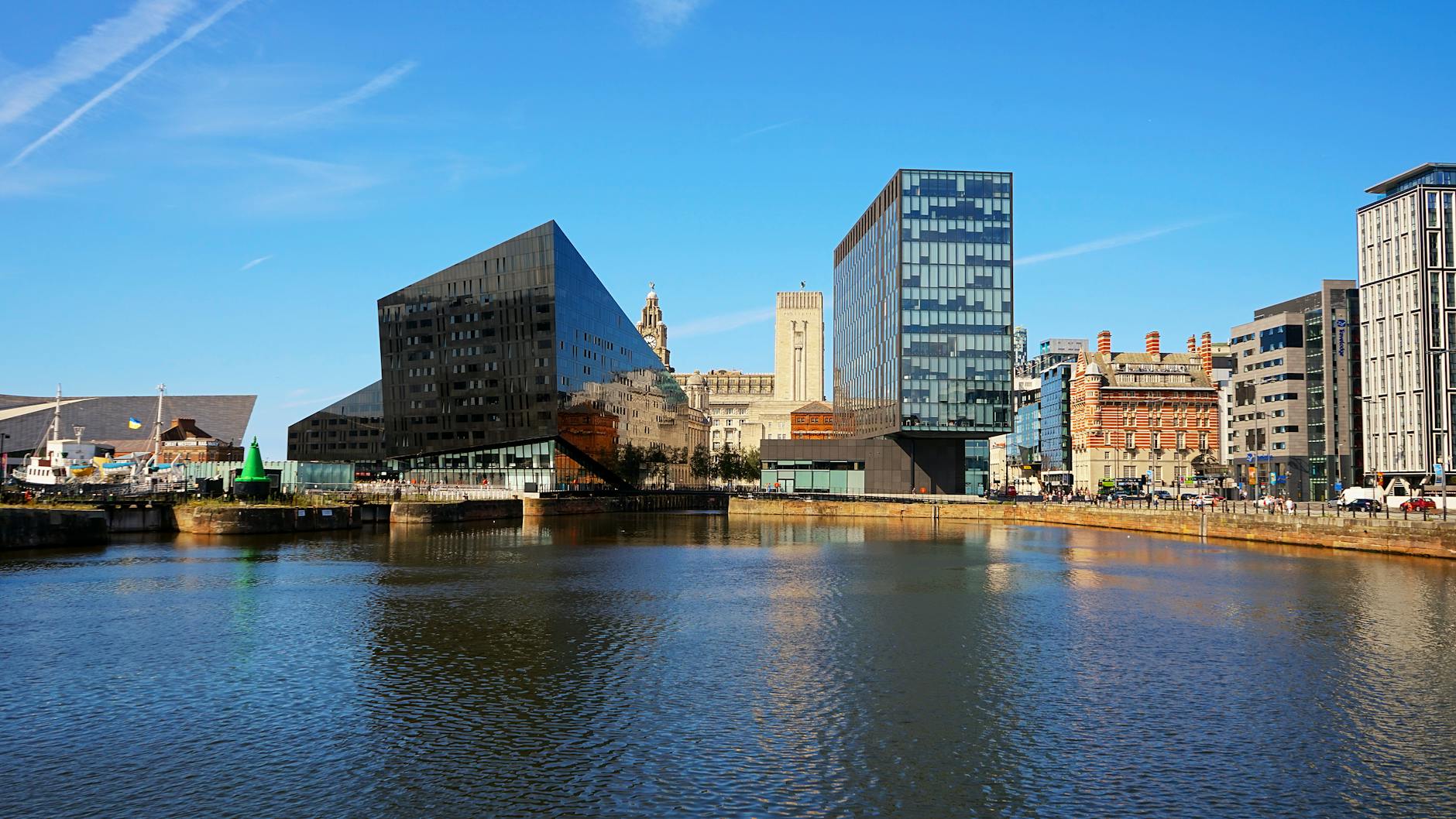
Liverpool Lime Street station is the city’s main rail terminus and one of the best-connected stations in northern England. Direct services run from London Euston (with Avanti West Coast), Manchester, Birmingham and Leeds; check National Rail for journey times on the day you travel, and for any change of train from Scotland. Advance tickets booked early can offer substantial savings — London to Liverpool can cost as little as £20-30 each way if booked several weeks ahead. The station is right in the heart of the city centre, within walking distance of most major attractions and hotels.
By Air
Liverpool John Lennon Airport (named after the city’s most famous son) is located about 8 miles south of the city centre. The airport handles flights from across Europe, with budget carriers including Ryanair and easyJet operating routes to major European cities. The Arriva 500 bus runs between the airport and Liverpool ONE bus station roughly every 15-30 minutes and takes about 25 minutes; check Arriva’s timetable and fare before you fly. A hackney cab to the city centre costs £27-£32 on the airport’s published fares, depending on the day and time, and takes around 30 minutes in normal traffic. Manchester Airport offers a much wider range of long-haul and international flights, and direct Northern trains run from there to Liverpool Lime Street in around 1 hour 20 minutes.
By Car
Liverpool is well connected to the motorway network. The M62 runs east from Liverpool to Manchester, Leeds, and the M1. The M6 (accessible via the M62 or M58) connects to Birmingham, London, and Scotland. The M53 leads south to Chester and North Wales via the A55. City centre parking can be expensive — budget £10-20 per day for central car parks. If you’re visiting Liverpool primarily for city attractions, a car isn’t necessary and can be more hassle than it’s worth. Consider parking at one of the cheaper peripheral car parks or park-and-ride facilities.
By Coach
National Express and Megabus operate coach services to Liverpool from cities across the UK. Journey times are longer than train (National Express’s fastest London to Liverpool coach takes 6 hours 5 minutes, from Golders Green), but fares can be extremely cheap — sometimes under £10 from London if booked early. The main coach station is located at Liverpool One, right in the city centre.
Getting Around Liverpool

Walking
The single most important thing to know about getting around Liverpool is that the city centre is remarkably compact and walkable. The Cavern Quarter is a short walk from the waterfront, and both cathedrals are within walking distance of Liverpool ONE shopping centre. Most visitors find they can reach all the major central attractions on foot without difficulty. The waterfront promenade stretching from the Albert Dock north to the Three Graces and beyond is one of the most enjoyable walks in any British city.
Merseyrail Trains
Merseyrail operates an extensive local rail network with 69 stations covering Liverpool and the surrounding region. The system has four main city centre stations — Liverpool Central (underground), Lime Street, Moorfields, and James Street. Merseyrail is particularly useful for reaching destinations like Southport, Crosby Beach, New Brighton, Port Sunlight, and the airport. Single fares depend on the journey, so check yours on Merseyrail’s website before you travel. Day tickets (Saveaway) offer unlimited travel from £4.30 and represent excellent value if you plan to make several journeys. Adult weekly Trio Tickets covering bus, train, and cross-river ferry journeys start at £23.90 for one zone.
Buses
Liverpool’s bus network is extensive and covers areas not reached by Merseyrail. The flat fare of £2 per single journey makes buses affordable. Most city centre buses depart from Liverpool ONE bus station or Queen Square bus station. The Arriva 500 links the airport with the city centre. The Hop-On Hop-Off sightseeing bus is popular with tourists and covers the major attractions with commentary — it’s a reasonable option for first-time visitors wanting an overview of the city. Any good liverpool travel guide will tell you that buses are particularly useful for reaching suburbs like Allerton (for Calderstones Park) and Woolton (for Strawberry Field).
Ferries
The Mersey Ferry is both a genuine mode of transport and one of Liverpool’s most iconic experiences. The River Explorer Cruise departs from Pier Head and provides stunning views of the Liverpool waterfront and the Wirral coast. Commuter ferries also cross to Seacombe, useful for reaching the Wirral Peninsula; the Woodside terminal at Birkenhead is temporarily closed for refurbishment. For more on what Liverpool offers visitors, see our things to do guide.
Cycling and E-Scooters
Liverpool’s shared e-bikes and e-scooters are run by Bolt, which launched in the city on 1 February 2026. Both are hired through the Bolt app, which shows current availability and charges. Liverpool has an expanding network of cycle lanes, particularly along the waterfront and through the city centre.
Where to Stay in Liverpool

Liverpool offers excellent accommodation across all price points, and is significantly more affordable than London or Edinburgh. The city centre is compact enough that staying anywhere central puts you within easy reach of the main attractions. For a detailed breakdown by area and budget, see our comprehensive where to stay guide.
City Centre / Waterfront: The most convenient location for first-time visitors. Hotels along the waterfront and around Liverpool ONE offer easy access to the Albert Dock, museums, shopping, and nightlife. Expect to pay £80-150 per night for a decent mid-range hotel, or £150-300+ for luxury options. Budget chains like Premier Inn and Travelodge offer city centre rooms from £50-80.
Baltic Triangle: Liverpool’s creative quarter has emerged as a trendy place to stay, with boutique hotels and stylish aparthotels. The area is packed with independent bars, restaurants, and street food venues, and sits on the southern edge of the city centre, within walking distance of the Albert Dock. This is an excellent choice for younger travellers or anyone who prefers a more independent, less mainstream atmosphere.
Ropewalks / Bold Street: Between the city centre and the cathedrals, this area has a bohemian character with excellent restaurants, vintage shops, and independent cafes. Accommodation here ranges from budget hostels (from £15-25 per night for a dorm bed) to mid-range boutique hotels.
Serviced Apartments: Liverpool has a growing number of serviced apartments and aparthotels, which offer excellent value for families or longer stays. A one-bedroom apartment in the city centre typically costs £70-120 per night — often cheaper than a hotel room and with the bonus of a kitchen. Base Serviced Apartments and Dream Apartments are popular choices.
Booking tips: Prices peak during major events — particularly Grand National week (April) and major football fixtures. Book well in advance for these periods. For the best value at other times, book directly with hotels rather than through third-party sites, as many Liverpool hotels offer best-price guarantees and extras for direct bookings. This liverpool travel guide recommends booking accommodation at least two weeks in advance for weekend stays, though midweek availability is usually good at short notice.
Best Time to Visit Liverpool
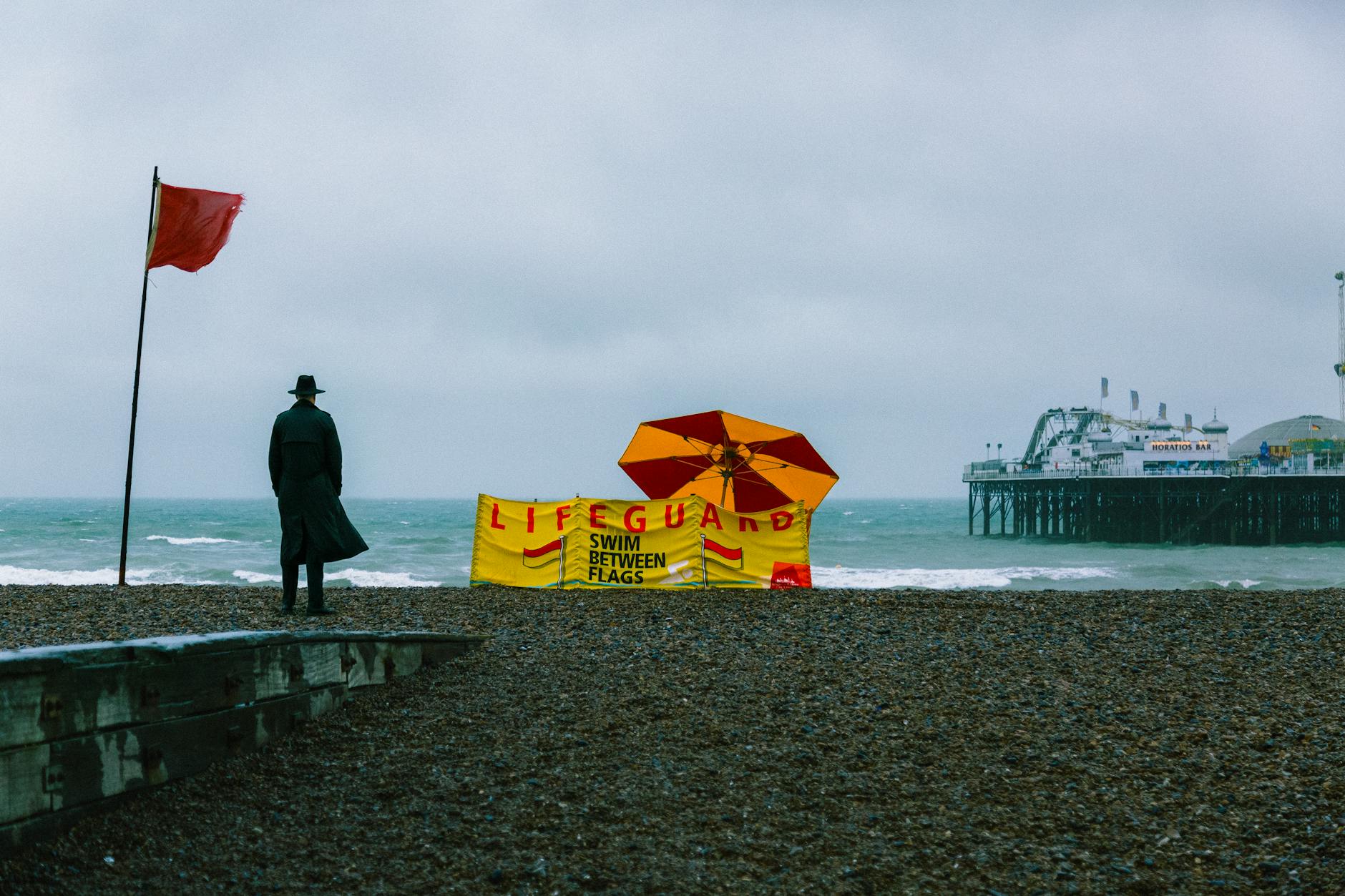
Liverpool has an oceanic maritime climate — mild but wet, with rain possible at any time of year. The city rarely gets extreme heat or severe cold, but the weather can be changeable, so layered clothing and a waterproof jacket are essential regardless of when you visit.
Late Spring and Summer (May-August): The best weather and longest daylight hours. Average highs reach about 20°C (68°F) in July and August, and the sun sets at around 9:40pm in early July, drawing in to about 8pm by late August. This is peak tourist season — expect higher hotel prices and busier attractions, particularly during school holidays (late July to early September). The summer events calendar is packed, with outdoor festivals, concerts on the waterfront, and the Grand National at Aintree (April). For our full events calendar, see our events and festivals guide.
Shoulder Season (April-May, September-October): Excellent for visiting — fewer crowds, more affordable accommodation, and generally pleasant weather. April and May see spring colour in the parks, while September and October offer autumn atmosphere with mild temperatures. This is often the sweet spot for visitors who want good conditions without peak-season prices.
Winter (November-February): Cold and dark, with average highs falling from about 11°C (52°F) in November to 7-8°C (45-46°F) in January and February, and limited daylight. However, Liverpool’s indoor attractions — museums, galleries, restaurants, pubs — are outstanding, and hotel prices drop significantly. The Liverpool Christmas Market and festive lights make December a special time to visit. January and February are the quietest months and offer the best value.
What to See and Do: Essential Highlights
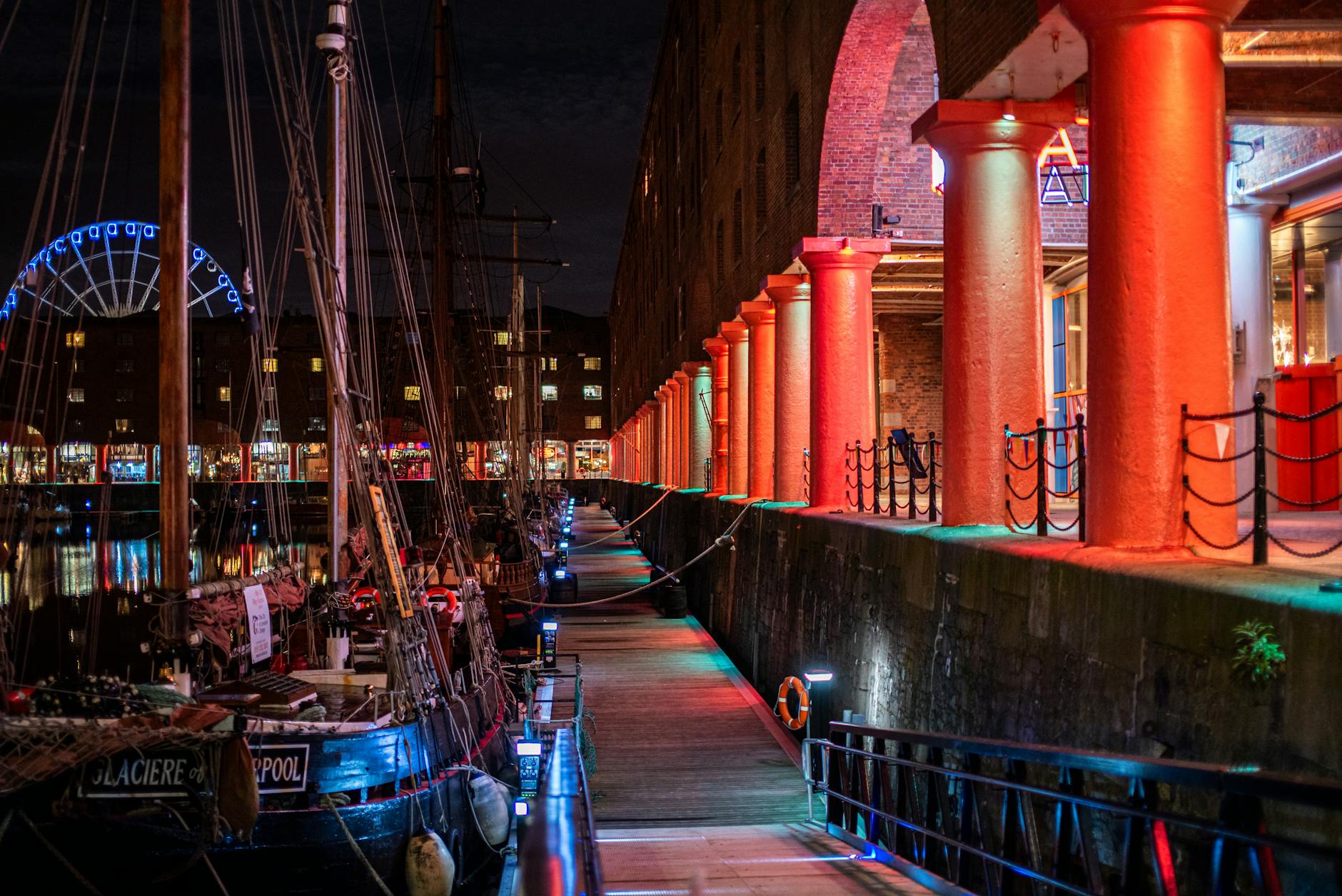
This liverpool travel guide wouldn’t be complete without an overview of the essential things to see. Liverpool punches well above its weight in cultural attractions, with many of the best completely free to visit.
The Waterfront and Albert Dock: The Royal Albert Dock is Liverpool’s centrepiece — a collection of Grade I listed dock buildings that formed part of the city’s World Heritage Site until UNESCO removed Liverpool from its list in 2021. The Beatles Story is here; the Merseyside Maritime Museum and International Slavery Museum are closed, with no reopening date, though the Old Dock Tour still runs, and Tate Liverpool has moved to RIBA North on Mann Island while its dock home is redeveloped. The Three Graces (Royal Liver Building, Cunard Building, and Port of Liverpool Building) form one of the most recognisable skylines in Britain.
The Beatles: Liverpool is the birthplace of the Beatles, and the city celebrates this heritage with passion. The Beatles Story at Albert Dock, the Cavern Club on Mathew Street, Penny Lane, Strawberry Field, and the childhood homes of John Lennon and Paul McCartney (National Trust) are essential stops for music fans. See our dedicated Beatles Liverpool guide for the complete experience.
Museums and Galleries: The Walker Art Gallery houses one of the finest art collections in England outside London. The World Museum covers archaeology, ethnology, and natural science. The Museum of Liverpool tells the story of the city and its people. All three are free. For the full list, see our museums and galleries guide.
The Two Cathedrals: Liverpool has two magnificent cathedrals at opposite ends of Hope Street. The Anglican Liverpool Cathedral is the largest cathedral in Britain and the fifth largest in the world. The Metropolitan Cathedral of Christ the King (known locally as “Paddy’s Wigwam” for its distinctive conical shape) is a striking example of 1960s modernist architecture. Both are free to enter.
Football: Liverpool is one of the great football cities. Anfield (Liverpool FC) and Goodison Park (Everton FC, before their move to the new Bramley-Moore Dock stadium) offer stadium tours and matchday experiences. See our football tourism guide for full details.
Food and Dining
Liverpool’s food scene has been transformed in recent years and now rivals any city in northern England. From fine dining to street food, the city offers outstanding variety and value. Bold Street is the city’s most eclectic dining street, with cuisines from around the world packed into a single quarter-mile stretch. The Baltic Triangle has emerged as a street food and craft beer hotspot. For traditional Scouse (the city’s signature lamb and vegetable stew), try several of the older pubs in the city centre. For a detailed guide, see our food and dining page.
Liverpool Travel Guide: Suggested Itineraries
One Day in Liverpool
Start at the Albert Dock in the morning — visit the Tate Liverpool or The Beatles Story, then walk along the waterfront past the Three Graces to the Museum of Liverpool (free). Have lunch on Bold Street, then walk up to both cathedrals via Hope Street. In the evening, explore the Cavern Quarter for live music and dinner. This gives you a solid taste of what makes Liverpool special.
A Weekend in Liverpool (2-3 Days)
Add a Beatles tour (walking or bus), the Walker Art Gallery, shopping at Liverpool ONE and the independent shops on Bold Street, a Mersey Ferry cruise, and an evening in the Baltic Triangle for street food and cocktails. If you’re a football fan, add a stadium tour at Anfield. With three days, you can also fit in a visit to Crosby Beach (Antony Gormley’s Another Place) or a half-day trip to Port Sunlight on the Wirral.
A Week in Liverpool
A week gives you time to explore Liverpool properly and take day trips into the surrounding region. Spend three to four days exploring the city at a relaxed pace — covering the waterfront, museums, cathedrals, Cavern Quarter, Baltic Triangle, and the Georgian Quarter. Don’t miss a walk through Sefton Park, Liverpool’s most beautiful green space, where the Victorian Palm House glasshouse is free to visit. Use the remaining days for day trips from Liverpool to Chester, North Wales, Manchester, or the Lake District. For families travelling with children, see our family guide for age-appropriate suggestions. A week-long stay is the most rewarding way to experience everything this liverpool travel guide covers.
Nightlife and Entertainment
Liverpool’s nightlife is legendary, and no liverpool travel guide is complete without covering the city’s evening scene. The Cavern Quarter around Mathew Street is the most famous nightlife area, packed with live music venues and themed bars. Concert Square and the surrounding Ropewalks streets are one of the city’s main nightlife areas, with a wide choice of bars and clubs. The Baltic Triangle has a more alternative, creative vibe, with warehouse bars, indie clubs, and late-night street food. Bold Street and its surroundings offer cocktail bars and relaxed wine bars for a more sophisticated night out.
Live music is woven into Liverpool’s DNA. On any given night, you’ll find everything from unsigned bands at the Cavern Club to international acts at the M&S Bank Arena. The Philharmonic Hall hosts the Royal Liverpool Philharmonic Orchestra — one of the oldest in the UK — in a beautiful Art Deco building. The Everyman and Playhouse theatres offer outstanding drama and comedy. For our full rundown, see our nightlife guide.
Shopping in Liverpool
Liverpool ONE is the city’s main retail destination — a huge open-air shopping complex with over 170 stores, restaurants, and a 14-screen cinema. For independent shopping, Bold Street is essential — a characterful street of independent shops, world food stores and quirky bazaars. The Metquarter offers premium brands in a more intimate setting. Liverpool also has a growing market scene, with Baltic Market offering street food and weekend markets in the Baltic Triangle. For detailed shopping recommendations, see our shopping guide.
Money and Budgeting
Liverpool is one of the most affordable major cities in the UK for visitors. Many of the best attractions are free (museums, galleries, cathedrals, waterfront walks). A reasonable daily budget for a mid-range visitor would be approximately £80-120 per person per day, covering accommodation (£40-75 per person sharing), meals (£25-40), transport (£5-10), and one or two paid attractions (£10-20). Budget travellers can get by on £40-60 per day using hostels, supermarket lunches, and free attractions. For detailed budget tips, see our budget guide.
Credit and debit cards are accepted almost everywhere in Liverpool, and contactless payment is standard. Cash is rarely necessary, though it can be useful for smaller market stalls and some independent shops. ATMs are widely available throughout the city centre. Tipping is customary in restaurants and for taxi drivers, but not expected in pubs, cafes, or shops.
Safety and Practical Tips

Liverpool is a welcoming city and generally safe for visitors. As with any major city, use common sense — be aware of your surroundings, especially late at night, and keep valuables secure in busy areas. The city centre is well-lit and busy throughout the evening, and Merseyrail stations have good CCTV coverage.
Emergency services: Dial 999 for emergencies (police, fire, ambulance) or 111 for non-emergency medical advice. The Royal Liverpool University Hospital has an Emergency Department (A&E) for serious cases. Walk-in centres are available for non-urgent medical issues.
Wi-Fi: Free Wi-Fi is available in most cafes, restaurants, hotels, and many public spaces including parts of the city centre and the Albert Dock area.
Electricity: The UK uses Type G three-pin plugs (230V, 50Hz). Visitors from Europe, North America, and most other countries will need an adapter. Hotels sometimes have USB charging points, but bringing your own adapter is recommended.
Language: English is the primary language. Liverpool’s distinctive Scouse accent can take a little getting used to, but Liverpudlians are famously friendly and happy to repeat themselves if needed. The local sense of humour — dry, quick, and self-deprecating — is part of the city’s charm. International visitors will find that Liverpool is an extremely welcoming and diverse city, and this liverpool travel guide can assure you that language barriers are rarely an issue.
Accessibility: Liverpool’s major attractions are generally well-equipped for visitors with disabilities. The waterfront and city centre are largely flat and accessible. Merseyrail stations have step-free access at most locations, and the major museums all have full wheelchair access, accessible toilets, and hearing loops. The Visit Liverpool website provides detailed accessibility information for individual attractions.
Useful Apps and Resources
Having the right apps on your phone will enhance your Liverpool trip considerably. This liverpool travel guide recommends downloading the following before you arrive: Merseytravel for real-time public transport information and journey planning; Trainline or National Rail for booking train tickets; Uber for taxis and ride-hailing; Bolt for e-scooter and e-bike hire; Google Maps or Citymapper for navigation (both work well in Liverpool); and TripAdvisor or Google Maps for restaurant reviews and recommendations. The Visit Liverpool website is the official tourism resource and has up-to-date information on events, exhibitions, and seasonal attractions.
Day Trips from Liverpool
Liverpool’s location makes it an excellent base for exploring the wider north-west of England and North Wales. Chester, Manchester and Southport are easy day trips by train, and North Wales is within reach by car. The Lake District and York are feasible with an early start. For comprehensive information on excursions and nearby destinations, see our detailed day trips from Liverpool guide. Any liverpool travel guide worth reading will tell you that the surrounding region is one of Liverpool’s great strengths as a visitor destination.
Essential Packing List for Liverpool
Liverpool’s weather is famously unpredictable, so packing smart is important for any visitor using this liverpool travel guide. Bring a waterproof jacket regardless of the season — rain can appear without warning. Layers are essential as temperatures can vary significantly within a single day. Comfortable walking shoes are a must, as you’ll cover more ground on foot than you expect. An umbrella (compact and windproof) is worth packing. In summer, bring sunscreen and sunglasses — when the sun does appear, it can be surprisingly strong. In winter, a warm coat, hat, and gloves are necessary.
Frequently Asked Questions
What Currency Is Used in Liverpool?
Liverpool uses British pounds sterling (£/GBP). As mentioned in this liverpool travel guide, credit and debit cards are accepted virtually everywhere, and contactless payment is standard. Currency exchange is available at the airport and in the city centre, though using a travel-friendly debit card to withdraw from ATMs typically gives better exchange rates.
How Many Days Do You Need in Liverpool?
Two to three days is ideal for covering Liverpool’s main highlights. A long weekend gives you time for the waterfront, museums, Beatles attractions, both cathedrals, and the food and nightlife scene. If you want to add day trips to Chester, Manchester, or North Wales, plan for four to five days. A full week allows a thorough exploration of the city plus several day trips into the surrounding region.
Is Liverpool Safe for Tourists?
Yes, Liverpool is generally very safe for tourists. The city centre is well-policed and busy, and violent crime affecting visitors is rare. Use normal city precautions — watch your belongings in crowded areas and be sensible late at night. Liverpudlians are renowned for their friendliness and visitors consistently rate the city as one of the most welcoming in the UK.
Is Liverpool Expensive to Visit?
No — Liverpool is one of the most affordable major cities in the UK. Hotel prices are significantly lower than London, many of the best attractions are free, dining is excellent value, and public transport is cheap. A mid-range visitor can expect to spend £80-120 per person per day. Budget travellers can enjoy Liverpool for £40-60 per day.
What Is the Best Way to Get Around Liverpool?
Walking is the best way to explore the city centre — it’s compact, and most of the main sights are within walking distance of one another. For destinations outside the centre (Crosby Beach, Southport, New Brighton), Merseyrail trains are frequent, reliable, and affordable. Buses cover the wider city. Taxis and ride-hailing apps (Uber operates in Liverpool) are useful for late-night journeys.
What Should I Not Miss in Liverpool?
The absolute essentials are the Royal Albert Dock and waterfront, at least one Beatles attraction (The Beatles Story or Cavern Club), one of the free museums (Walker Art Gallery or Museum of Liverpool), and a walk between the two cathedrals along Hope Street. If time allows, add a Mersey Ferry cruise and an evening exploring the Baltic Triangle or Bold Street restaurant scene. For our complete recommendations, see our things to do guide.
Can You Do Liverpool as a Day Trip?
Yes, but you’ll only scratch the surface. Direct trains from Manchester, Leeds and London put Liverpool within day-trip range. Focus on the waterfront and one or two key attractions. However, this liverpool travel guide strongly recommends staying at least one night — Liverpool’s evening atmosphere, live music scene, and restaurant culture are a huge part of the experience that day trippers miss. If you only have one day, arrive early and follow our one-day itinerary above for the best possible experience.
Final Thoughts
We hope this liverpool travel guide has given you everything you need to plan a memorable trip. Liverpool is a city that consistently exceeds expectations. Visitors arrive for the Beatles and leave captivated by the waterfront, the museums, the food, the nightlife, the architecture, and above all, the people. This liverpool travel guide has covered the essentials — transport, accommodation, timing, budgeting, and safety — but the real magic of Liverpool is in the details: the unexpected conversation in a pub, the live music drifting from a basement bar, the sunset over the Mersey, the street art in the Baltic Triangle.
Whatever your reason for visiting — the Beatles, the football, the culture, the food, or simply a city break somewhere different — Liverpool will welcome you warmly. Plan your trip with this liverpool travel guide, pack your waterproof jacket, and prepare to be surprised by one of Britain’s most rewarding cities. For more detailed information on specific topics, explore our complete collection of Liverpool guides including nightlife, shopping, and history and heritage.
Complete Liverpool Travel Guide Resources
For deeper coverage of every aspect of planning a Liverpool trip, the following ten in-depth guides cover the essentials:
- How to Get to Liverpool: Flights, Trains & Driving Guide — arriving in Liverpool.
- Getting Around Liverpool: Buses, Trains, Taxis & Walking — Merseyrail, Saveaway, and city transport.
- Best Time to Visit Liverpool: Month-by-Month Guide — when to plan your trip.
- Liverpool Weather Guide: What to Pack for Every Season — the climate realities.
- 2-Day Liverpool Itinerary: The Perfect Weekend Break — the focused weekend visit.
- 3-Day Liverpool Itinerary: Extended City Break Guide — the comfortable city visit.
- Liverpool Safety Tips for Tourists: What You Need to Know — the honest safety guide.
- Liverpool John Lennon Airport Guide: Transfers & Tips — LPL airport details.
- Liverpool Travel Tips: 15 Things to Know Before You Visit — first-timer essentials.
- 5-Day Liverpool & Beyond Itinerary: City Break + Day Trips — the extended trip.