Best pubs Liverpool searches return two very different lists — the historic Grade-listed pubs that have been part of the city for over a century, and the modern gastropubs and craft-beer micropubs that have appeared in the last decade. Liverpool is genuinely strong at both ends. The city has one of only eleven Grade I-listed pubs in England (the Philharmonic Dining Rooms), a clutch of properly historic 19th-century survivors (Peter Kavanagh’s, Ye Cracke, The Lion Tavern), and an exceptional real-ale scene anchored by The Ship and Mitre, The Roscoe Head, and a handful of micropubs that have made Liverpool a CAMRA destination in its own right. This guide covers the best pubs Liverpool offers in 2026 across all three categories — heritage pubs, gastropubs, and craft-beer specialists — with practical detail on what to drink, what to eat, and how to plan a proper Liverpool pub crawl.
The Liverpool pub story matters because Liverpool pubs are different from those in most other British cities. The historic survival rate is high — the city’s wartime bombing was severe but selective, and the post-war rebuilding largely left the late-Victorian pub stock intact. The result is more architectural heritage in Liverpool pubs than in any English city outside London. Add to that a particularly strong real-ale culture (the Roscoe Head has appeared in every edition of the CAMRA Good Beer Guide since 1974) and a recent wave of well-run gastropubs and micropubs, and the best pubs Liverpool delivers can hold their own against the more celebrated pub scenes of Manchester, Sheffield, or York.
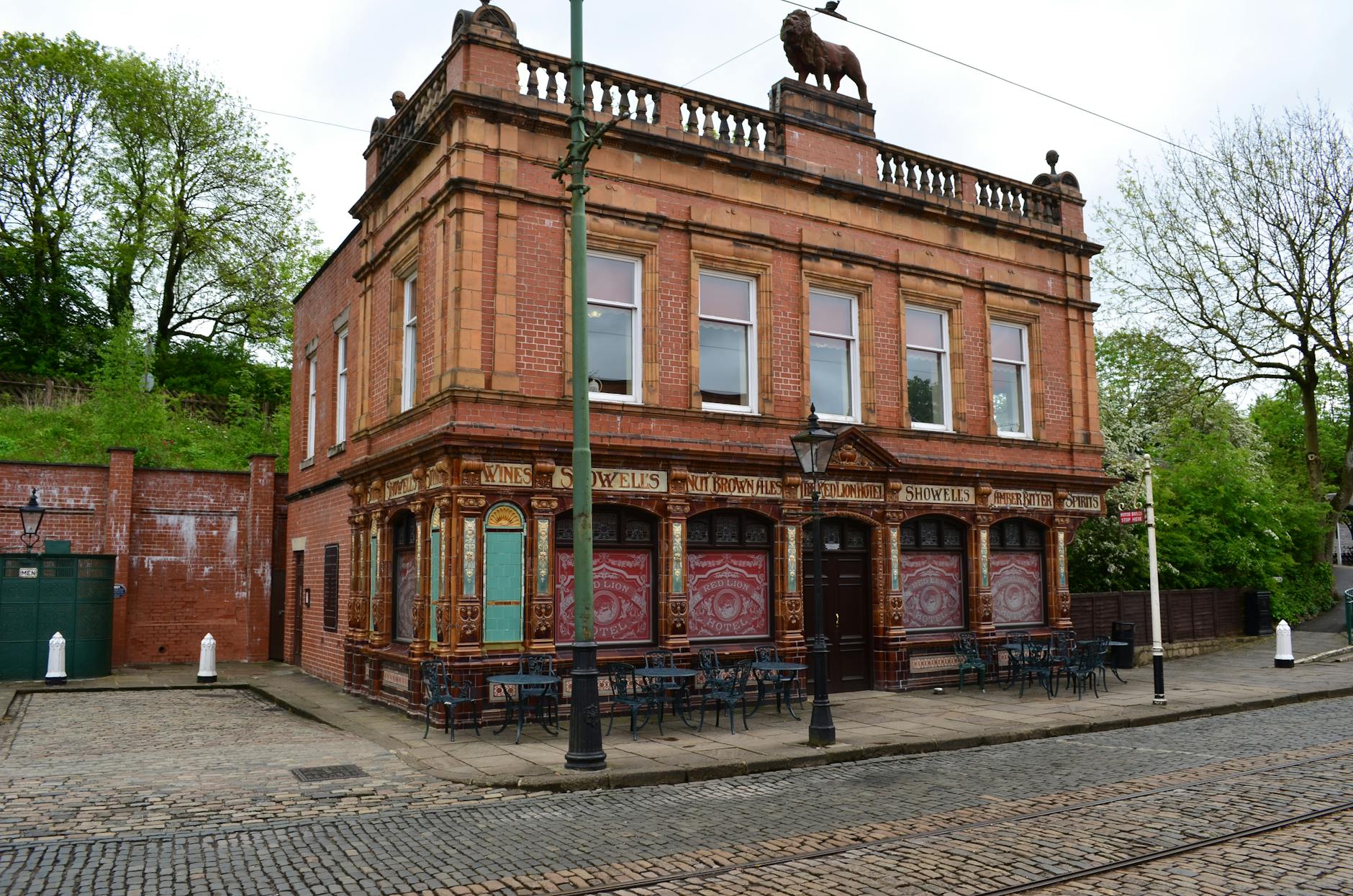
The Philharmonic Dining Rooms — Liverpool’s Most Famous Pub
If you visit one pub in Liverpool, make it the Philharmonic Dining Rooms on Hope Street. It’s Grade I-listed — one of only eleven pubs in England with that designation — and Historic England describes it as “the pinnacle of the gin palace form of pub”. Built between 1898 and 1900 and designed by Walter Thomas, it’s the ornate late-Victorian pub style at its absolute peak: Art Nouveau wrought-iron gates, a mosaic-clad bar, stained glass throughout, stone bas-reliefs, and ornate plasterwork ceilings. The men’s toilets are also Grade I-listed — pink marble urinals worth the brief visit even if you’re a woman (staff will let you have a look between rushes).
The Philharmonic is also one of John Lennon’s old haunts (Lennon famously said “the worst thing about being famous is no more Philharmonic”), which gives it a Beatles connection that draws steady tourist traffic — see our Beatles Liverpool guide for the wider context. Cask ales are reliable, the wine list is broader than most Liverpool pubs, and the food is honest pub food (pies, fish and chips, Sunday roasts) rather than serious gastropub cooking. Pints £4.50-6, mains £14-22.
The location on Hope Street puts the Philharmonic in the Georgian Quarter, ten minutes’ walk from central hotels and two minutes from the Philharmonic Hall — perfect for a pre-concert drink. Mid-afternoon weekdays are the quietest visit; Friday and Saturday evenings are properly packed, with some queue at the door.
Peter Kavanagh’s — The Liverpool Locals’ Heritage Pub
Peter Kavanagh’s on Egerton Street, ten minutes’ walk from the city centre in the Georgian Quarter, is the heritage pub locals will recommend over the Philharmonic. It’s smaller, less polished, and considerably more characterful — a 19th-century corner pub with original interior fittings, stained glass, ornate wooden snugs, and walls covered in framed photographs, paintings, and antique curios. The atmosphere is what most British pubs aspired to be in 1890 and very few have preserved: small, dark, friendly, with proper beer and a steady regular crowd that overlaps with students, academics, and longtime locals.
Pints £4-5.50, with a rotating selection of cask ales, lagers, and a sensible wine list. No food beyond crisps and bar snacks — this is a drinking pub, properly speaking. The snugs at the back are the best seats in the house and worth waiting for on a quieter weekday evening. Saturday nights can be busy but the pub doesn’t tip over into bar territory the way the Philharmonic does. It’s one of the best pubs Liverpool offers for a proper unhurried evening with a small group.
Ye Cracke — The Beatles’ Art-School Pub
Ye Cracke on Rice Street, a five-minute walk from the Philharmonic, is the third corner of the Georgian Quarter heritage triangle. It’s smaller than either of the above, with a literary and artistic heritage that includes John Lennon — Lennon drank here regularly as a Liverpool College of Art student, and the pub has a War Office room covered in art-school-era memorabilia. The interior is Victorian and largely original; the beer garden out the back is rare for a central Liverpool pub and the right pick on a warm afternoon.
Cask ales rotate but are reliably well-kept; pints £4-5.50. The food is limited to bar snacks and pies. The crowd skews younger than Peter Kavanagh’s — there’s a steady mix of students from John Moores and the University of Liverpool — and the energy is busier without being loud. Ye Cracke is one of the most authentic Beatles-related pub experiences in the city; see our Beatles childhood homes guide for the wider Beatles-Liverpool context.
The Roscoe Head — Liverpool’s CAMRA Famous Five Pub
The Roscoe Head, a tiny pub on Roscoe Street, is one of only five pubs in the country to have appeared in every edition of the CAMRA Good Beer Guide since the first one in 1974. That’s the kind of consistency that gets a pub a national reputation among real-ale drinkers, and the Roscoe Head deserves it — a proper four-room Victorian pub with no music, no fruit machines, and a beer programme that prioritises quality over novelty. The rotating cask selection (usually four to six on at any time) is reliably well-kept and varied; pints £4-5.50.
The format is unfashionable in the best way — small rooms, conversation, no pretension. The lounge at the back is the quietest spot. Bar snacks but no proper food. Worth the visit even if you’re not a CAMRA partisan; the Roscoe Head is one of the best examples of how a small Liverpool pub can hold its character against decades of pressure to modernise.
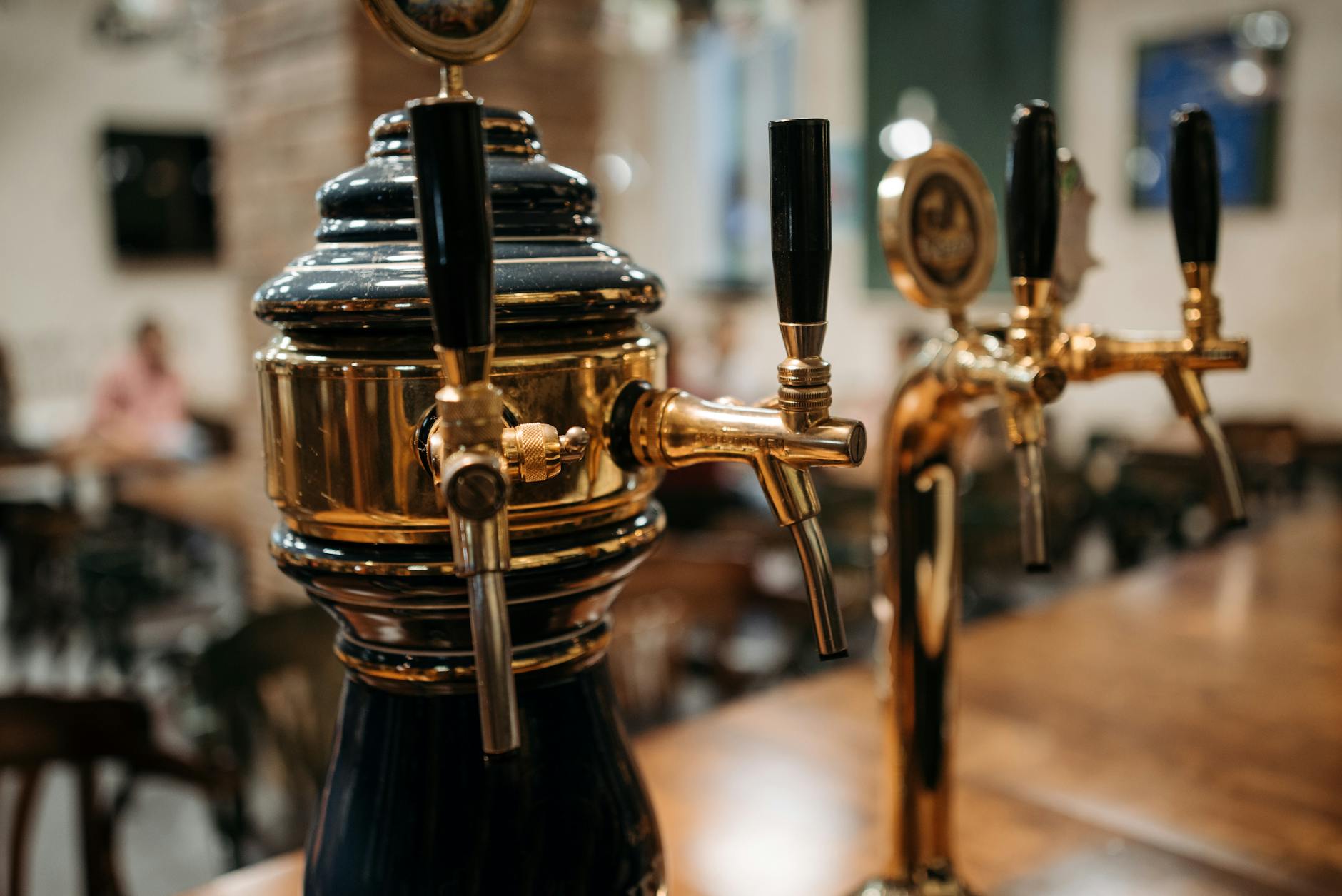
The Ship and Mitre — Liverpool’s Cask Ale Headquarters
The Ship and Mitre on Dale Street is the city’s biggest real-ale destination — around 200 different beers available across draught and bottled, the largest selection of hand-pulled ales in Merseyside, and a CAMRA Pub of Excellence designation. It hosts the city’s biggest annual beer festival each November at Hulme Hall (the 2026 edition runs 12-15 November). The interior is a 1930s Art Deco survival with original fittings and a slightly different feel from the Victorian heritage pubs above.
Pints £4-6 depending on what you’re drinking; a rotating range of regional and national cask ales, strong international and craft beer selection, and ciders. The food is decent gastropub cooking — pies, burgers, Sunday roasts at £12-18. The Ship and Mitre is the right pick for a longer pub stop where you want to work through several different beers and possibly eat. It’s also walking distance from most central hotels (five minutes from Lime Street, six from Liverpool ONE).
The Lion Tavern — The Cosy Real Ale Pub
The Lion Tavern on Moorfields is small, characterful, and quietly excellent — Liverpool CAMRA Pub of the Year 2020-2021 and consistent Pub of Excellence in the years since. The interior is late-Victorian original, the cask selection rotates regularly, and the atmosphere is firmly conversation-led. Pints £4-5.50. No food beyond snacks. The crowd is older and more pub-traditional than at Ye Cracke or The Ship and Mitre — it’s the right pick if you want a quiet pint with a serious beer programme.
The Dispensary — Victorian Bar in the City Centre
The Dispensary on Renshaw Street is a Victorian-original pub with three regular and three rotating cask beers, an outdoor food stall on busier weekends, a small garden, and the kind of slightly worn-in feel that makes a Liverpool pub work properly. The interior has raised wood panelling and original Victorian fittings; the beer selection is reliable rather than spectacular. Pints £4-5.50. Bar food rather than a serious kitchen.
Cask — Liverpool’s Pioneering Micropub
Cask on Hope Street is the pioneering Liverpool micropub — opened in July 2015 and immediately winning CAMRA Pub of the Year three years running (2016, 2017, 2018). It’s tiny, six or eight stools at the bar, no music, no fruit machines, no TV. The format is what micropubs do best: a handful of carefully chosen beers, conversation, and a complete absence of distractions. Pints £4.50-6. The Hope Street location makes it an easy add-on to a Philharmonic or Ye Cracke crawl.
The Globe — Tiny Victorian Survivor
The Globe on Cases Street, near Lime Street station, is a small Victorian pub with an 1888 interior, a world mural, and a sloping front floor that’s never been straightened in over a century. Two regular and two changing cask ales, pints £4-5. It’s a curiosity as much as a proper drinking destination — worth the visit for the architecture even if you’re only stopping for one. The location near Lime Street makes it a credible first-or-last pint pub for visitors arriving or departing by train.
Liverpool Gastropubs — Food-Led Pubs Worth a Sit-Down
The Liverpool gastropub scene has grown substantially in the last decade. The category sits between proper restaurant dining and traditional pubs — a sit-down meal with serious cooking but a pub feel rather than a restaurant one. The best Liverpool gastropubs are worth knowing if you want a proper Sunday lunch, a sensible weekday dinner, or a more substantial meal than the heritage pubs offer.
The Pen Factory
The Pen Factory on Hope Street is one of central Liverpool’s better gastropubs — sharing-plate menu with strong cocktails, a small wine list, and a relaxed dining room. Plates £8-18, full meal £25-35 per person. Good for groups of four to six who want pub atmosphere with proper food.
The Belvedere
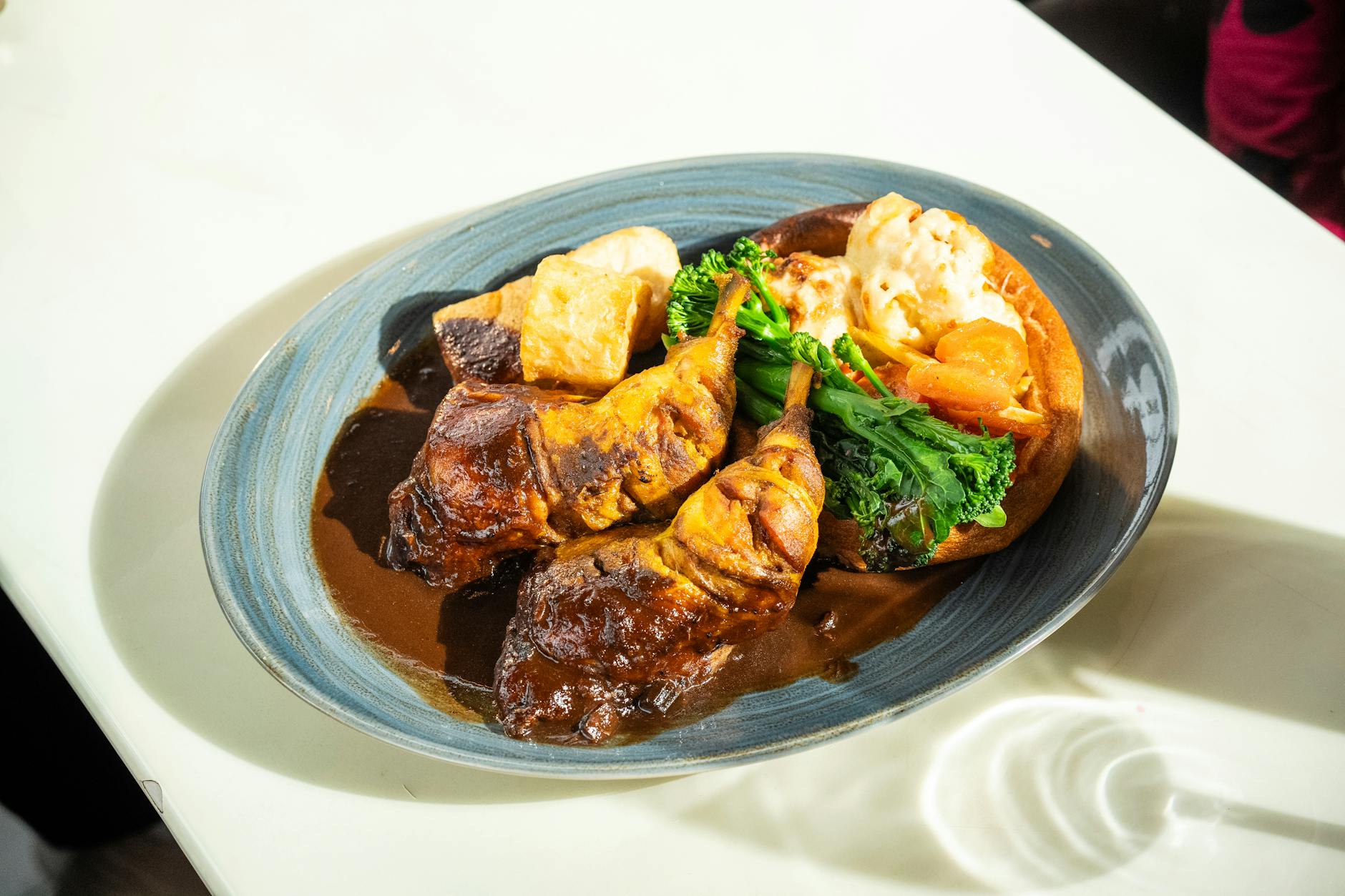
The Belvedere on Sugnall Street is the Georgian Quarter’s smartest pub — properly restored Victorian interior, a kitchen running modern British pub food, and a beer programme that takes both real ale and craft seriously. Sunday roasts (£16-22) are the order of choice and book ahead. Weekday lunches £12-18.
The Caledonia
The Caledonia on Catharine Street, on the edge of the Georgian Quarter, is a music-pub with serious folk credentials — live sessions most evenings, a strong cask selection, and proper pub food including one of the city’s better burgers (£14). Bigger than most Liverpool heritage pubs and the right pick for a longer evening with food.
A Liverpool Pub Crawl Route
A realistic Liverpool pub crawl works through the Georgian Quarter and city centre in three legs. Start at the Philharmonic Dining Rooms for the architecture (one pint, around 5pm). Walk five minutes to Ye Cracke for the second pint and the John Lennon connection. From there, walk eight minutes down to Cask on Hope Street for a micropub pint with a focused beer list. Cross to The Belvedere for dinner (Sunday roast or a sensible pub meal). End at Peter Kavanagh’s on Egerton Street for a final unhurried pint in proper Victorian snugs.
That route covers five of the best pubs Liverpool offers across four hours, walks just under a mile, and gives you a proper introduction to both the heritage pubs and the modern beer scene. Adjust by adding The Roscoe Head between Cask and The Belvedere if you want six pubs instead of five, or by substituting The Ship and Mitre for The Belvedere if you’d rather eat there. Realistic cost: £40-60 per person for the full crawl with one meal and several pints.
Pubs and Liverpool’s Nightlife — Where the Line Sits
Liverpool’s pubs are largely separate from the city’s bar and club scene — most heritage pubs close by 11pm or midnight, and the louder, later-night Liverpool nightlife runs through dedicated bars and clubs on Concert Square, Seel Street, and the Baltic Triangle. For the louder side of Liverpool drinking, see our best bars Liverpool guide and the best nightclubs Liverpool guide. Most pubs above sit firmly in the “pre-9pm proper pub” bracket rather than competing with the late-night venues.
FAQs — Best Pubs Liverpool
What is the most famous pub in Liverpool?
The Philharmonic Dining Rooms on Hope Street — Grade I-listed, described by Historic England as “the pinnacle of the gin palace form of pub”, and one of only eleven Grade I-listed pubs in England. Famous Beatles connection too: John Lennon drank there as an art student.
What’s the oldest pub in Liverpool?
Several Liverpool pubs claim 18th-century origins, including Ye Cracke (mid-19th century in current form), Peter Kavanagh’s (late 19th century), and the Lion Tavern (Victorian). The Philharmonic Dining Rooms is later (1898-1900) but architecturally the most important historic pub. Liverpool’s pub heritage runs particularly strong because wartime bombing was relatively selective compared to other UK cities.
Where do locals drink in Liverpool?
Peter Kavanagh’s, The Roscoe Head, Ye Cracke, The Lion Tavern, and the various Georgian Quarter pubs are the proper locals’ pubs. The Philharmonic gets significant tourist traffic; the heritage pubs above and the micropubs (Cask, The Globe) tend to skew locals. The Ship and Mitre is a mixed crowd of beer-enthusiasts from across the country plus regular Liverpool drinkers.
How much does a pint cost in Liverpool?
£4-6 for most pints in Liverpool pubs in 2026. Cask ales typically £4-5.50; craft and continental beers run higher (£5-6); house wines £4-7 a glass. Compared to London, pints are roughly £1-2 cheaper across the board.
What’s the best pub for cask ale in Liverpool?
The Ship and Mitre for variety (200+ beers including bottled); The Roscoe Head for consistency (every CAMRA Good Beer Guide since 1974); The Lion Tavern for the Liverpool CAMRA Pub of the Year credentials; Cask for the micropub format. All four are within twenty minutes’ walk of each other.
Are Liverpool pubs family-friendly?
Most heritage pubs accept children at lunch and early evening. The gastropubs (The Belvedere, The Pen Factory, The Caledonia) are reliably family-friendly. Micropubs (Cask, The Roscoe Head) typically prefer adults-only. For child-focused Liverpool planning, see our Liverpool with kids guide.
Which Liverpool pub has the Beatles connection?
Ye Cracke on Rice Street is the strongest John Lennon pub connection — Lennon drank there as an art-school student. The Philharmonic Dining Rooms is also a Lennon haunt. The Grapes on Mathew Street, near the Cavern Club, is the more touristy Beatles pub. See our Cavern Club guide for the full Beatles pub context.
Where can I get a Sunday roast in Liverpool?
The Belvedere, The Ship and Mitre, and The Pen Factory all serve proper Sunday roasts (£14-22). Book ahead — Sunday lunch is the busiest pub meal of the week in Liverpool. Some of the Lark Lane and Smithdown gastropubs also do strong Sunday roasts if you’re staying further out.
How many heritage pubs does Liverpool have?
Liverpool has more Grade-listed and historic-interior pubs than most British cities. The CAMRA Heritage Pub Map identifies around 12-15 pubs of national interior heritage importance, with the Philharmonic Dining Rooms being the only Grade I listing. Other key heritage pubs include Peter Kavanagh’s, Ye Cracke, The Roscoe Head, The Dispensary, The Lion Tavern, and The Globe.
What’s the difference between a Liverpool pub and a Liverpool bar?
Pubs close earlier (typically 11pm to midnight), focus on beer and conversation, often have heritage interiors, and are generally quieter. Bars (covered in our best bars Liverpool guide) open later, focus on cocktails or wine, often have music or DJs, and form part of the city’s nightlife scene rather than its daytime drinking culture. The line is not absolute — some venues sit between the two — but the working distinction holds for most of central Liverpool.