This article contains advertising. Our booking links are routed through a partner that adds commission tracking automatically, so if you book through one we earn a commission from the provider, at no extra cost to you. It never affects what we recommend. Affiliate disclosure
Walk the length of Hope Street on a bright afternoon and the picture changes completely from one end to the other: the Gothic tower of the Anglican Cathedral behind you, the concrete crown of the Metropolitan ahead. Liverpool is full of moments like that, where a short walk changes the whole picture. These are the instagrammable places Liverpool photographers keep coming back to, with where exactly to stand, when the light suits each one, what it costs and the rules on photography where a venue has them.
The list runs from the waterfront and the Albert Dock to the Georgian Quarter, the two cathedrals, the Bombed Out Church, the Picton Reading Room, Chinatown and the iron men on Crosby Beach. Opening hours, prices and photography rules were checked in October 2026 against each venue’s own site; treat them as the right order of magnitude and confirm before you go, because open days, closures and events change the picture.
Liverpool Photo Spots at a Glance
| Spot | Area | Cost | When to go |
|---|---|---|---|
| Royal Albert Dock and Pier Head | Waterfront | Free | Afternoon for sun on the buildings; after dark for reflections |
| Liverpool Cathedral tower | Hope Street | £8 adult, £6.50 concession | Clear days; last entry 16:30 |
| Metropolitan Cathedral lantern | Mount Pleasant | Free to photograph inside, outside services | Sunny days, when the glass glows |
| Hope Street, cathedral to cathedral | Georgian Quarter | Free | Afternoon |
| Huskisson Street terraces | Georgian Quarter | Free (residential street) | Quiet mornings |
| St Luke’s Bombed Out Church | Top of Bold Street | Check open days | Open days only |
| Picton Reading Room | William Brown Street | Free | Library hours; it is a quiet study space |
| Chinatown arch | Nelson Street | Free | Any time; bright days for colour |
| Sefton Park Palm House | Sefton Park | Free | Sunday to Thursday |
| Another Place, Crosby Beach | Crosby | Free | Low tide, late afternoon |
The Waterfront
Royal Albert Dock
The Albert Dock is the photo most visitors want first: red-brick warehouses on iron columns standing round still water, with the Liver Building rising behind. The best frames come from the quaysides on the far side of the basin from the Liver Building, so that the dock water fills the foreground. On a calm day the warehouses reflect cleanly; after dark the lit-up colonnades and the waterfront behind give the night shot.
- Tip: the dock is busy from late morning, so go early for empty quaysides or late for the lights.
- Nearby: the Pier Head is a few minutes north along the river. Our waterfront guide has a walking route.
Pier Head, the Three Graces and the Beatles statue
The Royal Liver Building, the Cunard Building and the Port of Liverpool Building stand side by side at the Pier Head, and they photograph best from a little way off. Step back towards the river to fit all three into one frame, or shoot them side on from the river wall for a sense of their height.
The bronze statue of the four Beatles stands at the Pier Head (L3 1BY), opposite the Fab4 Cafe and Store in the Gerry Marsden Ferry Terminal. It is one of the city’s most popular photo stops, and people often queue to stand alongside John, Paul, George and Ringo. Go early in the morning for the best chance of a clear shot. Read more about the buildings in our guide to the Three Graces.
From the river
The classic skyline view is from the water. A Mersey ferry gives you the whole waterfront from the upper deck as it turns back towards Pier Head. See our Mersey ferry guide for times and fares.
The Two Cathedrals and Hope Street
Liverpool Cathedral tower
The Anglican Cathedral’s tower gives a 360-degree view from the roof, over the city, the docks and the river, and the cathedral actively invites visitors to photograph the view and share it. Two lifts take you most of the way, then there are 108 stairs. Tickets in October 2026 are £8 for adults, £6.50 for concessions and £22.50 for a family of two adults and up to three children.
- Hours: Monday to Saturday 10:00 to 16:30, Sunday 12:00 to 16:30, with last entry at 16:30. The tower closes on some days for bell ringing, including Sunday 1 November 2026.
- Inside: visiting the cathedral is free, with donations welcomed, though some events need a paid ticket. The main building is open daily from 10:00 to 18:00, with Sunday mornings given over to worship.
- Tip: clear days only. Haze flattens the long views, and the roof is open to the wind, so hold on to your phone.
Our Liverpool Cathedral guide covers the building itself.
Metropolitan Cathedral: the lantern
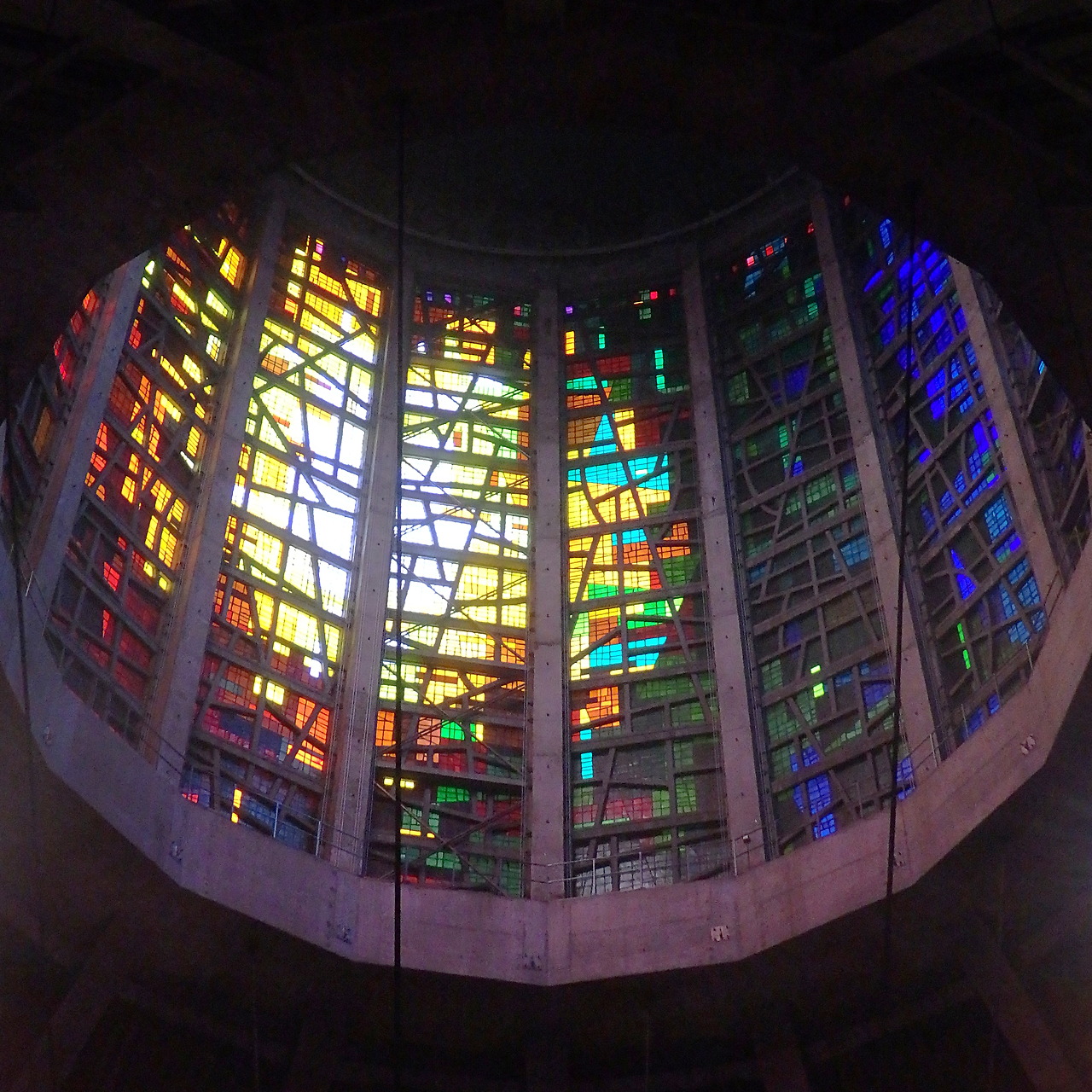
Inside the Metropolitan Cathedral at the top of Mount Pleasant, the shot is straight up: the lantern of coloured glass above the central altar. Stand near the middle of the floor and point your camera at the ceiling. On a sunny day the glass throws colour across the concrete.
- Hours: the cathedral is open daily from 07:30 to 18:00. The crypt is open Monday to Saturday from 10:00 to 16:00, with last entry at 15:30.
- Photography rules: photography is welcome except during services, concerts and rehearsals. It is not allowed in the Crypt Treasury, video cameras and drones are banned, and commercial photography needs the cathedral’s permission.
- Access: step-free entry is via the cathedral car park, with lifts to all visitor areas including the crypt.
- Getting there: the cathedral puts the walk from Lime Street at about ten minutes. It lists buses 79, 86, 86A and 86C from Liverpool ONE and the 79 and 7 from Queen Square.
Hope Street
Hope Street links the two cathedrals, and the walk between them is the best free photo route in the city. From the Anglican end, look north along the street to frame the Metropolitan Cathedral’s crown at the far end; from the Metropolitan steps, look south for the Gothic tower. The street is lined with Georgian houses, the Philharmonic Hall and the Everyman, so there is plenty to fill the foreground.
The Georgian Quarter
Huskisson Street
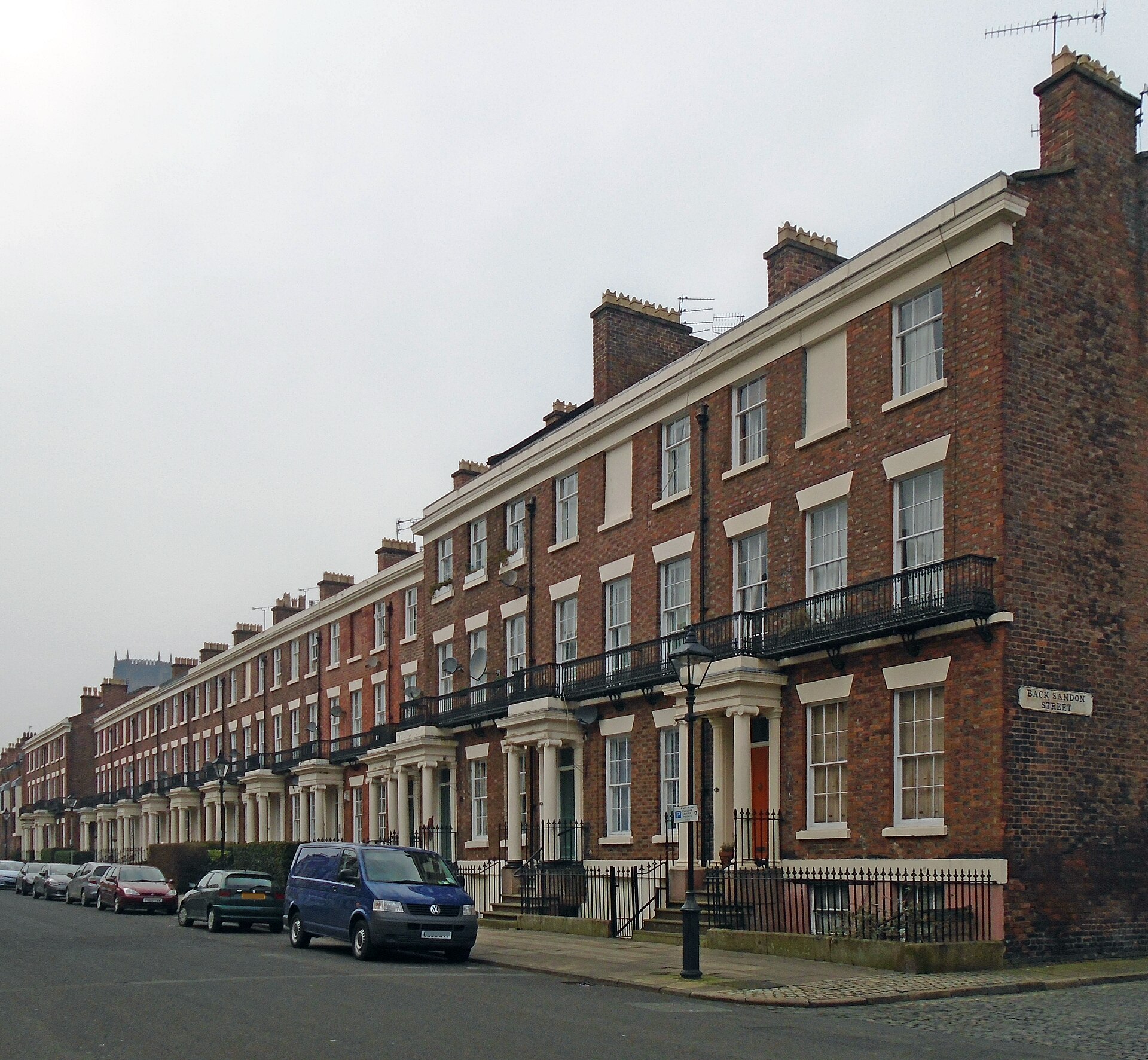
Huskisson Street runs off Hope Street through the heart of the Georgian Quarter, and its long terraces of brick houses, black railings and iron balconies are the backdrop many Liverpool photo shoots use. At the Hope Street end, Nos 2 to 12 and 51 Hope Street form a Grade II listed terrace of seven stucco houses from the 1830s, three storeys over basements.
- Where to stand: on the pavement looking along the street, so the terrace recedes in a long line of doors and railings.
- Etiquette: these are people’s homes. Stay on the pavement, don’t block doorsteps or steps, and keep a big group or a tripod out of the way.
- Tip: quiet weekend mornings have the fewest cars and people in the frame.
The neighbouring squares and streets have more of the same; our Georgian Quarter guide covers the area.
St Luke’s Bombed Out Church
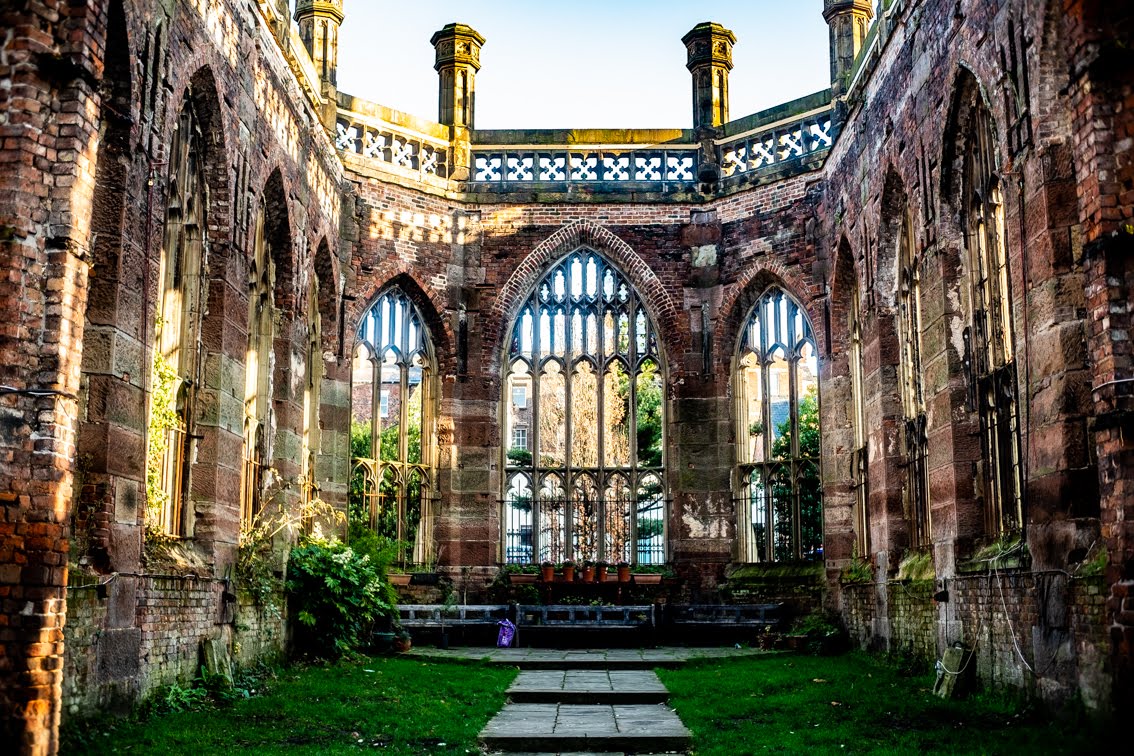
St Luke’s at the top of Bold Street is a church whose roof and interior were destroyed in the Blitz, leaving the stone shell standing open to the sky. Inside, the empty Gothic windows, the grass and the trees growing within the walls make one of the most striking photos in the city.
- Getting in: the main entrance is on Leece Street. The church opens on advertised open days and for events, so check its What’s On page for dates. In late October 2026 it lists open days on Sunday 25 October and from Wednesday 28 to Saturday 31 October, from 10:00 to 16:00.
- Access: a ramp for wheelchair users is available during open days and events, and the church will arrange a visit outside those hours if you email it.
- Tip: even when it is closed, the outside of the church and its tower photograph well from the junction of Bold Street and Leece Street.
For the history behind it, see our guide to Liverpool in the Second World War.
The Picton Reading Room
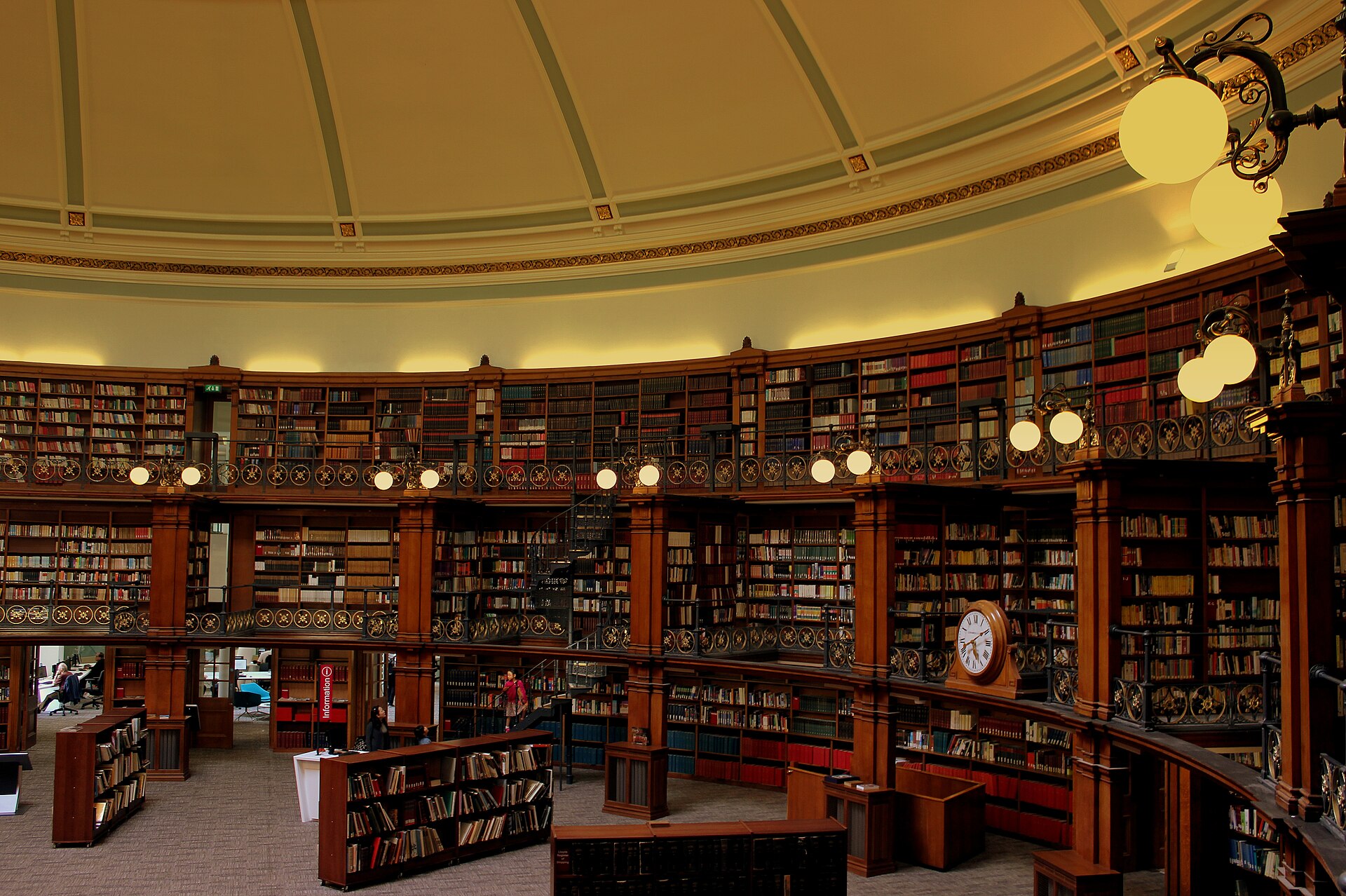
The round, domed Picton Reading Room in Central Library on William Brown Street is Liverpool’s most photogenic interior that most visitors don’t know about. Liverpool City Council describes the Picton Reading Room and the neighbouring Hornby Library as historic Grade II listed rooms, and the Picton is a quiet study space on the first floor.
- Hours: the library is open Monday to Friday from 09:00 to 20:00 and Saturday from 09:00 to 17:00, and closed on bank holidays.
- Etiquette: people are studying, so keep quiet, turn off the shutter sound, and ask staff before you take more than a quick photo or set up any equipment.
Chinatown Arch
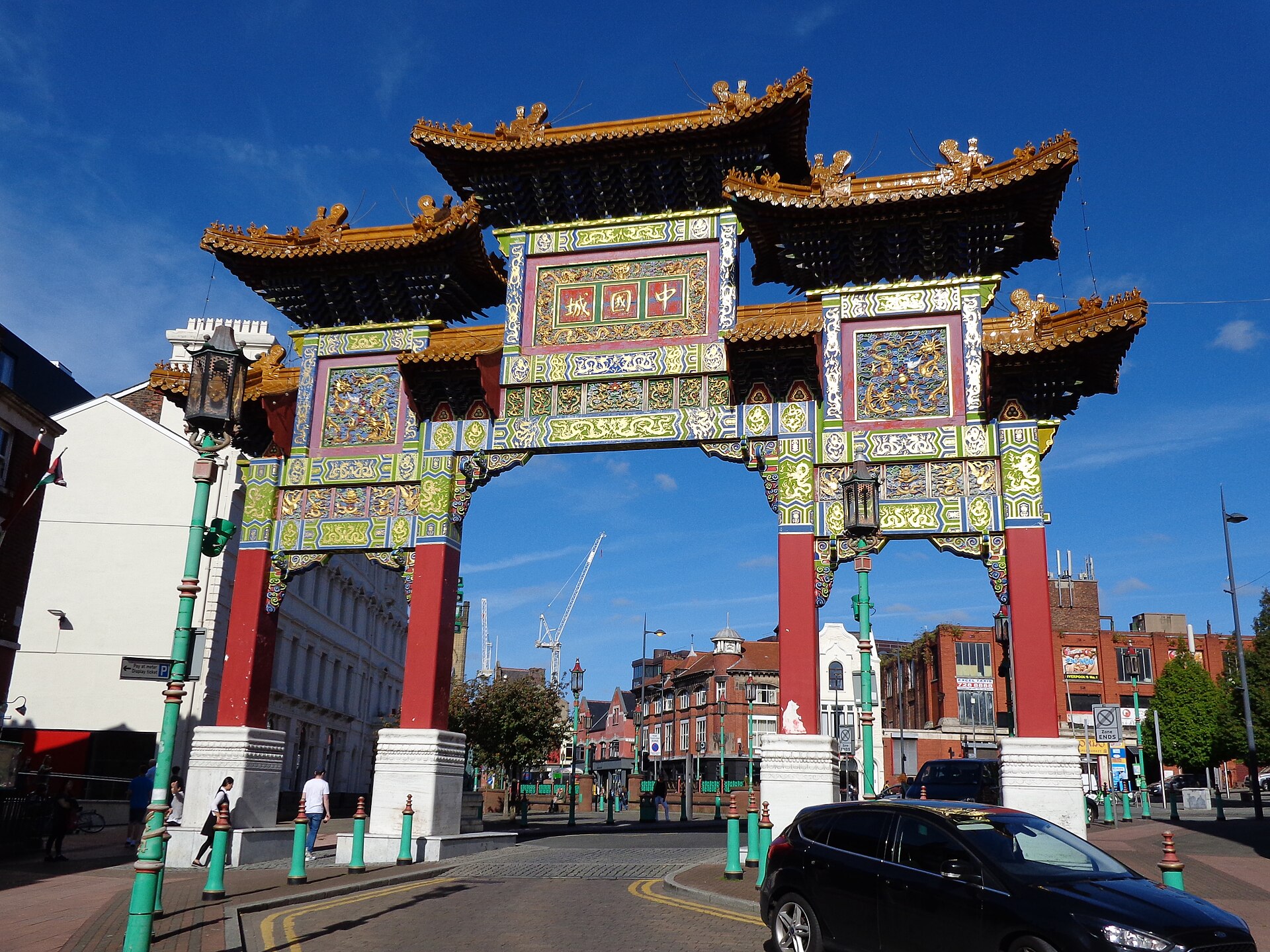
The ceremonial arch on Nelson Street marks the entrance to Liverpool’s Chinatown, and its red pillars, gold roofs and painted panels are at their brightest against a blue sky. Stand back down Nelson Street to fit the whole arch in, or get close to the guardian lions at its base for detail. It is a few minutes’ walk from St Luke’s, so the two make an easy pair. Our Liverpool Chinatown guide has the history and the best places to eat nearby.
Sefton Park Palm House
The Victorian glasshouse in Sefton Park is free to enter, and inside the palms climb towards the curved glass roof. Shoot upward through the leaves, or from the paths outside for the whole domed building.
- Hours: Sunday to Wednesday 10:00 to 17:00 and Thursday 10:00 to 15:00. The building is closed to visitors on Fridays and Saturdays for Life Celebrations, and the grounds open from 08:00 on open days.
- Closures: the building is closed on 29 October and 3 December 2026, with other changed hours in late November, so check its visiting page first.
Sefton Park itself is worth an hour with a camera; see our Sefton Park guide.
Further Out
Another Place, Crosby Beach
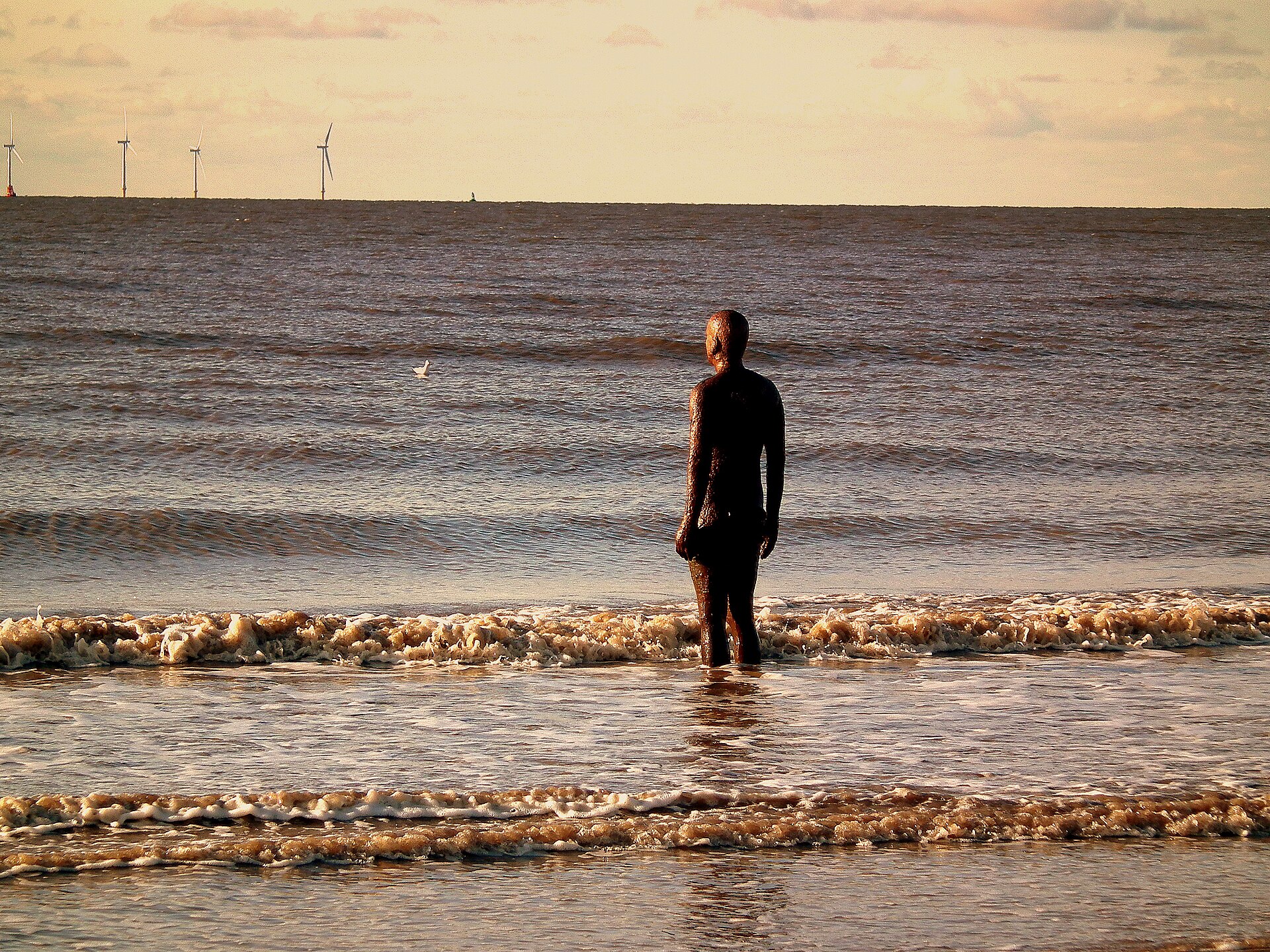
Antony Gormley’s Another Place is a permanent installation of 100 cast-iron figures spread along Crosby Beach, all looking out to sea. Sefton Council’s page on the beach is clear on safety, and it matters for photographers chasing a figure in the surf:
- Crosby is not a bathing beach. The sand is soft and there is mud, and the tide comes in fast.
- Stay out of the sea and within 50 metres of the promenade, and check the tide times before you go.
- Don’t wade out to the figures that stand in the water; photograph them from the shore with a longer lens.
- Getting there: Blundellsands and Crosby station is the closest to the beach entrance for the figures.
Low tide and a late-afternoon sky give you the long lines of figures on wet sand. Our Crosby Beach guide has the details.
Strawberry Field
The red gates at Strawberry Field, on Beaconsfield Road in Woolton (L25 6EJ), are a pilgrimage for Beatles fans. The visitor centre and gardens are open daily from 10:00 to 17:00, with tickets at £12.45 for adults and £9.45 for concessions. See our Strawberry Field guide before you go.
More Spots Worth a Frame
The places above are the headliners, but Liverpool rewards a photographer who keeps walking. These are worth adding if you have time.
Everton Park at sunset
The hillside of Everton Park on Heyworth Street, north of the centre, looks across the whole city to the river. Liverpool City Council describes it as a popular spot for sunset watching and photography, and on clear days the view reaches the Wirral and the Welsh hills. It is the shot to get if you want the skyline with the Liver Building and the cathedral towers all in one frame. See our guide to the best views in Liverpool for the paid viewpoints too.
Stanley Dock
North along the docks, Stanley Dock has the scale the Albert Dock lacks: the red-brick North Warehouse, now the Titanic Hotel, and the vast Tobacco Warehouse beside it. On an overcast day the brick and the dark water give moody, cinematic pictures, which is part of why film crews like it. Our Stanley Dock guide explains what is open to the public.
The Cavern Quarter at night
Mathew Street and the streets around it are lit up and busy after dark, and a slow shutter on a phone turns the crowds into streaks of movement under the strings of lights. Keep your bag zipped and your phone in your hand. For the club itself, see our Cavern Club guide.
Bold Street at dusk
Bold Street climbs from the centre to St Luke’s, lined with independent cafes, restaurants and shops. At dusk, when the shopfronts light up and the church stands at the top of the street, it makes a classic city shot. Our Bold Street food guide will tell you where to eat once the light has gone.
Baltic Triangle walls
The Baltic Triangle’s old warehouses carry many of the city’s murals, and individual pieces come and go, so treat any list of specific murals with caution. Walk the streets around Jamaica Street and Greenland Street and see what is up. Our Baltic Triangle guide and street art guide cover the area.
St George’s Hall
The colonnades and steps of St George’s Hall, opposite Lime Street station, give you a neoclassical frame on a grand scale. Shoot along the columns from the corner of the plateau, or from across Lime Street for the whole length of the building. Our St George’s Hall guide covers the interior and tours.
Photos Through the Year
- Autumn: Sefton Park’s trees turn, and short days mean the waterfront lights come on early enough for a night shot before dinner. Remember that the Palm House closes on 29 October 2026.
- Winter: clear, cold days give the sharpest long views from the cathedral tower, and the city’s Christmas lights add colour to Bold Street and the shopping streets. Check opening times over the holidays.
- Spring: blossom in the parks and longer evenings make for golden waterfront shots after work hours.
- Summer: long days and visitor crowds; go early to the Beatles statue and the Albert Dock for quieter shots. Late sunsets make Crosby Beach an evening trip.
Phone Photography Tips for Liverpool
- Use the wide lens for the Three Graces. The buildings are big and close together; step back and use the ultra-wide setting rather than cropping off the Liver Birds.
- Lock exposure on the bright part. Inside the Metropolitan Cathedral, tap on the glass to stop the lantern burning out to white.
- Night mode on the docks. Rest your phone on a railing or bollard rather than using a tripod in busy places.
- Look for reflections. The dock basins, puddles on the cobbles and the wet sand at Crosby all double up a picture.
- Put people in the frame. A figure on Huskisson Street’s pavement or on the Crosby sand gives the picture a sense of scale.
A Photo Walk Through the City
Most of the city-centre spots fit into one walk. In order:
- Royal Albert Dock first thing, before it gets busy.
- Pier Head for the Three Graces and the Beatles statue.
- Inland through Liverpool ONE to Chinatown and the arch on Nelson Street.
- Up to St Luke’s at the top of Bold Street; go inside if it is an open day.
- Along Leece Street and up to Hope Street and the Anglican Cathedral; climb the tower before last entry at 16:30.
- Down Huskisson Street and back along Hope Street to the Metropolitan Cathedral and its lantern.
- Finish at the Albert Dock again after dark for the lights, or save the Picton Reading Room for a rainy day.
Check the walking route between stops with a journey planner. For a ready-made route that passes many of these places, see our self-guided walking tour.
Light and Weather
- The waterfront faces west. Liverpool looks west across the Mersey, so the Three Graces and the Albert Dock take the afternoon sun, and the sun sets over the Wirral.
- Grey days suit interiors. Save the Metropolitan Cathedral, the Picton Reading Room and the Palm House for overcast weather, when outdoor shots look flat.
- Blue sky suits colour. The Chinatown arch and the Metropolitan Cathedral’s glass are at their best on bright days.
- Rain has its uses. Wet cobbles around the Albert Dock reflect the lights after dark.
- Check the date. Sunset times move by hours through the year, so check a sunrise and sunset table for your trip.
Photography Etiquette
- Ask about rules indoors. Venues set their own: the Metropolitan Cathedral bans drones and video cameras and asks you not to photograph during services, and the Crypt Treasury is off limits.
- Commercial shoots need permission. If you are shooting for a client or a brand, contact the venue first.
- Residential streets are homes. Huskisson Street and the rest of the Georgian Quarter are lived in.
- Don’t fly drones over crowds. Check the rules before you fly anywhere in the city centre.
- Beaches need care. At Crosby, the tide matters more than the shot.
Frequently Asked Questions
What are the most instagrammable places in Liverpool?
The Royal Albert Dock, the Pier Head and the Three Graces, the view from Liverpool Cathedral tower, the Metropolitan Cathedral’s stained-glass lantern, Huskisson Street in the Georgian Quarter, St Luke’s Bombed Out Church, the Picton Reading Room, the Chinatown arch and Another Place on Crosby Beach.
Where is the best photo spot in Liverpool?
For the classic shot, the Albert Dock with the Liver Building behind. For a view from above, the Liverpool Cathedral tower, at £8 for adults in October 2026.
Can you take photos inside Liverpool’s cathedrals?
At the Metropolitan Cathedral, photography is welcome except during services, concerts and rehearsals, but not in the Crypt Treasury, and drones and video cameras are banned. The Anglican Cathedral invites visitors to share photos of the tower view; ask about other rules at the visitor desk.
When is St Luke’s Bombed Out Church open?
It opens on advertised open days and for events. In late October 2026 its What’s On page lists 25 October and 28 to 31 October, 10:00 to 16:00. Check the page for later dates.
Are the Liverpool photo spots free?
Most are: the waterfront, the Albert Dock, Hope Street, Huskisson Street, the Chinatown arch, the Palm House, Central Library and Crosby Beach. The Liverpool Cathedral tower is ticketed.
Where is the Beatles statue in Liverpool?
At the Pier Head, opposite the Fab4 Cafe and Store in the Gerry Marsden Ferry Terminal.
Related Liverpool Guides
- Things to Do in Liverpool
- Best Views in Liverpool
- Liverpool Waterfront Guide
- The Georgian Quarter
- Street Art in Liverpool
- Liverpool Architecture Guide
- Hidden Gems in Liverpool
Photo Credits
St Luke’s Bombed Out Church: Church of St Luke (Bombed Out Church) Liverpool2 by Stowarzyszeniedt, CC BY-SA 4.0, via Wikimedia Commons.
Metropolitan Cathedral lantern: Lantern, Liverpool Metropolitan Cathedral – geograph.org.uk – 6415779 by Rudi Winter, CC BY-SA 2.0, via Wikimedia Commons.
Other images from the liverpooltourism.org media library.