This article contains advertising. Our booking links are routed through a partner that adds commission tracking automatically, so if you book through one we earn a commission from the provider, at no extra cost to you. It never affects what we recommend. Affiliate disclosure
If you only have time for one Liverpool park during a city break, Sefton Park is the one. The 235-acre Grade I listed Victorian park in south Liverpool packs a lot into one visit: a Palm House that you can actually go inside, a boating lake with a bronze Peter Pan, a fairy glen of cascading streams, a substantial children’s playground, regular summer festivals, and the option to spill out into Lark Lane’s independent cafes when the day winds down. This Sefton Park Liverpool guide covers everything a visitor — whether a Liverpool resident looking to plan a proper day out, or a tourist trying to fit it into a city break — actually needs to know.
Sefton Park is roughly three miles south of Liverpool city centre and free to enter. For families specifically, it pairs well with the wider Liverpool with kids family guide and the cluster of other south Liverpool family options like the nearby best playgrounds in Liverpool.
Sefton Park at a Glance
The basics for visitors:
- Size: 235 acres, the largest of Liverpool’s Victorian parks.
- Designed: by French landscape architect Édouard André and Liverpool’s Lewis Hornblower, opened 1872.
- Listed status: Grade I on the National Register of Historic Parks and Gardens.
- Location: south Liverpool, bordered by Aigburth Vale, Lark Lane, Princes Park and Croxteth Drive. About three miles from Liverpool city centre.
- Entry: free.
- Key features: Sefton Park Palm House, boating lake, Peter Pan statue, Fairy Glen, bandstand, café, children’s playground, cycling routes.
- Best season: May to September for the gardens and outdoor events; autumn for the arboretum.
What makes Sefton Park genuinely worth a visit is the variety packed into a walkable footprint. Within a single hour you can cross several distinct landscapes — formal gardens, woodland, lake, meadows, an architecturally significant glasshouse — without ever feeling like you’re hurrying. It functions as a proper outdoor afternoon rather than a quick pass-through.
How to Get to Sefton Park from Liverpool City Centre
Sefton Park is genuinely accessible by every form of transport, which is one of its strengths.
By bus
Several Arriva bus routes run from Liverpool ONE bus station and Queen Square to the park, including the 80 and 80A. Which stop suits you, and how long the ride takes, depends on the route and the side of the park you’re heading for, so check Arriva’s current route map and journey planner before you set off. With adult single fares capped at £2 across the Liverpool City Region, compare a day ticket with two singles before you buy.
By train
Two stations serve the park. St Michaels is on Merseyrail’s Northern Line, while Mossley Hill is a Northern station with direct trains from Liverpool Lime Street; check Northern’s timetable for your departure. Either way there’s a walk from the platform to the park gates. Useful if you’ve travelled into Liverpool by train and want to avoid the bus connections.
By bike
By bike, Princes Avenue gives you a direct line south from the city centre towards the park. Liverpool’s shared e-bikes and e-scooters are run by Bolt, so check its app for bikes near Princes Park or the city centre. Inside the park, the perimeter cycle path is around three miles and largely flat.
By car
There’s free on-street parking on Aigburth Drive, Croxteth Drive and the residential streets bordering Lark Lane. Parking on Aigburth Drive is typically the easiest. The Mersey Bowman pub on Aigburth Road also has a car park within easy walking distance of the lakeside. There is no dedicated park-and-pay car park inside the park itself, which is unusual for a major UK park but reflects Sefton Park’s status as a fully public space.
On foot from Lark Lane
If you’re already on Lark Lane — the independent cafe and shop street that borders the park’s western edge — the park end of the street leads straight to one of Sefton Park’s entrances. Lark Lane is itself a destination, and many Liverpool residents combine the two as a single morning out.
Sefton Park Palm House: The Headline Building
The Palm House is Sefton Park’s most distinctive structure and arguably its most photographed. The Grade II* listed Victorian glasshouse was a gift to the city from local benefactor Henry Yates Thompson, opening in 1896. After a long period of decline, a multi-million-pound restoration funded by Heritage Lottery and public donations saw it re-open in 2001, and it has functioned ever since as a botanical collection and arts venue combined.
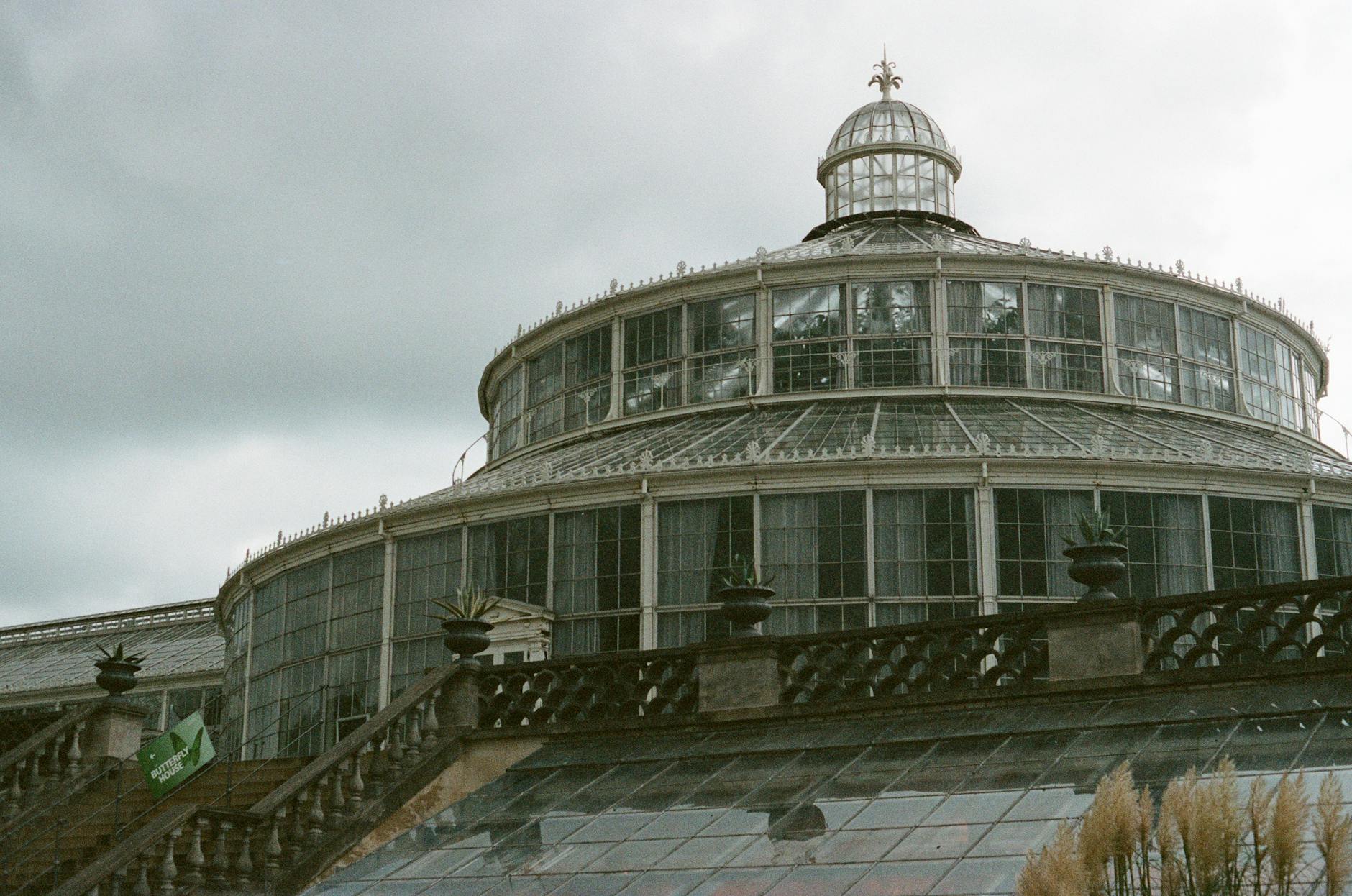
Inside, you’ll find a working botanical collection — palms of multiple varieties, jasmine, hibiscus and edible plants. Statues of figures including Charles Darwin, Captain Cook and Christopher Columbus surround the inner platform, a slightly Victorian-eccentric touch that’s worth slowing down to read.
The Palm House is free to enter during open hours. It opens Sunday to Wednesday 10am to 5pm and Thursday 10am to 3pm; on Fridays and Saturdays it is closed for private celebrations. There are occasional event closures too, so always check the Palm House’s published calendar before a specific visit.
The Palm House hosts an active year-round events programme: family workshops, weddings, classical concerts, exhibitions, the annual Christmas markets and seasonal “blooming” displays. It’s worth a quick visit even if you don’t plan to engage with an event — the building is genuinely beautiful from the inside looking up, and the architecture rewards a slow lap.
The Boating Lake and Peter Pan Statue
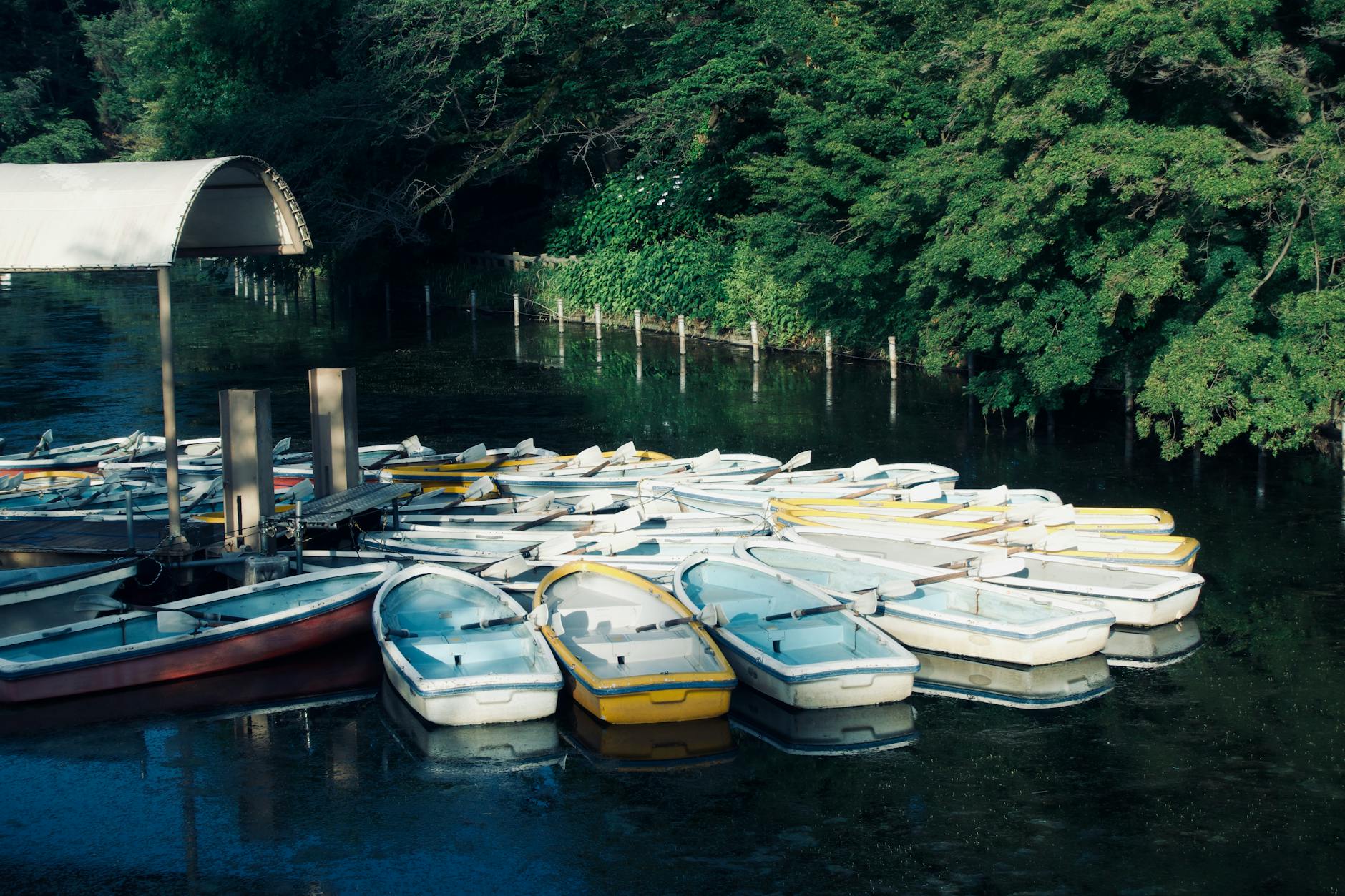
The Sefton Park boating lake was part of the park’s original design (the park opened in 1872), and the surrounding paths and benches make it the natural gathering point for park visitors. The lake supports plenty of resident waterfowl — ducks, geese, swans — and feeding them (with appropriate food, not bread) is a classic Sefton Park afternoon.
Boat hire on the lake has been a seasonal, weather-dependent extra rather than a fixture, so check the council’s Sefton Park page or ask in the park before you plan around it. When boats are out, indicative 2026 prices are in the £8-12 range for a 30-minute slot.
The bronze Peter Pan statue stands near the front of the boating lake. It is one of six full-size casts Frampton made from the moulds of his original 1912 statue in London’s Kensington Gardens — a remarkable thing to have in a Liverpool public park. The Sefton Park statue was donated by local merchant George Audley in 1928. When it was unveiled, a Peter Pan pageant was performed in the park and J.M. Barrie himself sent a telegram addressed to “Peter Pan, Sefton Park, Liverpool” urging Peter to behave and not to grow bigger. The original location was a more secluded spot near the Fairy Glen; it was moved to its current lakeside position in the 1980s.
For photographs, the statue catches the best light in the morning. It is also a famous Liverpool meeting point — locals routinely arrange to meet “at Peter Pan” when planning park gatherings.
The Fairy Glen and Other Hidden Corners
Beyond the obvious lake-and-Palm-House loop, Sefton Park rewards walkers who push into its less-trafficked corners.
The Fairy Glen
The Fairy Glen is a small ravine in the northeast of the park, complete with cascading streams, miniature waterfalls and bridges. It’s particularly lovely after rain when the water flows are strongest. The path is uneven in places, so not pushchair-friendly, but the route is short and easily managed by school-age children.
The Iron and Bronze Statuary
Beyond Peter Pan, Sefton Park has a surprising collection of Victorian and Edwardian statuary, including Eros (a copy of the famous Piccadilly Circus statue) and several smaller figures. They’ve weathered into the landscape and reward a slow exploration.
The Bandstand
Sefton Park’s Victorian bandstand — sometimes referred to locally as Sgt Pepper’s bandstand, because Paul McCartney has cited it as one of two Liverpool bandstands that influenced the Beatles song — sits centrally near the bowling green. It hosts occasional free Sunday afternoon concerts in summer; the city council publishes the season’s programme each spring.
The Arboretum
Sefton Park’s tree collection is a quietly important arboretum, with specimens from across the world planted during the Victorian park-building era. The autumn colour run from late September into November is one of the best in the North West.
The Old Nick
A small mock-Tudor lodge on the park’s perimeter, now operating as a cafe and community space. Easy to miss; worth a stop for the building’s character.
For Families: The Children’s Playground and Wider Use
Sefton Park’s main children’s playground sits near the Aigburth Drive entrance towards the south of the park. It is one of the better playgrounds in Liverpool, with:
- Swings sized from toddler bucket seats to standard swings for older children
- Multiple climbing frames at different difficulty levels
- A decent-size slide for primary-age children
- A classic park roundabout
- Spring mobile ride-ons for younger children
- An open multi-use play area for running, ball games and casual sports
- Adjacent benches and picnic-friendly lawns
The playground is free, open from dawn to dusk, and rarely overcrowded outside school holiday peaks. For a fuller comparison with other Liverpool playgrounds, the playgrounds Liverpool kids outdoor guide covers the city-wide options. For families travelling without a car, the Sefton Park playground is the most accessible major playground in Liverpool by public transport.
Beyond the playground, Sefton Park works as a family destination on multiple levels. Cycling is excellent on the perimeter path; shared Bolt e-bikes fit in here well. Kite-flying on the open meadows works on windy days. Den-building in the wooded edges keeps older children entertained. Many families bring a picnic and stay several hours.
Events: Music Festivals and Year-Round Programming
Sefton Park is one of the most active outdoor event venues in Liverpool. The major festivals include:
Africa Oyé
Billed by its organisers as the UK’s largest celebration of African music and culture. Held each June (the 2027 edition runs on 19-20 June), Africa Oyé brings world-class musicians, food stalls, family activities and a famously welcoming atmosphere to the park’s main meadow. Now ticketed; usually two days; tens of thousands of visitors. If you are planning a June visit to Liverpool, Africa Oyé is worth checking against your dates.
In The Park / Sefton Park Concerts
Sefton Park has hosted major commercial concerts, including In The Park shows headlined by Lewis Capaldi on a temporary stage built for the event. BBC Radio 1’s Big Weekend was held at Sefton Park in 2025, drawing tens of thousands. The events are ticketed and separate from Africa Oyé; check current event listings to see what’s coming up.
The Sefton Park Family Day Programme
Smaller-scale free family events run throughout the summer school holidays, including theatre performances, craft activities and outdoor cinema. Liverpool City Council publishes the calendar each year.
Christmas at the Palm House
The Palm House hosts a Christmas markets weekend in early December and seasonal evening events throughout the festive period. A pleasant change from the bigger Liverpool Christmas markets in the city centre.
Lark Lane: The Independent Strip on the Park’s Western Edge
Lark Lane runs along the park’s western boundary and is one of Liverpool’s strongest independent restaurant and cafe streets. Combining a Sefton Park visit with a Lark Lane meal is the standard south Liverpool day out for locals. Highlights include:
- Several long-established cafes (names have varied across the years; the street has consistent turnover but reliable quality)
- Italian and Mediterranean restaurants for an afternoon-into-evening
- Independent bookshops and gift shops
- Pubs with beer gardens — particularly good on a sunny Saturday
The atmosphere is residential-village rather than tourist-strip, which is part of the appeal. For a fuller breakdown of Liverpool’s independent eating options, see the food and dining in Liverpool guide.
Walking and Running Routes in Sefton Park
Sefton Park is a popular running and walking park, and the routes are well-trodden enough to be straightforward to follow without a map.
The Perimeter Loop
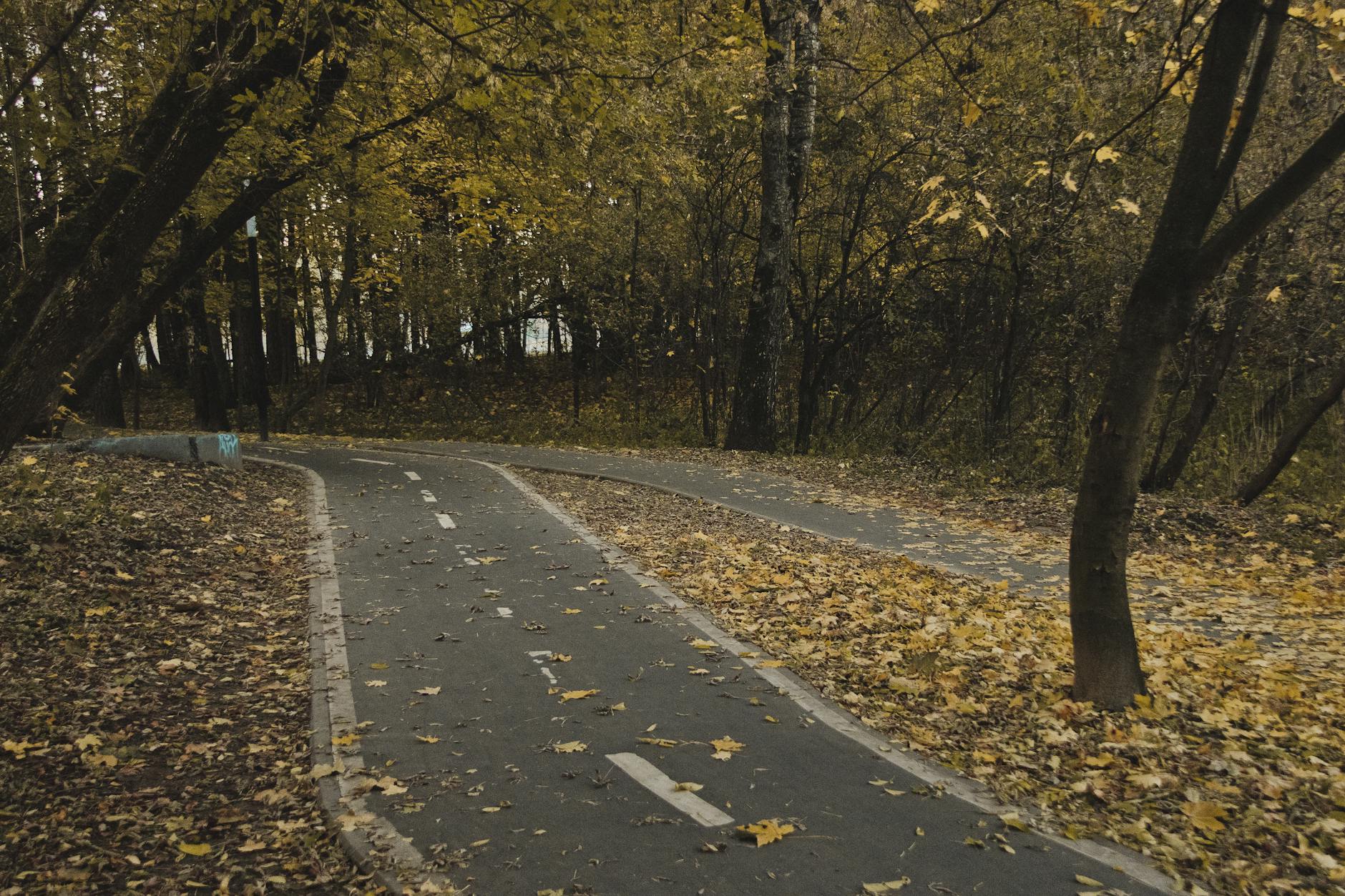
Approximately three miles around the outer path, taking you past the boating lake, the Palm House, the playground, the bandstand and the Fairy Glen. Flat for the most part, with some gentle inclines. How long it takes comes down to your pace and how often you stop to look around.
The Boating Lake Loop
About a half-mile circuit close to the lake. Suitable for buggies and wheelchairs. The natural choice for a short walk with very young children or older visitors.
parkrun
For a regular local parkrun, head to Princes parkrun in nearby Princes Park, and check its event page before travelling. Taking part is free: register with parkrun and bring a scannable barcode on the day if you want a result. Welcoming to walkers and first-timers as well as runners.
Cycling
The park’s wide promenades are busy with walkers and runners, so ride considerately if you bring a bike. Mornings and weekday afternoons are best. The route connects to the Liverpool Loop cycle path, so longer rides into the city centre are straightforward.
The Park Through the Seasons
Sefton Park is genuinely worth visiting in any season, but the experience changes meaningfully through the year.
Spring: bulbs and blossom across the park, and the first warm days draw locals out for tea on the lakeside benches. Quiet during weekdays.
Summer: the headline season. Africa Oyé in June, other festivals and concerts, and long light evenings in the park. Bring suncream — much of the park is open meadow with little shade.
Autumn: the arboretum’s strongest weeks, with crisp morning walks and rich colour. The Palm House feels particularly atmospheric in autumn light. A favourite time among Liverpool photographers.
Winter: the Christmas markets at the Palm House, frost on the lake on cold mornings, and a quieter park overall. Bare trees expose the park’s structural design more clearly than at any other time. Good for serious walkers and runners.
Practical Tips and Things to Know
Useful pieces of information for first-time visitors:
- Sefton Park is a public park and free to walk into. Most visitors stick to daytime hours but the perimeter paths are well-used into the evening in summer.
- Public toilets are available near the boating lake and the Palm House. The Palm House cafe also has accessible facilities.
- The Palm House cafe is the main on-site food option. For more choice, leave by the Lark Lane entrance: the street’s cafes are just outside.
- Free wifi is available around the Palm House.
- The Sefton Park Friends group runs occasional volunteer days and seasonal walks; details are posted at the park entrances and on the Friends of Sefton Park website.
- For visiting with a baby or toddler, the boating lake area and the playground are pushchair-accessible. The Fairy Glen is not.
- Dogs are welcome throughout the park, on lead near the playground and boating lake, off lead elsewhere.
Sefton Park Versus the Other Liverpool Parks
A quick comparison for visitors trying to decide which Liverpool park to prioritise:
- Sefton Park: the all-rounder — best for visitors with one park day and a mix of interests.
- Calderstones Park: stronger for woodland walks and the Reader Bookshop; quieter than Sefton.
- Princes Park: opened in 1842 to a design by Joseph Paxton, south of the city centre, can be combined with Sefton on a long walk.
- Stanley Park: notable for the football heritage angle (sits between Anfield and Goodison) more than for the park itself.
- Crosby Beach: not strictly a park but Liverpool’s best beach option, with the famous iron men.
For a fuller breakdown including all the city’s green spaces, see our parks and gardens in Liverpool guide.
Combining Sefton Park with Other Liverpool Activities
Sefton Park works well as a half-day component of a wider Liverpool itinerary. Sensible combinations include:
- Sefton Park plus Lark Lane lunch: the standard south Liverpool half-day for locals. Easily extended into Princes Park for a longer walk.
- Sefton Park plus Beatles south Liverpool sites: Penny Lane and the Beatles’ childhood homes are within a short bus ride. See the Penny Lane guide.
- Sefton Park plus Albert Dock: if you want one park morning and one waterfront afternoon, this is the natural pairing. Allow for traffic: the bus or taxi time between the two depends on your route and the time of day. The waterfront guide has the dock-side details.
- Sefton Park plus a rainy-day backup: the Palm House provides indoor cover if the weather turns. Have a south Liverpool café or museum in reserve, such as the Museum of Liverpool on the waterfront.
Frequently Asked Questions
Is Sefton Park free to visit?
Yes — the park is free to enter, as is the Palm House during its opening hours. Refreshments cost extra, and so do some organised events, such as ticketed concerts and festivals.
Is there parking at Sefton Park?
Free on-street parking is available on Aigburth Drive, Croxteth Drive and surrounding residential streets. There is no dedicated pay-and-display car park inside the park. Parking is busiest during major events and summer weekends.
What’s the best entrance to Sefton Park?
If you’re arriving by bus, use the Aigburth Drive entrance for the playground and boating lake or the Lark Lane entrance for cafes and Palm House. If you’re driving, Aigburth Drive parking is most convenient for the playground.
Are there toilets in Sefton Park?
Yes — public toilets are located near the boating lake and the Palm House. The Palm House cafe has accessible facilities.
Can you hire boats on Sefton Park lake?
Sometimes: hire on the lake has run as a seasonal, weather-dependent option rather than a year-round one, so confirm it’s operating before you go. Indicative 2026 prices are around £8-12 for a 30-minute slot.
How long should I spend at Sefton Park?
A focused visit covering the Palm House, boating lake, Peter Pan and playground takes about 90 minutes to 2 hours. A relaxed full afternoon — including a Lark Lane lunch and longer walks through the arboretum and Fairy Glen — easily fills 4-5 hours.
Is Sefton Park safe at night?
The park is unfenced and used by walkers and runners well into the evening in summer. The perimeter paths and lakeside are well-frequented; the more wooded interior is less so after dark. Standard urban park common sense applies.
Are dogs allowed in Sefton Park?
Yes. Dogs are welcome throughout the park, on lead near the playground and boating lake, off lead in the open meadows. Owners are asked to clear up after their dogs.
What’s on at Sefton Park Palm House?
The Palm House publishes its full events calendar online and at the building’s main entrance. Year-round programming includes weddings, classical concerts, family workshops, exhibitions and the December Christmas markets. Drop-in visits during opening hours are also free.
Final Thoughts
Sefton Park is one of Liverpool’s quiet strengths. It doesn’t sit on most short-trip itineraries because it isn’t a single iconic attraction in the way the Beatles sites or the Albert Dock waterfront are. But for any visitor with more than 72 hours in the city, or any family looking for a high-quality green space day out, it delivers. Free, varied, well-connected to the rest of the city, and genuinely beautiful in any season — Sefton Park is the south Liverpool half-day worth planning for.
The best way to end a walk in the park is on Lark Lane, which runs straight out of Sefton Park’s southern edge. It’s a short Victorian street of wine bars, pubs and independent kitchens, led by Keith’s Wine Bar, a fixture since the 1970s. Our Lark Lane guide covers where to eat and drink, the Old Police Station’s Victorian murder story, and a riverside walk down to Otterspool.