This article contains advertising. Our booking links are routed through a partner that adds commission tracking automatically, so if you book through one we earn a commission from the provider, at no extra cost to you. It never affects what we recommend. Affiliate disclosure
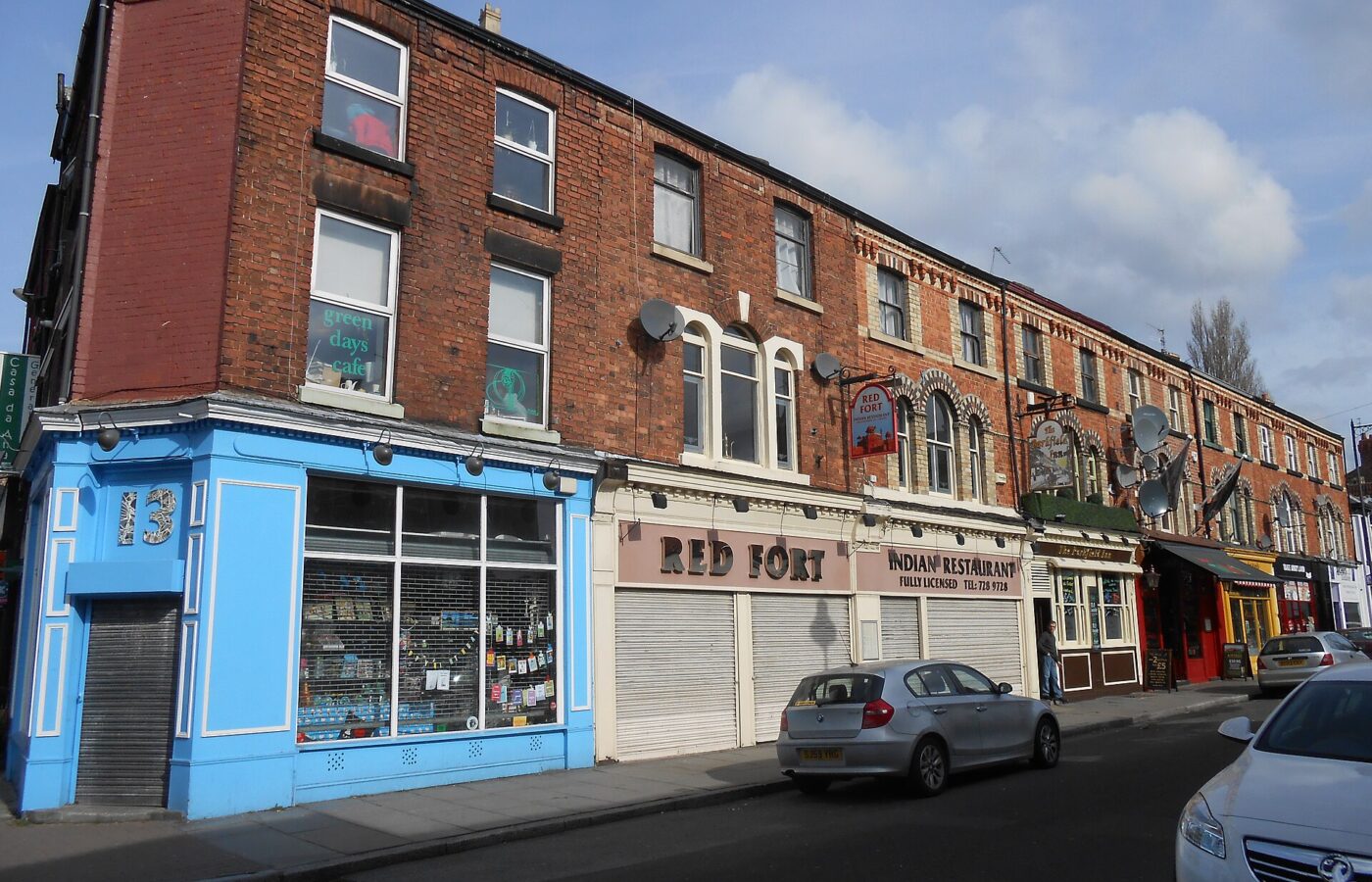
On a sunny Saturday afternoon, the pavement tables outside the wine bar are full by two o’clock, a dog is asleep under every other chair, and the walk from the park gates to the far end of the street takes forty minutes because everyone keeps stopping. Lark Lane Liverpool is barely a quarter of a mile long, a single street of Victorian shopfronts running from the edge of Sefton Park to Aigburth Road, and it has been the city’s bohemian south-end hangout for half a century. It isn’t a big night out and it isn’t really a tourist attraction. It’s where Liverpool goes for a long lunch, a bottle of cheap red and a walk in the park, and it’s lovely.
This guide covers the lane’s pubs, bars and restaurants, the Old Police Station and its curious history, how to combine Lark Lane with Sefton Park and the riverside at Otterspool in a single day, how to get there from the city centre, and an honest view of when it’s at its best and when you’d be better off elsewhere. Details were checked in September 2026. Independent venues change hands often, so check opening hours before you make a special trip.
Lark Lane at a Glance
| What | Detail (checked September 2026) |
|---|---|
| Where | Aigburth, south Liverpool (L17), between Sefton Park and Aigburth Road |
| Length | A short street; walk it end to end in five minutes without stopping |
| Known for | Wine bars, pubs, independent restaurants, cafés, a bohemian crowd |
| Best for | Weekend lunch, a relaxed evening, combining with Sefton Park |
| Getting there | Merseyrail Northern line to St Michaels (about 7 minutes from Central), then about 10 minutes’ walk; or the 82 bus along Aigburth Road |
| From the city centre by taxi | About 10–15 minutes |
| Pint price | Broadly in line with the city centre, about £5–5.50 |
| Nearby | Sefton Park and its free Palm House; Otterspool Promenade on the Mersey |
Why Lark Lane Matters
Most British cities have a street like this: a strip of independent bars and restaurants a couple of miles out of the centre, where people who live nearby actually go out. Lark Lane is Liverpool’s, and it was doing it long before the idea had a name. It became the bohemian heart of the south end in the 1970s, when the big Victorian houses around Sefton Park were split into flats and filled with students, artists and musicians. Keith’s Wine Bar opened in that era, and it’s still pouring cheap wine to much the same kind of crowd.
Compared with the city centre, Lark Lane is quieter, cheaper in places and much more local. You’ll hear more conversation than music. There are no hen parties in sashes and no queues at the door. On a weekday afternoon it’s positively sleepy. That’s the point.
A Short History
Lark Lane was a country lane on the edge of the Aigburth estates until the Victorians developed the area around the new Sefton Park, which opened in 1872. The houses and shops that line the lane today mostly date from that period, built for the merchants, clerks and servants of the wealthy villas facing the park.
The Old Police Station and Florence Maybrick
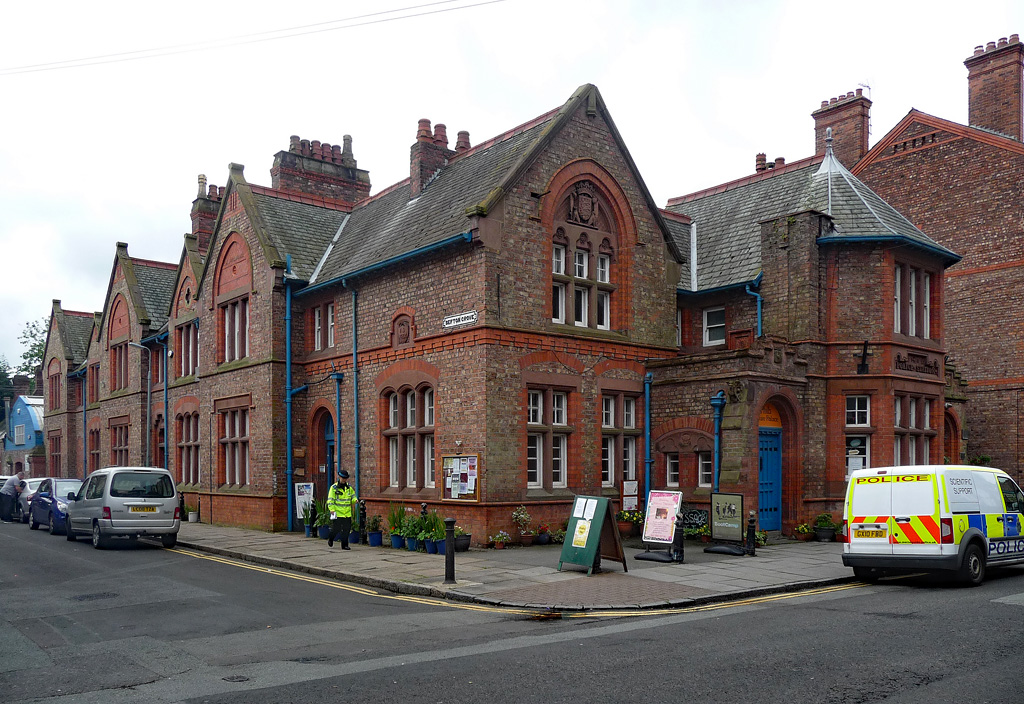
The handsome red-brick building at 80 Lark Lane was the local police station, and in 1889 it held one of the most notorious prisoners in Victorian Britain. Florence Maybrick, a young American married to a Liverpool cotton broker, was arrested after her husband James died, apparently of arsenic poisoning, at their home in nearby Aigburth. Her trial at St George’s Hall was a national sensation. She was convicted of murder and sentenced to death, later commuted, though many at the time believed she was innocent. James Maybrick became even more famous a century later, when a supposed diary surfaced naming him as Jack the Ripper. Most historians regard the diary with deep suspicion.
The police moved out long ago, and since 1976 the building has been the Lark Lane Community Centre. It hosts craft fairs, record fairs and flea markets, along with community groups, and occasional ghost-hunting evenings in the old cells. Check the centre’s listings for what’s on during your visit.
Pubs and Bars
Drinking is what Lark Lane does best, and there’s a good range for a street so short.
- Keith’s Wine Bar. The lane’s institution, open since the 1970s. It serves cheap and cheerful wine, simple food, jazz nights and a crowd that ranges from students to people who’ve been coming since it opened. It’s cosy, a bit scuffed and much loved. If you only go to one place on Lark Lane, go here.
- The Albert. A proper pub, built in 1873 and once a Cain’s house, recently refurbished. It’s the place for a pint and the football on the telly.
- The Bookbinder. One of the newer arrivals. It feels like a friendly pub but serves like a wine bar, and it’s bright and nicely done.
- The Old School House. Another long-standing fixture of the lane, and worth trying when your first choice is full on a weekend evening.
- Maranto’s. Better known for food, but its balcony bar with pizzas and pitchers of beer is a popular warm-weather spot.
Our best pubs in Liverpool guide and best bars guide cover the rest of the city.
Eating on Lark Lane
For a street this size, Lark Lane packs in a lot of food, from Greek to Mexican, Indian to Italian-American. The mix changes as places open and close, so treat what follows as a guide to the kinds of places you’ll find rather than a fixed list.
- Maranto’s is the best-known restaurant on the lane, serving Italian-American comfort food: risotto, burgers, steak, chicken parm and carbonara. It’s reliable for groups and families.
- Independent kitchens covering Greek, Mexican, Indian and more run along both sides of the lane. Look at the menus in the windows and follow the crowd.
- Cafés and brunch. There are several places for coffee, cake and a long weekend breakfast, which make a perfect start before a walk in the park. Our brunch spots guide covers the best across the city.
- Bar food. Keith’s and several of the pubs serve food, simple and good value.
Plant-based eaters do well in the south end generally. See our vegan and vegetarian guide. Book ahead for dinner on Friday and Saturday nights, especially for a group. Weekday lunches rarely need a reservation.
Shops and the Street Itself
Lark Lane’s shops are small and independent: a changing mix of vintage and gift shops, a barber, a grocer and a few long-standing local businesses. Don’t come for shopping, but do take time to look at the street. The Victorian terraces have their original upper floors, decorative brickwork and chimney stacks, and there’s at least one faded ghost sign from a long-gone business on a gable end. The lane is at its most photogenic on a bright afternoon, with the tables out and the trees of Sefton Park at the top of the hill.
Sefton Park: Right at the End of the Lane
Lark Lane’s great advantage is that it runs straight into Sefton Park, 235 acres of Victorian parkland and one of the finest urban parks in Britain. The two make a perfect pairing.
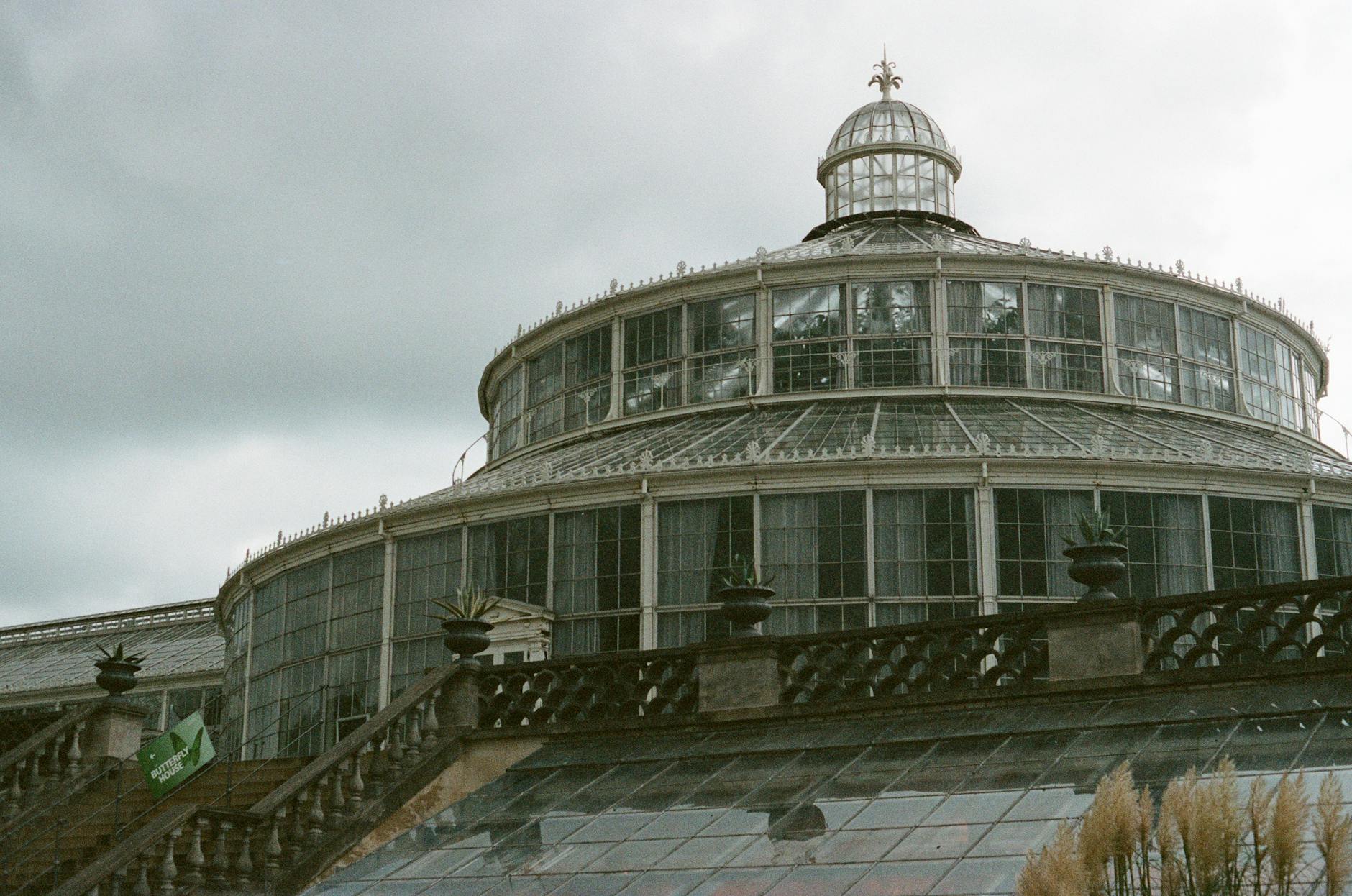
- The Palm House, a three-tiered Victorian glasshouse full of exotic plants and statues, is free to enter and fully step-free, with an entrance ramp, level floors and a lift to the accessible toilet. Check opening hours, because it sometimes closes for private events.
- The lake, with its island, ducks and paths around the edge, makes a pleasant loop.
- The Fairy Glen, a small wooded dell with a waterfall, is a favourite with children.
- The Peter Pan statue and the replica of the famous Eros statue from Piccadilly Circus are both in the park.
- Festivals. Sefton Park hosts the free Africa Oyé festival each June and other outdoor events through the summer. Our Liverpool music festivals guide has the calendar.
Our Sefton Park guide has a full walking route and the history.
Otterspool Promenade and the Riverside
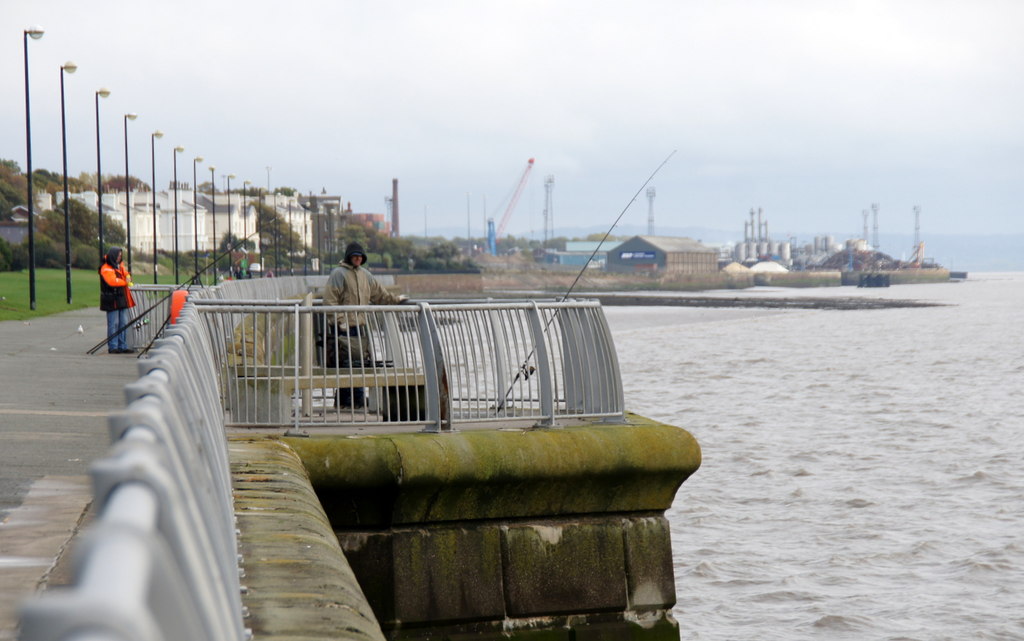
Walk down past Aigburth Road towards the river and you reach Otterspool Promenade, a long riverside path along the Mersey with views across to the Wirral. It’s popular with walkers, runners, cyclists and people fishing from the railings. From Otterspool you can walk upriver towards the city or downriver towards the old Cast Iron Shore. On a clear day, with the tide in, it’s one of the best walks in south Liverpool, and it makes Lark Lane feel like part of a proper day out.
Aigburth Beyond the Lane
Lark Lane is the obvious draw, but the wider south end has several things worth knowing about if you have time, or if you’re staying nearby.
St Michael’s Hamlet and the cast-iron church
A few minutes’ walk from St Michaels station is St Michael-in-the-Hamlet, one of the most unusual churches in England. It was built in 1815 by the ironmaster John Cragg, working with the architect Thomas Rickman, and a remarkable amount of it is made of cast iron, from the window tracery to the parapets. Cragg built a handful of cast-iron houses around it, and the small conservation area, known as St Michael’s Hamlet, is a lovely detour on the walk between the station and Lark Lane.
Princes Park
Sefton Park’s older, smaller neighbour, on its northern side, was laid out in the 1840s by Joseph Paxton, later famous for the Crystal Palace. It’s quieter than Sefton Park, with a lake and elegant terraces around the edge. It makes a good walking route back towards the city through Toxteth and the Georgian Quarter.
The Festival Gardens
Near Otterspool, the site of the 1984 International Garden Festival spent decades half-abandoned before its restored Chinese and Japanese gardens, ponds and woodland walks reopened to the public. It’s free, peaceful and much less visited than Sefton Park. Pair it with a walk along Otterspool Promenade.
Cressington and the Victorian villas
Further south along the river, Cressington Park and Grassendale Park are private Victorian estates of grand villas running down towards the Mersey, with their own little railway station at Cressington. They aren’t attractions as such, but they give a sense of how wealthy Liverpool’s merchant class lived on this side of the city.
Cricket at Aigburth
Liverpool Cricket Club’s ground on Aigburth Road is one of the most attractive in the north of England, with a grand Victorian pavilion. It hosts club cricket and, on occasion, county matches. Check the fixtures in summer.
A Riverside Walk From Lark Lane
If the weather’s good, this walk turns lunch on Lark Lane into a proper afternoon out. It takes two to three hours at an easy pace, and it’s mostly flat once you’re on the river.
- Start at the Sefton Park end of Lark Lane and walk down the lane to Aigburth Road.
- Cross Aigburth Road and head down towards Otterspool Park, a wooded valley leading to the river.
- Join Otterspool Promenade and walk north, upriver, towards the Festival Gardens. Stop at the gardens for a wander.
- Carry on north along the riverside path as far as you like. On a clear day, the Liverpool waterfront and the cathedrals come into view ahead.
- Turn back the way you came, or head inland towards St Michaels station for the train back to town.
The promenade is exposed to the wind off the river, so bring a layer even on a warm day. It’s popular with cyclists too, so keep an eye out.
Accessibility
Lark Lane itself is a level street with ordinary pavements, but many of the bars and restaurants are in old Victorian shop units with a step at the door and small toilets. If step-free access matters, ring ahead. Sefton Park’s main paths are broad and mostly level, and the Palm House is fully step-free. Merseyrail’s newer trains offer level boarding, but check step-free access at St Michaels station on Merseyrail’s website before you travel; the 82 bus along Aigburth Road is the simpler alternative. Our wheelchair-accessible Liverpool guide has more detail on the wider city.
A Perfect Lark Lane Day
- 10:30: Merseyrail from Liverpool Central to St Michaels (about 7 minutes), then walk ten minutes to the lane.
- 11:00: Coffee and a late breakfast in one of the lane’s cafés.
- 12:00: Walk into Sefton Park. Visit the Palm House, walk round the lake and find the Fairy Glen and the Peter Pan statue.
- 14:00: Back to Lark Lane for a long lunch, and a glass of wine at Keith’s.
- 16:00: Stroll down to Otterspool Promenade for the river views, or explore the community centre if there’s a fair on.
- 18:00: Early dinner on the lane, then a pint at The Albert or The Bookbinder.
- 21:00: Taxi or bus back into town, or stay for another bottle.
Getting There
- By Merseyrail: take the Northern line from Liverpool Central towards Hunts Cross and get off at St Michaels, about seven minutes. From the station, Lark Lane is roughly a ten-minute walk. A Merseyrail Day Saver costs £4.80 for one area after the weekday morning peak (checked September 2026), and contactless Tap & Go works too.
- By bus: the 82 runs frequently along Aigburth Road from the city centre, about 20 minutes from Liverpool ONE. Get off at the Lark Lane stop.
- By taxi: about 10–15 minutes from the city centre, more in traffic.
- By bike: a pleasant, mostly flat ride via the riverside or through the Georgian Quarter and Princes Park.
- By car: on-street parking around Lark Lane is limited and residential. Sefton Park has some parking around its edges. Public transport is much easier.
Our getting around Liverpool guide covers the network.
When to Go
- Best: a sunny weekend afternoon, when the pavement tables are out and the park is busy. Late spring and early autumn are lovely.
- Good: Friday and Saturday evenings, which are lively but relaxed. Book dinner.
- Quiet: weekday mornings and early afternoons, when some places are closed. Fine for a coffee and a walk, less so for atmosphere.
- Festival days: when Africa Oyé or other big events are on in Sefton Park, the lane gets very busy. It’s great fun, but expect queues.
The Honest Verdict
Lark Lane is brilliant for what it is: a relaxed, local, slightly scruffy street of bars and restaurants next to one of the best parks in the country. It’s perfect for a second or third day in Liverpool, when you’ve done the waterfront and the Beatles and want to see where locals actually spend a Saturday.
It isn’t a nightlife destination in the Ropewalks sense. There are no clubs, and most places wind down by midnight. It isn’t much of a shopping street either. And on a cold, wet Tuesday, with half the kitchens closed, it can feel a long way from town for not very much. Pick your moment. If you’re choosing between Lark Lane and another neighbourhood for an evening, go to the Ropewalks for energy, the Baltic Triangle for street food and warehouses, or the Georgian Quarter for classic pubs close to town. Come to Lark Lane for the park, the long lunch and the wine.
Where to Stay
There are very few hotels in Aigburth itself. Most visitors stay in the city centre and come out for the afternoon or evening, which is easy by train or bus. A handful of guesthouses and serviced apartments operate around Sefton Park and Aigburth, and they suit anyone who wants a quieter, greener base. Our best areas to stay guide compares the city’s neighbourhoods.
Frequently Asked Questions
Where is Lark Lane in Liverpool?
In Aigburth, south Liverpool (L17), about three miles from the city centre. It runs from the edge of Sefton Park down to Aigburth Road.
How do I get to Lark Lane from Liverpool city centre?
Take Merseyrail’s Northern line from Liverpool Central to St Michaels (about 7 minutes), then walk about 10 minutes. Or take the 82 bus along Aigburth Road, or a 10–15-minute taxi.
Is Lark Lane worth visiting?
Yes, especially on a weekend afternoon combined with Sefton Park. It’s a relaxed, local neighbourhood of independent bars and restaurants, not a big tourist attraction or a late-night destination.
What is the best bar on Lark Lane?
Keith’s Wine Bar, open since the 1970s, is the lane’s best-known and best-loved bar. The Albert is the pick for a traditional pint, and The Bookbinder for something a bit more modern.
What is the Old Police Station on Lark Lane?
A Victorian police station, famous for holding Florence Maybrick before her 1889 murder trial. Since 1976 it has been the Lark Lane Community Centre, with craft fairs, record fairs and flea markets.
Is Lark Lane near Sefton Park?
Yes. The lane runs right up to the edge of Sefton Park, and the Palm House is about a ten-minute walk away.
Is Lark Lane good for families?
By day, yes. Maranto’s and the cafés are family-friendly, and Sefton Park’s Fairy Glen, lake and Palm House are all nearby. In the evenings it’s more of an adult crowd.
Is Lark Lane busy at night?
It’s lively on Friday and Saturday evenings, with busy bars and full restaurants, but relaxed rather than rowdy. There are no nightclubs, and most places wind down by around midnight. Weeknights are much quieter.
What else is there to do near Lark Lane?
Sefton Park and its Palm House are at the top of the lane. Otterspool Promenade and the Festival Gardens are a walk away on the river, and the cast-iron church of St Michael-in-the-Hamlet is close to St Michaels station. Princes Park, designed by Joseph Paxton, adjoins Sefton Park to the north.
Lark Lane is one of the most dog-friendly streets in the city: a lap of Sefton Park, then a table at The Old School House with the dog under it, is a Sunday ritual for a lot of south Liverpool. For more walks, beaches and pubs that welcome dogs, see our dog-friendly Liverpool guide.
Related Liverpool Guides
- Liverpool Neighbourhoods & Districts
- Sefton Park Guide
- Liverpool Parks & Gardens
- The Ropewalks
- The Georgian Quarter
- Best Pubs in Liverpool
- Liverpool’s Hidden Gems
- Romantic Things to Do in Liverpool
Photo Credits
Shops and pubs on Lark Lane: Lark Lane, Liverpool (2) by Rept0n1x, CC BY-SA 3.0, via Wikimedia Commons.
The Old Police Station, Lark Lane: Former police station, Lark Lane, Liverpool – geograph.org.uk – 7653949 by Stephen Richards, CC BY-SA 2.0, via Wikimedia Commons.
Otterspool Promenade: Fishermen on Otterspool Promenade at Aigburth – geograph.org.uk – 4710035 by Mike Pennington, CC BY-SA 2.0, via Wikimedia Commons.