Liverpool has earned its reputation as one of the best nights out in Britain, and the numbers back it up — the city regularly tops national polls for nightlife, with visitors and residents alike praising the warmth of the welcome, the diversity of the venues, and the sheer energy of a Liverpool evening. From legendary music venues and hidden speakeasy bars to packed nightclubs and a thriving LGBTQ+ scene, Liverpool after dark offers something for everyone.
What sets Liverpool’s nightlife apart is its variety and concentration. The city centre is compact enough that you can move between completely different nightlife areas in a few minutes on foot, switching from a sophisticated cocktail bar to a thumping nightclub to an intimate live music venue without ever needing a taxi. This guide maps out every major nightlife district, covers the best bars, clubs, and live music venues, and gives you the practical information you need to make the most of your Liverpool evenings.
Liverpool’s Nightlife Districts
Liverpool’s nightlife is organised around several distinct districts, each with its own character and crowd. Understanding which area suits your tastes is the key to having a great night out.
Concert Square and Ropewalks
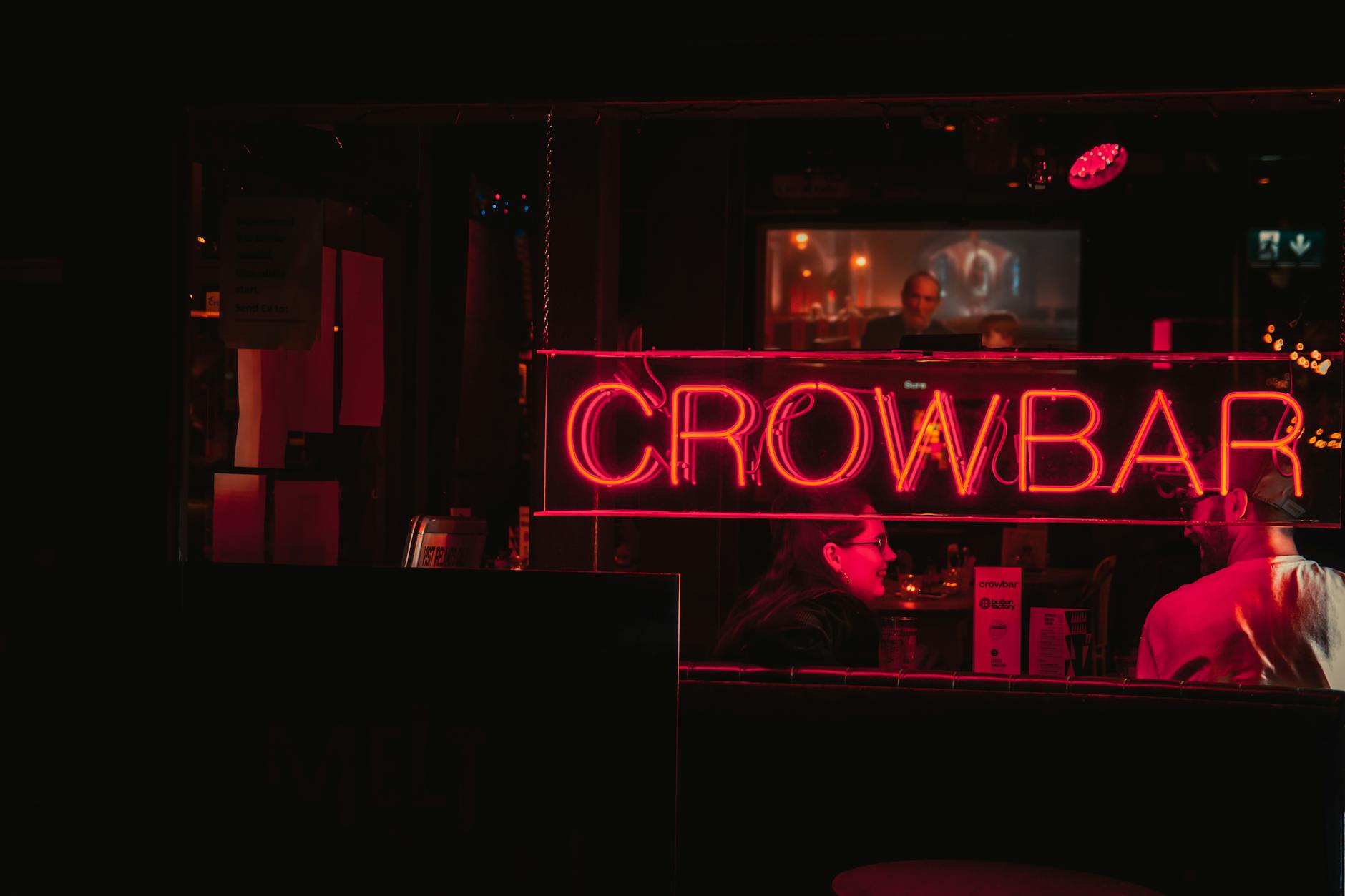
Concert Square is the epicentre of mainstream Liverpool nightlife and the place most people think of when they picture a Liverpool night out. This pedestrianised square, tucked between Fleet Street and Wood Street in the Ropewalks district, is surrounded by bars, pubs, and clubs that fill to capacity on weekend evenings. The atmosphere is high-energy and sociable — expect chart music, drink deals, and a dressed-up crowd that takes looking good on a night out seriously.
The bars around Concert Square — including Level, Soho, and Lime Kiln — offer a loud, lively experience that’s ideal for group nights out, hen and stag parties, and anyone who thrives on a bustling atmosphere. The surrounding streets of Seel Street, Slater Street, and Wood Street host the more interesting venues. Heebie Jeebies on Seel Street has been voted Liverpool’s best nightclub by multiple publications, with a range of music spanning techno to live bands across multiple floors. 54 Liverpool, inspired by New York’s disco scene, offers a more sophisticated late-night experience with a state-of-the-art sound system, VIP areas, and a stage for live musicians, staying open until 3am on weekends.
Ropewalks is also where you’ll find many of Liverpool’s best cocktail bars, clustered along Seel Street and Berry Street. The transition from early evening drinks to late-night clubbing happens naturally here — you can start with cocktails at 8pm and still be dancing at 3am without leaving the same postcode.
Mathew Street and the Cavern Quarter
Mathew Street is Liverpool’s most famous nightlife street, dominated by the Cavern Club and its surrounding ecosystem of Beatles-themed bars and live music pubs. The atmosphere here is different from Concert Square — more music-focused, more touristy, and more connected to Liverpool’s heritage. On a busy weekend evening, live music spills out of multiple venues, and the narrow street takes on a festival-like atmosphere.
The Cavern Club itself operates as a live music venue every evening, with tribute bands and original artists performing in the intimate, brick-vaulted space where The Beatles played. The Cavern Pub next door offers a more relaxed setting with screens showing Beatles footage and live acoustic sets. Further along Mathew Street and onto the surrounding streets, you’ll find a cluster of pubs and bars that stay lively into the early hours — the Grapes, Eric’s, and numerous others that have been part of Liverpool’s nightlife fabric for decades.
Mathew Street is the best nightlife area for visitors who want to combine a night out with a sense of Liverpool’s musical history. It’s also one of the most accessible areas for people who aren’t habitual clubbers — the atmosphere is welcoming, the music is familiar, and the venues are easy to move between.
The Baltic Triangle
The Baltic Triangle has emerged as Liverpool’s coolest nightlife district over the past decade, offering a grittier, more creative alternative to the polished city centre. Centred around Jamaica Street and the old Cains Brewery complex, the Baltic Triangle is home to repurposed warehouses that now function as clubs, bars, creative spaces, and event venues. The aesthetic is industrial chic — exposed brick, reclaimed materials, and a sense of discovering something slightly underground.
Camp and Furnace, a huge converted warehouse space, is one of the Baltic Triangle’s anchor venues, hosting everything from club nights and live music to the legendary Bongo’s Bingo — a raucous, irreverent bingo experience that’s become a national phenomenon since launching in Liverpool. 24 Kitchen Street offers immersive DJ-led events that blend electronic music with art installations. Constellations combines a bar, club, and outdoor garden with a programme that mixes live music, DJ nights, and cultural events.
The Baltic Triangle is also home to several craft breweries and taprooms — including Baltic Brewing Co. and Love Lane Brewery — where you can sample locally brewed beers in relaxed, sociable settings before heading to the area’s clubs later in the evening. The neighbourhood’s nightlife is at its best on Friday and Saturday evenings, when the various venues create a combined energy that draws a creative, music-savvy crowd from across the city.
The Pride Quarter (Stanley Street)
Liverpool’s LGBTQ+ nightlife scene is one of the most vibrant and welcoming in the UK, centred around Stanley Street and Cumberland Street in the area now proudly known as the Pride Quarter. This compact neighbourhood packs in an impressive concentration of gay bars, clubs, and performance venues that cater to a diverse community and are genuinely welcoming to everyone.
The Poste House on Cumberland Street is a renowned LGBTQ+ bar that has been a cornerstone of the scene for years, offering a friendly, inclusive atmosphere with regular events and DJ nights. The Lisbon Bar is a more traditional basement bar with ornate ceilings and tiled floors that has been a staple of Liverpool’s gay scene for decades. The Navy Bar on Stanley Street features live acts and resident DJs playing dance, house, and techno every Friday and Saturday.
For entertainment, Dorothy’s Showbar is known for its spectacular drag performances and lively atmosphere, while Superstar Boudoir is a vibrant nightclub showcasing drag queens, queer musicians, and DJs every day of the week. Liverpool Pride, the city’s annual LGBTQ+ celebration, takes place each July and transforms the city centre into a massive celebration of diversity and inclusion.

Best Cocktail Bars in Liverpool
Liverpool’s cocktail scene has matured enormously, and the city now boasts a collection of bars that can stand alongside anything in London or Manchester for creativity, quality, and atmosphere.
Berry and Rye on Berry Street is Liverpool’s most celebrated cocktail bar — a hidden speakeasy behind an unmarked door that transports you back to the 1920s. The dim lighting, jazz and blues soundtrack, and meticulously crafted drinks create an atmosphere of glamorous secrecy. The bar is small and can be hard to find (that’s the point), so arrive early on weekends or be prepared to queue. Once inside, the quality of the cocktails is exceptional — this is a bar run by people who genuinely care about the craft of mixing drinks.
The Alchemist on Brunswick Street occupies a Grade II listed building and brings theatrical flair to its cocktail service — expect drinks that bubble, smoke, and change colour. The opulent interior and dramatic presentation make it a favourite for special occasions and date nights. Manolo on Slater Street offers a more intimate speakeasy experience with tropical-leaning cocktails and sultry vibes.
For something more contemporary, Santa Maluco on Victoria Street serves inventive cocktails in a vibrant, Latin-inspired setting, while The Merchant on Slater Street offers a more classic cocktail bar experience with leather booths, candlelight, and a menu that balances classics with creative originals.
Rooftop Bars with Skyline Views
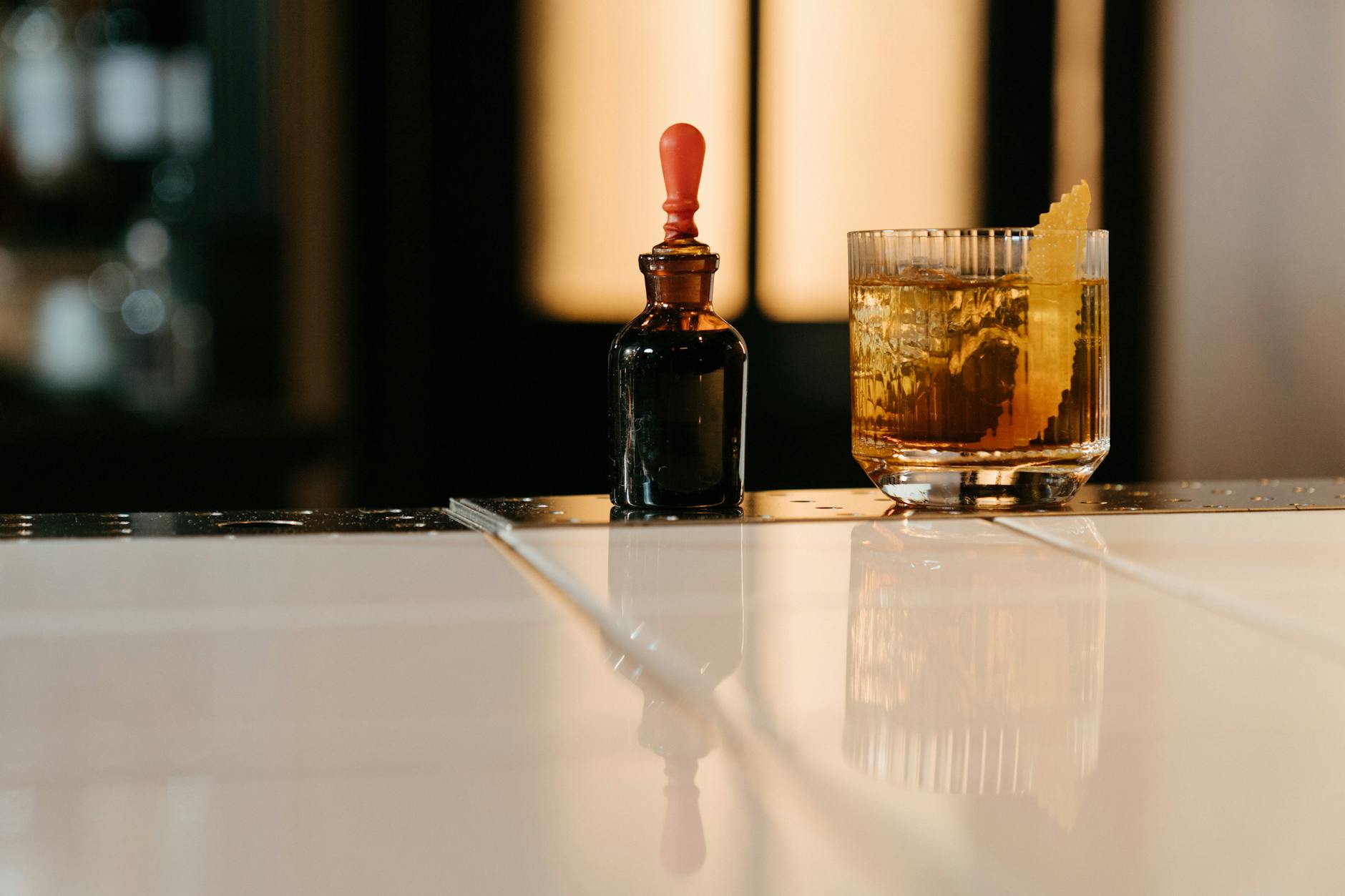
Liverpool’s growing collection of rooftop bars capitalises on the city’s dramatic skyline and waterfront views. Watching the sun set over the Mersey with a cocktail in hand has become one of the city’s most sought-after experiences.
14 Bar and Grill, perched at the top of the Daniel House hotel, is Liverpool’s standout rooftop venue, offering 360-degree views across the city and across the water to the Wirral Peninsula. The cocktail menu is sophisticated, and the views at sunset are genuinely breathtaking. Red Door on Berry Street offers a rooftop space with excellent DJs, creative drinks, and a contemporary interior that transitions seamlessly from early evening drinks to late-night socialising.
Castle Street’s rooftop venues and the growing number of bars on the upper floors of city centre hotels are adding new options every year. The rooftop bar trend in Liverpool is still relatively young compared to London or Manchester, which means the venues tend to be less crowded and more reasonably priced. Summer evenings — from June through September — are obviously the prime time for rooftop drinking, but several venues operate year-round with heated outdoor areas and retractable covers.
Live Music Venues
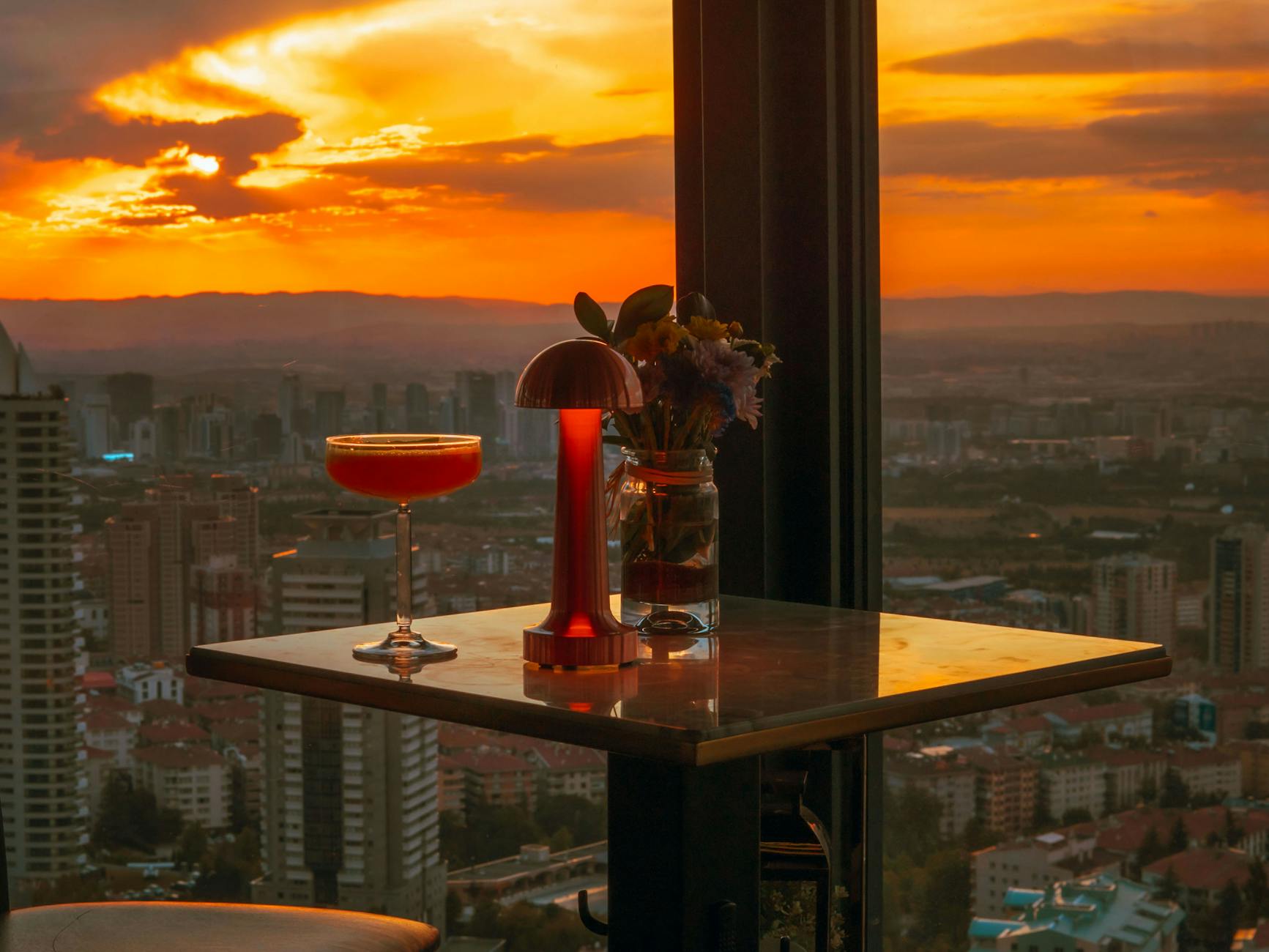
Liverpool’s identity as a music city didn’t end with The Beatles. The city remains one of the most important live music destinations in the UK, with a venue infrastructure that ranges from intimate basement stages to major concert halls.
Major Venues
The Royal Liverpool Philharmonic Hall on Hope Street is one of Britain’s finest concert venues, with Art Deco interiors built in 1939 and world-class acoustics. The Philharmonic’s programme spans classical music, contemporary artists, comedy, and spoken word, and the 1,700-seat auditorium hosts some of the biggest touring names to visit the city. The M&S Bank Arena on the waterfront (formerly the Echo Arena) is Liverpool’s largest indoor entertainment venue, hosting major international tours and arena-scale shows with a capacity of over 11,000.
The O2 Academy Liverpool on Hotham Street is the city’s premier mid-size venue, with a 1,200-capacity main room and a 500-capacity smaller space. This is where you’ll catch touring indie, rock, and electronic acts in an intimate but professional setting. The sound quality is consistently praised, and the venue’s two-room format means there’s often something interesting on in the smaller room even when the main space is hosting a bigger act.
Independent and Alternative Venues
Liverpool’s independent venue scene is where the city’s musical spirit burns brightest. The Invisible Wind Factory in the North Docks is an extraordinary 1,300-capacity venue in a repurposed industrial space that hosts electronic music events, immersive theatre, and cultural festivals with a fearlessly experimental approach. The cavernous, raw interior creates an atmosphere that larger, more polished venues simply cannot replicate.
Jacaranda Baltic, opened in 2024 in the Baltic Triangle, is one of Liverpool’s most exciting newer venues. With a 400-capacity basement live music space, it attracts both established artists on album launch tours and local unsigned talent, continuing the tradition of the original Jacaranda on Slater Street — one of the very first venues where The Beatles performed. The Phase One and District venues provide additional stages for emerging artists and mid-level touring acts.
For something more intimate, EBGBs on Mathew Street (in the basement of the Cavern Quarter) hosts emerging acts in a raw, club-like setting, while the Arts Club on Seel Street programmes an eclectic mix of live music, DJ events, and cultural nights in a beautiful converted theatre space. Commune, a newer addition on the Fabric District, has quickly established itself as a community-focused venue where live music, art, and good drinks come together in a relaxed, welcoming space.
Best Nightclubs in Liverpool
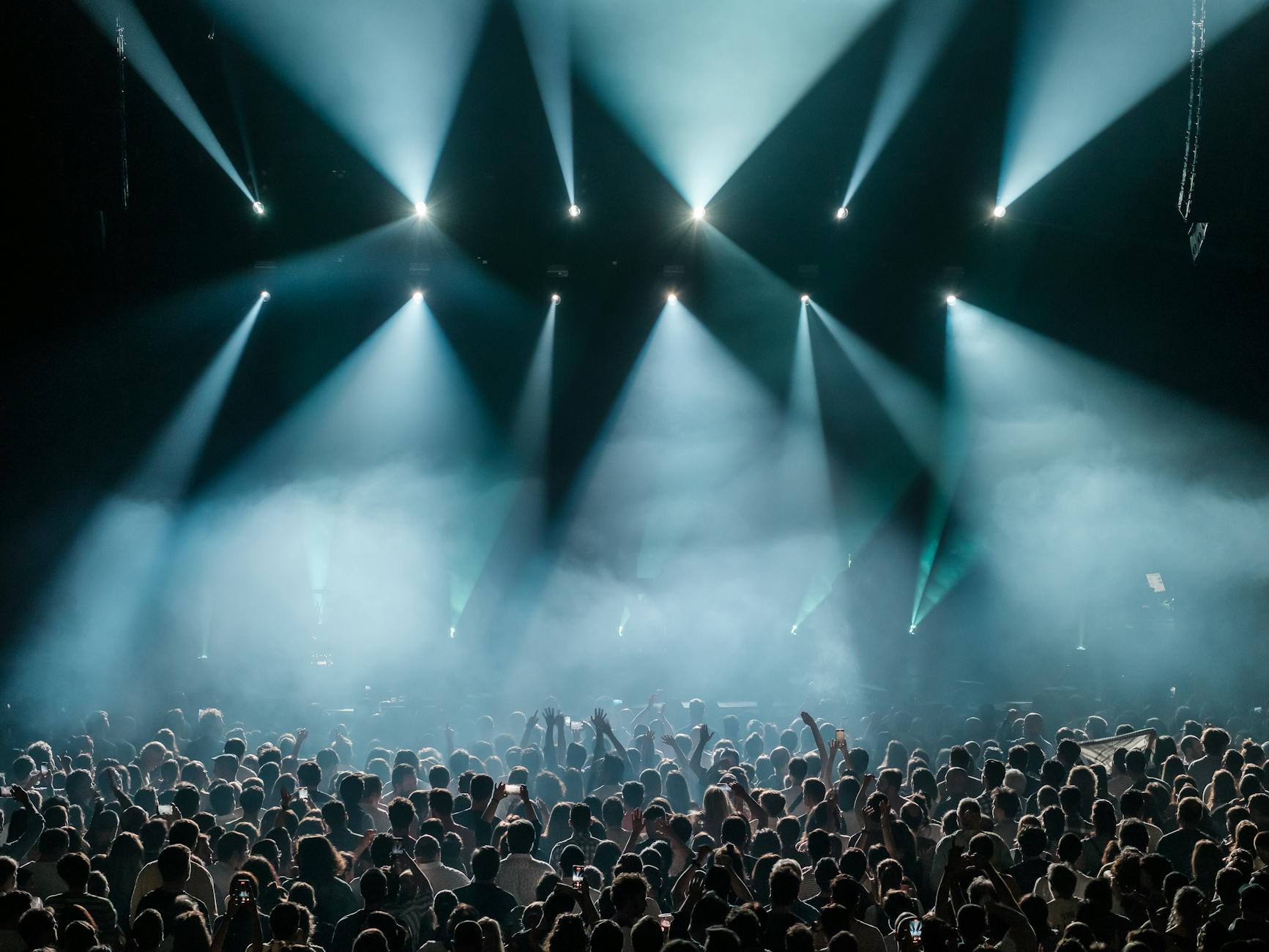
Liverpool’s club scene covers everything from chart-heavy megaclubs to underground electronic music spaces, ensuring that whatever your taste in music and atmosphere, there’s a club night for you.
Heebie Jeebies on Seel Street is a perennial favourite, consistently ranked among Liverpool’s best clubs. The multi-floor venue shifts between techno, indie, live bands, and themed nights, with a covered courtyard area that provides a welcome respite from the dance floor. The two-for-one cocktail deals add to its appeal for budget-conscious revellers.
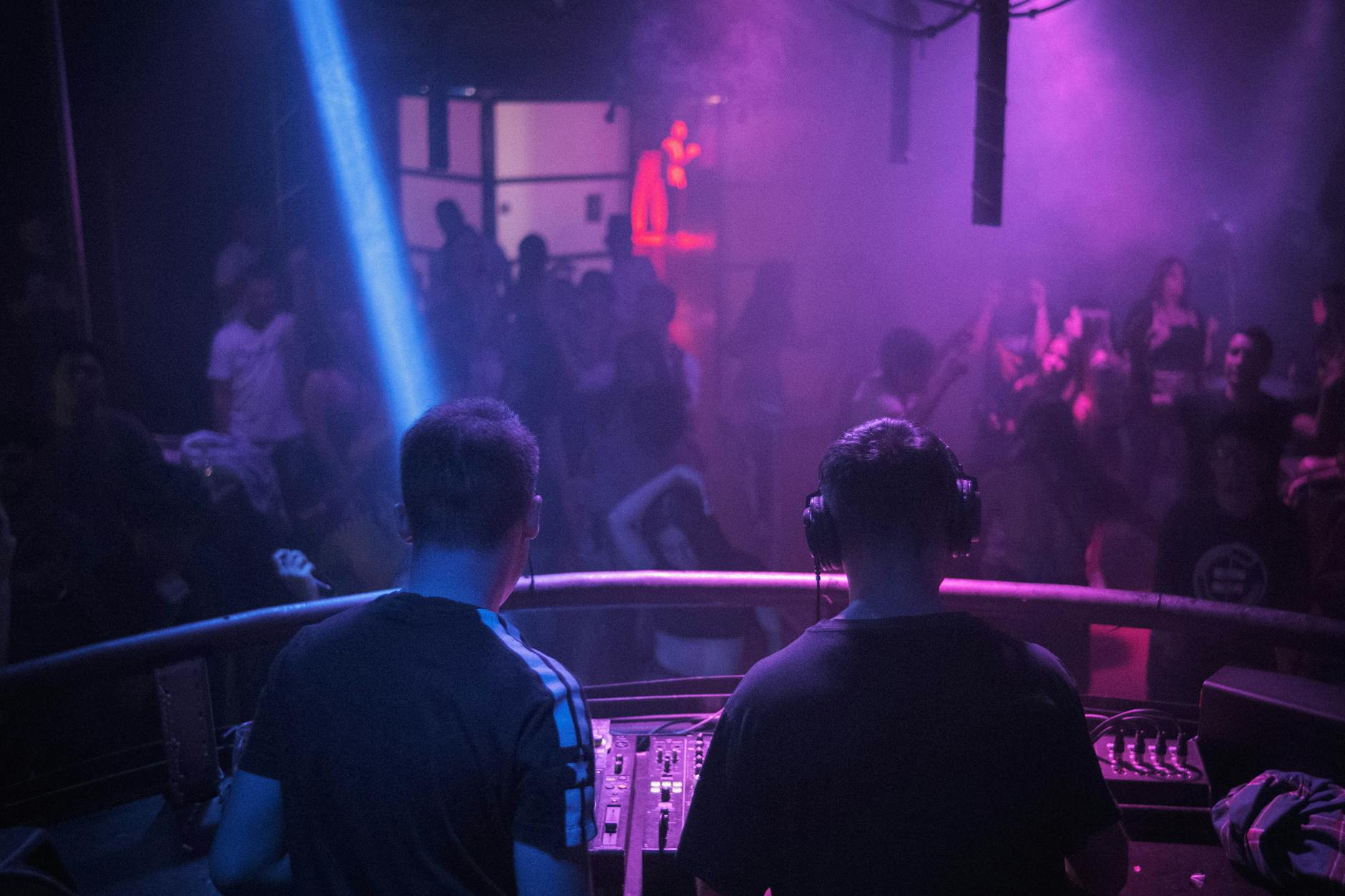
For electronic music fans, 24 Kitchen Street in the Baltic Triangle is the go-to venue, hosting internationally renowned DJs and immersive events in a stripped-back warehouse space. The sound system is exceptional, and the programming consistently brings artists that you’d more typically associate with Fabric in London or Warehouse Project in Manchester. Camp and Furnace, also in the Baltic Triangle, offers a more eclectic programming that includes Bongo’s Bingo alongside club nights, live music, and cultural events.
54 Liverpool on Victoria Street brings a New York disco-inspired atmosphere to the city centre, with a state-of-the-art sound system, two floors of music, and a stage for live performances. The venue attracts a more grown-up crowd than Concert Square’s mainstream offerings and stays open until 3am on weekends. For indie and alternative music, Shipping Forecast on Slater Street programmes consistently interesting DJ nights and live events in an intimate basement space.
Unique Liverpool Nightlife Experiences
Bongo’s Bingo
Bongo’s Bingo is one of Liverpool’s most distinctive nightlife exports — a raucous reimagining of traditional bingo that combines dance music, rave intervals, outrageous prizes (from Henry hoovers to mobility scooters), confetti cannons, and an atmosphere of barely controlled chaos. Created in Liverpool in 2015, it has since expanded nationally and internationally, but the Liverpool shows at Camp and Furnace remain the original and arguably the best. Tickets sell out fast, so book well in advance.
Pub Crawl Routes
Liverpool’s compact centre makes it ideal for pub crawls, and several well-worn routes have become local traditions. The Mathew Street to Concert Square route takes you from Beatles heritage pubs through the city centre’s best bars to the main clubbing area — a natural arc that mirrors the evening’s progression from relaxed drinks to high-energy dancing. The Georgian Quarter crawl, starting at the Philharmonic Dining Rooms and working down Hope Street through Ye Cracke and Peter Kavanagh’s, offers a more refined experience focused on real ale, architecture, and conversation. The Baltic Triangle circuit links craft breweries, taprooms, and warehouse bars for a more alternative evening.
Practical Nightlife Tips for Visitors
Dress Code and Door Policies
Liverpool takes dressing up for a night out more seriously than most British cities. While there’s no universal dress code, many bars and clubs in the Concert Square and Ropewalks area expect smart-casual attire — trainers, sportswear, and overly casual clothing may get you turned away at busier venues on weekend nights. The Baltic Triangle and alternative venues tend to be more relaxed about dress codes. When in doubt, smart casual is your safest bet — Liverpool revellers typically dress up rather than down.
Getting Home Safely
Liverpool’s night buses operate on key routes into the early hours on Friday and Saturday nights. Licensed taxis and Hackney cabs are plentiful in the city centre, with taxi ranks on most main streets. Uber and other ride-sharing apps operate in Liverpool and are often the most convenient option for late-night journeys. If you’re staying in the city centre — and our accommodation guide covers the best areas — you’ll likely be able to walk back to your hotel from most nightlife venues.
Drinks Prices and Budget Tips
Liverpool is significantly more affordable than London for a night out, and competitive with Manchester and Leeds. A pint of beer in a city centre pub typically costs £4.50 to £6, cocktails range from £8 to £14 depending on the venue, and a glass of wine is usually £5 to £8. Many bars offer happy hour deals and two-for-one cocktail promotions, particularly on weekday evenings and early in the weekend. Pre-drinking in your hotel or apartment before heading out is a common local strategy for keeping costs down.
Entry fees to clubs vary widely — some are free or charge a nominal fee on quieter nights, while popular club nights and special events can charge £10 to £20 or more. Booking tickets online in advance is almost always cheaper than paying on the door. Student nights, typically on Mondays, Wednesdays, or Thursdays, offer the cheapest entry and drink deals.
Safety
Liverpool’s nightlife areas are well-policed and generally safe for visitors. The city centre is busy until the early hours on weekends, which creates a safety-in-numbers effect. Standard precautions apply — keep an eye on your belongings, stay with your group, and don’t accept drinks from strangers. Most venues have trained door staff and welfare teams. If you feel unsafe at any point, approach venue staff or any of the city centre’s Street Pastors — volunteers who patrol nightlife areas to offer help and support.
Best Nights to Go Out
Friday and Saturday are the biggest nights out in Liverpool, with the widest choice of events and the most energetic atmosphere. Thursday is an unofficial start to the weekend for many, with several good club nights and late openings. Sunday sessions, particularly in the Baltic Triangle and at venues like the Philharmonic, offer a more relaxed way to wind down. Midweek nights are quieter but can offer the best value — with lower entry fees, drink deals, and a more local crowd. Check event listings on Skiddle, DesignMyNight, and individual venue social media pages for what’s on during your visit.
Combining Nightlife with Liverpool’s Other Attractions
One of Liverpool’s strengths is how naturally its daytime and evening attractions connect. A day exploring The Beatles Story and Albert Dock flows into evening drinks and live music on Mathew Street. An afternoon in the Baltic Triangle’s street food markets leads seamlessly into the area’s bars and club nights. The Georgian Quarter’s restaurants transition into its legendary pubs. For help planning your daytime itinerary, see our complete guide to things to do in Liverpool, and for the best pre-night-out dining, our food and dining guide covers every neighbourhood and cuisine.
Liverpool’s nightlife is more than entertainment — it’s an expression of the city’s character. The warmth, the humour, the willingness to welcome strangers into the party — these are the things that make a Liverpool night out memorable. Come prepared to socialise, dress up a little, and let the city do the rest.
Traditional Pubs Worth Your Evening
While Liverpool’s bar and club scene attracts most of the attention, the city’s traditional pub culture is equally worthy of your time, particularly if you prefer conversation over clubbing. These pubs offer atmosphere, history, and excellent drinks in settings that have barely changed in decades.
The Philharmonic Dining Rooms on Hope Street is the crown jewel — a Grade I listed Victorian pub of such extraordinary beauty that it was once described by Sir John Betjeman as his favourite building in Liverpool. The ornate plasterwork, copper panels, mosaic floors, and stained glass windows create an interior that feels more like a palace than a pub. The real ale selection is outstanding, and the traditional pub food is several cuts above average. Even the gentlemen’s toilets are Grade I listed — a unique claim to fame that the pub wears with appropriate Scouse humour.
Peter Kavanagh’s on Egerton Street is Liverpool’s most eccentric pub — a gloriously independent establishment filled with mismatched furniture, paintings, curiosities, and a warmth that can only come from a pub that has been cherished by its community for generations. A roaring open fire in winter, a tucked-away beer garden in summer, and a fiercely loyal local following make this one of the most characterful pubs in Britain. Ye Cracke on Rice Street, favoured by John Lennon during his art school years, offers a similar authenticity in a smaller, more intimate space.
The Globe on Cases Street, just behind Lime Street station, is a Victorian gin palace that serves as an excellent starting point for an evening out, with impressive tiled interiors and a convivial atmosphere. The Dispensary on Renshaw Street is a real ale enthusiast’s paradise, with an ever-changing selection of cask and craft beers in a no-frills setting that focuses entirely on the quality of what’s in your glass.
Late-Night Food Options
A great night out deserves great late-night food, and Liverpool delivers on this front. Bold Street’s late-night offerings include several takeaways and casual eateries that stay open well past midnight on weekends. The city centre’s kebab shops and pizza places clustered around Concert Square and Hanover Street provide the classic post-club fuel, but Liverpool offers more interesting options too.
Several restaurants in the Ropewalks area serve until 11pm or midnight on weekends, and Baltic Market’s extended Friday and Saturday hours mean you can get quality street food into the late evening. The 24-hour McDonald’s on Lord Street is the city’s unofficial post-night-out gathering point, but for something more memorable, the late-night noodle and rice dishes from Chinatown’s restaurants — many of which stay open until 2am or later on weekends — are Liverpool’s best-kept late-night secret.
Seasonal Nightlife Events and Festivals
Liverpool’s nightlife calendar includes several annual events that are worth timing your visit around. International Beatleweek in late August transforms Mathew Street and the surrounding area into a week-long music festival with performances at venues across the city. Liverpool Pride in July brings the entire city together for a weekend of celebration, with events across the Pride Quarter and beyond. The Liverpool International Music Festival, Sound City, and Africa Oyé at Sefton Park all combine daytime music with evening events and late-night club sessions.
Liverpool’s Christmas season brings festive bar pop-ups, winter markets with outdoor bars, and special seasonal events at venues across the city. New Year’s Eve in Liverpool is a major event, with fireworks over the waterfront, free outdoor entertainment, and venues across the city hosting ticketed parties. Book early for New Year’s Eve — popular venues sell out months in advance.
Throughout the year, one-off events and touring club nights add variety to the regular programme. Creamfields — one of the UK’s biggest electronic music festivals — is held just outside Liverpool at Daresbury each August, and many attendees base themselves in Liverpool for the weekend, adding extra energy to the city’s club scene. Check Skiddle, Resident Advisor, and individual venue websites for the latest listings.