Liverpool street food markets have quietly become the most exciting way to eat in the city. Where the conventional fine-dining experience asks you to commit £80 a head and three hours, the street food halls and markets ask £8-15 a plate and let you wander between Korean fried chicken, Neapolitan pizza, Lebanese mezze and Nashville-style fried chicken inside a single evening. This guide covers the four big food halls that anchor the Liverpool street food markets scene — Baltic Market, Duke Street Market, GPO at Metquarter, and the city’s monthly farmers markets — along with the practical detail you need to actually plan a visit: hours, locations, transport, what each does best, and the kinds of pitfalls (queueing, ordering apps, weekend closure of some stalls) that the polished tourism listings tend to skip over.
What makes Liverpool’s street food markets distinctive isn’t just the quality, it’s the independence. Almost every trader you’ll meet is a single-site Liverpool kitchen rather than a chain — owner-cooked, owner-served, often with a back-story you can ask about while you wait. The result is a food hall culture that feels closer to Lisbon or Rotterdam than to the bland multinational food courts most British cities settle for. If you’re working out where to base your eating during a Liverpool trip, the food halls below are the obvious answer for casual lunches, mid-priced dinners with a group, and rainy afternoons when you want to keep options open.
Baltic Market — Liverpool’s Best Street Food Hall
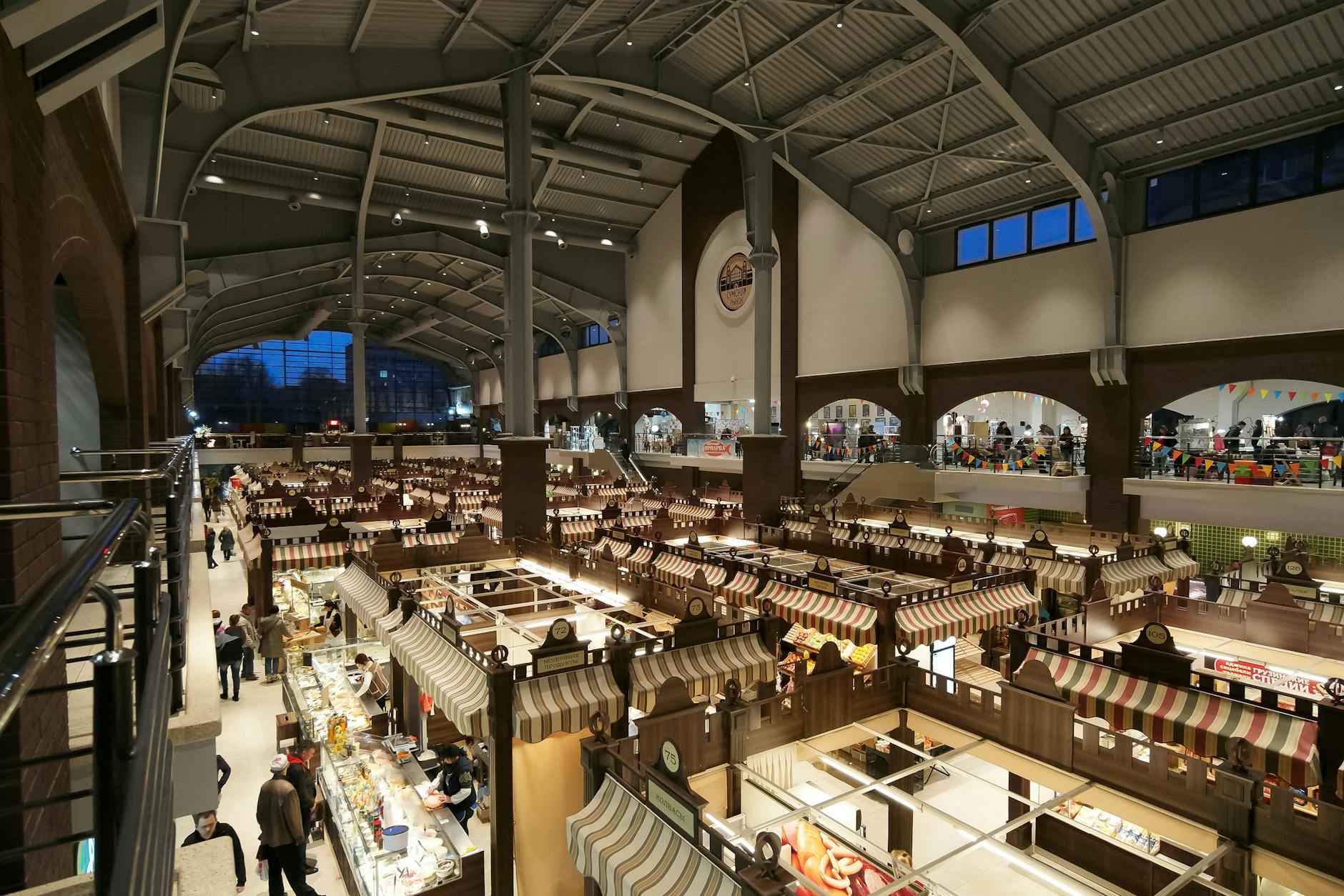
Baltic Market is the heart of Liverpool street food markets and the single venue most worth your time if you’re choosing one. It sits inside the Cains Brewery Village in the Baltic Triangle, a fifteen-minute walk from Liverpool ONE or about £6 in an Uber from the city centre. The space is enormous — a former brewery warehouse — with long communal tables, exposed brickwork, and a noise level that goes from buzzing at lunch to genuine party energy on Saturday nights. It opens Thursday through Sunday, with weekday hours typically noon to 10pm and weekends running noon until midnight or later. Entry is free, you order via QR code at the table or directly at the stall, and food is delivered or collected.
The trader lineup rotates but reliably includes Korean fried chicken, Neapolitan wood-fired pizza, Mexican street tacos, Vietnamese pho and bao, loaded burgers, and at least one decent vegan kitchen. Prices sit firmly in the £8-13 range per main, with drinks from £4-6. A group of four can eat a varied dinner with drinks for £80-100, which buys you about half a starter at Liverpool’s fine-dining tier. The food is genuinely good — these are kitchens that started here and graduated to running their own restaurants elsewhere in the city. Weekends bring live DJs from around 7pm, and Sundays often feature a quieter live music programme. If you’re with kids, midday Saturday or any Sunday afternoon is ideal; if you’re after the buzz, Friday or Saturday evening from 7pm.
The one practical pitfall: weekends in summer get genuinely packed, and seats are first-come. Arrive before 6pm on a Friday or Saturday if you want a table; if you’re flexible, the upstairs mezzanine usually has space when the ground floor is rammed. Baltic Market sits about ten minutes’ walk from hotels near the Albert Dock, making it an easy default dinner for anyone staying waterfront. For Beatles fans, it’s a twelve-minute walk from the Cavern Club area — workable as a post-tour dinner with one slightly grim walk through the southern fringe of the city centre.
Duke Street Food Market — The Polished Alternative
Duke Street Food Market, two minutes’ walk from the Bombed Out Church and four minutes from Bold Street, is the most central of Liverpool’s street food markets and the obvious choice if you don’t want to leave the city centre. It opened in 2019 in a restored 100-year-old warehouse and has steadily built a reputation as the city’s smarter, slightly more grown-up food hall. The space is split across two levels — ground-floor traders and bar, upstairs seating and overflow — and the design leans into the warehouse bones with exposed steel and dark timber. It’s open Tuesday through Sunday, lunch and dinner, with a typical pattern of noon to 10pm midweek and later openings on Fridays and Saturdays.
Duke Street’s selling point is the curation. There are six kitchens rather than fifteen, and each one is established enough to take seriously: Maray, the Levantine restaurant that pioneered Bold Street’s modern food scene, runs a stall here; the Neapolitan pizza is from a recognised independent; and the wine kiosk genuinely matters — over 100 hand-picked bottles, knowledgeable staff, and a by-the-glass list that’s better than most of the city’s restaurants. Cocktails are made properly. The bar alone is reason enough to visit. Prices run slightly higher than Baltic Market — expect £10-16 per main and £8-12 for cocktails — but the quality and the service consistency justify it.
For a first-night-in-Liverpool meal, Duke Street Market is hard to beat. It’s three minutes from the best restaurants on Bold Street, it accommodates groups of mixed appetites, and the bar can hold you happily after the meal. The market sits inside one of the historic warehouse stretches that links to Liverpool’s broader maritime history, and the Georgian quarter starts a couple of streets away. Booking isn’t necessary midweek but is sensible for Saturday evening if you’re with a group of six or more.
GPO at Metquarter — The Central Food Hall
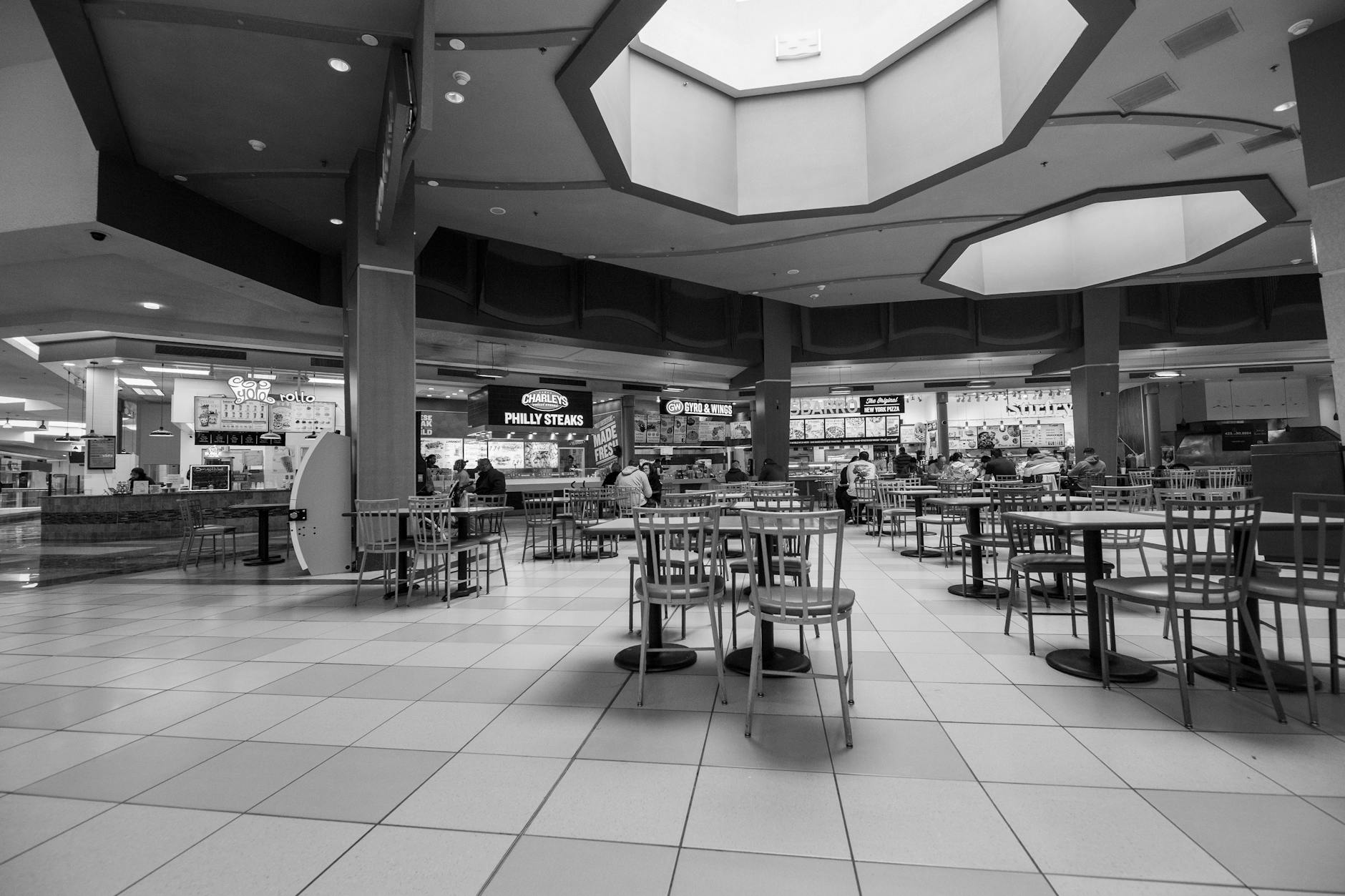
GPO occupies the top floor of the Metquarter shopping centre off Whitechapel and is the largest pure food hall in central Liverpool, at around 11,000 square feet. It’s named for the building’s earlier life as the General Post Office and pays homage in its branding throughout. Eleven traders sit around a central bar and seating area, with a focus on independent regional operators. Opening hours are generous: Sunday to Thursday 8.30am until 11pm, Friday and Saturday 8.30am until midnight. Alcohol is served throughout the day.
The trader mix leans varied and globally minded — Konjo for Japanese-Scandinavian fusion, Jailbird for Nashville-style hot chicken, Chit ‘N’ Chaat for Indian street food, Monkey Board for speciality coffee, ICE for ice cream, and ALS Gongcha for Taiwanese bubble tea. Prices are slightly higher than Baltic Market, sitting £10-16 per main, partly because the central location commands a premium and partly because some of the traders are established names in their own right. The app-based ordering system was bumpy in the venue’s early months but has settled — you scan a table QR code, order on your phone, pay with card, and food is brought to you.
GPO is the right choice if you’re staying centrally, prefer not to walk out to the Baltic Triangle in the rain, and want a venue that runs all day rather than just lunch and dinner. It works particularly well for a late breakfast or early lunch — most traders open by 11am for hot food, and the coffee is genuinely good before that. The downside is that the venue doesn’t have the bones of either Baltic Market or Duke Street Market. It’s a converted shopping-centre top floor rather than a warehouse, and the room can feel slightly soulless on quiet weekday afternoons. Pick it for convenience rather than atmosphere. It’s a six-minute walk from the best city-centre hotels and a similar distance from the main shopping at Liverpool ONE.
Lark Lane Farmers Market — The Saturday Produce Market
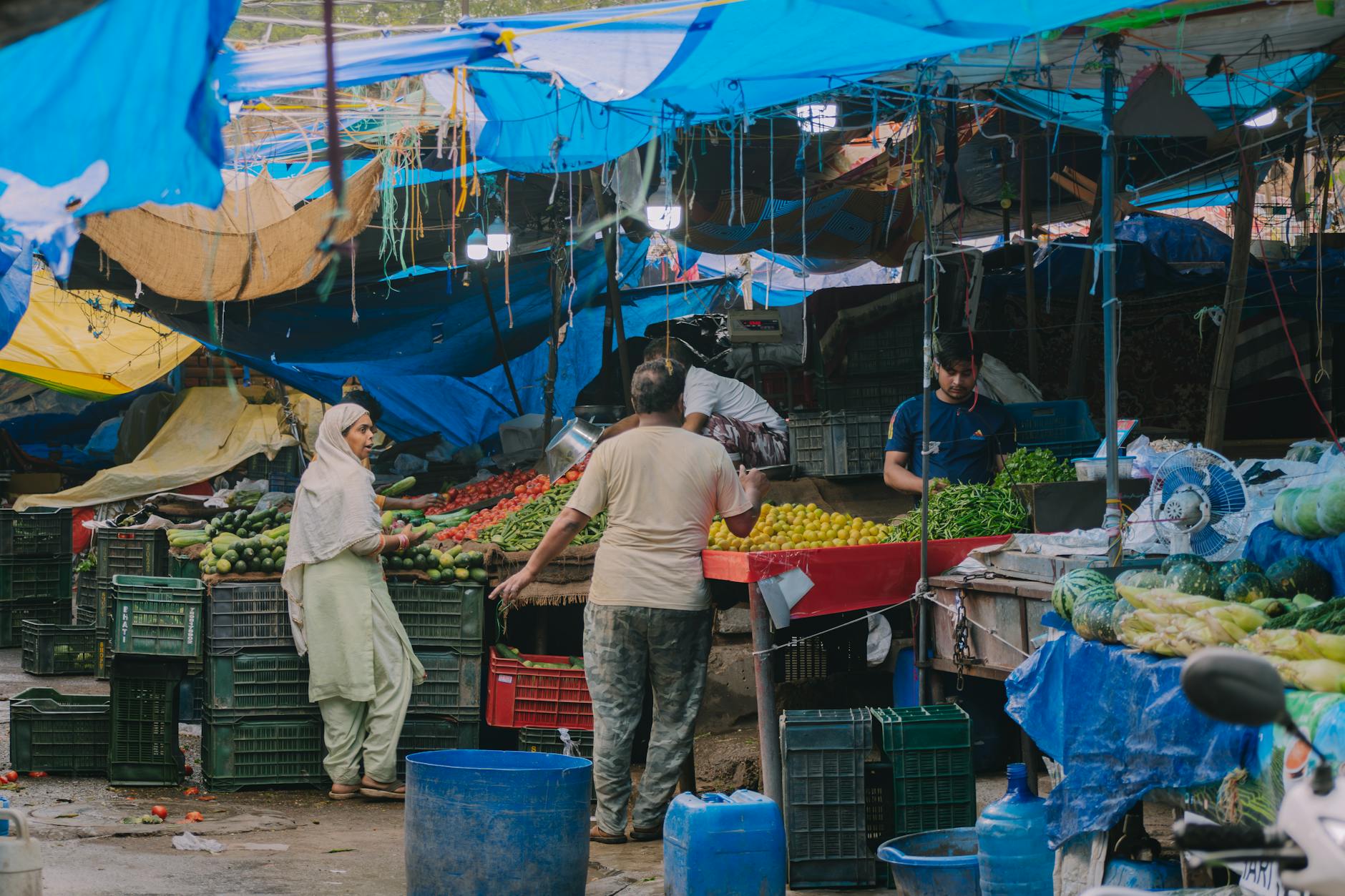
Lark Lane Farmers Market is a different proposition from the food halls above — it’s a monthly outdoor producers market rather than a permanent street food hall, and it’s where you go to actually shop for ingredients, baked goods, and made-on-the-day Liverpool food rather than to sit and eat a meal. The market runs the fourth Saturday of every month from 9am to 2pm on Lark Lane in the Aigburth district, about a fifteen-minute taxi or twenty-minute bus ride from the city centre (the 86A from Liverpool ONE goes the full distance).
The market hosts around 60 stalls, with strong representation from Wirral and Lancashire producers — artisan bread, cheese, fresh fish, smoked meats, organic veg, locally roasted coffee, jams, chutneys, and a reliable rotation of street food traders selling crepes, hot sandwiches, and Mexican stalls. Most prices are at the higher end of supermarket equivalents but the quality is non-negotiable — the bread is properly handled, the cheese is local and well-aged, the fish has come straight off Wirral boats. Bring cash for some smaller stalls although most now take card.
Worth knowing: the market doesn’t run during the worst winter months (typically January-February depending on the producers’ schedules). Check with Liverpool City Council’s markets team before making a special trip in winter. Lark Lane itself is a destination beyond the market — a tree-lined street of independent cafes, bars, and restaurants that’s effectively south Liverpool’s answer to Bold Street, and an excellent place to spend a Saturday afternoon if you’re not racing back to the centre. Combine with Sefton Park, which is two minutes’ walk from Lark Lane.
Other Liverpool Food Markets Worth Knowing
A few smaller markets and pop-ups round out the Liverpool street food markets landscape. They don’t usually warrant a dedicated visit but they’re useful additions to a wider day plan.
St John’s Market
St John’s Market sits inside the St John’s Shopping Centre, near the Lime Street train station entrance, and has been part of Liverpool’s market scene for decades. It’s not a street food hall in the polished sense — think halal butchers, African and Caribbean grocers, fabric and clothing stalls, and a handful of cafes and hot food counters that are popular with locals rather than tourists. The food traders skew Caribbean, West African, and Middle Eastern, and a £5-8 lunch here is one of the city’s most authentic cheap meals. Open Monday to Saturday, 8.30am to 5pm. Worth a wander for the cultural mix more than for any single trader.
Liverpool Christmas Markets
Liverpool’s Christmas markets run from mid-November through to a few days before Christmas and bring a substantial street food element to the city centre. The main markets sit in Williamson Square and Liverpool ONE, with smaller pop-ups across the waterfront. Expect mulled wine, German bratwurst, Yorkshire fudge, hand-pies, and a steady supply of seasonal hot drinks. Prices reflect the event premium — a bratwurst-and-mulled-wine combo will run £15-18 — but the atmosphere is the point.
Pop-up Street Food Events
Liverpool hosts regular pop-up street food events during the warmer months — Sefton Park hosts food festivals across the summer, the Baltic Triangle runs occasional outdoor markets, and the Royal Albert Dock has a sporadic programme of food-focused weekend events. Check the local what’s-on listings before your visit; for a comprehensive overview of seasonal happenings, see our events and festivals guide.
Liverpool Street Food Markets Compared — Quick Choice Guide
If you have one evening and want a definitive answer to which Liverpool street food markets to visit, here’s the short version. For energy, variety, and price, Baltic Market wins. For polish, central location, and a proper bar, Duke Street Market wins. For all-day flexibility and shopping-trip convenience, GPO wins. For shopping rather than eating, and for a half-day in south Liverpool, Lark Lane Farmers Market wins. Most visitors will end up trying at least two during a three-day stay — Baltic Market for the buzz, Duke Street for a quieter date night or pre-show dinner, and GPO for a quick central lunch between sights.
Practical detail worth remembering across all four venues: weekends are busiest, evenings after 7pm get loud, ordering is overwhelmingly app-based at the food halls (download nothing in advance — the QR codes link directly), and groups larger than six should expect to split tables or arrive early. Vegan and vegetarian options are reliably available at every food hall — see our guide to Liverpool’s vegan restaurants for the standalone options. If you’re working to a tight budget, see the cheap eats Liverpool guide for £5-10 alternatives.
Getting to Liverpool’s Food Halls — Transport and Walking Times
All four major venues are workable on foot from Liverpool ONE or the Lime Street train station. From Lime Street: GPO is six minutes’ walk, Duke Street Market is nine minutes, Baltic Market is twenty-two minutes (or eight minutes by taxi). From Liverpool ONE: Duke Street Market is five minutes, GPO is seven minutes, Baltic Market is fifteen minutes. The walk to Baltic Market takes you through the southern fringe of the city centre, which is unremarkable but safe at all hours. Lark Lane is a different journey — the 86A bus from Liverpool ONE takes twenty minutes, a taxi runs £10-12, and the walk is not advisable (around forty minutes through mixed terrain).
For visitors arriving by train from Manchester, London, or further afield, see our how to get to Liverpool guide for full transport options. Most of the food halls keep cards-only or app-based payment, so you don’t need much cash — Lark Lane is the exception, where some smaller stalls still prefer cash, but the majority now accept contactless.
Planning a Food Hall Crawl
A reasonable two-day food hall crawl looks like this. Day one: a late breakfast at GPO (Konjo’s Japanese-Scandi or Monkey Board’s speciality coffee with a pastry), an afternoon walk through the waterfront, then dinner at Duke Street Market with the wine kiosk. Day two: morning at Tate Liverpool or another waterfront museum, a sandwich-bench lunch in Liverpool ONE, then a Saturday-night dinner at Baltic Market with the DJ set after 8pm. If your trip happens to overlap a fourth Saturday, fit Lark Lane Farmers Market in for the morning of day one and start your weekend with a Sefton Park walk afterwards.
Adjust to your budget — a couple eating at all three central food halls plus a Lark Lane visit will spend roughly £150-200 across three days of dinners and lunches, plus drinks. That’s the same as one couple’s dinner at any of Liverpool’s fine-dining venues, and you’ll eat far more varied food. For background on broader cost expectations across a Liverpool trip, see our how much does a trip to Liverpool cost guide.
FAQs — Liverpool Street Food Markets
Which is the best Liverpool street food market?
Baltic Market is the most popular and the best for variety, atmosphere, and value — around £10 per main with rotating Korean, Italian, Mexican, Vietnamese and burger traders. Duke Street Market is the most polished and has the best bar. GPO is the most central. Choose by what you need most.
Do Liverpool’s food halls take bookings?
Mostly no. Baltic Market and GPO are walk-in only with first-come tables; Duke Street Market accepts table reservations for groups of six or more on Friday and Saturday evenings — call ahead. Otherwise, plan to arrive before peak times (6pm for dinner) to secure good seating.
Are Liverpool food halls family-friendly?
All four are genuinely family-friendly at lunch and early-evening. Baltic Market and GPO have plenty of room for pushchairs and kid-friendly food options. Avoid Baltic Market after 8pm on Friday or Saturday if you have young children, as the music gets loud and the venue tips toward a party atmosphere. See our family days out guide for more child-focused options.
How much does it cost to eat at a Liverpool food hall?
Realistic budget: £10-13 per main, £4-6 per drink, £35-45 per person for a generous evening with two courses and a couple of drinks. A family of four can eat well for £80-100. Compared to Liverpool’s fine-dining restaurants, you’re paying roughly a third for food of equivalent or better quality.
Are the food halls open every day?
GPO is open seven days a week from 8.30am to 11pm (midnight on Friday and Saturday). Duke Street Market is open Tuesday to Sunday. Baltic Market is open Thursday to Sunday. Lark Lane Farmers Market only runs the fourth Saturday of each month. Always check the venue website on the day of your visit to confirm trader availability.
Can vegetarians and vegans eat well at Liverpool food halls?
Yes — every food hall has at least one dedicated vegan or vegetarian trader, plus multiple stalls offering vegan options on otherwise meat-led menus. The Indian, Lebanese, and Italian kitchens are particularly strong. Liverpool’s broader vegan scene is covered in our vegan and vegetarian restaurants guide.
Is Baltic Market safe to walk to at night?
Yes. The walk from Liverpool ONE or Lime Street takes you through well-lit streets and is busy on weekend evenings. The Baltic Triangle area itself is well-populated until late, with bars and venues spilling out around the food hall. Taxis are readily available for the return trip.
How do I order at a Liverpool food hall?
At Baltic Market and GPO, you scan a QR code at the table, order via the web app on your phone, pay by card, and food is brought to you (or you collect from the stall). Duke Street Market lets you order at the counter or via QR code. No app download is needed — the QR codes link straight to mobile-optimised ordering sites.
Which Liverpool food hall has the best atmosphere?
Baltic Market on a Friday or Saturday evening, hands down. Live DJs from 7pm, communal tables, and a noise level that genuinely makes it feel like a small festival. Duke Street Market offers a more refined version of the same energy. GPO is calmer; Lark Lane has a Saturday-morning village feel.
Where else can I eat well in Liverpool besides the food halls?
The Liverpool restaurant scene is rich beyond the food halls — see our best restaurants in Liverpool for the standout sit-down options, fine dining in Liverpool for the special-occasion picks, and the food and dining hub for the full overview.