This Tate Liverpool guide covers everything visitors need to know about one of Liverpool’s most important art galleries — the northern home of the Tate’s national collection of modern and contemporary art. The Tate Liverpool guide has had to evolve recently because the gallery is currently in a transitional period: the famous Royal Albert Dock home is closed for a major redevelopment, while a temporary Tate Liverpool + RIBA North space at Mann Island continues to host displays, exhibitions, and the Liverpool Biennial. This guide brings together everything you need to plan your visit, including the latest information on the temporary location, what to see, opening hours, accessibility, and how to combine Tate Liverpool with the wider Albert Dock and waterfront experience.
For art lovers, Tate Liverpool has been the cultural cornerstone of the city’s contemporary art scene since opening in 1988. The original Albert Dock building — designed by Sir Jesse Hartley in 1846 and converted by James Stirling in the 1980s — became the most visited modern art gallery outside London within months of opening, and it has been the engine of Liverpool’s contemporary art reputation for nearly four decades. This Tate Liverpool guide is written with both first-time visitors and returning art enthusiasts in mind, so you’ll find practical orientation alongside notes on the gallery’s particular curatorial strengths and the artists you might encounter.
Where Is Tate Liverpool?
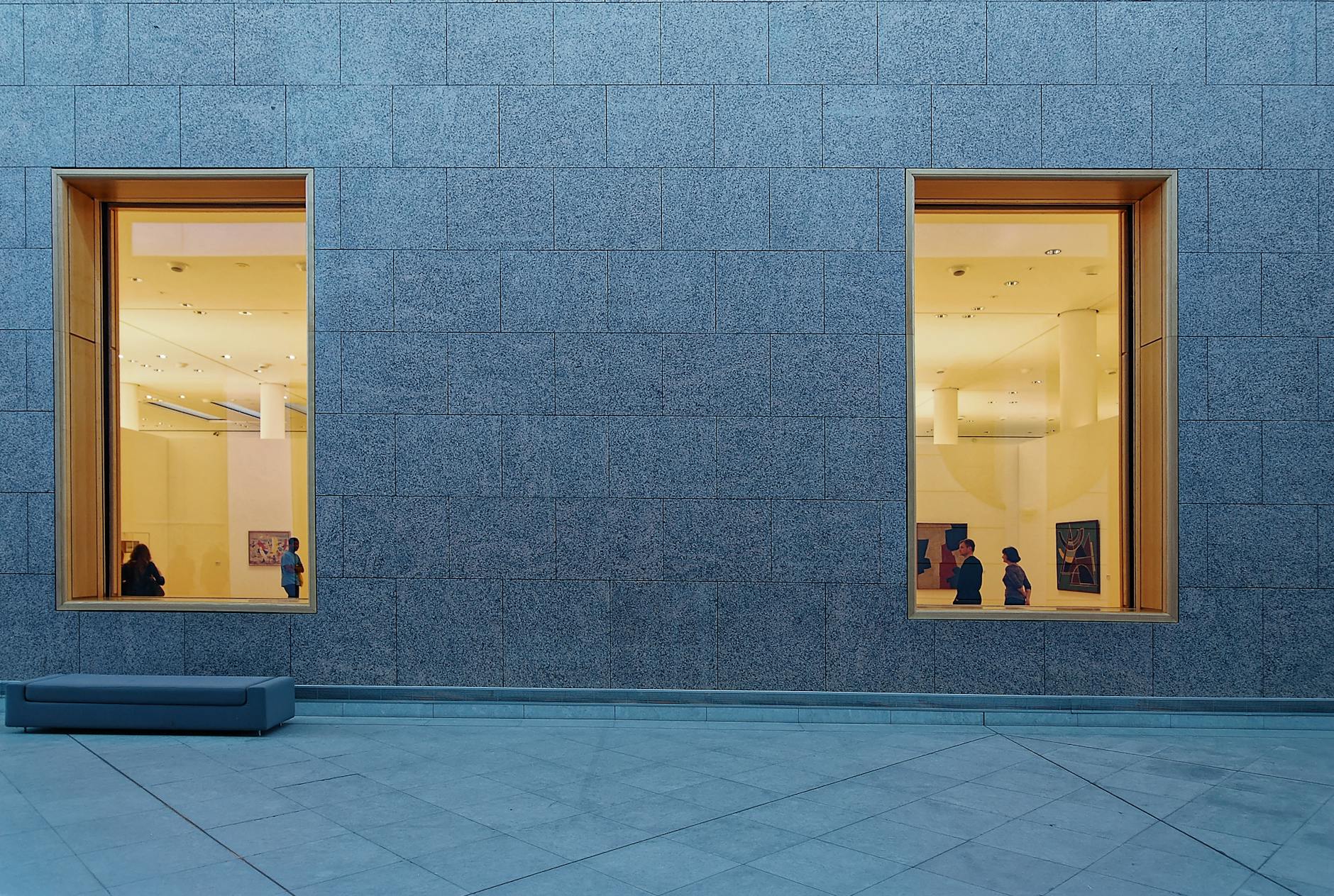
The Tate Liverpool guide situation in 2026 has two locations to know about:
Tate Liverpool + RIBA North (current temporary home): Mann Island, Liverpool L3 1BP — a striking modern black-clad building between the Strand, Canning Dock, and the Museum of Liverpool. This is where you should head for current displays, exhibitions, and the Liverpool Biennial 2025 programme.
Tate Liverpool, Royal Albert Dock (closed for redevelopment): Albert Dock, Liverpool Waterfront, Liverpool L3 4BB — the original Tate Liverpool building inside the Royal Albert Dock complex. Currently closed for a major refurbishment programme, with phased reopenings expected over the next several years.
From the city centre, both locations are reachable on foot in 5-10 minutes via Liverpool ONE and Strand Street. Liverpool Lime Street railway station is 15-20 minutes’ walk; James Street Merseyrail station is 5 minutes’ walk. The closest car parks are Liverpool ONE Q-Park and the Albert Dock car park itself.
Tate Liverpool Opening Hours and Tickets
Tate Liverpool + RIBA North is open daily, 10:00 — 17:50, with last entry at 17:30. Closed Christmas Day, Boxing Day, and New Year’s Day. Standard admission to all permanent displays is free, with charged exhibitions occasionally running on the lower floor. The Tate Liverpool guide always recommends checking the current programme on the official Tate Liverpool website before you visit, particularly during the Liverpool Biennial when programming and ticketing change.
You don’t need to book to visit Tate Liverpool + RIBA North. Drop in any time during opening hours. For special exhibitions, headline events, and Biennial-related programming, advance online booking is recommended — slots can fill at peak times, particularly Saturday afternoons. Tate Members receive free entry to all paid exhibitions across all four Tate galleries (Tate Modern, Tate Britain, Tate Liverpool + RIBA North, and Tate St Ives), making annual membership excellent value if you visit any Tate venues regularly.
What to See: Current Tate Liverpool Displays
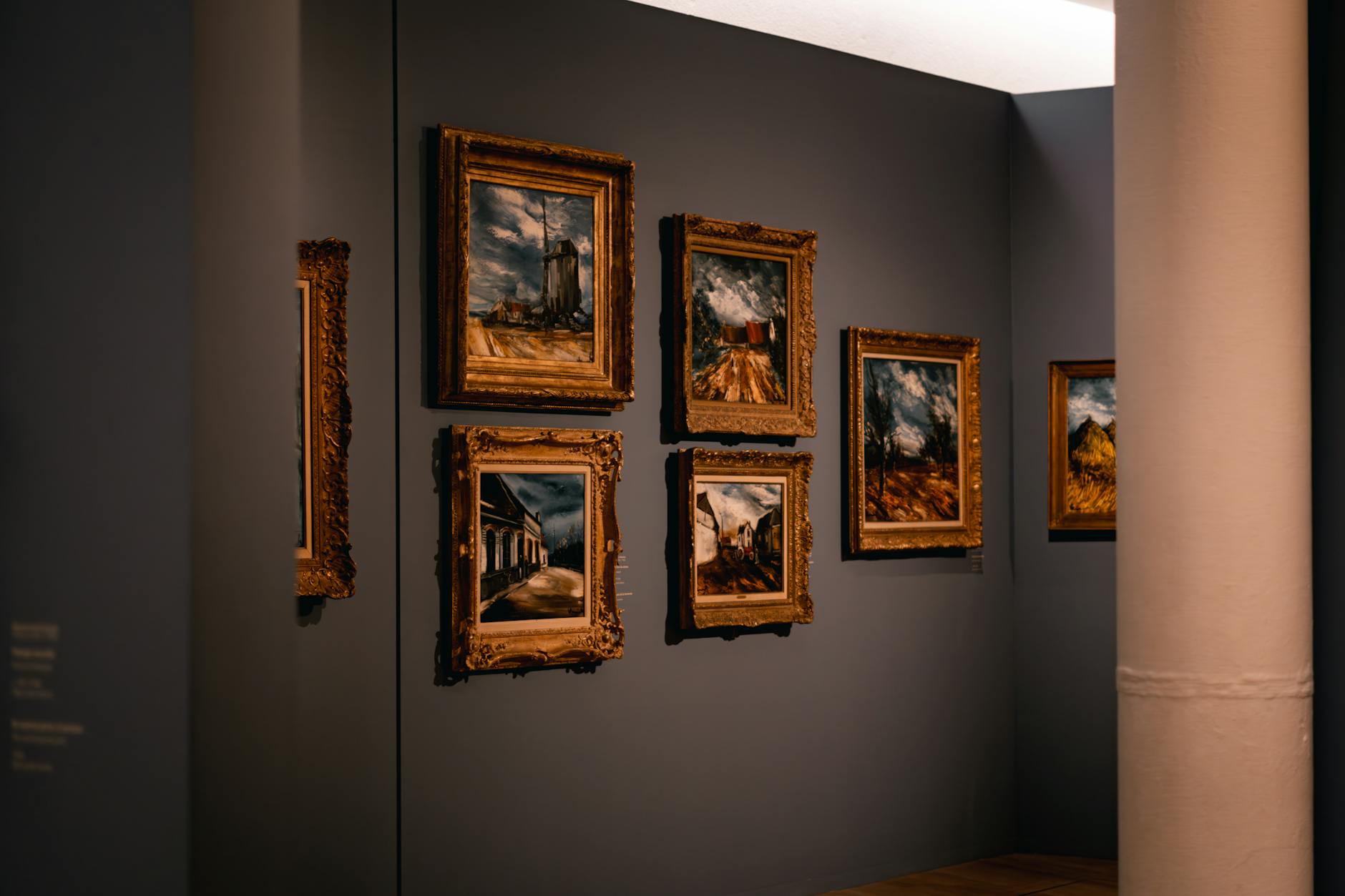
The Tate Liverpool + RIBA North programme rotates regularly, but several elements are constant features that this Tate Liverpool guide can describe with confidence.
Rotating Displays from the Tate Collection
Two small galleries on the upper floor host rotating displays drawn from the Tate’s national collection — paintings, sculptures, photography, and works on paper from the 20th and 21st centuries. The selection often emphasises British modernism, post-war abstraction, contemporary photography, and women artists. Recent displays have featured Bridget Riley, Lubaina Himid (the 2017 Turner Prize-winning Liverpool-based artist), Rachel Whiteread, and rotating selections from the Liverpool-born painter Rose Wylie.
Liverpool Biennial Programming
The UK’s largest contemporary visual arts festival, the Liverpool Biennial, runs every two years across multiple venues in the city. Tate Liverpool + RIBA North hosts a major programme during each Biennial, typically taking over both the upper galleries and additional spaces. The 2025 edition ran from 7 June to 14 September 2025; the 2027 edition is scheduled for the summer. The Biennial is one of the strongest reasons to plan a Tate Liverpool guide visit around a specific date in the calendar.
RIBA Architecture Programme
The shared building hosts a parallel programme of architecture exhibitions, family activities, and public talks from the Royal Institute of British Architects. The two organisations collaborate on a joint programme that often draws unexpected connections between contemporary art and architecture — particularly around the urban experience of Liverpool itself.
Family Programme
The dedicated family area on the upper floor hosts hands-on activities, drawing zones, and craft sessions. Particularly active during school holidays, the Tate family programme makes Tate Liverpool + RIBA North one of the more child-friendly cultural venues on the waterfront. See our Liverpool with kids family guide for more family-focused options.
The History of Tate Liverpool
For a complete Tate Liverpool guide, some context is essential. The Tate Gallery (now Tate Britain in London) was founded in 1897 by Sir Henry Tate, a Liverpool-born sugar refiner who built his fortune in the docks before becoming one of Britain’s great Victorian philanthropists. The decision to bring a major Tate outpost back to Liverpool in 1988 — opened by HRH The Princess Margaret — was therefore a homecoming as well as a cultural statement. Sir James Stirling’s conversion of the Albert Dock warehouse into Tate Liverpool became one of the most celebrated museum architectural projects of the 1980s.
Tate Liverpool quickly became the most-visited modern art gallery outside London. The opening exhibition, drawn from the Tate’s modern collection, drew over 600,000 visitors in its first year. Subsequent decades brought blockbuster exhibitions on Picasso, Klimt, Magritte, Andy Warhol, Glenn Ligon, and many others. The Liverpool Biennial, which the gallery has anchored since 1999, turned the city into a major contemporary art destination. The current redevelopment of the Albert Dock space is intended to dramatically expand and modernise these capabilities — the temporary Mann Island home is a stop-gap, not the long-term plan.
Tate Liverpool’s Permanent Collection: What to Expect Long-Term
Although displays rotate, the Tate Liverpool guide can outline the recurring strengths of what you might encounter:
Modern British Art: Strong holdings of Henry Moore, Barbara Hepworth, Francis Bacon, Lucian Freud, David Hockney, Bridget Riley, and the St Ives School (Patrick Heron, Peter Lanyon, Roger Hilton).
European Modernism: Picasso, Matisse, Mondrian, Schwitters, Klimt, and several major Dada and Surrealist works.
American Post-War: Pollock, de Kooning, Rothko, Warhol, Lichtenstein, Cindy Sherman, and Jeff Koons.
Contemporary British and International: Damien Hirst, Tracey Emin, Lubaina Himid, Chris Ofili, Wolfgang Tillmans, Anish Kapoor, Yinka Shonibare, Lynette Yiadom-Boakye, Rachel Whiteread.
Photography and Video: Major holdings from Julia Margaret Cameron through to Wolfgang Tillmans, William Eggleston, and Hito Steyerl. The Tate’s video collection is one of the best in Britain.
Tate Liverpool Visitor Tips
Several practical tips will make your Tate Liverpool guide visit more rewarding:
Allow 90 minutes minimum. The temporary Mann Island home is more compact than the original Albert Dock space, but a meaningful visit still benefits from at least 90 minutes — longer if a major exhibition is running.
Visit weekday mornings for the quietest experience. Tate Liverpool + RIBA North is most peaceful Tuesday through Friday between 10:00 and 12:00. Saturday afternoons are the busiest times, particularly during school holidays and the Liverpool Biennial.
Combine with Albert Dock museums. The Beatles Story, Merseyside Maritime Museum, and International Slavery Museum are all within 5 minutes’ walk of Tate Liverpool + RIBA North. A morning at the Albert Dock museums followed by an afternoon at Tate Liverpool is one of the best Liverpool culture days possible. See our top tourist attractions guide for more.
Take advantage of the on-site cafe. The cafe at Tate Liverpool + RIBA North serves good coffee, pastries, and light lunches with views across to the Mersey. A reliable refreshment stop without leaving the building.
Explore Mann Island as a destination. The three striking black buildings of Mann Island host more than just Tate Liverpool + RIBA North — there’s an excellent restaurant cluster, the Open Eye Gallery (free), and direct access to the Pier Head waterfront and Three Graces. Even if you only have an hour for Tate, you can comfortably extend the day to two or three hours by exploring the immediate neighbourhood.
Pick up Tate’s free guide on entry. The free printed guide describes current displays room by room and is genuinely helpful for navigating the contemporary work. The Tate Liverpool guide also recommends the free Tate audio guide app, which provides additional artist commentary on selected works.
Tate Liverpool Accessibility
Tate Liverpool + RIBA North is wheelchair accessible at the main entrance with step-free access throughout the gallery floors. As of recent visitor reports, the lift between floors has had occasional outages — check the official Tate website for the latest accessibility status before you visit if step-free access between floors is essential. Accessible toilets are available on the ground floor. Free wheelchair loans are available subject to availability.
Audio guides include large-print versions and BSL-interpreted content for selected works. The gallery offers monthly relaxed openings with reduced lighting, ear defenders available, and trained staff for visitors with sensory sensitivities. Assistance dogs are welcome throughout. Carer tickets are free of charge with a paying companion for any paid exhibitions.
Tate Liverpool Shop
The Tate Liverpool shop at Mann Island is one of the best art bookshops outside London. Strong selection of monographs on contemporary artists, beautifully designed exhibition catalogues, prints from emerging and established artists, posters, art-themed homewares, and an excellent selection of children’s art books. The Tate Liverpool guide treats the shop as a destination in its own right — even visitors who don’t see the displays often leave with something interesting from the shop.
Membership of Tate Members gives 10% discount on most shop purchases. Many of the limited-edition prints sold at Tate Liverpool are exclusive to the gallery and not available at the London Tates, making them genuinely distinctive souvenirs of a Liverpool visit.
Tate Liverpool During the Liverpool Biennial
If you can plan your Tate Liverpool guide visit around the Liverpool Biennial, you’ll see the gallery at its most exciting. The Biennial runs every two years (next edition 2027) from June through September, with major commissions installed across multiple Liverpool venues including Tate Liverpool + RIBA North, the Bluecoat, Open Eye Gallery, FACT, and several pop-up locations. Past Biennials have hosted work from Hito Steyerl, Theaster Gates, Cao Fei, Kara Walker, Joan Jonas, and many other major contemporary artists.
Biennial admission is free at most venues including Tate Liverpool + RIBA North. The Biennial pass (around £15) gives access to the few paid satellite venues and includes useful guides and walking tour materials. For dedicated visitors, two or three days are needed to cover the major Biennial venues — but even a single day with Tate Liverpool + RIBA North as your anchor will give you a strong sense of the festival’s scope. For more on Liverpool’s events calendar see our events and festivals guide.
Combining Tate Liverpool with Other Liverpool Cultural Attractions
The strongest cultural day in Liverpool combines Tate Liverpool + RIBA North with the wider waterfront museum cluster. A typical full day:
Morning: Coffee on Mann Island, then 90 minutes at Tate Liverpool + RIBA North. Walk to the Museum of Liverpool (free) for an hour on Liverpool’s social and industrial history.
Lunch: Albert Dock or Mann Island restaurants — plenty of choice from quick cafes to Lerpwl fine dining.
Afternoon: The Beatles Story (Albert Dock) or Merseyside Maritime Museum and International Slavery Museum, both free.
Late afternoon: Mersey Ferry cruise (50 minutes, departs Pier Head) for an entirely different perspective on the waterfront.
For a more art-focused day, combine Tate Liverpool + RIBA North with the Walker Art Gallery (15 minutes’ walk), the Bluecoat (10 minutes’ walk), Open Eye Gallery (next door at Mann Island), and FACT (15 minutes’ walk through Bold Street). All are free. This is one of the densest free contemporary and modern art clusters anywhere in Britain, and a strong reason to extend your Liverpool stay if you’re an art enthusiast. For more see our Liverpool museums and galleries guide.
The Future of Tate Liverpool
The major redevelopment of the Royal Albert Dock Tate Liverpool building is part of a wider Albert Dock Waterfront Transformation programme funded by the UK government, Liverpool City Council, and National Museums Liverpool. The Tate’s contribution is to expand and modernise the gallery’s facilities — including improved temporary exhibition spaces, better visitor flow, expanded education and learning facilities, and stronger digital infrastructure. Phased reopenings are expected over the next several years, though the full reopening date has not been confirmed at the time of this Tate Liverpool guide update.
For visitors during the redevelopment period, the Tate Liverpool + RIBA North temporary home delivers a smaller but high-quality experience that genuinely showcases the strengths of the Tate’s collection and the Liverpool art scene. When the full Albert Dock home reopens, expect Tate Liverpool to once again become one of the major art destinations of the UK — but until then, the Mann Island building is the place to plan your Tate Liverpool guide visit, and remains absolutely worth the time of any visitor with even a passing interest in modern and contemporary art.
Is Tate Liverpool Worth Visiting Right Now?
For art enthusiasts, the answer is unambiguous yes. The temporary Tate Liverpool + RIBA North home is smaller than the original gallery but the curatorial quality is high, admission is free, and the Liverpool Biennial programming continues to bring world-class contemporary work to the city. Combined with the wider Albert Dock and Mann Island cultural cluster, a half-day or full-day visit gives an excellent Liverpool art experience.
For casual visitors who don’t routinely visit galleries, this Tate Liverpool guide still recommends including a 60-90 minute visit — even one rotating display from the Tate collection is a meaningful encounter with major modern art, free, and in a striking modern building right on the waterfront. Few cities outside London can claim that. For more on Liverpool’s wider cultural offering see our things to do in Liverpool guide.