The top tourist attractions in Liverpool reflect a city that has packed extraordinary cultural, musical, and architectural heritage into a compact, walkable centre. From a UNESCO-recognised waterfront and the world’s most famous beat group to two cathedrals at opposite ends of the same street, Liverpool punches far above its size. This guide covers the 25 top tourist attractions in Liverpool that genuinely deserve your time, with practical visitor information for each — opening hours, prices, what to expect, and insider tips drawn from the experience of someone who knows the city inside out.
Many of these top tourist attractions in Liverpool are completely free, which is one of the city’s quiet superpowers as a destination. The national museums and galleries on the waterfront, both cathedrals, and the city’s most distinctive public art are all free to visit, which means even budget travellers can build a rich itinerary without spending a penny on admission. The paid attractions — The Beatles Story, the Anfield stadium tour, the Royal Liver Building 360 — are still excellent value compared to similar attractions in London or Edinburgh.
The Liverpool Waterfront: UNESCO Heart of the City
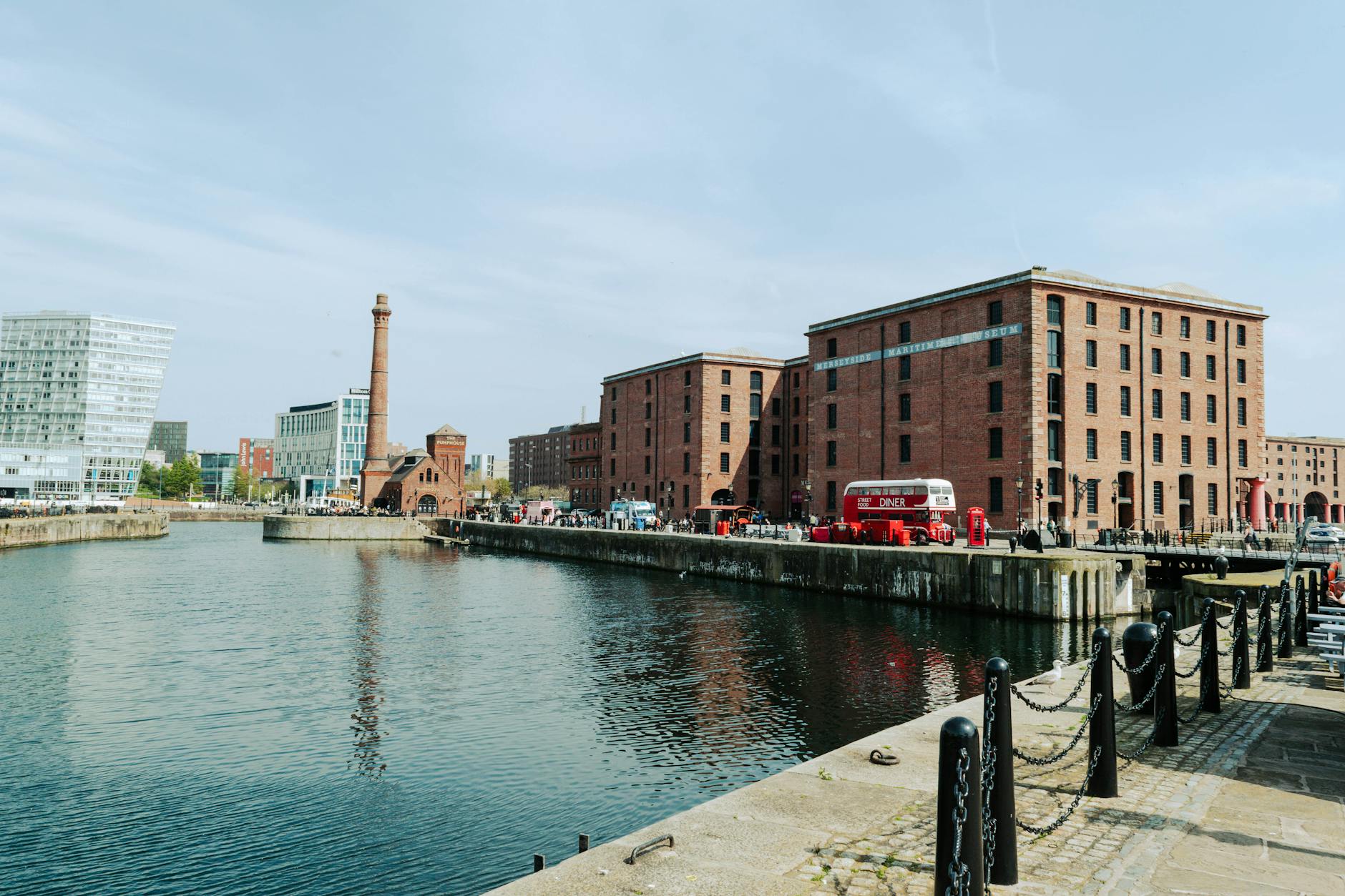
Any list of the top tourist attractions in Liverpool has to begin with the waterfront, because almost everything else flows out from it. The Liverpool Maritime Mercantile City was inscribed as a UNESCO World Heritage Site from 2004 to 2021, and although the formal status was withdrawn after development concerns, the visitor experience remains world-class. The waterfront stretches roughly two miles from the Albert Dock north past Pier Head and the new Liverpool Waters development, and walking it end to end is one of the great free experiences in any British city.
1. Royal Albert Dock
The The Royal Albert Dock is the single most-visited destination in the city and the obvious starting point for first-time visitors. Opened in 1846 and once the most advanced dock complex in the world, the Grade I listed warehouses now house museums, galleries, restaurants, bars, and shops around a still-working dock. The dock itself is free to walk around, and most of the museums inside are free as well. Allow at least half a day if you want to see the cultural attractions properly. The dock looks especially good at golden hour and is genuinely magical when the warehouse lights reflect on the water at night.
2. Pier Head and the Three Graces
Five minutes’ walk north of the Albert Dock, Pier Head is dominated by the three Edwardian buildings that form Liverpool’s most iconic skyline: the Royal Liver Building (1911), the Cunard Building (1917), and the Port of Liverpool Building (1907). Together they’re known as the Three Graces, and they appear on countless postcards and book covers. The waterfront promenade in front of them includes statues of The Beatles, Captain Johnnie Walker, and the Cunard War Memorial. Free to walk and photograph at any time. The new view from the Mersey Ferry terminal looking back at the buildings is particularly striking.
3. Royal Liver Building 360
For one of the most rewarding paid experiences in the city, book the Royal Liver Building 360 tour. The tour takes you to the top of the western tower (right under the famous Liver Birds) and out onto the rooftop walkway, with sweeping views over the Mersey, the Wirral, and the city centre. The audio-visual presentation in the upper levels covers the building’s history and Liverpool’s maritime heyday. Adult tickets are around £20 in 2026; pre-book online for a guaranteed time slot. Tours run roughly 50 minutes. Bring a windproof layer — it gets blustery up there.
4. Mersey Ferries: Cruise the Mersey
“Ferry ‘cross the Mersey” — Gerry and the Pacemakers’ 1965 hit still plays as you board, and the 50-minute River Explorer Cruise is one of the great-value Liverpool experiences. The cruise loops from Pier Head to Seacombe and Birkenhead and back, with audio commentary covering the city’s maritime, slavery, and industrial heritage. Adult tickets are around £13.50 (children £8) and include same-day re-use as a regular commuter ferry. Departures roughly hourly throughout the day. Cruises operate year-round, but the open-deck views are best on a crisp clear morning.
Liverpool’s Free National Museums
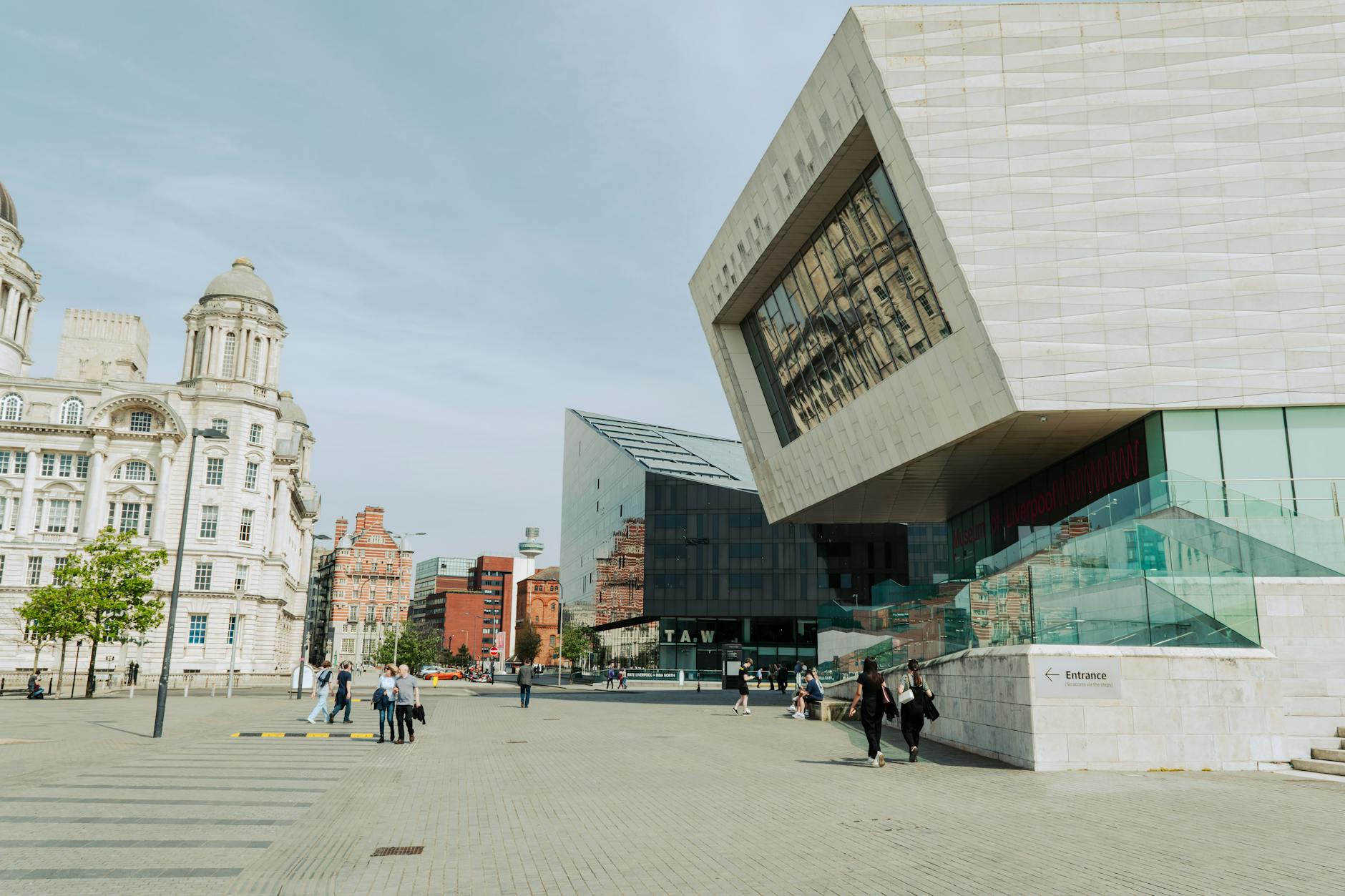
One of the great surprises for first-time visitors is just how strong Liverpool’s free museum offering is. The city has more national museums and galleries than any UK city outside London, and admission to the permanent collections is universally free. Even three or four mornings spent moving between them barely scratches the surface. These are some of the most rewarding top tourist attractions in Liverpool — particularly on a rainy afternoon.
5. Museum of Liverpool
This striking modern building at Pier Head opened in 2011 and is the largest newly built national museum in Britain in over a century. It tells the story of Liverpool through its people — from the docks and the working-class neighbourhoods to the city’s musical, sporting, and creative life. Highlights include a 1930s overhead railway carriage, the original “London Road” Liverpool tram, and rich displays on the city’s role in the Atlantic trade and 20th-century immigration. Open Tuesday to Sunday, 10am to 5pm; closed Mondays. Free admission. Allow 2-3 hours.
6. Merseyside Maritime Museum
Housed inside one of the original Albert Dock warehouses, the Maritime Museum tells the story of Liverpool’s life as a port — emigration to America, the great Cunard liners, the Battle of the Atlantic during the Second World War, and the legacy of the Lusitania and Titanic (both registered in Liverpool). The Customs and Excise National Museum is included on the same site. Currently undergoing major redevelopment as part of the Waterfront Transformation programme, with parts due to reopen in phases — check the National Museums Liverpool website for current access. Free admission.
7. International Slavery Museum
The International Slavery Museum, also at the Albert Dock, opened in 2007 on the 200th anniversary of the abolition of the British slave trade. It offers an unflinching, deeply important account of the transatlantic slave trade and Liverpool’s central role in it, alongside galleries on contemporary slavery and Black diaspora culture. The museum is undergoing a major redevelopment to expand its space dramatically — phased reopenings throughout 2026. Powerful, sobering, essential. Free admission.
8. Tate Liverpool
Tate Liverpool is the northern home of the Tate’s national collection of modern and contemporary art, occupying another converted Albert Dock warehouse. The permanent collection rotates regularly, and the gallery hosts world-class temporary exhibitions and the Liverpool Biennial every two years. Tate Liverpool is in the middle of a major refurbishment and is currently operating from a temporary space in the RIBA North building at Mann Island while works continue at the Albert Dock site. Open daily 10am-6pm, free admission for the main collection (paid temporary exhibitions). For more detail see our Tate Liverpool guide.
9. Walker Art Gallery
A fifteen-minute walk from the waterfront, the Walker Art Gallery is one of the finest art collections in England outside London. The Pre-Raphaelite collection (Rossetti, Millais, Hunt) is internationally significant, the Italian and Flemish rooms are exceptional, and the contemporary galleries house the John Moores Painting Prize — the UK’s longest-running painting prize. The Walker is part of the William Brown Street cultural quarter, alongside the Central Library and World Museum. Open daily 10am-5pm, free admission.
10. World Museum
Right next door to the Walker, the World Museum covers everything from dinosaurs and ancient Egypt to a planetarium and an aquarium. It’s particularly good for families, with hands-on activities at most levels and excellent interactive displays. The Treasures of Ancient Egypt gallery is one of the highlights. Open daily 10am-5pm, free admission. Easy to combine with the Walker into a single morning’s visit.
The Beatles Trail: Music History You Can Walk
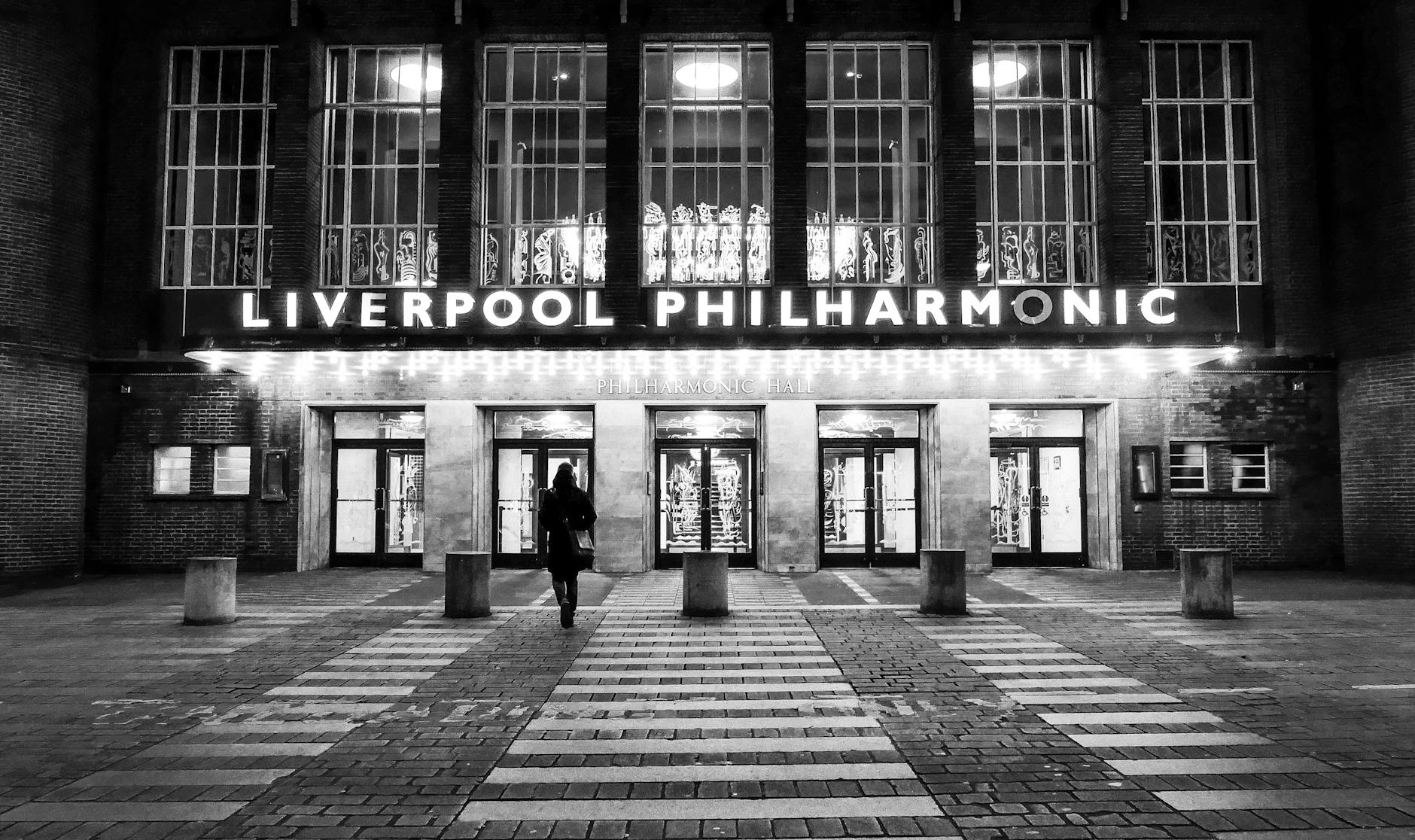
For millions of visitors, the top tourist attractions in Liverpool start and end with The Beatles. The city’s connection to John, Paul, George, and Ringo is woven through the geography in a way that few other places can match. You can stand in the spots where the band lived, met, recorded their first sessions, and played their formative gigs. For a deeper exploration, see our Beatles Liverpool guide.
11. The Beatles Story
The world’s largest permanent exhibition devoted to The Beatles, located at the Albert Dock. The audio-guided walk (book on the official Beatles Story website) takes you from the band members’ Liverpool childhoods through Hamburg, the Cavern, Beatlemania, Sgt Pepper, the breakup, and the solo years. It’s well-paced, visually rich, and genuinely moving in places — the recreation of the Casbah Coffee Club and the room dedicated to John Lennon’s white piano are highlights. Adult tickets around £19, family tickets available. Open daily 10am-6pm (last entry 5pm). Allow 2 hours.
12. The Cavern Club
The Cavern Club on Mathew Street is the spiritual home of Liverpool’s music scene. The Beatles played 292 times here between 1961 and 1963 (see the official Cavern Club website), and the club has hosted the Rolling Stones, Queen, Elton John, and countless others over the decades. The current venue is a faithful reconstruction of the original (which was demolished in 1973) on the same site, and live music plays from lunchtime onwards every day. Entry is around £6 during the day or £8.50 for an all-day-and-night pass; free after 8pm on Mondays for Ian Prowse’s Monday Club. Cashless payments only.
13. Strawberry Field
The red Salvation Army gates immortalised in John Lennon’s “Strawberry Fields Forever” stand on Beaconsfield Road in the suburb of Woolton. The site itself, once a children’s home, reopened to the public in 2019 as a visitor centre with a thoughtful exhibition on Lennon’s connection to the place and the Salvation Army’s social work. The on-site cafe is good, and the gardens are open. Adult ticket around £12; combined with the National Trust Beatles Childhood Homes tour for an excellent half-day. Reachable by 76 bus from Liverpool ONE.
14. Penny Lane and Beatles Childhood Homes
Penny Lane is, indeed, just a suburban street, but standing at the famous “shelter in the middle of the roundabout” is a small pilgrimage many fans want to make. Just minutes away are Mendips (John Lennon’s childhood home, 251 Menlove Avenue) and 20 Forthlin Road (Paul McCartney’s childhood home), both owned by the National Trust and accessible only by guided minibus tour from Albert Dock or Speke Hall — booking essential. The tour is a highlight for serious fans and includes the actual Liverpool front rooms where “Please Please Me” and “I Saw Her Standing There” were written.
Iconic Architecture and Sacred Spaces
15. Liverpool Cathedral (Anglican)
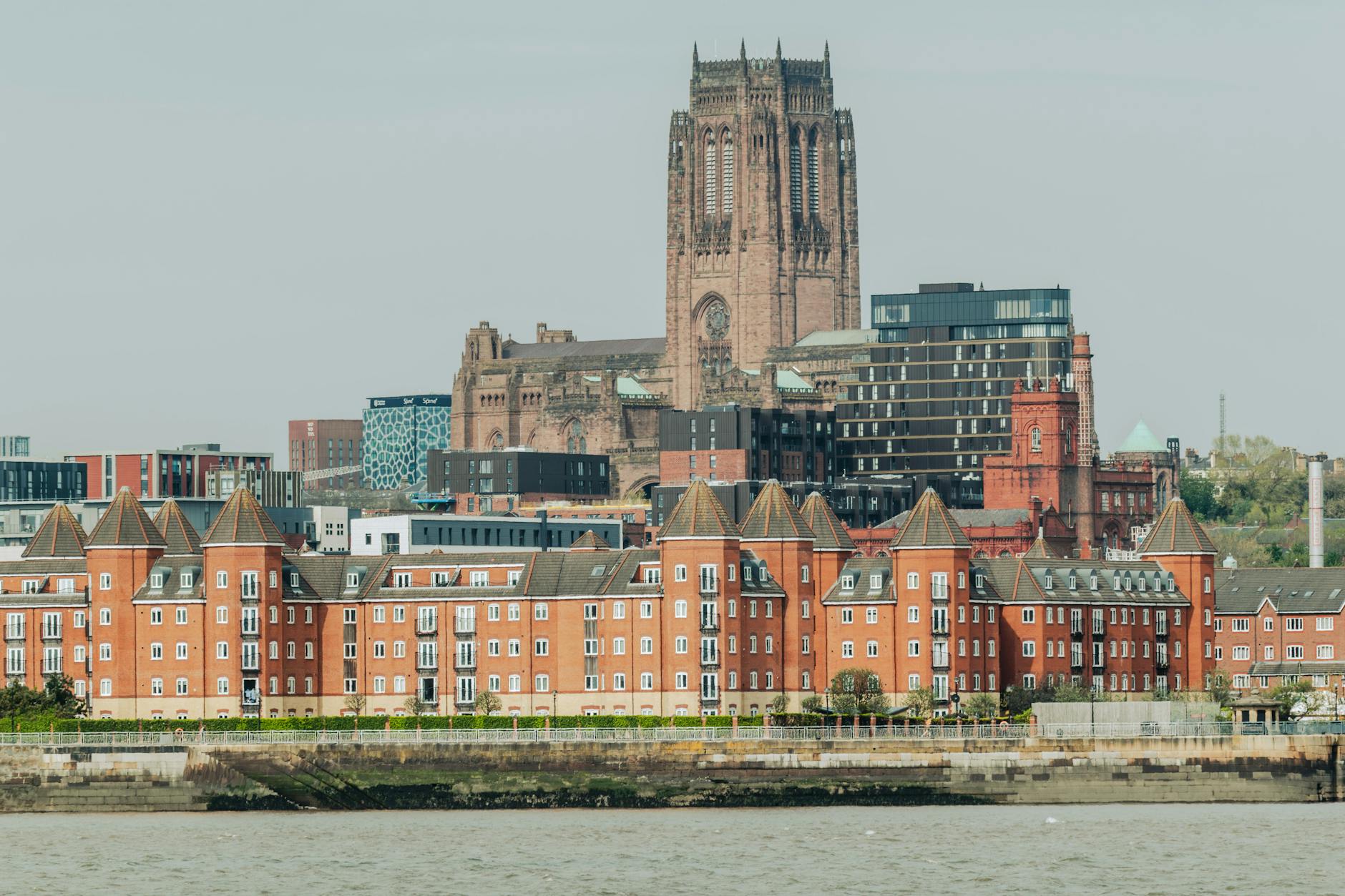
One of the most extraordinary buildings in Britain, the Anglican Liverpool Cathedral is the largest cathedral in the country and the fifth largest in the world by interior volume. Designed by Sir Giles Gilbert Scott (who also designed the red telephone box), construction started in 1904 and finished in 1978. The 331-foot tower is open to visitors and offers some of the best views in the city, taking in the Mersey, both cathedrals, and the surrounding districts. Free to enter the main body of the cathedral; tower tickets around £6. Open daily 10am-5pm.
16. Metropolitan Cathedral of Christ the King
At the other end of Hope Street, the Catholic Metropolitan Cathedral is one of Britain’s great pieces of post-war architecture. Designed by Sir Frederick Gibberd and consecrated in 1967, the conical concrete building (affectionately known locally as “Paddy’s Wigwam”) is dramatically different from its neighbour but equally extraordinary. The vast interior is dominated by John Piper’s lantern stained glass, which floods the building with coloured light. Free to enter, with a small charge for the crypt. Walk the length of Hope Street between the two for one of the great Liverpool experiences.
17. St George’s Hall
Directly opposite Lime Street Station, St George’s Hall is widely considered the finest neoclassical building in Europe. Built in 1854 to host concerts and the city’s law courts, the Great Hall and Concert Hall are both spectacular. The Minton-tiled floor, only revealed for special occasions, is one of the largest in the world. Tours run regularly (around £8), and the Heritage Centre on the lower level is free. The building hosts seasonal events including a major Christmas market. Even just walking past is one of the city’s most photographed views.
18. Liverpool Central Library
Tucked between the Walker and the World Museum, Liverpool Central Library is an underrated gem. The 2013 refurbishment kept the magnificent Picton Reading Room (Britain’s first electrically-lit public room, opened in 1879) and the Hornby Library while adding a striking modern atrium. The rooftop terrace is one of the best free vantage points in the city, with views over William Brown Street and St George’s Hall. Free, open daily, and a perfect rainy-day refuge.
Sports, Stadiums and Football Heritage
19. Anfield Stadium and the LFC Tour
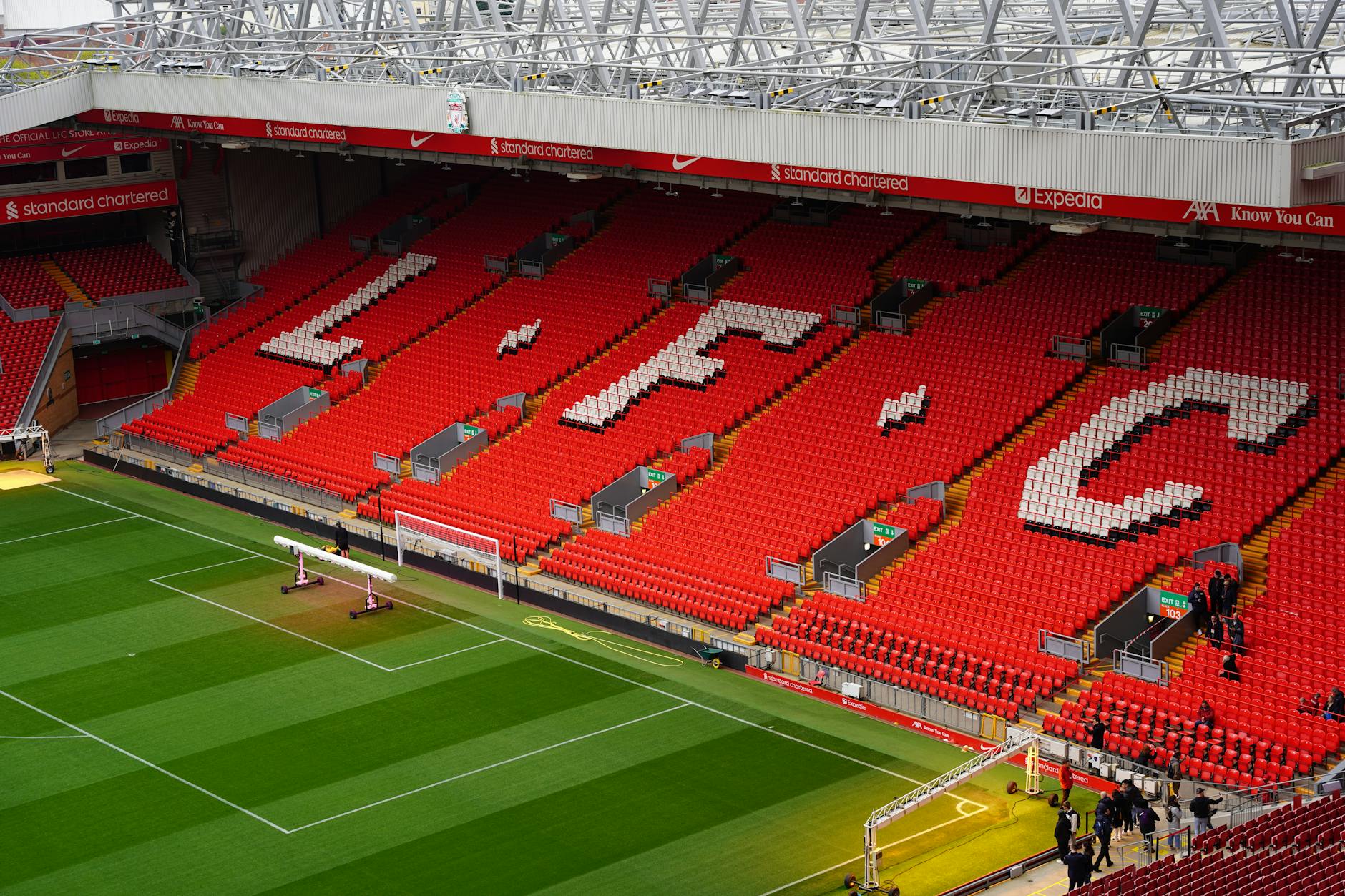
Anfield is among the most visited tourist attractions in the city, and not only for match days. The Liverpool FC Stadium Tour takes you through the home dressing room, down the famous tunnel under the “This is Anfield” sign, out by the dugouts, and up to the press room. The accompanying museum is comprehensive and emotionally heavy on the European Cup nights and the Hillsborough memorial. Adult tickets around £25 for the tour and museum combined. Pre-book — slots fill weeks in advance during the season. For deeper detail see our Anfield stadium tour guide.
20. Everton’s Hill Dickinson Stadium
Everton FC moved from Goodison Park (their home for over 130 years) to the new Hill Dickinson Stadium at Bramley-Moore Dock for the start of the 2025-26 season. The 53,000-capacity ground sits dramatically on the northern waterfront and is now one of the most distinctive new sports venues in Britain. Tours and matchday experiences are available — check the official Everton site for current schedules. The stadium is a 20-minute walk along the waterfront from Pier Head, or a short bus ride.
Coastal and Outdoor Experiences
21. Crosby Beach: Antony Gormley’s “Another Place”
Twenty minutes by Merseyrail from the city centre, Crosby Beach is the home of Antony Gormley’s installation Another Place — 100 cast-iron figures of the artist gazing out across the Mersey estuary toward the horizon. Spread across a three-kilometre stretch of sand, they appear and disappear as the tide rises and falls, and the experience is genuinely mystical at sunrise or sunset. Free, open all year, accessible by train (Hall Road or Blundellsands & Crosby stations). Wrap up warm; the Atlantic wind is real.
22. Sefton Park and the Palm House
Liverpool’s most beautiful green space, Sefton Park is a 235-acre Victorian park three miles south of the city centre. The restored Palm House — a Grade II* listed octagonal glasshouse — is open daily and free to enter; it hosts events, weddings, and seasonal markets. The park also contains a boating lake, the Peter Pan statue (the original 1928 cast), and miles of pleasant walking and cycling paths. Reachable by 80, 80A, or 86 bus from the city centre. Particularly good in late spring when the rhododendrons flower.
23. Speke Hall
One of the finest surviving Tudor manor houses in Britain, Speke Hall is a National Trust property on the south side of the city, near the airport. The half-timbered house dates from 1530 and includes priest holes, original Tudor plasterwork, and a Victorian Arts and Crafts garden. The kitchen garden, woodland walks, and tea room make it a full half-day out. Adult ticket around £15 (members free). Reachable by 80A and 86 buses, or a 15-minute taxi from the city centre.
Shopping, Markets and Culture
24. Liverpool ONE
Opened in 2008, Liverpool ONE is the city’s main retail destination — an open-air shopping district with over 170 stores, restaurants, a 14-screen Odeon Luxe cinema, and Chavasse Park. It’s one of the largest open-air shopping developments in Europe and connects the city centre directly to the waterfront. Most stores open 10am-8pm Monday-Saturday, 11am-5pm Sunday. Free to walk around. For more detail on specific shops and brands, see our Liverpool ONE guide.
25. Bold Street
If Liverpool ONE is the polished face of Liverpool retail, Bold Street is its independent, characterful soul. The steep street between Ranelagh Place and the bombed-out St Luke’s Church is packed with vintage shops, record stores, international food shops, independent bookshops, and dozens of the city’s best small restaurants. Mowgli, Maray, Bakchich, and Slim’s Pork Chop Express all started here. The street ends at the haunting ruins of St Luke’s, a roofless gothic church kept as a memorial to the May Blitz of 1941 — and now a free outdoor exhibition space.
Practical Tips for Visiting Liverpool’s Top Attractions
The single most useful piece of advice for tackling the top tourist attractions in Liverpool is that the city centre is genuinely walkable. The Albert Dock to Liverpool Cathedral is a 25-minute walk, and the Cavern Quarter to Pier Head is about 10 minutes. Most visitors over-plan their transport and underestimate how compact everything is. Comfortable shoes and a light waterproof are far more useful than a complicated transit pass.
If you do need transport for outlying attractions like Crosby, Speke Hall, or Strawberry Field, a Saveaway day ticket from Merseytravel covers all buses, trains, and ferries within Merseyside for around £6 — excellent value if you’re combining two or three out-of-centre visits in a day. The Hop-On Hop-Off sightseeing bus is a reasonable option for first-time visitors who want a guided overview, but most independent travellers will find regular Merseyrail and bus services give them more flexibility.
Plan your free top tourist attractions in Liverpool for rainy days and your outdoor experiences (waterfront walks, Crosby Beach, Sefton Park) for clearer weather. The free national museums are also brilliant first-thing-in-the-morning options before crowds build up. The Beatles attractions are best enjoyed in the late afternoon when the morning coach groups have moved on. Book the Royal Liver Building 360, the LFC stadium tour, and the Beatles Childhood Homes tour in advance, especially during summer and around major events.
For visitors travelling with children, see our Liverpool with kids family guide, which covers age-appropriate options at most of these top tourist attractions in Liverpool. For budget travellers focused on free things to do, the Liverpool on a budget guide goes into far more detail on free museums, free walking routes, and discount strategies. And to put your visit in the wider context of what else the city offers, the things to do in Liverpool pillar guide ties everything together.
How Many Days Do You Need to See the Top Tourist Attractions in Liverpool?
A focused weekend (Friday evening to Sunday afternoon) is enough to see roughly half of these top tourist attractions in Liverpool comfortably. The top tourist attractions in Liverpool are clustered tightly enough that even a single day delivers a strong taste of what the top tourist attractions in Liverpool offer. Three full days lets you cover most of the central attractions plus one out-of-centre visit such as Crosby Beach or Speke Hall. A full week allows you to do everything in this list, take a Mersey Ferry cruise, see a live gig at the Cavern, visit a Liverpool or Everton match if the calendar allows, and still leave time for day trips. Most first-time visitors leave wishing they’d booked an extra night, which speaks well to how rich the city’s offering really is.
For visitors planning a longer stay or considering Liverpool as a base for exploring the wider region, see our day trips from Liverpool guide for excursions to Chester, Manchester, North Wales, and the Lake District — all within a couple of hours of Lime Street Station. Whatever combination you choose, the top tourist attractions in Liverpool will give you one of the most varied, characterful, and genuinely affordable city breaks in Britain.
Related Liverpool Things to Do Guides
Once you’ve worked through the headline attractions above, these companion guides dig deeper into specific themes and types of visit:
- Hidden Gems in Liverpool — 20 secret spots locals love that don’t make the standard attraction lists.
- Best Walking Tours in Liverpool — guided operators and four self-guided routes covering everything above.
- Liverpool Waterfront Guide — detailed coverage of the Royal Albert Dock, Pier Head, and Three Graces.
- Mersey Ferry Cruise Guide — the working passenger ferry that takes you across the river.
- Best Parks and Gardens in Liverpool — Sefton, Stanley, Calderstones, and the city’s hidden green spaces.
- Liverpool Street Art Guide — the Baltic Triangle murals and the Anfield football tributes.
- Rainy Day Activities in Liverpool — 31 indoor things to do when the weather turns.
- Romantic Things to Do in Liverpool — for couples planning a weekend break.
- Free Things to Do in Liverpool — 30+ free attractions for budget travellers.