This article contains advertising. Our booking links are routed through a partner that adds commission tracking automatically, so if you book through one we earn a commission from the provider, at no extra cost to you. It never affects what we recommend. Affiliate disclosure
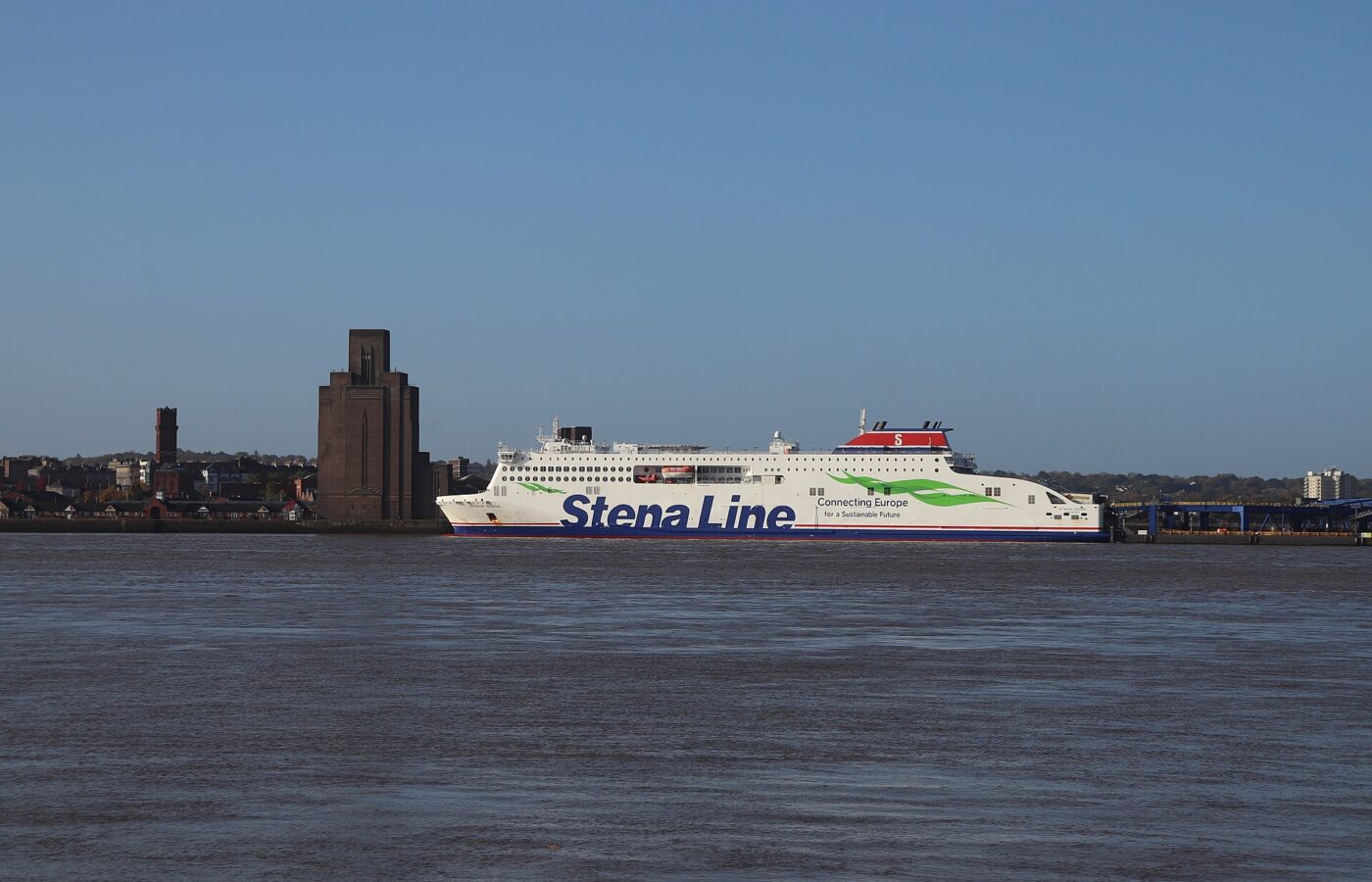
Stand at the Pier Head at half past ten in the morning and you may see a big white ferry, “Stena Line” painted down its side in blue, pulling away from the far bank of the Mersey. That’s the Belfast boat, and it leaves from Birkenhead, not Liverpool. It’s also the only direct Liverpool to Ireland ferry for passengers that’s still running. The Liverpool–Dublin service closed at the end of 2023, and a surprising number of websites still haven’t noticed.
This guide sets out what actually runs in 2026: the Stena Line crossing from Birkenhead to Belfast, the Holyhead route to Dublin, a scenic hop via the Isle of Man, the longer routes via Scotland and South Wales, and when flying makes more sense. It covers timetables, terminals, how to reach each port from Liverpool, foot passengers, cabins, fares, ID and pets. Sailings and prices were checked in September 2026 with the operators. Timetables change by season, so always check the date you want.
Getting to Ireland From Liverpool: the Options at a Glance
| Route | Operator | Crossing | Best for |
|---|---|---|---|
| Birkenhead (Liverpool) → Belfast | Stena Line | About 8 hours, day or overnight | Northern Ireland, cars, overnight with a cabin |
| Holyhead → Dublin | Stena Line, Irish Ferries | About 3¼ hours, several sailings a day | Dublin and the Republic, foot passengers with SailRail |
| Liverpool → Douglas → Dublin or Larne | Isle of Man Steam Packet | 2h45 to Douglas, then a second sailing | A two-country trip with a stop on the Isle of Man |
| Cairnryan → Belfast or Larne | Stena Line, P&O Ferries | About 2–2¼ hours | Drivers who don’t mind a long drive to south-west Scotland |
| Fishguard or Pembroke → Rosslare | Stena Line, Irish Ferries | About 3¼–4 hours | The south-east of Ireland, by car |
| Liverpool → Dublin | None | Closed December 2023 | Nothing. It no longer exists |
What Happened to the Liverpool–Dublin Ferry?
For years, the direct link between Liverpool and Dublin was run by P&O Ferries. It was mainly a freight route, with two ships making 24 sailings a week, but it also carried motorists and their passengers, up to 114 people per sailing including accompanied lorry drivers. P&O announced in August 2023 that the route would close, after it failed to agree a lease extension or find another berth in Liverpool for 2024. It wasn’t converted to a freight-only service. The route closed entirely at the end of 2023. P&O now points passengers to its Cairnryan–Larne route instead.
Many online booking pages and travel articles still describe a Liverpool–Dublin ferry. When you look closely, they’re usually selling Holyhead–Dublin or Birkenhead–Belfast, or they’re simply out of date. If a site offers you a “Liverpool to Dublin” crossing, check the departure port before you pay.
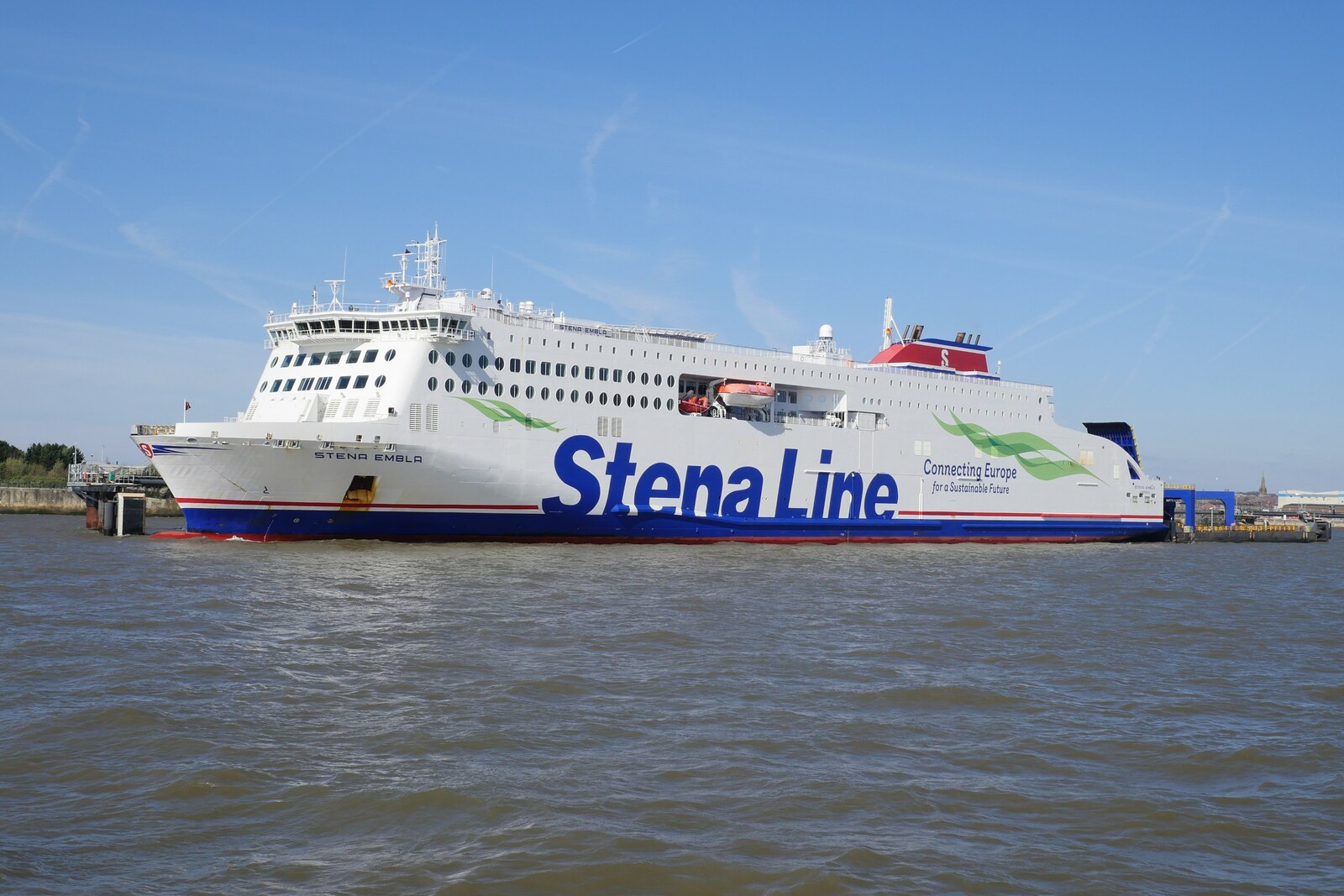
The Belfast Ferry From Birkenhead (Stena Line)
The basics
- Ships: Stena Edda and Stena Embla, two of Stena’s modern E-Flexer ferries.
- Crossing time: about 8 hours.
- Frequency: up to four direct sailings a day across both directions, with a choice of day and overnight crossings.
- From Birkenhead: sailings at 10:30 (arriving in Belfast around 18:30) and 22:30 (arriving around 06:30) on the current pattern.
- Fares: from £149 single for a car and driver (checked September 2026). Prices rise at weekends, in school holidays and around big events.
- Foot passengers: accepted. Check-in is for vehicles and foot passengers alike.
Day or night?
The overnight crossing is the one most people choose, and for good reason. Book a cabin, sleep through the crossing and arrive in Belfast at breakfast time with a full day ahead, having saved the cost of a hotel. The day crossing suits anyone who doesn’t sleep well at sea, or who wants to watch the Liverpool waterfront slide past on the way out of the Mersey. It’s a long day, though: you won’t reach Belfast until the evening.
On board
- Cabins: en-suite cabins can be booked. On the overnight crossing, book early at weekends and in summer, because the cabins go first.
- Lounges: the Stena Plus and Hygge lounges offer quieter spaces. Check what’s included, and any charge, when you book.
- Food and drink: the Sky Bar and on-board restaurants serve meals and drinks.
The terminal: 12 Quays, Birkenhead
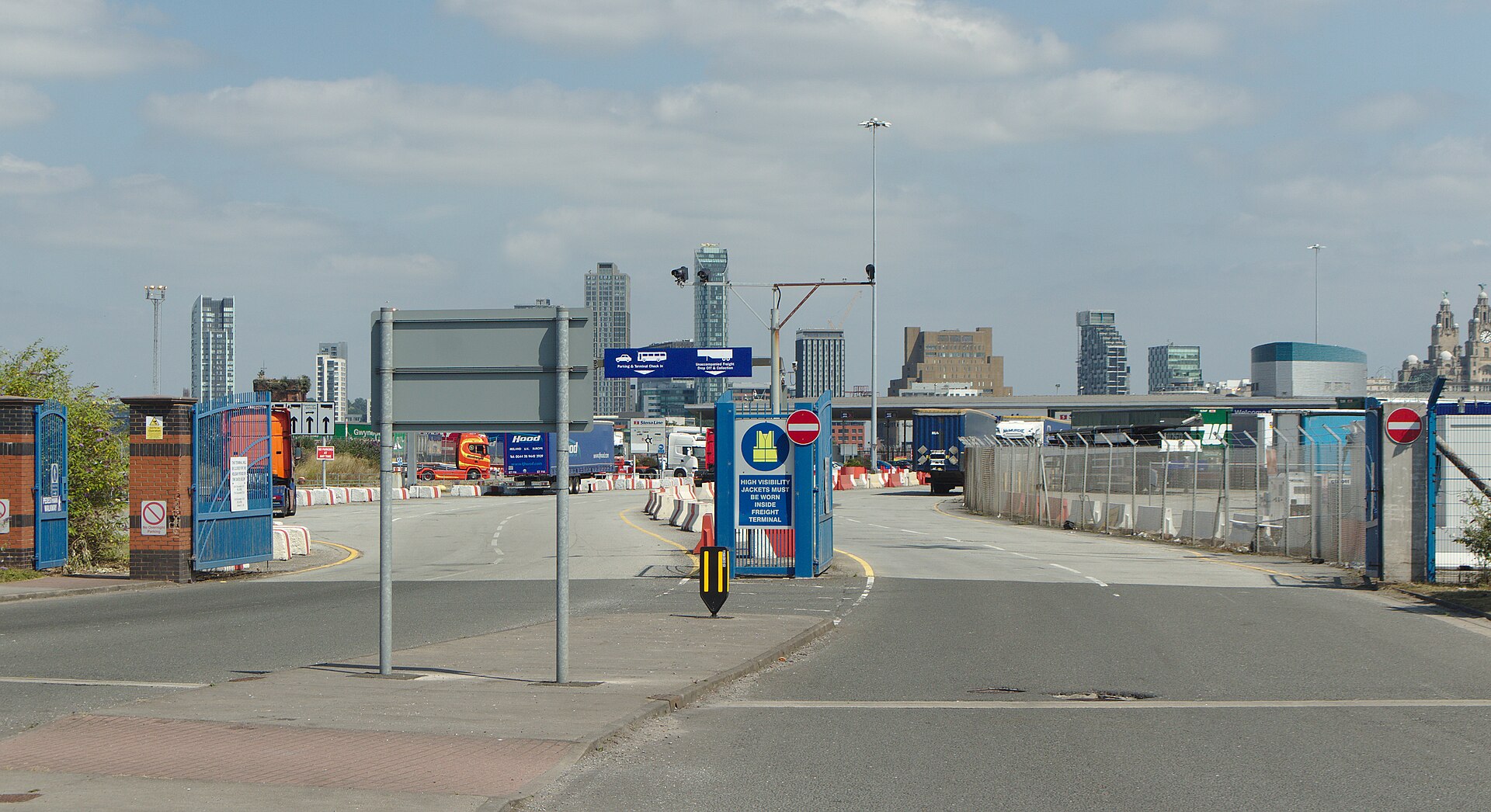
The Belfast ferry sails from the 12 Quays Terminal, Tower Road, Birkenhead CH41 1FE, on the Wirral side of the river. It’s not from the Liverpool Cruise Terminal or the Isle of Man terminal on Liverpool’s own waterfront.
- Check-in times: for the 10:30 sailing, check-in opens at 08:00 and closes at 09:30. For the 22:30 sailing, it opens at 19:30 and closes at 21:30. Aim to arrive well before the cut-off.
- By Merseyrail: take the Wirral line under the river to Birkenhead Hamilton Square, one stop from Liverpool’s underground stations. From there, the terminal is about 15 minutes’ walk. Stena has also run a courtesy bus from Hamilton Square timed to the sailings, which takes about five minutes. Check the current times when you book.
- By car: cross under the Mersey by one of the two road tunnels, which charge a toll, and follow the signs for the Belfast ferry.
- By taxi: a taxi from Liverpool city centre goes through a tunnel, so the toll is added to the fare. It’s the easy option with heavy luggage or a late sailing.
As a foot passenger, step by step
- Book online as a foot passenger and add a cabin if you’re sailing overnight.
- Take Merseyrail from Lime Street, Central, Moorfields or James Street to Birkenhead Hamilton Square. It’s the first stop under the river.
- Walk or ride to 12 Quays. It’s about 15 minutes on foot, or take Stena’s courtesy bus if it’s running for your sailing. At Hamilton Square, take the lift to street level and look for the Stena Line stop.
- Check in with photo ID before the cut-off: 09:30 for the morning sailing, 21:30 for the night boat.
- In Belfast, the VT2 terminal is about ten minutes by car from the city centre. After an early-morning arrival, a taxi is the simplest way into town.
Arriving in Belfast
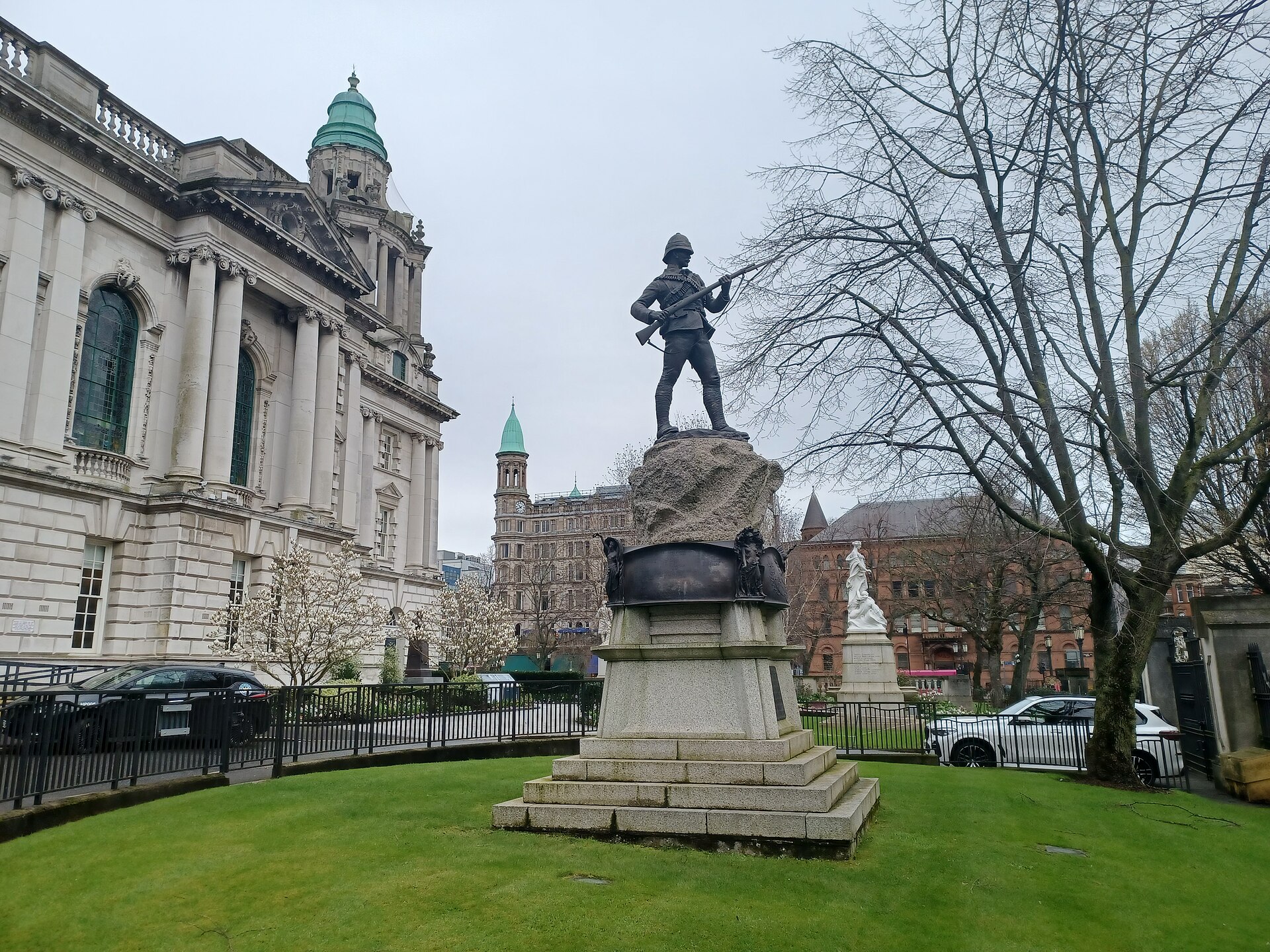
Ferries dock at the VT2 terminal in Belfast harbour, within about ten minutes’ drive of the city centre. After an overnight crossing you’ll be in town for breakfast, with the Titanic Quarter, the Cathedral Quarter and City Hall all close. From Belfast, the Causeway Coast and the Giant’s Causeway are a day trip north.
A Belfast weekend by ferry
The overnight sailings make a Belfast weekend from Liverpool unusually easy, with no flights and no hotel on the first night.
- Friday evening: dinner in Liverpool, then Merseyrail to Hamilton Square and the 22:30 sailing. Go to bed in your cabin somewhere off the Wirral coast.
- Saturday: arrive around 06:30 and have breakfast in the city centre. Spend the morning at Titanic Belfast, on the slipways where the ship was built. She was registered in Liverpool, a link explained in our Liverpool and the Titanic guide. In the afternoon, explore the Cathedral Quarter’s pubs and City Hall.
- Sunday: a day trip up the Causeway Coast to the Giant’s Causeway, or a slower day around the city’s markets and museums.
- Sunday night: the overnight sailing back, arriving in Birkenhead early on Monday morning, in time for work if you’re brave.
Check the sailing pattern for your dates before you plan around it, because timetables vary through the year.
To Dublin via Holyhead
If Dublin is where you’re going, the route is Holyhead to Dublin, from the tip of Anglesey in North Wales.
- Operators: Stena Line and Irish Ferries both sail Holyhead–Dublin, several times a day between them.
- Crossing time: about 3¼ hours on the conventional ferries.
- Arrival: Dublin Port, a short taxi or bus ride from the city centre.
Getting to Holyhead from Liverpool
- By car: about two and a half hours, mostly on the A55 along the North Wales coast. Our North Wales guide has good places to break the journey.
- By train: from Liverpool Lime Street, change at Chester for the North Wales coast line to Holyhead. Allow about three hours, depending on connections. Holyhead station is right next to the ferry terminal.
- SailRail: combined train and ferry tickets from any National Rail station to Dublin via Holyhead are often the cheapest way to cross as a foot passenger, and they cover you if a delayed train makes you miss the boat. Book through the ferry companies or SailRail.
A winter warning: Holyhead’s port closed for several weeks after storm damage in December 2024, and the Irish Sea regularly disrupts sailings in winter gales. Keep an eye on the forecast and your operator’s updates before you set off.
Via the Isle of Man
For a more adventurous route, sail from Liverpool’s own waterfront to the Isle of Man and on to Ireland from there.
- Liverpool → Douglas: the Isle of Man Steam Packet’s fast craft takes 2 hours 45 minutes, daily from April to October and at weekends in winter. It leaves from the Isle of Man Ferry Terminal at Triskelion Way, north of the Pier Head.
- Douglas → Dublin: a seasonal Steam Packet route.
- Douglas → Larne: a new Steam Packet route to Northern Ireland from April 2026. The company ended its Belfast sailings in December 2025.
It’s slower and depends on the connecting sailings running on your dates, but you get a night or two on the island. Our Isle of Man ferry from Liverpool guide covers the first leg in detail.
The Longer Routes: Scotland and South Wales
- Cairnryan to Belfast or Larne: Stena Line sails to Belfast and P&O Ferries to Larne from Cairnryan in south-west Scotland. The crossings are short, around two hours, but Cairnryan is a four-hour-plus drive from Liverpool. It only makes sense if you’re already heading north or want the shortest possible sea crossing.
- Fishguard or Pembroke Dock to Rosslare: Stena Line sails from Fishguard and Irish Ferries from Pembroke Dock to Rosslare in County Wexford. They’re useful for the south-east of Ireland, but both ports are a long drive from Merseyside.
Flying Instead
Liverpool John Lennon Airport has direct flights to Dublin and Belfast, and the flight takes under an hour. Check current routes and airlines when you book. For a foot passenger with hand luggage going to Dublin, flying is usually quicker, and often cheaper, than any ferry. Our Liverpool airport guide covers getting to the airport on the 500 bus.
The ferry wins when:
- you’re taking your car, or a lot of luggage, bikes or sports gear;
- you’re travelling with a dog, and are prepared to meet the pet rules (see below);
- you’d rather sleep through an overnight crossing than pay for a hotel and an early flight;
- you want to avoid airport security and liquid limits;
- you’re heading to Northern Ireland with a car, where Birkenhead–Belfast takes you almost door to door.
Which Route Is Best for You?
| If you’re… | Take… |
|---|---|
| Driving to Belfast or anywhere in Northern Ireland | Stena Line, Birkenhead–Belfast, ideally overnight with a cabin |
| A foot passenger going to Belfast | The same ferry, via Hamilton Square, or fly |
| Driving to Dublin or the east of the Republic | Holyhead–Dublin, after a 2½-hour drive |
| A foot passenger going to Dublin | SailRail via Holyhead, or fly |
| Heading for Wexford, Waterford or Cork | Fishguard or Pembroke Dock to Rosslare |
| Wanting a two-country adventure | Liverpool–Douglas, then on to Dublin or Larne |
Taking Your Car to Ireland
- Same side of the road. Both Northern Ireland and the Republic drive on the left, so there’s nothing new to get used to.
- Different units. Northern Ireland uses miles and miles per hour, like Great Britain. The Republic uses kilometres and km/h on its signs. The change happens at the border, which has no checkpoint, so watch the signs.
- Tolls. Several motorways in the Republic are tolled. The M50 around Dublin uses barrier-free tolling: there’s no booth, and you pay online by 8pm the following day or face a penalty. It catches out a lot of visiting drivers.
- Insurance and breakdown cover. Check that your policy covers the Republic as well as Northern Ireland, and that your breakdown cover extends there.
- Booking the car: give the correct length and height when booking, especially with a roof box, bikes or a van. Oversize vehicles can cost more.
Money and Phones Across the Border
- Currency: Northern Ireland uses pounds sterling. The Republic uses euros. Cards work everywhere, but have a few euros handy if you’re heading south.
- Phones: using your phone in Northern Ireland is the same as anywhere else in the UK. In the Republic, some UK networks charge roaming fees, so check your plan before you go. Near the border, your phone may connect to an Irish network without you noticing.
- The border itself: there are no checks when you cross between Northern Ireland and the Republic by road. Often the only sign you’ve crossed is the switch to kilometres.
ID, Passports and Pets
- British and Irish citizens travel within the Common Travel Area, so there are no routine passport controls between Great Britain and the island of Ireland. Ferry companies still require photo ID for every passenger, so bring a passport or driving licence.
- Other nationalities should check the visa and electronic travel authorisation rules for both the UK and Ireland before travelling, especially if crossing between Northern Ireland and the Republic.
- Pets: the rules for taking a dog or cat from Great Britain to Northern Ireland and to the Republic changed after Brexit and aren’t the same for both. Check the current requirements on GOV.UK and with your ferry company well before you book, and ask about pet-friendly cabins or kennels on board.
Tips for a Smooth Crossing
- Book cabins early on overnight sailings, especially Fridays, Sundays and holidays.
- Be ready for weather. The Irish Sea can be rough, especially in winter. If you’re prone to seasickness, take remedies before you board and choose a cabin low and near the middle of the ship.
- Stay near the terminal the night before a morning sailing. Hotels near the waterfront are a short hop from Hamilton Square on Merseyrail. See our hotels near the Albert Dock guide.
- Arriving from Ireland? From 12 Quays, the train from Hamilton Square gets you into central Liverpool in minutes. From there, our getting around Liverpool guide will get you everywhere else.
- Give yourself a Liverpool day. If you’re taking the evening boat, spend the day on the waterfront and the Albert Dock, then cross the river on Merseyrail after dinner. For a last look at the city from the water, take a Mersey Ferry cruise earlier in the day. See our Mersey Ferry guide.
Liverpool and Ireland: a Short History
Few cities have closer ties to Ireland than Liverpool. For two centuries, the crossing between the Mersey and Dublin was one of the great passenger routes of the British Isles. During the Great Famine of the 1840s, hundreds of thousands of Irish people arrived through the port. Many stayed, which is why Liverpool is often called the most Irish city in Britain. The Liverpool Irish Festival, the accents and the surnames all come from that link. Our Liverpool’s Irish heritage guide tells the story, and the maritime history guide covers the port that carried them. The end of the Dublin ferry in 2023 closed a remarkable chapter, but the Belfast boat keeps the Mersey connected to Ireland, day and night.
Frequently Asked Questions
Is there still a ferry from Liverpool to Dublin?
No. P&O Ferries’ Liverpool–Dublin route closed at the end of 2023. To reach Dublin by sea, sail from Holyhead, or go via the Isle of Man on the seasonal Douglas–Dublin route.
Where does the Liverpool to Belfast ferry leave from?
From the 12 Quays Terminal, Tower Road, Birkenhead CH41 1FE, on the Wirral side of the Mersey. The nearest station is Birkenhead Hamilton Square, one stop from central Liverpool on Merseyrail.
How long is the ferry from Liverpool to Belfast?
About 8 hours. Sailings from Birkenhead leave at 10:30 and 22:30 on the current pattern, arriving around 18:30 and 06:30.
Can I take the Belfast ferry as a foot passenger?
Yes. Stena Line accepts foot passengers on the Birkenhead–Belfast route. Check-in times are the same as for vehicles.
How much is the Liverpool to Belfast ferry?
From £149 single for a car and driver (checked September 2026). Cabins, lounges and peak dates cost more.
What’s the quickest way from Liverpool to Dublin?
Flying, which takes under an hour from Liverpool John Lennon Airport. By sea, the quickest is to drive or take the train to Holyhead, about 2½–3 hours, then take the 3¼-hour crossing to Dublin.
Is Birkenhead part of Liverpool?
Birkenhead is a separate town on the Wirral, directly across the Mersey from Liverpool city centre. It’s one stop from central Liverpool on Merseyrail’s Wirral line, which is why ferry companies call the Birkenhead terminal their “Liverpool” port.
Can I drive from Belfast to Dublin?
Yes. The motorway between the two cities takes about two hours, and there are no border checks. Remember that the Republic uses kilometres and euros, and that some of its motorways are tolled.
Do I need a passport for the ferry to Ireland?
British and Irish citizens don’t need a passport within the Common Travel Area, but the ferry companies require photo ID. Other nationalities should check the UK and Irish entry rules.
Related Liverpool Guides
- Liverpool Cruise Port & Ferries
- Isle of Man Ferry from Liverpool
- Liverpool Cruise Terminal Guide
- How to Get to Liverpool
- Liverpool Airport Guide
- North Wales
- The Wirral Peninsula
- Liverpool’s Irish Heritage
Photo Credits
Stena Edda at Birkenhead, seen from Liverpool: Liverpool Stena Edda by Andrzej Otrębski, CC BY-SA 4.0, via Wikimedia Commons.
Stena Embla at 12 Quays: MS Stena Embla at 12 Quays Terminal, Birkenhead – geograph.org.uk – 7449297 by James T M Towill, CC BY-SA 2.0, via Wikimedia Commons.
The entrance to 12 Quays: Entrance to Twelve Quays Ferry Terminal by Rodhullandemu, CC BY-SA 4.0, via Wikimedia Commons.
Belfast City Hall: Belfast City Hall 005 by Simon Burchell, CC BY-SA 4.0, via Wikimedia Commons.