This article contains advertising. Our booking links are routed through a partner that adds commission tracking automatically, so if you book through one we earn a commission from the provider, at no extra cost to you. It never affects what we recommend. Affiliate disclosure
On a match day, the streets round Anfield are a wall of red: scarves on the railings, queues outside the pubs, the Kop rising over the terraced houses of Walton Breck Road. Come back on a Tuesday afternoon and the same streets are quiet. Stanley Park is full of dog walkers, a Victorian glasshouse catches the light, and from the hill at Everton Brow the whole city is laid out below you down to the river. Most visitors only see this part of Liverpool through the turnstiles. This guide to the Anfield area Liverpool visitors rarely explore is about the rest of it: the park between the two grounds, the views, the cemetery, a community bakery, the pubs, and what has changed since Everton’s men’s team moved from Goodison Park to the docks.
It covers how Anfield, Everton and Walton fit together, getting there from the city centre, Anfield stadium and its tour, Goodison Park today, Stanley Park and the Isla Gladstone Conservatory, Anfield Cemetery, Everton Brow and the old lock-up, where to eat and drink, and a half-day route. Details were checked in October 2026 against the clubs, the council and published histories. Opening hours for smaller venues change, so check them before you go.
North Liverpool at a Glance
| What | Detail (checked October 2026) |
|---|---|
| Where | Anfield, Everton and Walton, on the high ground north-east of the city centre |
| Getting there | Bus 26 from Liverpool ONE or 17 from Queen Square; on match days, the 917 express from Commutation Row |
| Anfield stadium tour | Adult £26 pre-booked (child £17); book through Liverpool FC’s own site |
| Goodison Park | Everton’s men’s team moved to Bramley-Moore Dock in 2025; Goodison is now home to Everton Women |
| Stanley Park | 111 acres between the two grounds, opened in 1870; free |
| Anfield Cemetery | Victorian cemetery on Walton Lane, opened in 1863; free |
| City view | Everton Brow, beside the 1787 lock-up on Everton’s crest; free |
| Time needed | A half day without a tour; a full day with the stadium tour |
The Lie of the Land
North Liverpool is a patchwork of districts that run into each other: Everton on the hill closest to the city centre, Anfield beyond it round Liverpool’s stadium, Walton to the north round Goodison Park, and Kirkdale and Vauxhall down the slope towards the docks. Confusingly for visitors, Everton Football Club is not named after where Goodison Park stands: the club began in Everton, then played at Anfield, and only moved to Goodison in Walton in 1892.
That move is the founding story of Liverpool football. Everton were the original tenants of the Anfield ground, owned by the brewer and politician John Houlding. After a dispute over rent and control, Everton left for Goodison Park, across Stanley Park, and Houlding formed a new club to play at Anfield: Liverpool FC. The two grounds have faced each other across the park ever since. The Sandon, the pub on Oakfield Road that Houlding owned, was at the centre of it all.
Today the area is mostly residential, a district of long Victorian terraces, newer housing and parks. Parts of it have long faced deprivation, and regeneration has been slow and uneven, though the streets round the stadium have changed a great deal in recent years. Visit as you would any residential neighbourhood: this is where people live, not a theme park built round two football clubs.
Getting There
The quickest way from the city centre is by bus: the 26 runs from Liverpool ONE bus station and the 17 from Queen Square, both to the ground. On match days Stagecoach adds the 917 express from Commutation Row, near Lime Street, but queues are long, the streets round the stadium are closed to traffic, and many fans simply walk from the city centre.
Use the Merseytravel journey planner for current times, especially on Sundays and evenings. A taxi from Lime Street is quick outside match days. Our getting around guide covers the buses and tickets.
Anfield Stadium

Liverpool’s ground holds more than 61,000 people, and even on a non-match day it is the main draw in this part of the city. The stadium tour takes you behind the scenes, and the club’s museum covers its history and trophies. Liverpool FC lists the standard tour at £26 for an adult and £17 for a child when pre-booked, and also sells special tours such as a Legends Q&A with former players. Tour times and match-day tours differ from the standard tour, so book through the club’s own site and check the date. Our Anfield stadium tour guide and LFC museum guide cover them in detail.
Even without a tour, the outside of the stadium is worth a walk: the statues, the memorial to the 97 victims of Hillsborough, the Shankly Gates and the scale of the stands rising above the terraces. On a match day, the atmosphere outside is extraordinary; arrive early, keep your wits about you, and if you do not have a ticket, the pubs round the ground are part of the experience. See our Anfield match day guide.
Goodison Park Today
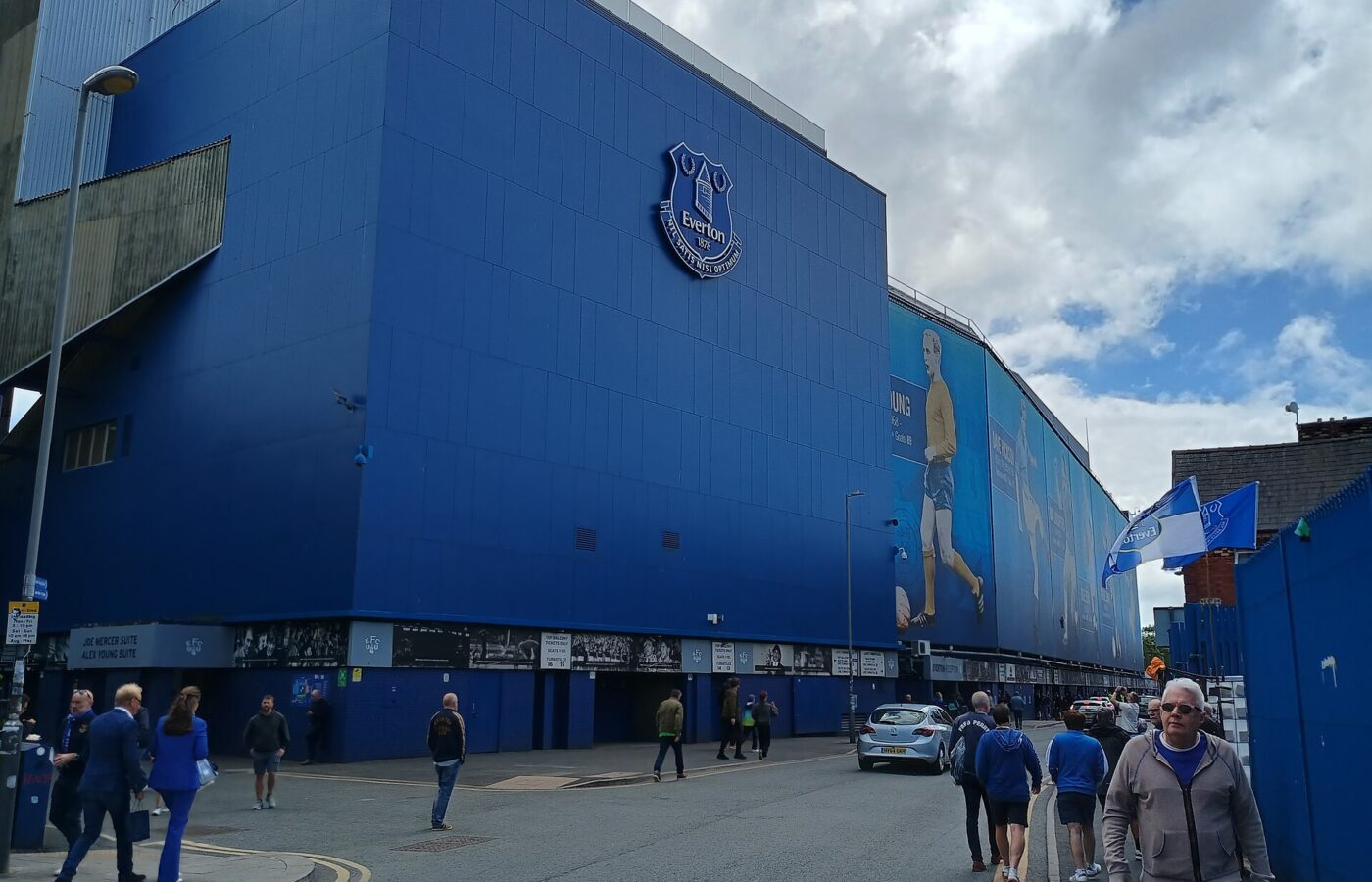
For more than a century, Goodison Park was Everton’s home. In 2025, the men’s team moved to their new stadium at Bramley-Moore Dock on the river, which holds more than 52,000. Goodison did not close: from the 2025–26 season it became the home ground of Everton Women.
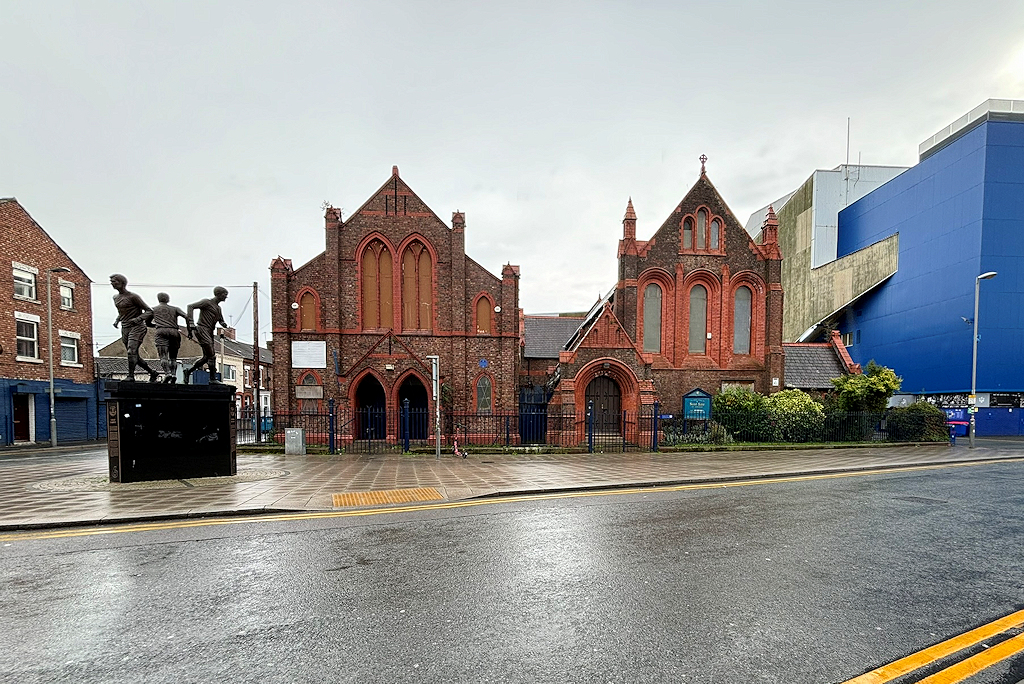
The old ground is still worth seeing from outside. Its most famous quirk is St Luke’s Church on Goodison Road, which sticks into the corner of the site between two stands. A mission hall stood on the spot before the ground opened in 1892, and the present church was begun in 1899. Check Everton’s own site for Everton Women fixtures and any tours.
Everton’s new stadium is down on the waterfront at Bramley-Moore Dock, a short walk from Stanley Dock and its Tobacco Warehouse. Our Everton stadium tour guide and Stanley Dock guide cover the docks end of north Liverpool.
Stanley Park and the Isla Gladstone Conservatory
Between the two grounds lies Stanley Park, 111 acres of Victorian park designed by Edward Kemp and opened in 1870. It has a lake, wide lawns, avenues of trees and, on match days, a river of fans flowing across it in both directions. On any other day it is a big, quiet park with views of both stadiums, and a good place to understand how close the two clubs really are.
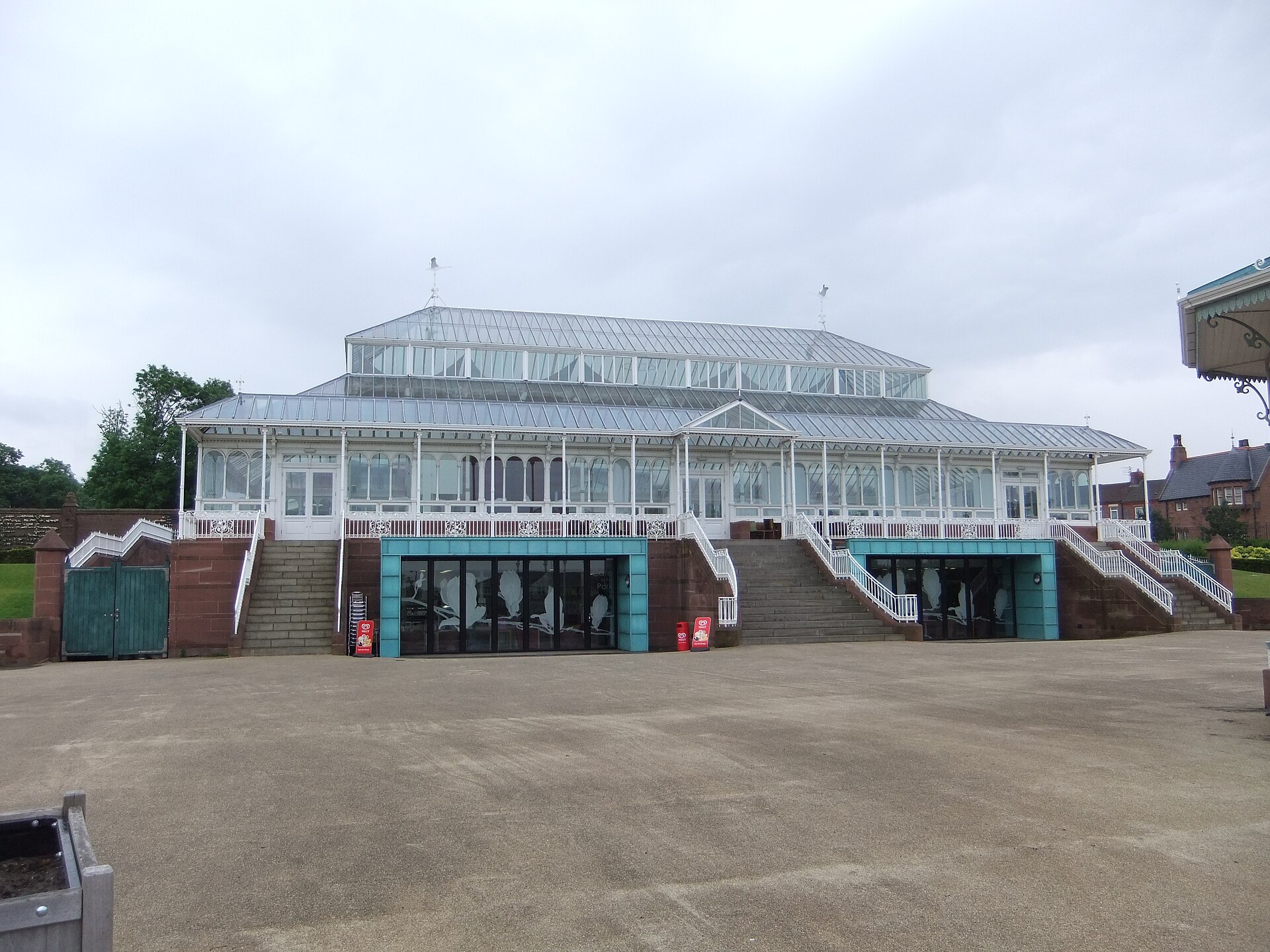
The park’s centrepiece is the Isla Gladstone Conservatory, a white Victorian glasshouse that was restored and is now run mainly as an events and wedding venue. It advertises a café in the park, but opening arrangements vary with its events, so check the venue’s own site or ring 0151 263 0363 before planning a visit round it. Either way, the building is a fine sight from the outside, and the park round it is open to everyone.
The park is a pleasant walk in daylight. As in any large city park, take the usual care after dark. Our parks and gardens guide compares Stanley Park with Sefton Park and the city’s other green spaces.
Anfield Cemetery
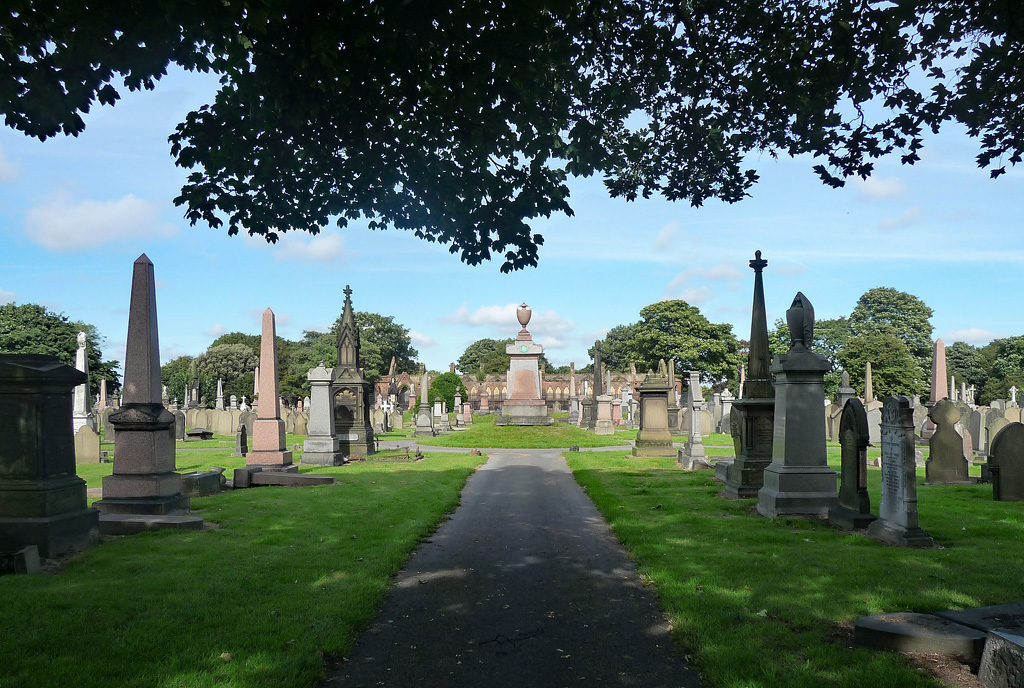
Across Walton Lane from Stanley Park, Anfield Cemetery is a large Victorian cemetery. Like the park, it was laid out by Edward Kemp; it opened in 1863, covers roughly 110 acres and is Grade II* listed. Long avenues of trees, Gothic chapels and rows of carved headstones make it a remarkable place for a quiet walk.
Film fans may recognise it: The Batman used the cemetery in its closing scenes. Our guide to films shot in Liverpool has more. This is a working cemetery, so be respectful, keep to the paths and check Liverpool City Council’s pages for gate opening times before you go.
Everton Brow: A Great View in North Liverpool
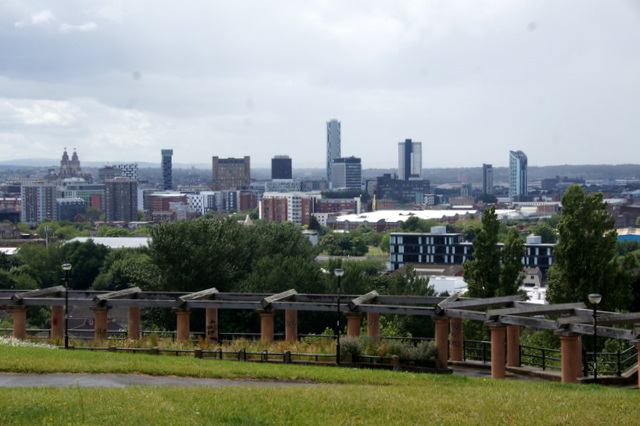
If you only do one thing in this guide that does not involve football, make it this. Everton Brow, the hill above the city centre, is a superb free viewpoint. From the grassy slopes of Everton Park, the whole city is laid out below: the two cathedrals, the towers of the business district, the Liver Building and the river beyond.
On the Brow stands the Everton Lock-Up, also called Prince Rupert’s Tower: a small round stone building with a pointed roof, opened in 1787 as a village lock-up for drunks and petty criminals. It is Grade II listed, and it is one of two surviving Georgian lock-ups in Liverpool (the other is in Wavertree). It is also the building on Everton Football Club’s crest, which makes it a small pilgrimage for Evertonians.
Nearby on St Domingo Road stands the old Everton Library, a handsome red-brick building of 1896 by Thomas Shelmerdine. It closed as a library in 1999 and still stands empty while the council carries out surveys and repairs, so you can only admire it from the street.
Where to Eat and Drink
North Liverpool is not a dining destination, and on non-match days the choice round the stadiums is limited. But there are a few places worth knowing about.
Homebaked
Opposite Anfield on Oakfield Road (197–199 Oakfield Road, L4 0UF), Homebaked is a community-owned bakery: a co-operative that revived the local bakery, run alongside Two Up Two Down (formerly the Homebaked Community Land Trust), which lets local people buy and manage buildings together. Its pies, including one made to a recipe from Bill Shankly’s granddaughter, are a match-day institution, and the bakery runs as a social enterprise for local jobs, affordable food and training. Opening hours vary, so check Homebaked’s own channels before you go. If you want to support something genuinely local on a visit to Anfield, this is it.
The pubs
- The Albert, on Walton Breck Road beside the Kop, is a famous match-day pub at Anfield, its walls covered in scarves and shirts. On match days it is packed long before kick-off.
- The Sandon, on Oakfield Road, is the pub John Houlding owned, with a place in the founding story of both clubs. Today it is part of a larger complex that Liverpool FC lists among its off-site match-day hospitality venues.
On match days, pubs near the ground can operate home-fans-only policies or fill up hours early. Our football pubs guide covers the best options, near the stadium and in town.
A Half-Day Route Through North Liverpool
This walk links the main sights on a non-match day. Use a map app for the walking legs, and wear comfortable shoes: the area is hilly in places.
- Everton Brow. Start with the view from Everton Park and the lock-up. It is a short bus or taxi ride from the city centre.
- Anfield. Head to the stadium for the tour and museum (book ahead) or a walk round the outside.
- Homebaked. A pie and a cup of tea opposite the stadium, if it is open.
- Stanley Park. Walk across the park, past the lake and the Isla Gladstone Conservatory.
- Goodison Park and St Luke’s. On the far side of the park, see the old ground and the church in its corner.
- Anfield Cemetery. Finish with a quiet walk among the Victorian monuments on Walton Lane, then take the bus back to town.
If you have more time, take a taxi down the hill to Bramley-Moore Dock to see Everton’s new stadium from outside, and walk on to Stanley Dock.
Down the Hill: Bramley-Moore Dock and the Northern Docks
The story of north Liverpool does not stop at the top of the hill. Head down towards the river and you reach the northern docks, where Everton’s new stadium now stands on Bramley-Moore Dock. It is a striking building from the outside, and the walk along the dock road is one of the best ways to see how the city’s old port is being reused.
A short walk south, Stanley Dock has the vast Tobacco Warehouse, finished in 1901 and built with 27 million bricks, and the North Warehouse opposite, now the Titanic Hotel. The Leeds and Liverpool Canal drops into the dock through a flight of four locks. It is a very different landscape from the terraces of Anfield, and a good contrast in the same afternoon. Our Stanley Dock guide covers the walk from the Pier Head.
Visiting on a Match Day Without a Ticket
You do not need a ticket to feel the match-day atmosphere, and plenty of visitors come just for that. A few tips if you are one of them.
- Arrive early. The build-up is the best part for non-ticket holders. Two or three hours before kick-off, the streets round the stadium are full of fans, flags and music.
- Pick your pub carefully. Pubs near the ground fill up hours before kick-off, and some operate home-fans-only policies. If you want to watch the game, a pub in the city centre that shows football is often easier than one by the stadium.
- Leave before the end, or stay put. When the match finishes, tens of thousands of people leave at once, and the buses and roads clog for an hour or more.
- Respect the memorials. The Hillsborough memorial outside Anfield is a place of remembrance, not a backdrop for photos.
- Wear neutral colours on a derby day.
Match Days
On a match day, north Liverpool is transformed. The streets fill hours before kick-off, the pubs overflow, roads close and buses fill up. If that is what you have come for, it is a memorable football experience. If it is not, avoid the area from a few hours before kick-off until well after the final whistle, and plan your sightseeing for another day. Check both clubs’ fixture lists before you fix your plans; kick-off times often move for television.
Our football tourism guide covers tickets, tours and the match-day experience at both clubs, and the Merseyside derby guide covers the local derby.
Where to Stay
For most visitors, staying in the city centre and taking the bus to Anfield is the easiest option: you get the restaurants, bars and waterfront in the evening, and the stadium is a short ride away. If you want to be within walking distance of the ground on a match day, there are guest houses and small hotels in the streets round Anfield, and they book up quickly for big games. Our hotels near Anfield guide compares the options, and our best areas to stay guide covers the rest of the city.
Is It Worth Visiting Beyond the Stadium?
For football fans, yes: the Anfield tour, a walk across Stanley Park and a look at Goodison Park and St Luke’s give you the whole story of the city’s two clubs in a few hours. Add a pie from Homebaked and you have a very good half day.
For visitors with no interest in football, the case is narrower but still real. The view from Everton Brow is a highlight, Anfield Cemetery is a remarkable Victorian landscape, and Stanley Park is a fine park. None of them will fill a day on their own, but together they show a side of Liverpool you won’t find on the waterfront. Anfield and Everton are among the districts in our guide to Liverpool’s neighbourhoods.
Frequently Asked Questions
Is Anfield worth visiting on a non-match day?
Yes. The stadium tour and museum run on non-match days (check dates when you book), with an adult tour at £26 pre-booked (child £17), and you can combine them with Stanley Park, Goodison Park, Anfield Cemetery and the view from Everton Brow.
What is near Anfield stadium?
Stanley Park and the Isla Gladstone Conservatory, Goodison Park and St Luke’s Church, Anfield Cemetery, the Homebaked community bakery on Oakfield Road, and pubs including The Albert and The Sandon.
Where did Everton move to?
Everton’s men’s team moved in 2025 to a new stadium at Bramley-Moore Dock on the river, north of the city centre. Goodison Park is now home to Everton Women.
Is Goodison Park still used?
Yes. Since the 2025–26 season it has been the home ground of Everton Women.
How do I get to Anfield from Liverpool city centre?
Take the 26 from Liverpool ONE or the 17 from Queen Square. On match days Stagecoach also runs the 917 express from Commutation Row, though many fans walk.
Where is a good view of Liverpool from north Liverpool?
Everton Brow, in Everton Park, beside the 1787 lock-up that appears on Everton’s crest. The whole city centre and the river are laid out below.
Is Stanley Park safe?
It is a busy public park and a pleasant walk in daylight. As in any large city park, take the usual care after dark, and expect big crowds crossing it on match days.
Related Liverpool Guides
- Liverpool Neighbourhoods & Districts
- Anfield Stadium Tour
- Everton Stadium Tour
- Liverpool Football Tourism
- Liverpool Football Pubs
- Hotels Near Anfield
- Liverpool Parks and Gardens
Photo Credits
Goodison Park on a match day: Big Blue (54494307704) by Pete from Liverpool, UK, CC BY 2.0, via Wikimedia Commons.
St Luke’s Church, Goodison Road: The Church of St Luke the Evangelist, Goodison Road – geograph.org.uk – 7898833 by David Dixon, CC BY-SA 2.0, via Wikimedia Commons.
The Isla Gladstone Conservatory: Isla Gladstone Conservatory, Stanley Park, Liverpool (1) by Rept0n1x, CC BY-SA 3.0, via Wikimedia Commons.
Anfield Cemetery: Anfield Cemetery, Walton Lane, Liverpool – geograph.org.uk – 7690869 by Stephen Richards, CC BY-SA 2.0, via Wikimedia Commons.
The skyline from Everton Brow: Liverpool skyline from Everton Brow – geograph.org.uk – 4559528 by Mike Pennington, CC BY-SA 2.0, via Wikimedia Commons.