This article contains advertising. Our booking links are routed through a partner that adds commission tracking automatically, so if you book through one we earn a commission from the provider, at no extra cost to you. It never affects what we recommend. Affiliate disclosure
Stand at the Pier Head on a weekday morning in October and you will see the city at its gentlest: a ferry nosing in to the landing stage, a coach party settling on to the benches by the Liver Building, and the long, level promenade running south past the Museum of Liverpool to the Royal Albert Dock. Very little of what most people come to see in this city is far from where you are standing, and almost none of it is uphill. That is the heart of the case for Liverpool for seniors, and for anyone who would rather see a city well than see all of it: a compact centre, big free museums, a river you can tour from a seat, and plenty of places to stop for tea.
This guide covers how to plan a slower trip: which areas are flat and which are steep, the seated ways to sightsee, where concessions apply and where they don’t, how the bus pass and railcards work here, museum opening days, and two- and three-day itineraries that keep the walking short. Prices and opening hours were checked on 9 October 2026 against the operators’ own sites; check again before you travel, especially in winter, when several timetables shrink.
Liverpool at a Gentle Pace: At a Glance
| What | Cost (October 2026) | Good to know |
|---|---|---|
| Walker Art Gallery, World Museum, Museum of Liverpool | Free | Open daily, 10:00–17:00, until 1 November; check each museum’s website for opening days after that |
| Mersey Ferries River Explorer cruise | £14 adult, £12.50 over-60s | 50 minutes, seated, step-free on the main deck, accessible toilet on board |
| City Explorer open-top bus | £15 adult, £13 seniors (with ID) | Ticket valid 24 hours. No tours from 30 November 2026 to 31 January 2027 |
| British Music Experience | £20 adult online, £19 concession | Daily 10:00–17:00, last entry 16:00 |
| Western Approaches | £16.50 adult | Daily 10:00–18:00; no over-60s rate listed |
| Liverpool Cathedral | Free entry | Tower: two lifts, then 108 stairs. Bistro on site |
| Senior Railcard | £35 a year, £80 for three years | A third off most rail fares, age 60+ |
| Older person’s bus pass (England) | Free | Valid on Merseyside buses; not on Merseyrail or the ferries if issued elsewhere |
Why Liverpool Suits a Slower Trip
Three things make Liverpool a good choice for anyone who tires quickly or does not want to spend the day on foot.
It is compact. The waterfront, the shopping streets, the main museums and the theatres sit close together. The distances are short enough that the question is rarely how far, but how steep, and that is a much easier thing to plan round.
The big museums are free. The Walker Art Gallery, the World Museum and the Museum of Liverpool cost nothing to enter. That changes how you can use them: drop in for an hour, sit down in a gallery, have a coffee, leave when you have had enough, and come back the next day if you like. There is no pressure to get your money’s worth.
The transport is unusually easy. Lime Street station is step-free with lifts. Merseyrail’s newer trains have level boarding, so there is no step between platform and train, and the ferries are step-free on their main decks. For the full detail, our accessible and inclusive Liverpool guide goes station by station and venue by venue.
The Lie of the Land: Flat and Steep
Liverpool rises from the river. The waterfront is flat; the city climbs steadily away from it to the east. Knowing which is which saves more energy than anything else in this guide.
The flat zone
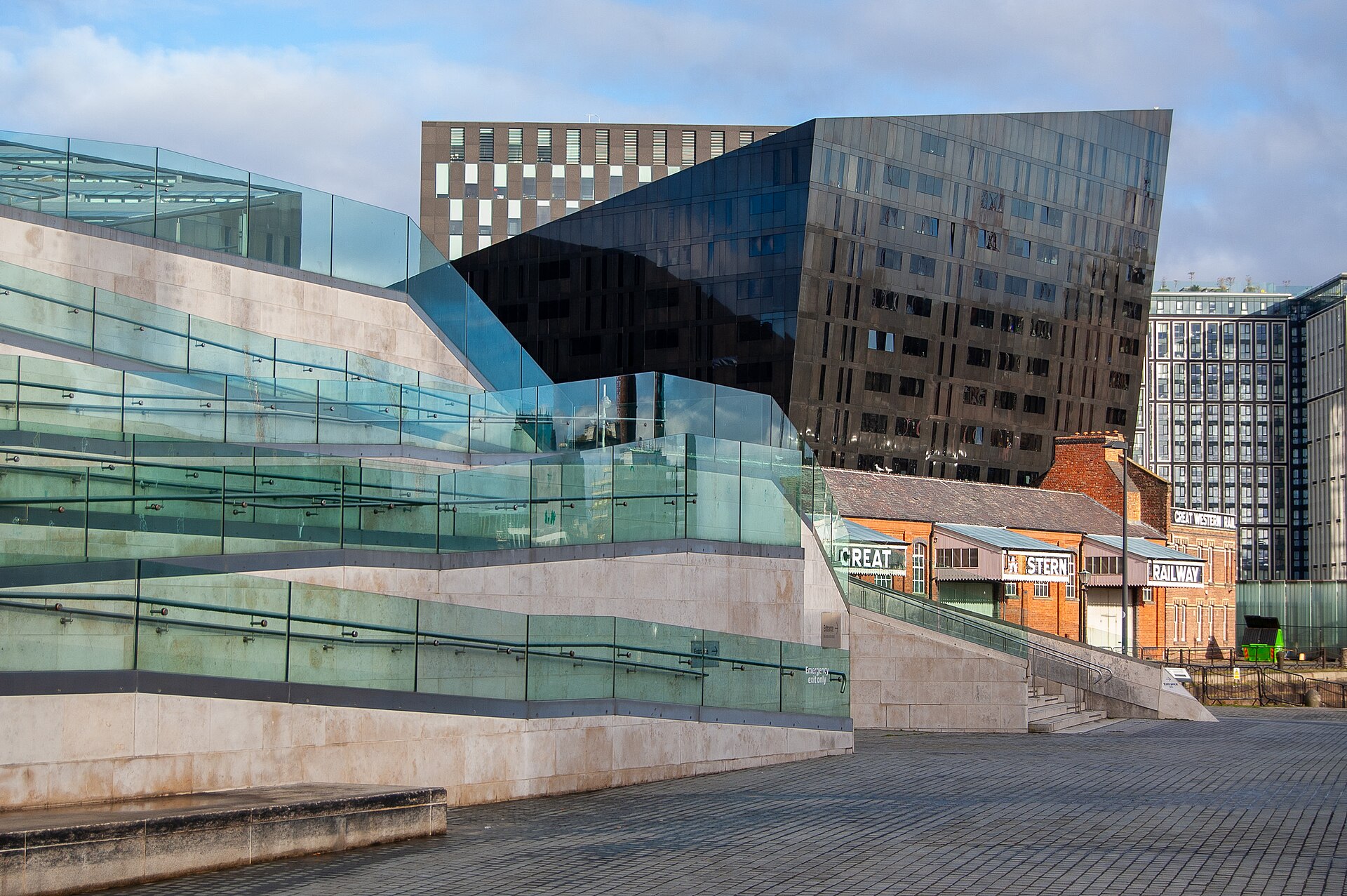
- The waterfront, from the Pier Head past the Museum of Liverpool to the Royal Albert Dock. Wide, level paving, with benches and the river on one side.
- The Royal Albert Dock itself. Broad walkways round the water, ramps between levels, and while some original cobbles survive, there are smooth paving slabs down the middle of the walkway.
- Liverpool ONE, the open-air shopping district behind the dock, with escalators and lifts between levels and plenty of places to sit.
The climbs
- Bold Street and the Ropewalks rise steadily from the shopping district towards St Luke’s church.
- Hope Street, linking the two cathedrals, sits on top of the ridge. Getting there on foot from the centre means a long uphill walk.
- William Brown Street, home to the Walker and the World Museum, rises gently from Lime Street; the museums themselves are on the slope, but the entrances are close to the bus stops.
The simple rule: walk the waterfront, ride to the cathedrals. A taxi from the city centre up to Hope Street is a short ride and saves a long, steep climb. Liverpool Cathedral says buses 82 and 86 stop nearby, and its own estimate for walking from Lime Street or Central station is about 30 minutes, which is a long walk uphill. Our getting around guide covers taxis and buses.
Sightseeing From a Seat
You can see a great deal of Liverpool without walking more than a few hundred yards. These are the best ways to do it.
The Mersey Ferry River Explorer cruise
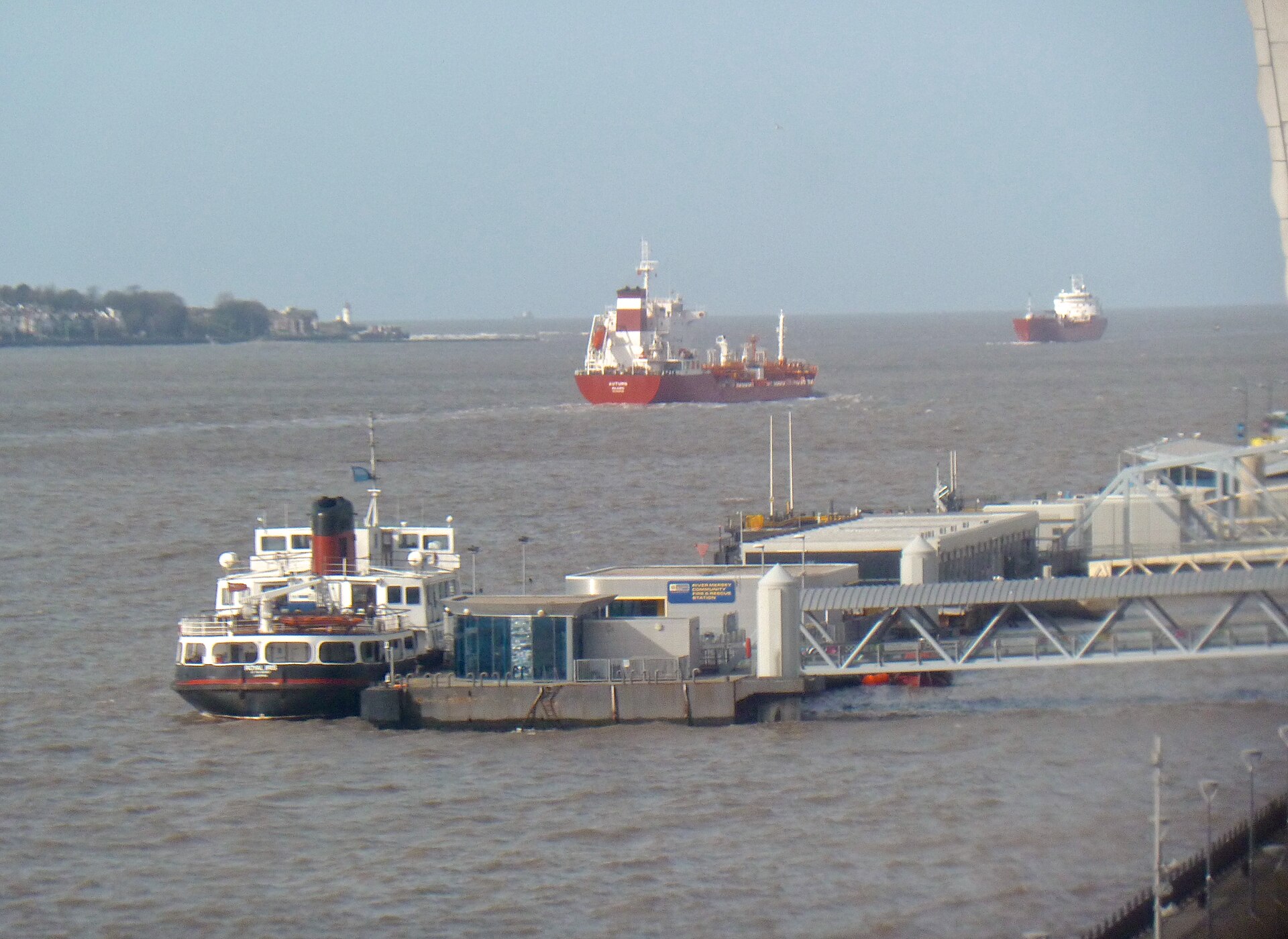
If you only do one thing in Liverpool, make it this. The River Explorer is a 50-minute round trip from the Pier Head across the Mersey and back, with the whole waterfront laid out in front of you. Adults pay £14 and over-60s pay a concession fare of £12.50. The main decks of both ferries are fully accessible, with an accessible toilet, and drinks and snacks are on sale on board. A free audio guide is available by scanning a QR code; bring headphones.
Sailings leave the Pier Head hourly on the hour. On weekdays they run from 10:00 to 16:00. On weekends and bank holidays, from 7 November 2026 to 7 February 2027, the times are 10:00 to 15:00, so check the timetable before you plan a winter afternoon round it. You can also hop off at Seacombe on the Wirral side.
One thing that catches visitors out: a Merseyside concessionary pass covers a crossing of the river on the ferry but not the full 50-minute cruise, and a pass issued outside Merseyside is not valid on the ferries at all. For the cruise, buy a ticket. The concession fare is worth asking for; bring proof of age. Our Mersey Ferry guide has more on the route and the views.
The City Explorer open-top bus
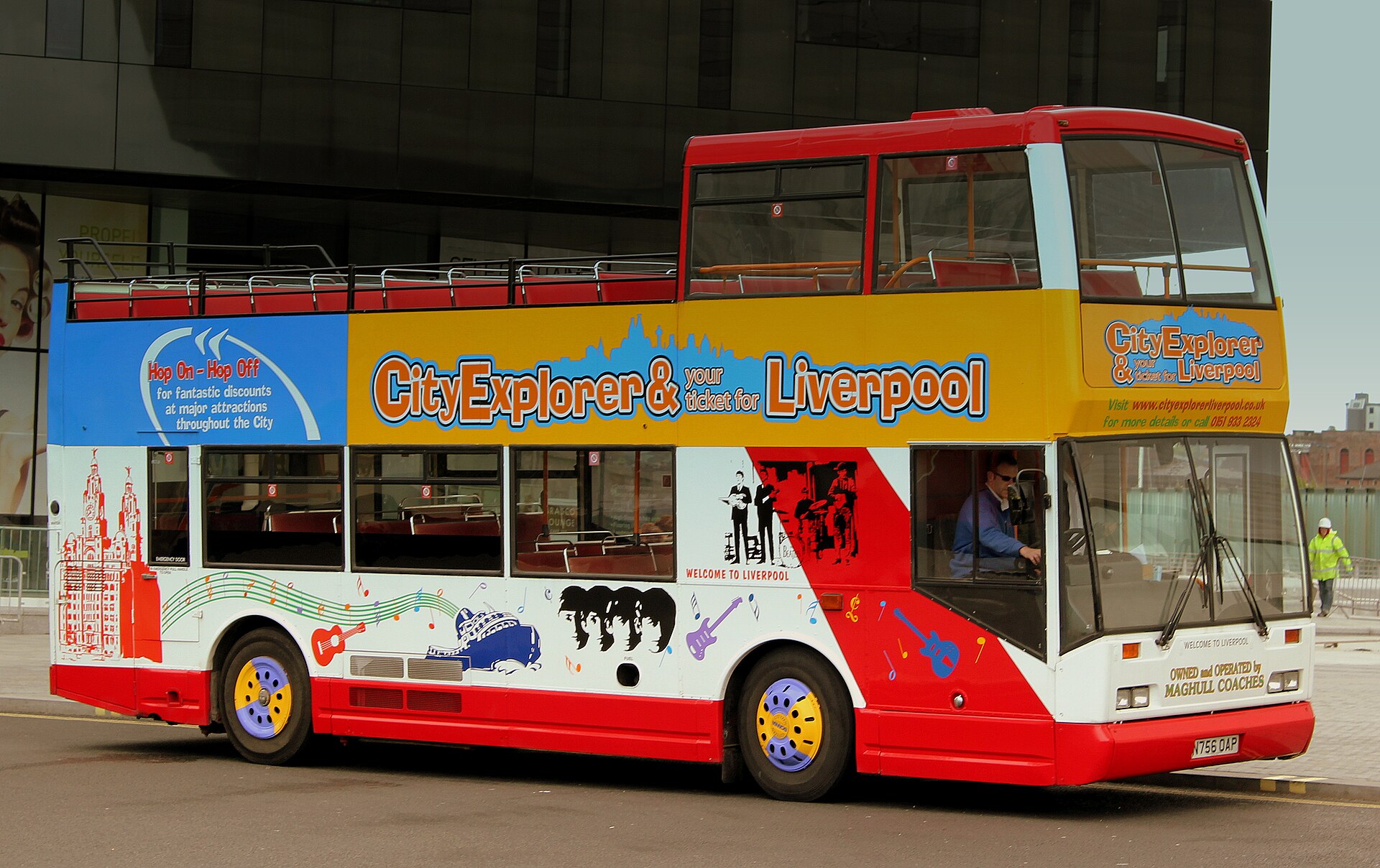
Hop-on hop-off buses are made for a gentle trip: you sit down, the city comes to you, and you get off only where you want to. Liverpool’s City Explorer starts at the Royal Albert Dock and calls at 11 stops round the city. Tickets cost £15 for adults and £13 for seniors with ID, and a ticket is valid for 24 hours, so you can spread it over two half days. The operator says all its vehicles are wheelchair friendly; ring 0151 933 2324 to ask about access on a particular day.
In autumn and winter it runs a shorter day: from 28 September 2026 to 28 March 2027 the first tour leaves the dock at 10:00 and the last at 15:00, every 30 minutes (hourly after 14:00 on weekdays until 29 November). There are no tours at all from 30 November 2026 to 31 January 2027, so do not plan a December trip round it. On a cold day, ride downstairs; the top deck is open.
The Magical Mystery Tour
The Magical Mystery Tour is a well-known Beatles bus tour, a two-hour coach trip that starts at the Royal Albert Dock and finishes at the Cavern Club, driving past the childhood homes, Penny Lane and Strawberry Field with a guide and the music playing. For Beatles fans who don’t want to walk between sites miles apart, it does the job well. Check the current price and timings with the operator before you book, and ask how many times you will need to get off and on. Our Magical Mystery Tour review covers what you see and what you only see from the window.
Concessions: Where You Pay Less, and Where You Don’t
The big free museums make Liverpool cheap to start with. On the paid attractions, concessions are patchy, and the age they start at varies. Always carry proof of age, and always ask, because a concession is often available but not advertised at the till.
| Attraction | Standard | Concession (October 2026) |
|---|---|---|
| Mersey Ferries River Explorer | £14 | £12.50 for over-60s |
| City Explorer bus | £15 | £13 for seniors with ID |
| British Music Experience | £20 online (£22 on the door) | £19 online (£21 on the door) |
| Western Approaches | £16.50 | No over-60s rate listed |
| The Beatles Story | Check beatlesstory.com | Concession tickets offered; check the price |
| Liverpool Cathedral Tower | Check the cathedral’s site | A concession price is listed |
| Anfield stadium tour | £26 adult, £21 senior or student, £17 child (pre-booked) | Check the club’s booking page |
| Walker, World Museum, Museum of Liverpool | Free | Free |
The honest verdict: with a free-museum day, the ferry and an afternoon tea, two older visitors can have three full days in Liverpool and spend most of their money on food. The attractions that charge are worth it if they suit your interests, but a city pass that bundles them rarely pays back at a gentle pace, because you will not cram in enough paid sights to cover its price. Our guide to whether the Liverpool pass is worth it does the maths.
Bus Passes, Railcards and Getting Here
The older person’s bus pass
If you live in England and hold the free older person’s bus pass, you can use it on local buses in Merseyside. A pass issued outside Merseyside covers buses only: it is not valid on Merseyrail trains or on the Mersey Ferries cruise. On weekdays the national pass is valid from 09:30 to 23:00, and all day at weekends and on bank holidays. Merseyside residents have their own pass with wider rights, including Merseyrail; if you are visiting from elsewhere, check Merseytravel’s concessions pages before you travel, as the rules are set locally.
For a visitor, the bus pass is most useful for the trip up to the cathedrals and out to the parks. Within the waterfront and city centre, the distances are short enough that you will rarely need it.
The Senior Railcard
If you are 60 or over and coming by train, the Senior Railcard costs £35 for a year or £80 for three years and takes a third off most rail fares, subject to minimum fares and time restrictions. On a return trip to Liverpool from London or the south it can pay for itself on a single long-distance return, depending on your fare. Our guide to getting to Liverpool covers the train routes.
Arriving at Lime Street
Lime Street is step-free, with lifts, and has a Changing Places toilet. From the station, the hotels round Lime Street and the William Brown Street museums are a short level-to-gentle walk, while the waterfront is downhill (and a taxi back up). Ask your hotel how far it is from the station before you book, and whether it has a lift.
Museum Opening Days
Opening days are easy to get wrong on a short trip. The Walker Art Gallery, the World Museum and the Museum of Liverpool are all open every day from 10:00 to 17:00 until 1 November, and their opening days after that can differ, so check each museum’s website before you plan around a particular day. For any day a museum is shut, use it for things that open every day: the ferry, the City Explorer bus (outside its winter break), the British Music Experience in the Cunard Building, or Western Approaches, the wartime command bunker on Rumford Street.
Two waterfront museums that older guides still list are also closed. The Merseyside Maritime Museum and the International Slavery Museum, in the same Albert Dock building, closed in January 2025 for a major redevelopment; check National Museums Liverpool for the reopening date. Tate Liverpool’s Albert Dock building is closed for redevelopment too, with the collection shown temporarily at RIBA North on Mann Island. The free museum to head for on the waterfront is the Museum of Liverpool.
Museums Worth Your Energy
Walker Art Gallery
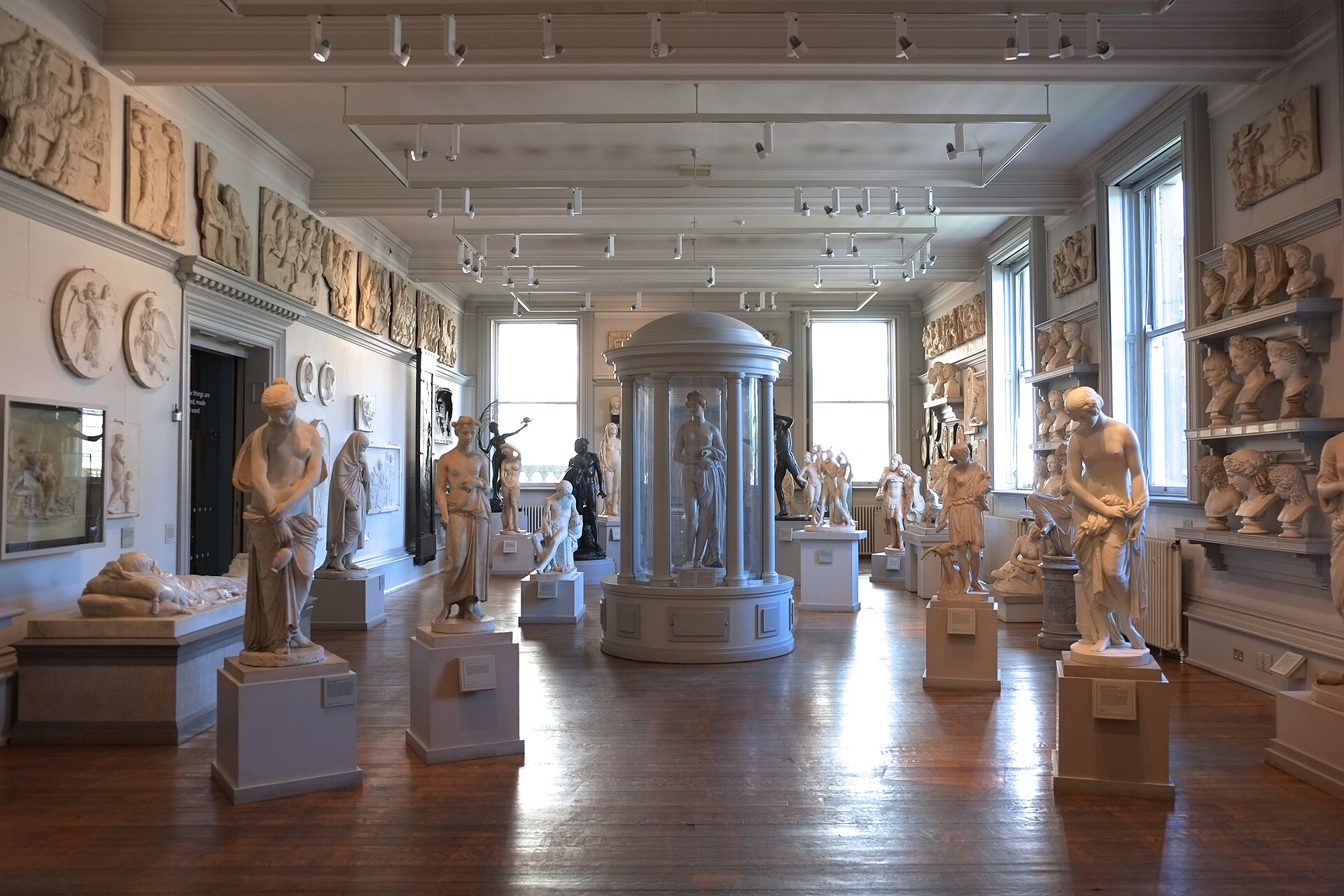
The Walker on William Brown Street holds a major collection of paintings and sculpture, and it is a calm, spacious place to spend a morning. Galleries are on two floors, with lifts. Do not try to see everything: pick a few rooms, sit down in front of the paintings you like, and finish in the café. It is free. See our Walker Art Gallery guide.
World Museum
A few doors along William Brown Street, the World Museum covers natural history, ancient Egypt, space and more over several floors, with lifts throughout. It is larger and busier than the Walker, especially in school holidays, so go early on a weekday in term time. Our World Museum guide has the floor-by-floor highlights.
Museum of Liverpool
On the waterfront at the Pier Head, the Museum of Liverpool tells the city’s own story: the docks, the people, the football, the music. It is built with wide galleries, ramps and lifts, and has a Changing Places toilet. For many older visitors it is the most moving of the free museums, because so much of it is within living memory. See our Museum of Liverpool guide.
The cathedrals
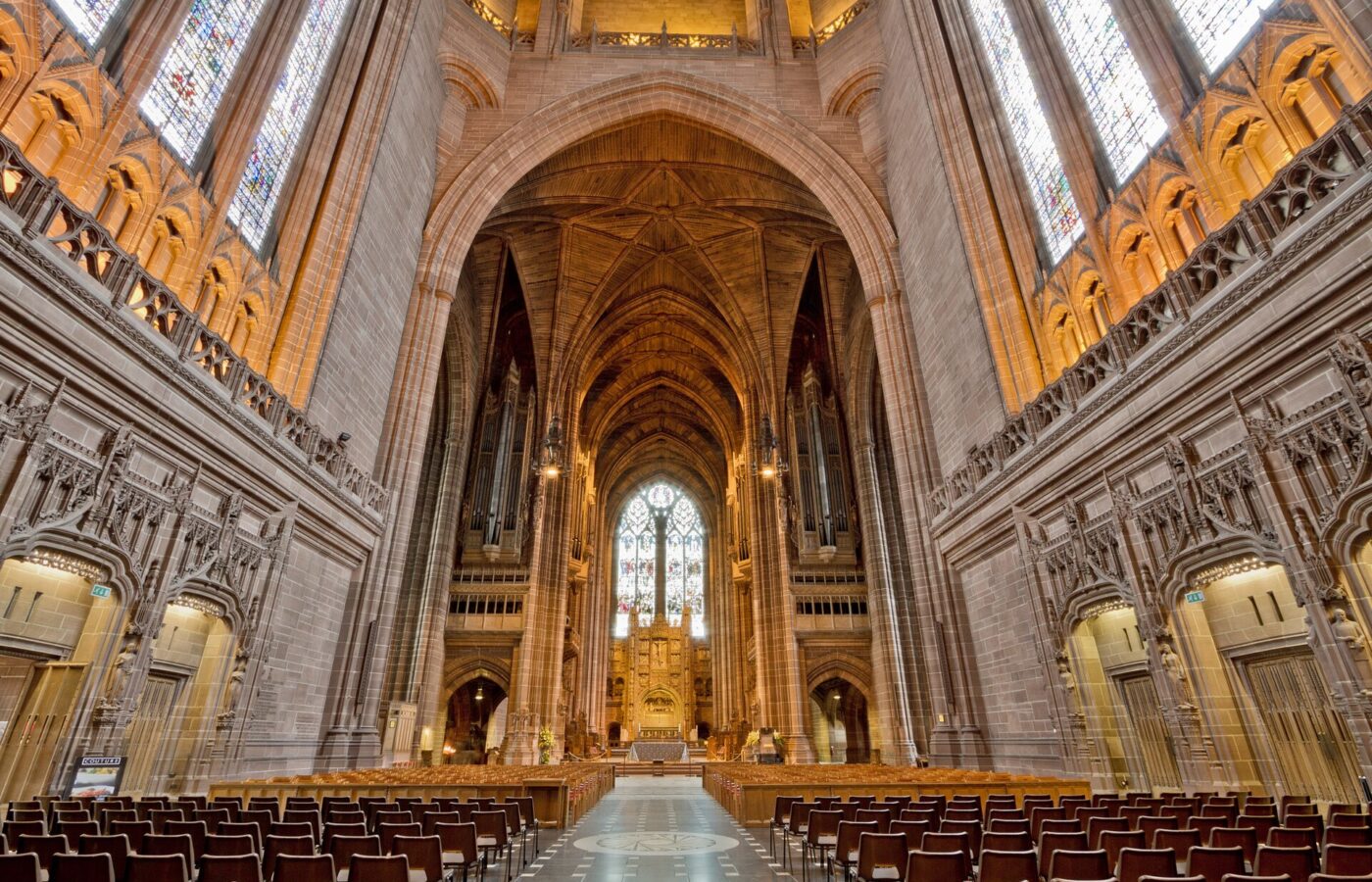
Both cathedrals are free to enter and both are spectacular. Liverpool Cathedral, the Anglican one, is enormous inside and has the Welsford Bistro on site, which makes it an easy place to spend a couple of hours. Its Tower Experience starts with two lifts but then has 108 stairs, so it is not for everyone. The Metropolitan Cathedral, at the other end of Hope Street, is a circular modern building with chapels round the edge and an underground car park. Take a taxi up and walk the short length of Hope Street between them. Our Liverpool Cathedral guide covers the visit.
Rest Stops: Tea, Lunch and a Matinee
A slower trip lives or dies on its rest stops. Plan them in rather than hoping to find somewhere when you are tired.
- Museum cafés. The Walker, the World Museum and the Museum of Liverpool all have cafés, which means you can sit down without leaving the building.
- The Royal Albert Dock. Restaurants and cafés with indoor seating line the dock, a short level walk from the ferry and the City Explorer stop.
- Afternoon tea. Several hotels and tearooms in the city serve a proper afternoon tea, which doubles as an early dinner. Our afternoon tea guide lists the options.
- A theatre matinee. The Royal Court serves food at your seat, so lunch and the show come together. The Empire on Lime Street, a 2,381-seat theatre, runs touring musicals with matinees on some days. Our Empire guide explains which seats avoid the steepest stairs.
A Gentle Two-Day Itinerary
This plan keeps each day to one area, and puts a sit-down at the centre of every half day. Use a route planner on your phone for the walking legs if you want exact distances.
Day 1: The waterfront (any day of the week)
- Morning: the Mersey Ferry. Take the 10:00 or 11:00 River Explorer cruise from the Pier Head. Fifty minutes, seated, with the whole city to look at.
- Late morning: the Museum of Liverpool (check its website for opening days), a short level walk from the ferry terminal. Take the lift to the upper galleries and the view over the river.
- Lunch: the Royal Albert Dock. Walk south along the river to the dock and eat inside.
- Afternoon: your choice. The Beatles Story at the dock for fans, the City Explorer bus for a seated tour of the rest of the city, or a slow circuit of the dock and a coffee.
Day 2: Museums and a matinee
- Morning: the Walker Art Gallery on William Brown Street, a short walk from Lime Street. Coffee in the café.
- Late morning: the World Museum along the street, for an hour or two of whatever interests you most.
- Lunch: the museum café, or a short taxi to the Royal Court for food at your seat before a matinee.
- Afternoon: a matinee, or a taxi up to Liverpool Cathedral, tea in its bistro, and a taxi back.
Adding a third day
Use it for the cathedrals and Hope Street if you did not fit them in, or for a gentle half day at Sefton Park’s Palm House, a free Victorian glasshouse with a ramped entrance, level floors and a lift to the accessible toilet. Our two-day itinerary and three-day itinerary are faster-paced versions if you want more ideas.
Where to Stay
For a slower trip, the right hotel is one with a lift, close to the flat waterfront or to Lime Street. Staying near the Royal Albert Dock puts the ferry, the Museum of Liverpool and dozens of places to eat within a short level walk. Staying near Lime Street makes arrival and departure easy and puts the Walker and the World Museum close by. Ask before you book whether the hotel has a lift to every floor, whether there are steps at the entrance, and whether the room has a walk-in shower or a bath. Our guide to hotels near the Albert Dock is the best place to start.
When to Go
The quietest times are weekdays in school term, when the museums, ferry and dock are calm and you can usually find a seat. Avoid big football weekends and the Grand National in April if you want the city to yourself. Late spring and early autumn are the sweet spot: long enough days and mild weather. In winter, the ferry’s weekend cruises finish earlier, the City Explorer stops completely from 30 November to 31 January, and the waterfront can be cold and windy, so pack a warm layer for the river. Our weather and packing guide has the details.
Frequently Asked Questions
Is Liverpool good for elderly visitors?
Yes. The centre is compact, the waterfront is flat, the main museums are free and step-free, Lime Street station has lifts, and the Mersey Ferry and City Explorer bus let you sightsee from a seat. The main thing to plan round is the hill up to the cathedrals.
Is Liverpool hilly?
Partly. The waterfront, the Royal Albert Dock and Liverpool ONE are flat. The city rises to the east, and Bold Street and Hope Street, where the two cathedrals stand, involve a real climb. Take a taxi or bus up and walk back down.
Can I use my bus pass in Liverpool?
An English older person’s bus pass works on local buses in Merseyside, from 09:30 to 23:00 on weekdays and all day at weekends and on bank holidays. A pass issued outside Merseyside does not cover Merseyrail trains or the full Mersey Ferry cruise.
Do Liverpool attractions offer senior discounts?
Some do. The Mersey Ferries River Explorer has an over-60s fare of £12.50 and the City Explorer bus a senior fare of £13; the British Music Experience and the Beatles Story offer concessions. Western Approaches lists no over-60s rate. The main museums are free for everyone.
What is the best tour for someone with limited mobility?
The Mersey Ferry River Explorer cruise: 50 minutes, seated, step-free on the main deck with an accessible toilet. The City Explorer bus is the best land-based option, except from 30 November to 31 January, when it does not run.
Are the Liverpool museums open on Mondays?
The Walker Art Gallery, World Museum and Museum of Liverpool are open every day from 10:00 to 17:00 until 1 November; check each museum’s website for opening days after that. The British Music Experience and Western Approaches open every day.
Can you go up the tower at Liverpool Cathedral without stairs?
Not entirely. The Tower Experience starts with two lifts but finishes with 108 stairs. The cathedral itself is free to enter and has a bistro on site.
Related Liverpool Guides
- Accessible & Inclusive Liverpool
- Wheelchair-Accessible Liverpool
- The Mersey Ferry
- Free Museums in Liverpool
- Afternoon Tea in Liverpool
- Hotels Near the Albert Dock
- Getting Around Liverpool
Photo Credits
The nave of Liverpool Cathedral: Liverpool Anglican Cathedral (64928225) by Michael D Beckwith, CC0, via Wikimedia Commons.
A Mersey ferry leaving the landing stage: Departing Ferry – geograph.org.uk – 6088100 by Anthony O’Neil, CC BY-SA 2.0, via Wikimedia Commons.
The City Explorer bus at Mann Island: LIVERPOOL CITY EXPLORER OPEN TOP TOURBUS MANN ISLAND LIVERPOOL MAY 2013 (8740055871) by calflier001, CC BY-SA 2.0, via Wikimedia Commons.
The Walker Art Gallery’s sculpture gallery: Sculpture Gallery – geograph.org.uk – 6163335 by Anthony O’Neil, CC BY-SA 2.0, via Wikimedia Commons.
The ramped south approach to the Museum of Liverpool: Museum of Liverpool – South Ramp – geograph.org.uk – 7694498 by Oliver Mills, CC BY-SA 2.0, via Wikimedia Commons.
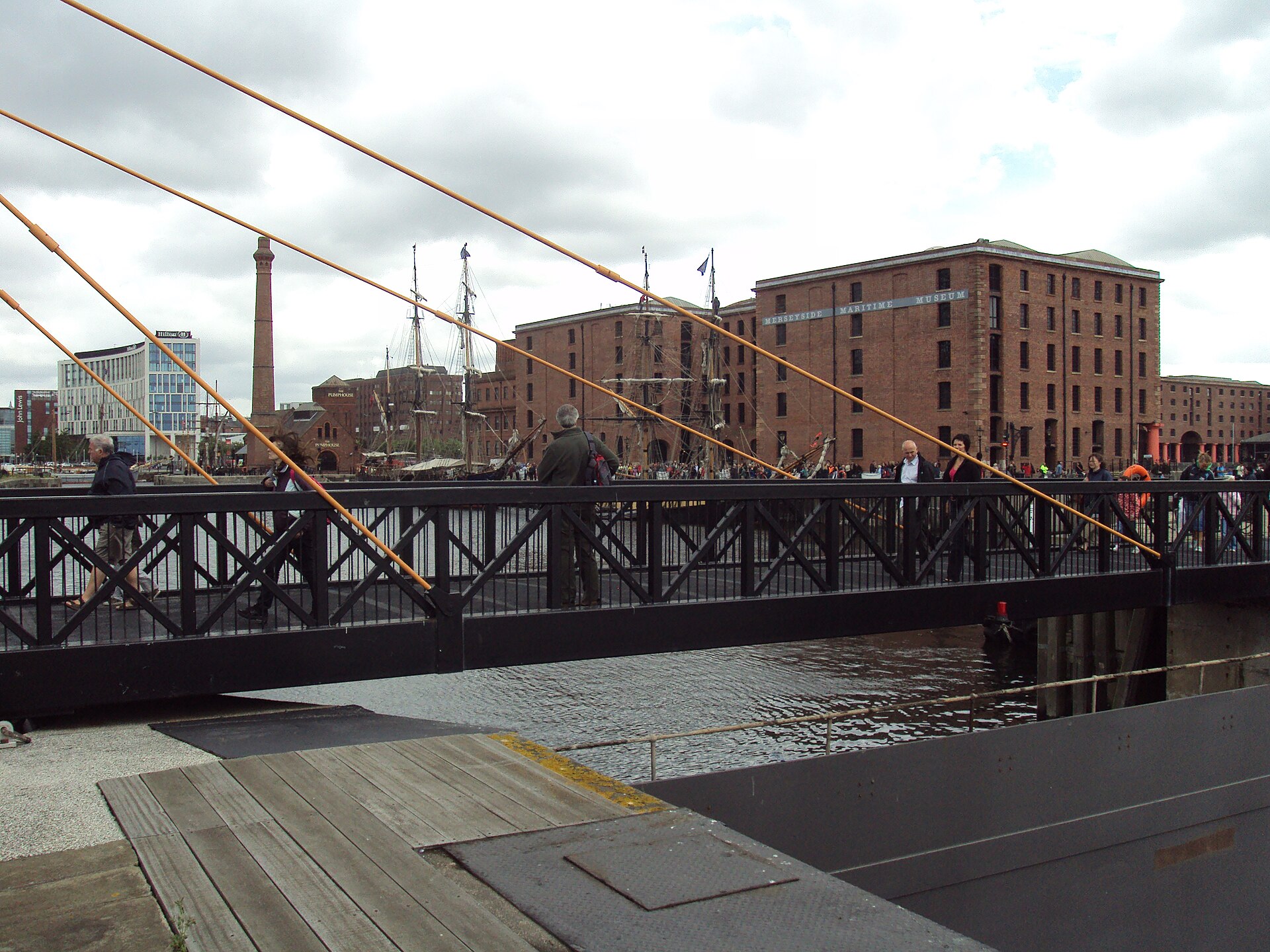
The level footbridge across Canning Dock: Bridge across Canning Dock, Liverpool – DSC06865 by Rept0n1x, CC BY-SA 3.0, via Wikimedia Commons.