This article contains advertising. Our booking links are routed through a partner that adds commission tracking automatically, so if you book through one we earn a commission from the provider, at no extra cost to you. It never affects what we recommend. Affiliate disclosure
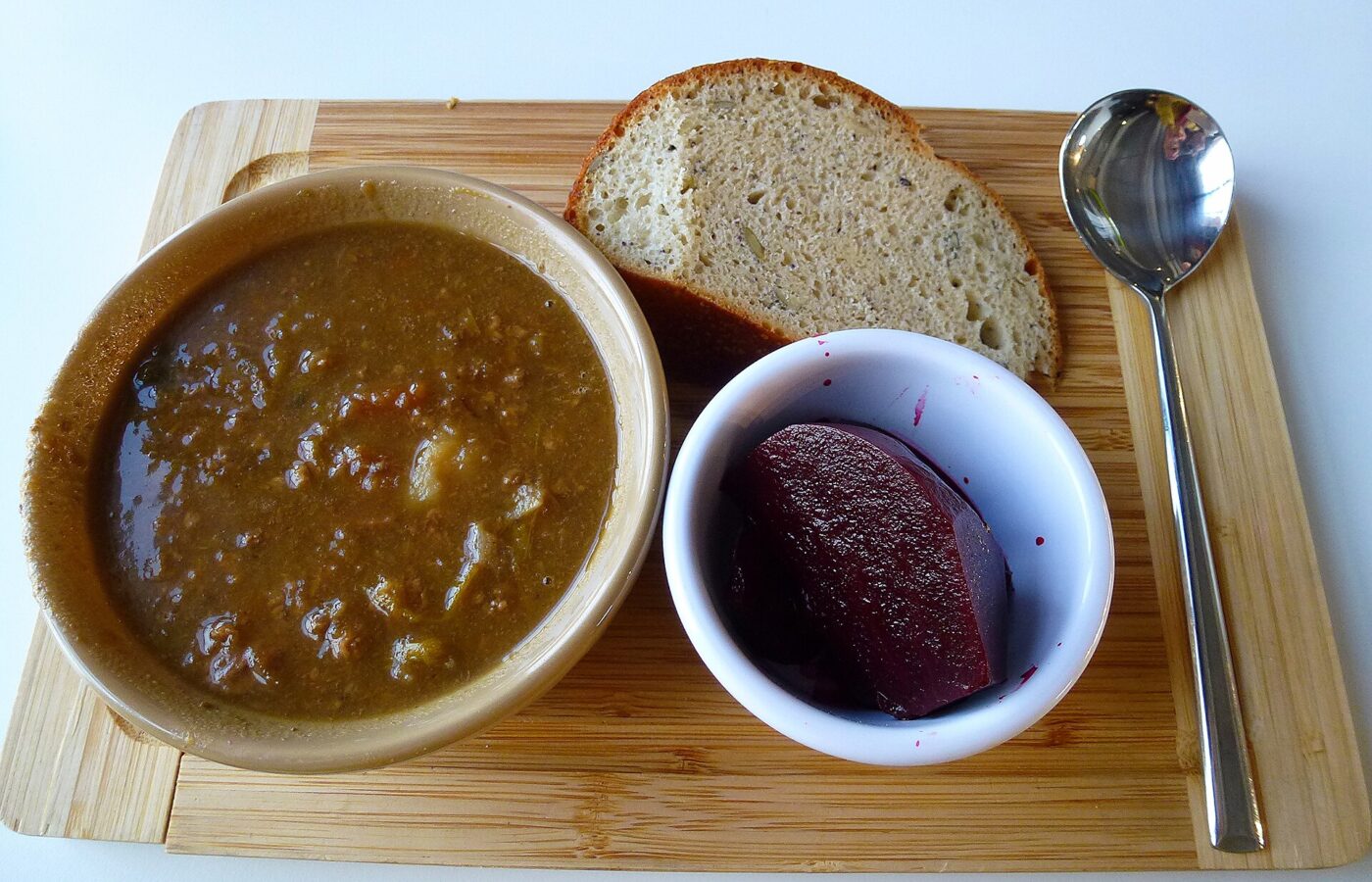
Ask ten people in Liverpool how to make scouse and you will get ten recipes, and at least one argument about whether it should be beef or lamb. What they will all agree on is that it is a stew of meat, potatoes, carrots and onions, cooked slowly until it thickens, eaten from a bowl with pickled red cabbage or beetroot and a slice of bread and butter. This guide to what is scouse food explains where the dish came from, how it gave Liverpool people their nickname, what blind scouse is, how locals eat it, and where you can still order a bowl in the city.
It covers the history, the ingredients and variations, the vegetarian version, and the pubs serving it now, with menu prices checked in October 2026 against the venues’ own pages. Menus change, some of them daily, so check before you make a special trip.
Scouse at a Glance
| The short answer | |
|---|---|
| What it is | A slow-cooked stew of beef or lamb with potatoes, carrots and onions |
| Served with | Pickled red cabbage or beetroot, and crusty bread and butter |
| Where the name comes from | Lobscouse, a stew eaten by sailors across northern Europe |
| Blind scouse | The meatless version, with more vegetables |
| Three meanings | The stew, a person from Liverpool, and the local accent and dialect |
| Where to try it | Pubs such as the Ship & Mitre and Ma Boyle’s; scouse pies at Homebaked in Anfield |
What Is Scouse?
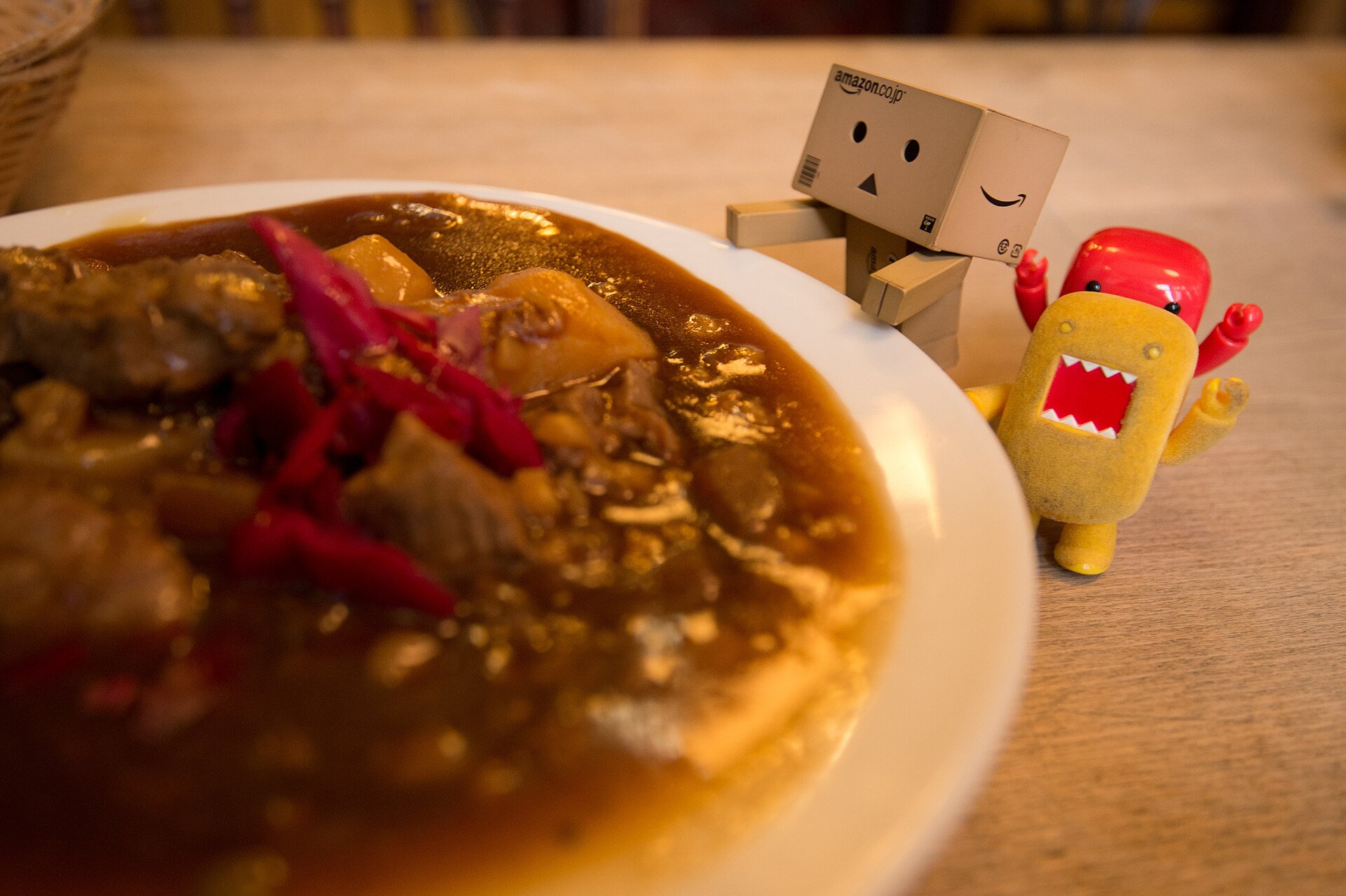
Scouse is a stew, and a very plain one. The usual base is beef or lamb, potatoes, carrots and onions, simmered for hours until the potatoes start to break down and thicken it. There is no single authentic recipe: some cooks use beef, some lamb, some both, and every family has its own idea of how thick it should be.
It is a dish of cheap ingredients and long cooking. National Museums Liverpool describes stew made from cheap cuts of meat as a staple of Liverpool’s working class, the kind of meal that stretched a small amount of meat to feed a big family.
How it is served
- Usually in a bowl, though some places serve it in a pie.
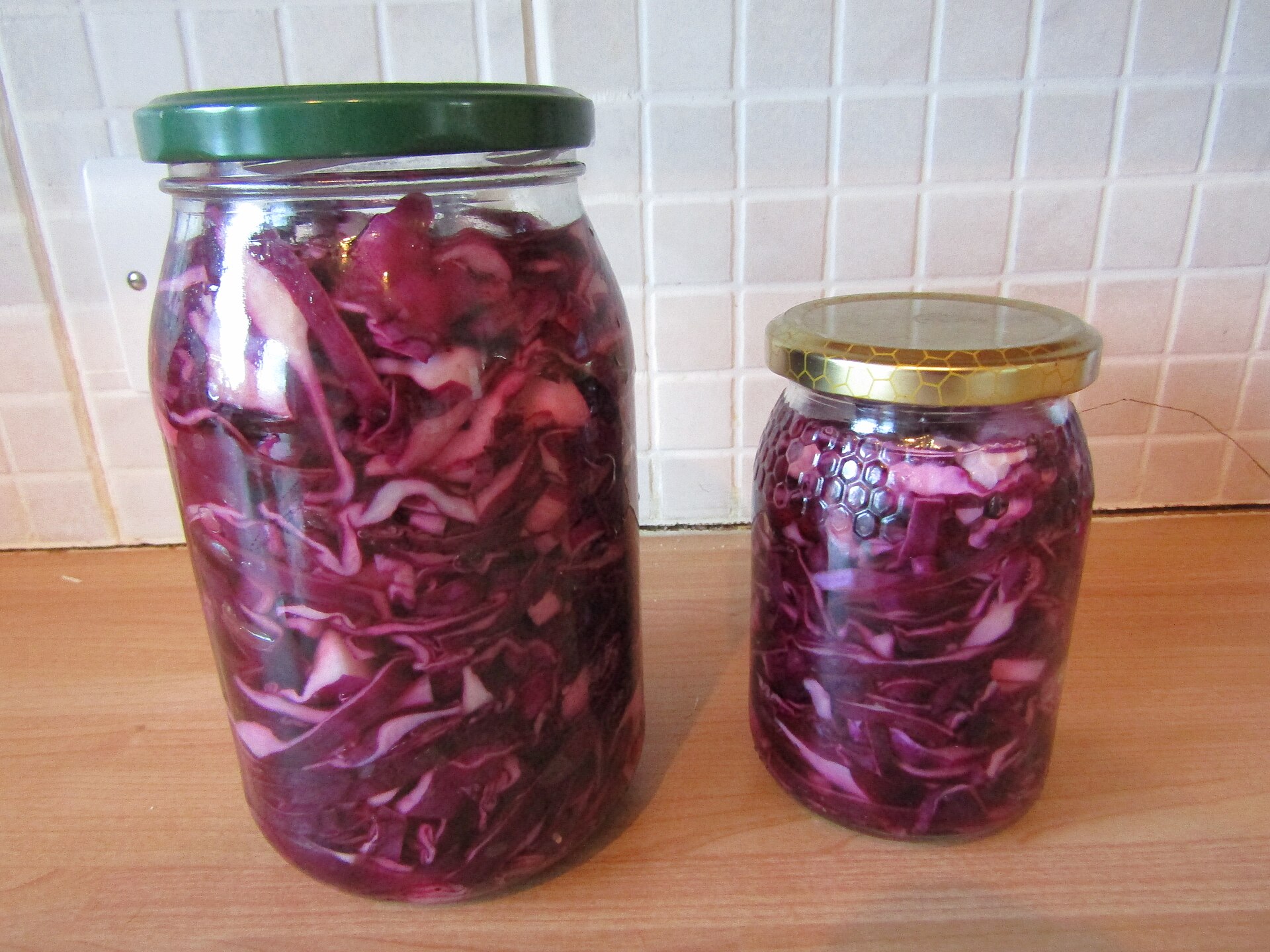
- With pickled red cabbage or pickled beetroot on the side or on top. The sharp vinegar cuts through the stew.
- With bread and butter, usually crusty, for mopping up.
Where Scouse Came From
The name comes from lobscouse, a stew eaten by sailors across northern Europe, many of whom came through Liverpool’s docks. National Museums Liverpool says lobscouse was introduced from Scandinavia and that it was first mentioned in 1706. That date is the first written mention of lobscouse, not the year scouse arrived in Liverpool.
Over time the dish became so closely tied to the city that its name passed to the people. National Museums Liverpool uses “scouse” in three senses: the stew, a person from Liverpool, and the city’s accent and dialect. When someone calls a Liverpudlian a Scouser, the word goes back to a bowl of sailors’ stew.
Blind Scouse
Blind scouse is scouse without the meat. National Museums Liverpool describes it as a version made by leaving out the lamb and adding more vegetables, and it was the version for weeks when there was no money for meat. Today it is the vegetarian option on many menus.
- Vegetarian, not automatically vegan. The stock, the butter on the bread and other ingredients vary, so ask if you need it to be vegan or gluten-free.
- Thicker vegetables. Without meat, cooks often add more root vegetables to give it body.
For more meat-free eating in the city, see our vegan and vegetarian Liverpool guide.
Where to Eat Scouse in Liverpool
The Ship & Mitre
The Ship & Mitre, a real ale pub with a kitchen run by The One Pan Band, lists two versions on its food menu:
| Dish | What’s in it | Price (October 2026) |
|---|---|---|
| Beef scouse | Braised beef, dark ale and root vegetables, with pickled red cabbage and buttered crusty bread | £12.50 |
| Blind scouse (v) | Root vegetables with gently spiced tomatoes and vegetable stock, with pickled red cabbage and buttered crusty bread | £11 |
Food is served Monday from 17:00 to 21:00, Tuesday to Saturday from 12:00 to 21:00 and Sunday from 12:00 to 18:00. The pub warns that the menu changes daily, so check before you go. The blind scouse is labelled vegetarian, not vegan.
Ma Boyle’s Alehouse & Eatery
Ma Boyle’s, at 7 Tower Gardens in the Tower Building (L3 1LG), near the Pier Head, has a dedicated scouse menu. VisitLiverpool describes classic and blind scouse served in a bowl with bread and butter, or in a pie with chips or mash. Check the current menu and prices on the pub’s own site.
- Pub hours: Monday to Friday 11:30 to 23:00, Saturday and Sunday 10:00 to 23:00.
- Kitchen: food until 21:00 Sunday to Thursday and 22:00 on Fridays and Saturdays.
Earlier in 2026 the pub ran a Guinness scouse special, from 11 February to 11 March only; don’t expect it on the menu now.
Homebaked, Anfield
Homebaked, the cooperative bakery at 197–199 Oakfield Road beside Anfield, was set up by local residents and reopened in 2013. VisitLiverpool recommends its scouse pies, which make a good lunch before a Liverpool game at Anfield. Check its own channels for what is baked on the day. Our guide to Anfield and north Liverpool covers the area.
A note on closed favourites
Maggie May’s on Bold Street, long a go-to for a bowl of scouse, closed on Christmas Eve 2025. Older guides and listings that still send you there are out of date.
Other places
Scouse turns up on the menus of many traditional pubs and cafes across the city, especially in winter, and some restaurants serve their own twists on it. Menus change, so check before you go. Our guides to the best pubs in Liverpool and cheap eats have more places to try.
Scouse and Its Cousins
Scouse belongs to a family of meat-and-potato stews from around the north of England and northern Europe, and visitors often ask how it differs from the ones they know.
| Dish | Where from | How it differs from scouse |
|---|---|---|
| Scouse | Liverpool | Beef or lamb with potatoes, carrots and onions, cooked down until thick; served with pickled red cabbage or beetroot |
| Lobscouse | Sailors across northern Europe | The seafaring stew scouse takes its name from |
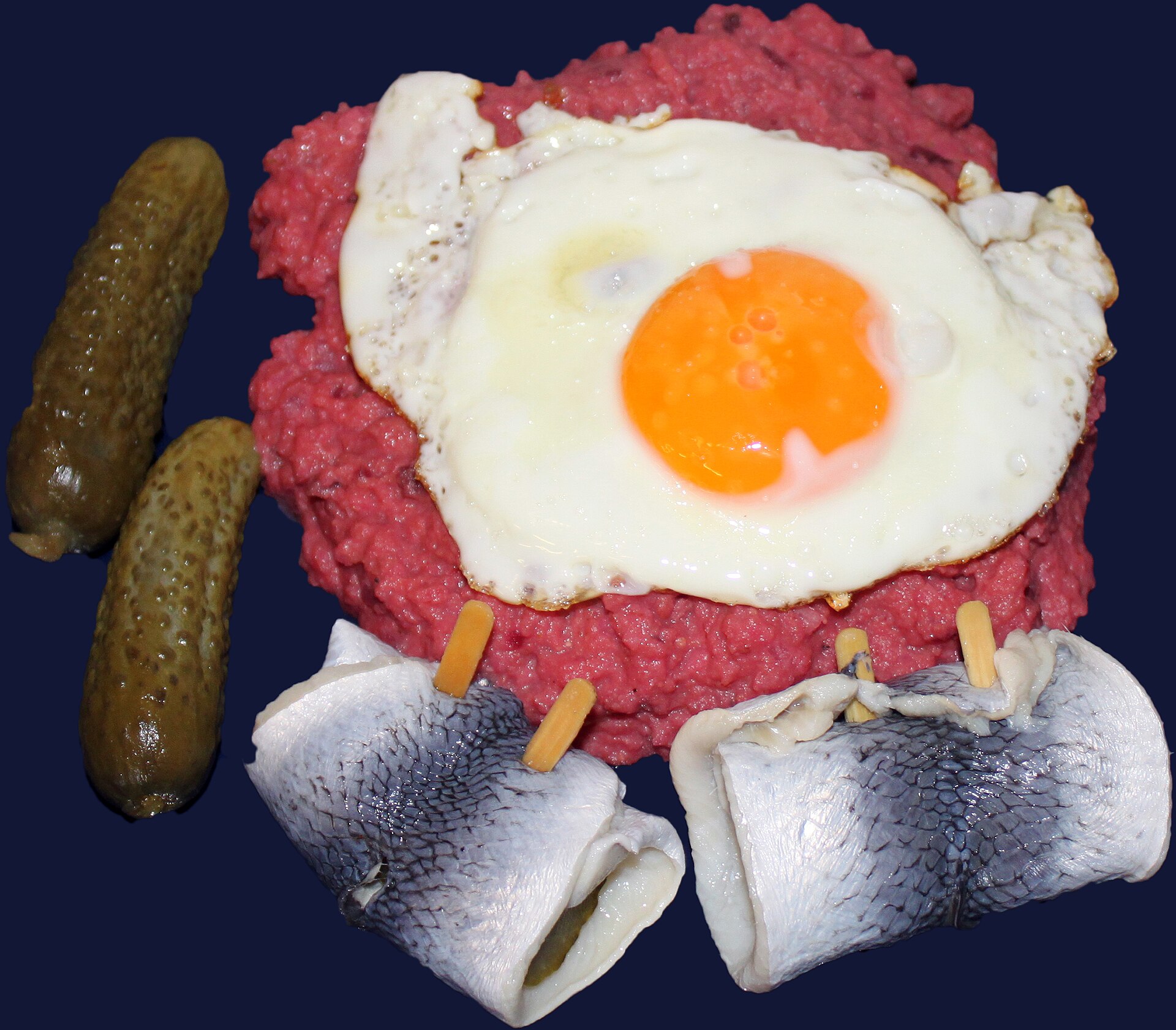
| Labskaus | North Germany | Shares the lobscouse name but is usually a mash, often served with a fried egg and pickled herring |
| Lancashire hotpot | Lancashire | Usually baked in the oven under a lid of sliced potatoes, rather than stewed on the hob |
| Irish stew | Ireland | Typically lamb or mutton with potatoes and onions |
The family resemblance is obvious, but locals will tell you that scouse is thicker, heartier and nothing like the others.
A Scouse Day Out
Building a day around a bowl of scouse is a good way to see a few corners of the city you might otherwise miss.
Waterfront and Ma Boyle’s
Walk the Pier Head and the Three Graces in the morning, then head a few minutes inland to Ma Boyle’s in Tower Gardens for scouse at lunchtime. Our waterfront guide has a route.
Anfield and Homebaked
Take a stadium tour at Anfield, where a standard adult tour is £26 when pre-booked, then cross to Homebaked on Oakfield Road for a scouse pie. On a match day, go early. See our Anfield stadium tour guide.
Dale Street and the Ship & Mitre
Spend the afternoon at the museums on William Brown Street, then walk to the Ship & Mitre for a bowl of beef or blind scouse and a pint of real ale. Check the pub’s food hours first: the kitchen closes at 18:00 on Sundays.
Ordering Scouse in a Pub
- “A bowl of scouse” is the usual way to order. Some places also do it in a pie.
- Ask for red cabbage if it isn’t on the plate, and for beetroot if you prefer it.
- “Blind” means the meatless version.
- Check the kitchen hours. Pubs often stop serving food well before they close.
- Ask about dietary needs. Stocks, breads and butter vary from kitchen to kitchen.
How Locals Eat It
- In winter. Scouse is cold-weather food, and many families make a big pot that lasts for days.
- The next day. A lot of people say it tastes better reheated, once the potatoes have thickened it further.
- With red cabbage or beetroot. Ask for it if it doesn’t arrive automatically.
- With a brew, if you like. A cup of tea goes well with a bowl of scouse at home.
Making Scouse at Home
Every recipe differs, but the method is broadly the same:
- Brown the meat. Cut beef or lamb, or a mix, into chunks and brown them in a large pan.
- Add the onions, then the carrots.
- Add the potatoes. Many cooks use two kinds: some that hold their shape and some that break down to thicken the stew.
- Cover with stock and simmer gently for a long time, stirring now and then, until the meat is tender and the stew is thick.
- Season and serve in bowls, with pickled red cabbage or beetroot and bread and butter.
For blind scouse, leave out the meat and add more vegetables. Treat any recipe as a starting point; the argument about what goes in is part of the tradition.
Tips for Cooking It Well
- Make a big pot. Scouse reheats well, so cook enough for two or three meals.
- Use cheaper cuts. Stewing cuts that need long cooking suit it better than lean, expensive meat, which can turn dry.
- Be patient. Much of the texture comes from long, slow simmering and the potatoes breaking down, though some cooks add a little flour.
- Mix your potatoes. Floury potatoes break down and thicken the stew; waxy ones keep their shape and give it body.
- Season at the end. The flavour concentrates as it cooks down.
- Don’t skip the pickles. The sharp red cabbage or beetroot is what lifts a heavy stew.
Scouse and Dietary Needs
- Vegetarians can order blind scouse, which leaves out the meat. Ask about the stock.
- Vegans should ask about the stock, the butter on the bread and any other ingredients before ordering; blind scouse isn’t automatically vegan.
- Gluten-free diners should check that the whole dish is suitable, since some versions are made with ale, flour or a stock that contains gluten, before asking about gluten-free bread.
- Allergies: menus and kitchens vary, so always tell the staff.
Scouse and the City
For a dish this plain, scouse carries a lot of meaning. It is a reminder of Liverpool’s port, of the sailors from around northern Europe who came through its docks, and of the working families who lived on cheap, filling food. It gave Liverpool’s people their nickname, and the name stuck to the accent too. Order a bowl in a pub near the waterfront and you are eating a little of that history.
If you are interested in that maritime story, start with our guide to Liverpool’s maritime history. The Merseyside Maritime Museum is closed for a major redevelopment, though its Old Dock tour continues; check National Museums Liverpool for the latest.
What Isn’t Worth It
- Following an old list of scouse cafes. Some well-known names have closed; check the venue’s own site first.
- Assuming blind scouse is vegan. It is vegetarian by design, but ask about the stock and the butter.
- Expecting one “authentic” recipe. There isn’t one, and anyone who tells you otherwise is starting the argument.
- Ordering it on a hot summer’s day. You can, but it is at its best on a cold, wet afternoon.
Frequently Asked Questions
What is scouse food?
Scouse is a Liverpool stew of beef or lamb, potatoes, carrots and onions, cooked slowly until it thickens and served in a bowl with pickled red cabbage or beetroot and bread and butter.
Why are people from Liverpool called Scousers?
The nickname comes from the stew, whose name comes from lobscouse, a dish eaten by sailors across northern Europe. “Scouse” now means the stew, a person from Liverpool and the local accent.
What is blind scouse?
Scouse without the meat. National Museums Liverpool describes it as made by leaving out the lamb and adding more vegetables. It is vegetarian, but check the ingredients if you need it vegan.
Is scouse made with beef or lamb?
Either, or both. There is no single correct recipe.
Where can I eat scouse in Liverpool?
The Ship & Mitre lists beef scouse at £12.50 and blind scouse at £11 in October 2026, Ma Boyle’s near the Pier Head has a scouse menu, and Homebaked in Anfield is known for scouse pies. Check menus before you go.
What do you eat with scouse?
Pickled red cabbage or pickled beetroot, and crusty bread and butter.
How old is scouse?
National Museums Liverpool says lobscouse, the dish scouse takes its name from, was first mentioned in 1706.
Scouse is Liverpool’s own dish, but on a Sunday the city eats roasts like everywhere else in Britain. Our guide to the best Sunday roast in Liverpool sorts them by budget, with menu prices and serving times.
Related Liverpool Guides
- Food and Dining in Liverpool
- Best Restaurants in Liverpool
- Best Pubs in Liverpool
- Cheap Eats in Liverpool
- Street Food Markets
- Liverpool’s Maritime History
Photo Credits
Scouse with red cabbage: Day 2- Scouse (8369706279) by Takashi Hososhima from Tokyo, Japan, CC BY-SA 2.0, via Wikimedia Commons.
Pickled red cabbage: Jars of Pickled Red Cabbage, Cromer by Kolforn, CC BY-SA 4.0, via Wikimedia Commons.
Labskaus: 2015-11-26 Labskaus anagoria by Anagoria, CC BY-SA 3.0, via Wikimedia Commons.
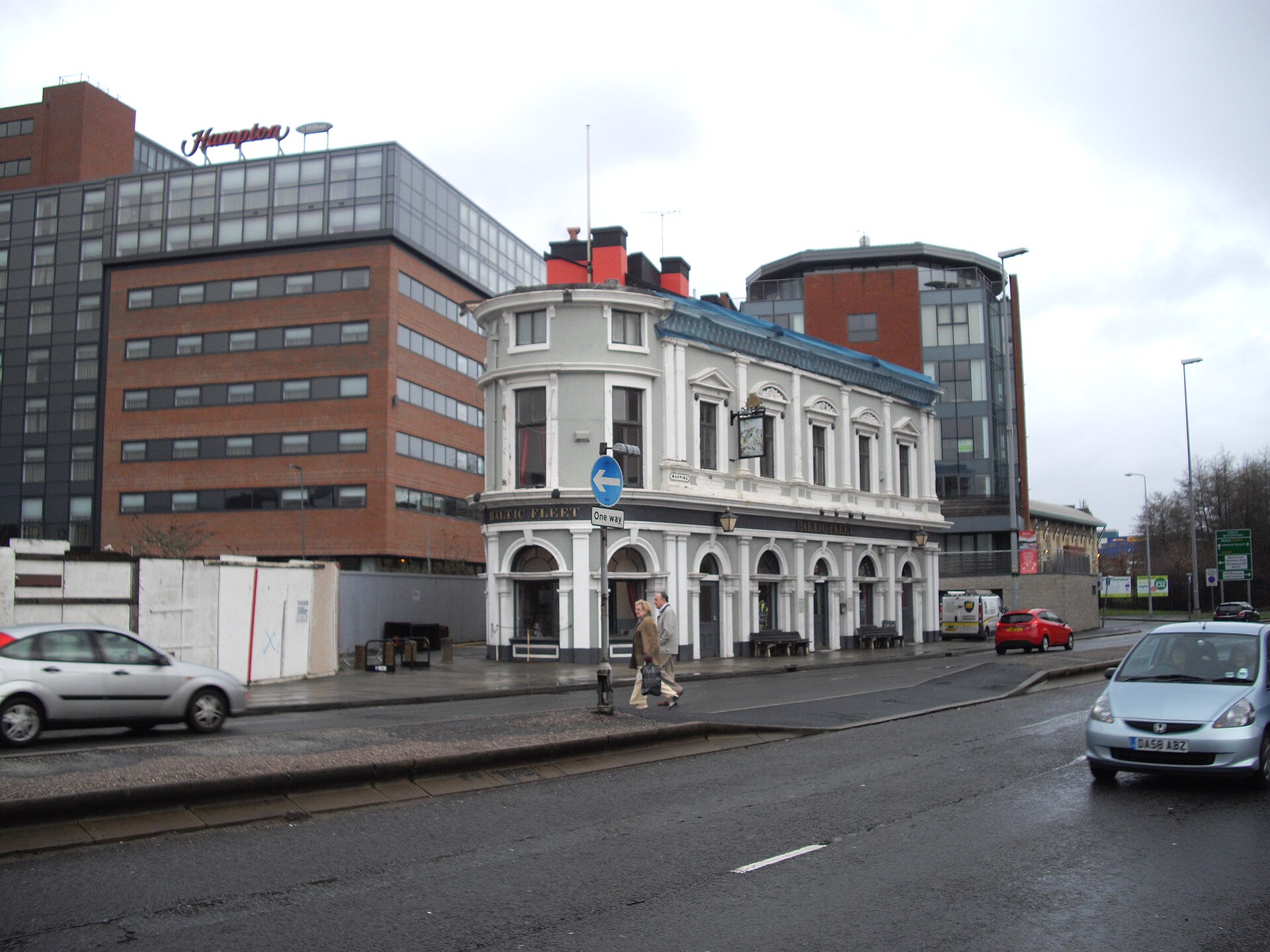
The Baltic Fleet: The Baltic Fleet, Wapping, Liverpool – geograph.org.uk – 2746684 by John Lord, CC BY-SA 2.0, via Wikimedia Commons.
A bowl of scouse at the Merseyside Maritime Museum: Posh Scouse at Liverpool Maritime Museum – Flickr – Radarsmum67 by Radarsmum67, CC BY 2.0, via Wikimedia Commons.