This article contains advertising. Our booking links are routed through a partner that adds commission tracking automatically, so if you book through one we earn a commission from the provider, at no extra cost to you. It never affects what we recommend. Affiliate disclosure
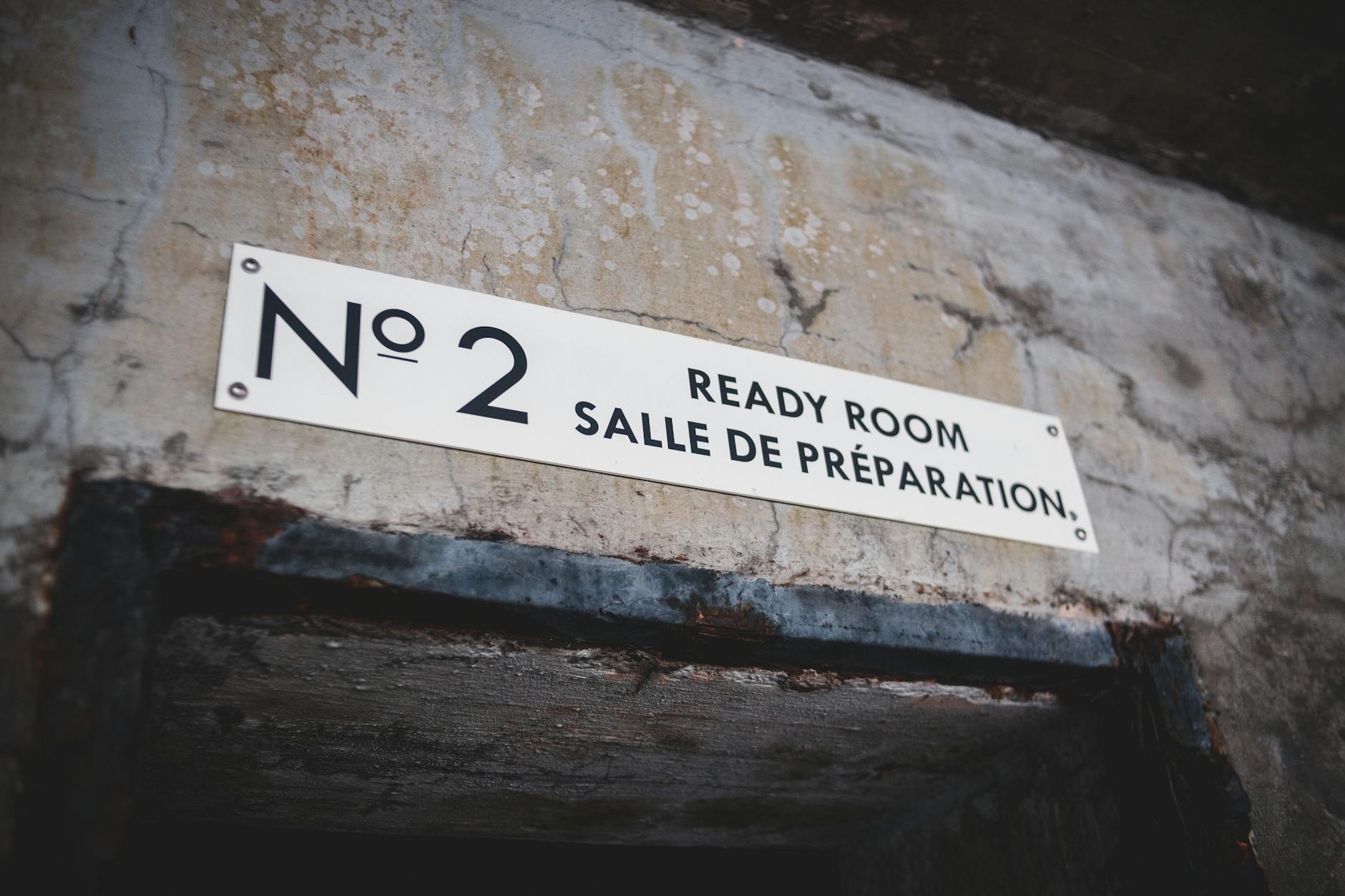
Western Approaches Museum Liverpool is the actual WWII secret bunker from which the longest campaign of the war — the Battle of the Atlantic — was directed. Hidden three storeys below Rumford Street in the city centre, sealed and forgotten for almost forty years after the war, the bunker survives almost exactly as it was abandoned in 1945. Walking through the operations room, the cypher rooms, the typing pools and the dormitories is one of the most atmospheric historical experiences available anywhere in the UK. The Western Approaches Museum Liverpool is privately run, ticketed (around £14.50 for adults in 2026, with the ticket doubling as an annual pass), and consistently rated among the top three or four paid attractions in the city. This guide covers everything you need for a 2026 visit: tickets, opening hours, what to expect, how to plan a route through the bunker, the historical context, and how to combine the museum with the rest of the city centre.
If you have any interest in military history, naval history, code-breaking, women’s wartime work, the Battle of the Atlantic, or simply atmospheric historical sites — this is unmissable. It’s also exceptional for visitors with broader curiosity about how a city actually functioned during the war: the rationing, the air raids, the women called up to operate the equipment that won the convoy battles. The Western Approaches Museum Liverpool isn’t a polished National Museums Liverpool experience — it’s privately operated, slightly ramshackle in places, and all the better for it. Authenticity is the point.
https://www.liverpooltourism.org/wp-content/uploads/2026/05/p7c7-maproom.jpg
What Was Western Approaches Command?
The Battle of the Atlantic was the longest single campaign of the Second World War, lasting from September 1939 to May 1945. Its central question was whether Britain could be kept supplied with food, fuel, raw materials and (after 1942) American troops, against German submarine attempts to sever the Atlantic shipping routes. By February 1941 the U-boat threat was severe enough that Combined Operations Command was moved from Plymouth to Liverpool — a port closer to the convoy assembly areas, with better access to the North Channel route, and with substantial pre-built civil defence infrastructure. The relocation was overseen by Admiral Sir Percy Noble, who set up Western Approaches Command in Derby House at Exchange Flags on 7 February 1941.
The bunker beneath Derby House — its formal name was the Citadel — became the operational nerve centre of the Battle of the Atlantic. Around 300 personnel worked here day and night, mostly women from the WRNS (Women’s Royal Naval Service) and WAAF (Women’s Auxiliary Air Force), under the command of a small number of senior naval officers. The work fell into four broad categories: monitoring U-boat positions through intelligence (including ULTRA-decrypted German naval signals from Bletchley Park), tracking convoy movements and routing them to evade U-boat concentrations, coordinating escort ships and long-range maritime aircraft, and managing the cyphered communications that tied the entire system together.
The campaign turned decisively against the U-boats in May 1943, when improved air cover, better escort tactics, ULTRA intelligence, and increased Allied production combined to make the Atlantic crossing newly survivable for convoys. By the end of the war the U-boat force had lost more than 75 percent of its operational submarines. The convoys that the Western Approaches operations directed kept Britain in the war.
The Bunker Today: Why Western Approaches Museum Liverpool Works
The bunker was sealed up at the end of the war and largely forgotten for decades. The military equipment was removed but the structure, the wall maps, the furniture and the immediate working environment were left intact. The site was rediscovered, opened as a museum in 1993, and has been run on a privately-funded basis ever since. The Western Approaches Museum Liverpool is therefore not a curated National Museums Liverpool experience but an authentic preserved bunker, with original furniture, wall maps, telephones, typewriters and signage. Some rooms have been carefully reconstructed using period-correct items but the core of the experience is the original survival.
What this means in practice: the lighting is dim and authentic, the corridors are narrow, the temperature is cool (the bunker is genuinely underground), and the experience feels closer to walking through a preserved archaeological site than visiting a polished museum. Audio reconstructions add atmosphere to several rooms — you’ll hear typing pools at work, the murmur of radio operators, and occasional dramatic voiceovers from naval officers reading despatches. Some visitors find the dramatised audio elements a bit over-egged; others find them powerful. Both opinions are reasonable.
Western Approaches Museum Liverpool: Tickets, Opening Hours, Location
The museum is at 1-3 Rumford Street, Exchange Flags, Liverpool L2 8SZ. The entrance is on Rumford Street itself, easily missed because the bunker is below ground and the surface-level building is unassuming. Look for the museum signage and the green-painted entrance. The location is in the city centre’s commercial district, five minutes’ walk from the Town Hall and ten minutes from Liverpool ONE.
Opening hours are 10:00-17:00 daily, with last admission at 17:00 (though most visitors arrive earlier to give themselves the full 90-minute self-guided tour). Check the museum’s website before travelling for any seasonal variations or temporary closures.
Standard adult admission is around £14.50 in 2026 (indicative — check the museum’s website for current pricing). Child tickets (5-16) are around £8.50. Children under 5 are free. Family tickets and senior concessions are available. One of the museum’s distinctive policies is that your day ticket also serves as an annual pass — you can return as many times as you like within 12 months for no additional charge. For visitors who think they’ll come back, or who want to break the experience into multiple shorter visits, this is genuinely excellent value.
The museum is cashless — credit cards, debit cards and contactless payments are accepted, with the exception of American Express. Tickets can be bought on the day or pre-booked online (advance booking is encouraged but not always required). Guided tours led by museum staff can be booked at around £75 per group of up to 15 people, plus the standard admission fee per person — a strong option for groups, school parties, or anyone who wants context beyond the self-guided experience.
https://www.liverpooltourism.org/wp-content/uploads/2026/05/p7c7-typing.jpg
What You’ll See: A Route Through the Bunker
The self-guided route takes around 75 to 90 minutes for a thoughtful visit. The bunker is laid out across approximately 100 rooms on two underground levels. The route follows a logical historical sequence — starting with orientation rooms covering the broader Battle of the Atlantic context, then working through the operational spaces, and ending with the more personal and atmospheric reconstructions of daily life in the bunker. Here are the highlights you’ll encounter.
The Map Room (Operations Room)
The Operations Room is the museum’s centrepiece and one of the most atmospheric historical spaces in any UK museum. This is the room where convoy positions, U-boat sightings and aircraft patrols were plotted on a vast wall map of the North Atlantic. The original wall map survives, marked with the original convoy routes and U-boat positions from the closing stages of the war. WRNS plotters moved tracking pieces on the map using long wooden rakes (some of these survive too). Above the map sit the senior officers’ positions — the Commander-in-Chief’s chair and the gallery from which decisions were made. Standing in the Operations Room and reading the original wall annotations is a powerful historical encounter.
The Cypher Rooms
Multiple cypher rooms held the equipment for encoding and decoding the constant stream of signals between Liverpool, the convoys, the escort ships, Bletchley Park, the Admiralty in London, and Washington. These rooms were operated almost entirely by women. The equipment displayed includes original cypher machines and reconstructed signals stations. The cypher rooms are some of the most affecting spaces in the museum because they’re so explicitly about the women who did the work.
The Typing Pools and Communications
The typing pools and the teleprinter rooms processed the volume of paperwork that kept the entire system running. Visitors walk through reconstructed working spaces with original furniture, period-correct typewriters and signage, and audio elements reconstructing the constant clatter of typing and telex. The scale gives a strong sense of how much of the war was actually fought by women sitting at desks.
The Senior Officers’ Rooms and the Conference Room
The senior officers’ offices and the conference room have been preserved with original furniture and walls hung with operational maps. Admiral Sir Percy Noble’s office (and later Admiral Sir Max Horton’s) shows where the strategic decisions of the campaign were made. The conference room held the daily morning briefings where new intelligence was reviewed and new orders issued.
The Dormitories and the NAAFI Canteen
One of the museum’s surprises is that the bunker held dormitory accommodation for staff working continuous shifts, plus a NAAFI canteen serving the personnel. Walking through these spaces — the cramped bunks, the simple canteen, the few small areas of leisure space — gives a powerful sense of what it was like to work and live underground for the duration of a shift cycle. The NAAFI canteen reconstruction in particular is one of the more humanising rooms in the museum.
The Audio-Visual Elements and Educational Spaces
Several rooms include audio-visual reconstructions of key moments in the Battle of the Atlantic. The convoy attack sequences, the U-boat sightings, the long-range aircraft missions and the Allied victory sequences are all covered. These are dramatised and some visitors find them more polished than the authentic original spaces — your taste will dictate how much you engage with them. The museum also has educational displays covering the wider war and the home-front context for Liverpool, which was the most-bombed UK city outside London.
Practical Tips for Visiting Western Approaches Museum Liverpool
Wear comfortable shoes — the bunker has uneven floors and a lot of walking on concrete and stone. The temperature is consistently cool (around 12-14°C year-round), so a light layer is worth bringing. Photography is permitted in most areas without flash, though some specific displays may have restrictions. The museum is not fully wheelchair accessible — the underground levels are reached by stairs and some passages are narrow. The museum’s website includes detailed accessibility information; visitors with mobility constraints should contact the museum directly before visiting.
Bring a sense of time. The self-guided route is engineered to take 75-90 minutes but visitors with strong military-history interest regularly spend 2 to 2.5 hours. Don’t rush. The atmosphere is part of the experience and the rooms reward time. The audio elements run continuously so you can sit and listen for several minutes in spaces that interest you.
For children, the museum suits ages 8 and up best. Younger children may find the underground atmosphere unsettling and the historical content somewhat advanced. School-age children with any history interest will love it. There’s no specific children’s trail but the staff are friendly and happy to point out the most engaging rooms.
For visitors with deep interest, consider booking the guided tour. A 15-person group with the dedicated guide is an excellent format — the guides know the bunker intimately, can answer detailed questions, and bring out detail you’d miss on a self-guided visit. Allow 2 hours for a guided tour.
https://www.liverpooltourism.org/wp-content/uploads/2026/05/p7c7-street.jpg
Why Western Approaches Museum Matters Right Now
With the Merseyside Maritime Museum closed for redevelopment until at least 2028, Western Approaches Museum Liverpool is the strongest currently-open museum experience covering Liverpool’s WWII and maritime story. The Maritime Museum’s Battle of the Atlantic gallery used to provide the broader context for what Western Approaches narrows in on — without it, Western Approaches stands alone as the city’s primary site for the Battle of the Atlantic story. This makes a 2026 or 2027 visit particularly important for anyone wanting to understand Liverpool’s wartime role.
Combined with Liverpool’s other surviving wartime sites — the Albert Dock warehouses (designed for fireproof storage and used by the wartime port), the Pier Head waterfront, the rebuilt city centre streets that were redeveloped after Luftwaffe bombing destroyed much of the original — the museum gives you the strongest single overview of the war in Liverpool. See our Liverpool history and heritage pillar for the wider context.
Combining Western Approaches with Other Liverpool Attractions
The museum is in the city centre’s commercial district, well placed for combining with the wider city. A strong itinerary: morning at Western Approaches (2 hours, 10:00-12:00), lunch on Castle Street or in the Liverpool ONE area, afternoon walking down to the Pier Head and the Albert Dock (free, 2-3 hours), evening dinner on Bold Street. Total cost: around £20-50 depending on meals.
For a heavier military and history-focused day, combine Western Approaches with Liverpool Cathedral (which holds memorials to wartime crews and the Hartley violin case associated with the Titanic bandmaster), Liverpool Town Hall (sometimes open for public visits, includes the wartime Mayor’s parlour), and a walk through the rebuilt city centre streets. The historic Town Hall and the Albert Dock both played major roles in the wartime city. See our Liverpool walking tours guide for self-guided routes.
For a contrast, the museum pairs surprisingly well with the Museum of Liverpool (15-minute walk to Pier Head, free entry) — the Museum of Liverpool’s People’s Republic and Global City galleries cover the broader social and political history of the city that the bunker only touches on. Together the two museums give you a much rounder picture of Liverpool’s twentieth century. For the broader museum and gallery context see our Liverpool museums and galleries pillar.
Frequently Asked Questions
How much does Western Approaches Museum Liverpool cost?
Standard adult admission is around £14.50 in 2026 (indicative — check the museum’s website). Child tickets (5-16) are around £8.50. Under-5s are free. Crucially, the ticket doubles as an annual pass — you can return as many times as you like within 12 months for no additional charge. Guided tours are £75 per group (up to 15 people) plus entry fee.
How long does a visit to Western Approaches Museum take?
The self-guided route takes 75-90 minutes for most visitors. Military-history enthusiasts and visitors who engage closely with the audio elements often spend 2-2.5 hours. Guided tours run 2 hours. Plan a half-day visit if you want to combine the museum with other city centre attractions.
Where is Western Approaches Museum?
Western Approaches Museum is at 1-3 Rumford Street, Exchange Flags, Liverpool L2 8SZ — in the city centre commercial district, 10 minutes’ walk from Liverpool ONE and 15 minutes from Liverpool Lime Street rail station. The entrance is at street level on Rumford Street; the bunker itself is three storeys underground.
Is Western Approaches Museum wheelchair accessible?
The museum is not fully wheelchair accessible. The bunker is reached by stairs and many internal passages are narrow. The museum’s website provides detailed accessibility information; visitors with mobility constraints should contact the museum directly before visiting. The surface-level areas (entrance, shop, café) are accessible.
What’s the difference between Western Approaches Museum and the Maritime Museum?
The Western Approaches Museum is the actual surviving WWII operations bunker on Rumford Street, privately operated, ticketed (around £14.50), focused specifically on the Battle of the Atlantic and the wartime command structure. The Merseyside Maritime Museum at the Albert Dock is the broader maritime museum covering Liverpool’s port history, the Titanic, the slave trade, and other themes — though it’s currently closed for major redevelopment until at least 2028.
Is Western Approaches Museum scary?
The bunker atmosphere is consistently dark, cool and underground. Some visitors find the audio reconstructions unsettling, particularly the U-boat attack sequences. Younger children (under 8) may find the environment too dim or atmospheric. Adults and teenagers with any interest in history almost universally find the atmosphere a major part of the appeal, not a problem.
Can I book a guided tour of Western Approaches Museum?
Yes. Guided tours led by museum staff cost £75 per group of up to 15 people, plus the standard admission fee per person. Tours typically take 2 hours and are recommended for groups, school parties, or visitors who want detailed context beyond the self-guided experience. Book through the museum’s website.
What’s the dress code for Western Approaches Museum?
No specific dress code. The bunker is consistently cool (12-14°C year-round) so a light layer is worth bringing even in summer. Comfortable shoes are essential — there’s significant walking on concrete and stone floors with some uneven surfaces.
Final Thoughts: One of Liverpool’s Most Distinctive Attractions
Western Approaches Museum Liverpool is one of the most distinctive and atmospheric historical attractions in any UK city. The combination of authentic preserved spaces, the genuinely important historical material covered, the privately-run feel that keeps the experience away from the polished National Museums Liverpool format, and the annual-pass ticket that incentivises return visits makes this one of the strongest single attractions in the city.
For first-time visitors with any interest in WWII history, naval history, code-breaking, women’s wartime work, or simply atmospheric historical sites — this is unmissable. For repeat visitors, the annual pass policy makes it natural to come back for a more focused second visit. For families with school-age children, the museum supports historical curiosity in ways few other Liverpool attractions can. With the Maritime Museum closed for redevelopment, Western Approaches is currently the strongest paid museum in the city. For the wider context of Liverpool’s free museum offering see our Liverpool museums and galleries pillar and for self-guided WWII walks around the city see our Liverpool history and heritage pillar.